How to Style Wavy Hair After Washing: An Evidence-Based Guide
11 min read ·
Learn how to style wavy hair after washing with techniques that enhance definition, reduce frizz, and promote hair health.
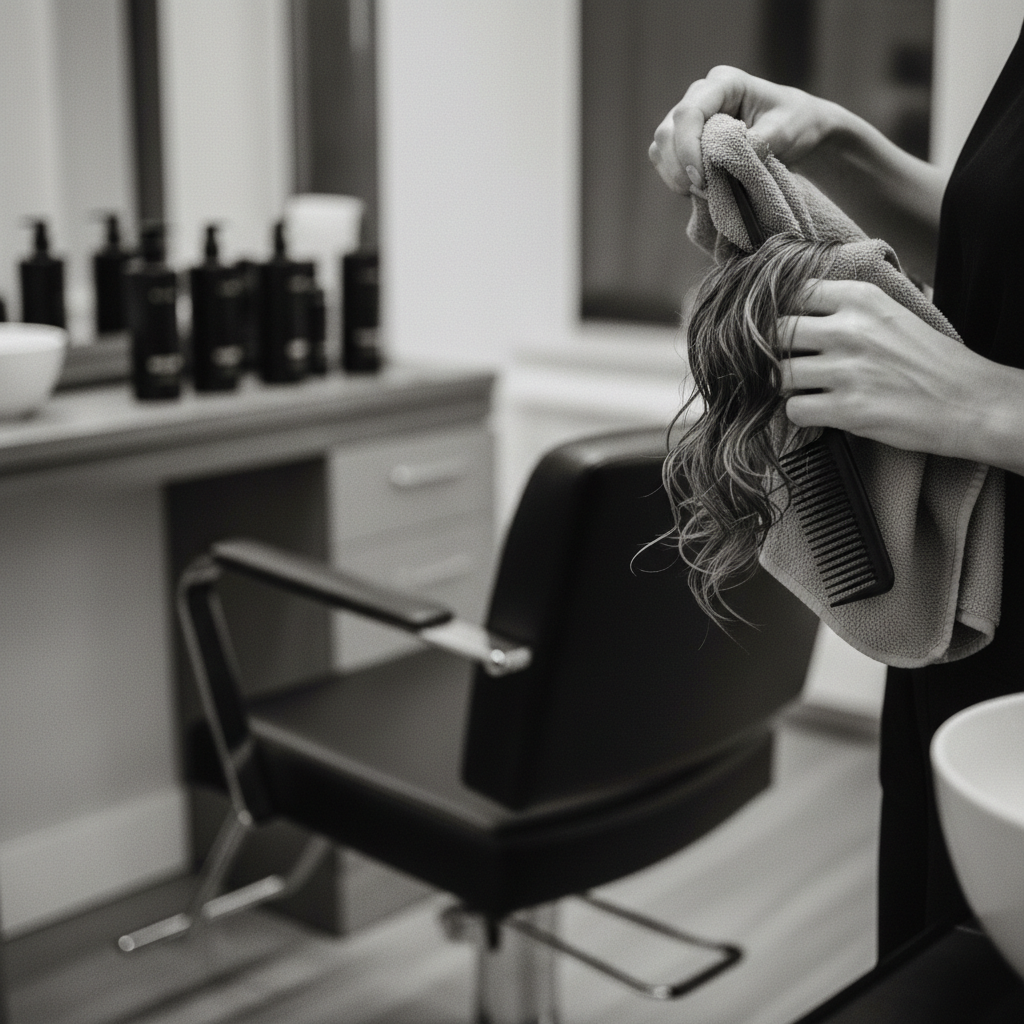
Quick answer: Knowing how to style wavy hair after washing involves a systematic approach: gently blot excess water, apply lightweight styling products to damp hair, encourage wave formation through scrunching or coiling, and dry using a diffuser on low heat or air dry without disturbance. The main limitation is that wave patterns vary significantly between individuals, requiring tailored product and technique choices.
Key takeaways
- Wavy hair benefits from gentle handling to maintain its natural pattern and reduce frizz.
- Applying styling products to damp, not soaking wet, hair helps define waves and control frizz.
- Drying techniques like diffusing or air drying are crucial for preserving wave integrity.
- Understanding your hair's porosity and density influences product selection and application.
- Regular deep conditioning supports the health and elasticity needed for well-formed waves.
How to style wavy hair after washing: what the evidence shows
Wavy hair, characterized by its distinctive S-shaped pattern, sits structurally between straight and curly hair. Its unique undulations mean that the hair shaft is not uniformly smooth, making it more prone to frizz if the cuticle scales are raised. Effectively learning how to style wavy hair after washing centres on enhancing this natural pattern while minimising friction and moisture loss. The goal is to encourage the hair's natural wave to form and hold its shape.
Scientific understanding of hair structure highlights the importance of the cuticle, the outermost layer of the hair shaft. When wet, hair becomes more elastic and the cuticle can swell. As hair dries, the cuticle ideally lies flat, reflecting light and preventing frizz. However, wavy hair's natural bends can make it harder for the cuticle to lie perfectly flat, especially in humid conditions or with improper drying. This is why techniques focusing on gentle drying, product application while damp, and minimal disturbance during the drying phase are paramount. These methods help to seal the cuticle and allow the natural wave pattern to emerge unobstructed.
The mechanism behind wave formation and retention
Wavy hair's shape is determined by the asymmetry of hair follicles and the distribution of keratin proteins within the hair shaft. These factors create the characteristic S-bend. When hair is wet, hydrogen bonds within the keratin structure break, allowing the hair to be manipulated into new shapes. As the hair dries, these bonds reform, setting the hair into the shape it was in when drying. This "setting" is the fundamental principle behind all hair styling, including how to style wavy hair after washing.
Styling products, such as gels and creams, work by forming a film around the hair strand. This film helps to hold the hydrogen bonds in their desired wavy configuration as the hair dries. Humectants in these products, like glycerin or hyaluronic acid, draw moisture from the air or from the hair itself, keeping the hair flexible and less prone to brittleness. Emollients, such as natural oils or silicones, smooth the cuticle, reducing friction and enhancing shine.
The act of scrunching, a common technique when styling wavy hair, physically encourages the formation of these S-bends as the hair dries. Similarly, diffusing, which uses indirect, even heat, helps to dry the hair gently, allowing the waves to set without being disrupted by strong airflow that could cause frizz. Air drying also serves this purpose, provided the hair is not excessively touched during the process.
Signs your wavy hair styling routine needs adjustment
Recognising the signs that your current styling approach isn't working is key to improving your hair's appearance and health. Look for:
- Excessive frizz: If your hair becomes frizzy immediately after drying or within a few hours, it suggests insufficient cuticle sealing, incorrect product application, or overly aggressive drying.
- Lack of definition: Waves that appear limp, undefined, or revert to a straighter pattern quickly may indicate a need for stronger hold products, better wave encouragement techniques, or improved hydration.
- Hair feeling heavy or greasy: This often points to using products that are too rich or applying too much product, particularly near the roots. Fine wavy hair is especially susceptible to being weighed down.
- Breakage or dryness: Harsh towel drying, brushing hair when dry, or excessive heat without protection can lead to hair damage. You might notice more hair shedding that snaps along the shaft, indicating breakage, not hair loss. See also Hair Damage: Causes, Signs, and Solutions.
- Itchy or irritated scalp: Product build-up can irritate the scalp. Ensure you're cleansing effectively and consider clarifying washes if needed. See How to Do a Clarifying Wash: A Guide to Deep Hair Cleansing.
What you can do to effectively style wavy hair after washing
To achieve well-defined, frizz-free waves, a multi-step approach is typically most effective. The following steps integrate gentle handling with targeted product use:
- Gentle Washing and Conditioning: Begin with a sulfate-free shampoo to avoid stripping natural oils, followed by a conditioner. Rinse with cool water to help seal the cuticle. For detailed guidance, refer to Choosing the Right Shampoo: A Comprehensive Guide to Hair Cleansing and Choosing the Right Hair Conditioner.
- Initial Water Removal: After washing, gently squeeze excess water from your hair. Avoid rubbing vigorously with a terry towel. Instead, use a microfiber towel or a clean cotton t-shirt to blot and scrunch out moisture. This reduces friction, which can lead to frizz. Aim for damp, not dripping wet, hair before applying products.
- Apply Leave-in Conditioner: While hair is still damp, apply a lightweight leave-in conditioner. This provides a foundational layer of moisture and helps with detangling. Focus on mid-lengths and ends. See The Science of Conditioners: How Hair Care Formulations Work.
- Detangle with Care: Use a wide-tooth comb or your fingers to gently detangle your hair, starting from the ends and working your way up. Avoid brushes on wet wavy hair, as they can disrupt the wave pattern and cause breakage.
- Apply Styling Products: Choose a wave-enhancing cream, gel, or mousse based on your hair's needs and desired hold. Apply evenly, using a "praying hands" motion to smooth it down the hair shaft without separating clumps. Then, gently scrunch your hair upwards towards the scalp to encourage wave formation. For fine wavy hair, a lightweight mousse might be preferable to a heavier cream or gel, which could weigh it down.
- Define Waves: Continue scrunching your hair from the ends towards the roots. You can hold each scrunch for a few seconds to help the waves set. For more definition, you can try finger coiling small sections of hair around your finger, then gently sliding them off.
- Drying:
- Air Drying: For a softer, more natural look with less volume, allow your hair to air dry completely. Crucially, avoid touching your hair while it dries, as this can create frizz.
- Diffusing: For more volume and quicker drying, use a blow dryer with a diffuser attachment. Set the dryer to a low heat and low speed setting. Gently cup sections of hair in the diffuser bowl and lift them towards your scalp. Hold for a few seconds, then move to the next section. Diffuse until your hair is 80 to 90% dry. This technique helps to define waves and create volume without disrupting the pattern. See Hair Drying Techniques for more information.
- "Scrunch Out the Crunch": Once your hair is completely dry, if you used a strong-hold gel that created a "cast" or "crunch," gently scrunch your hair with dry hands until this cast softens. This reveals soft, defined waves underneath.
- Finishing Touch: A drop or two of lightweight hair oil or serum, rubbed between your palms and gently smoothed over your waves, can add shine and provide extra frizz control. Apply sparingly to avoid weighing down your hair.
Comparing drying methods for wavy hair
| Feature | Air Drying | Diffusing (with blow dryer) |
|---|---|---|
| Time | Longest drying time, can take several hours | Fastest drying time, typically 20 to 40 minutes |
| Volume | Generally less volume | Can create significant volume and lift at the roots |
| Definition | Good, especially if undisturbed | Excellent, enhances natural wave pattern |
| Frizz Control | Good, if hair is not touched while drying | Excellent, with low heat/speed and proper technique |
| Heat Exposure | None | Minimal, if using low heat and speed |
| Best For | Those with ample time, prefer a softer look | Those seeking more volume, faster results, and defined waves |
When the cause may be something else
While improper styling techniques are common culprits for unsatisfactory wavy hair, sometimes other factors contribute. For instance, hard water can deposit minerals on the hair shaft, leading to dryness, dullness, and increased frizz, making it harder for waves to form properly. See Hard Water and Hair Damage: Understanding the Impact on Your Hair. Chemical treatments, such as colouring or perming, can also alter hair structure and porosity, affecting how it responds to styling. Refer to Chemical Hair Treatments: What They Are and How They Affect Hair.
Underlying scalp health issues, nutrient deficiencies, or hormonal changes can also impact hair texture and health, though these are less directly related to how to style wavy hair after washing. If you notice significant changes in your hair texture or unusual hair shedding, consult a medical professional.
When to get professional advice
If you consistently struggle to achieve satisfactory results despite trying different styling techniques and products, consider consulting a professional hairstylist who specialises in wavy or curly hair. They can assess your specific hair type, density, and porosity, and recommend tailored products and techniques. For persistent scalp concerns, excessive hair shedding, or significant hair texture changes, seeking advice from a dermatologist is advisable. They can rule out underlying health issues and provide targeted treatments.
Frequently asked questions about How to style wavy hair after washing
How often should I wash my wavy hair?
The ideal wash frequency for wavy hair varies by individual. Many find washing two to three times a week works well. Washing too frequently can strip natural oils, leading to dryness and frizz, while washing too infrequently can cause product build-up and weigh down waves. Pay attention to your scalp's oiliness and how your waves hold their shape between washes. See Oily Scalp Care: Understanding and Managing Excess Sebum for more details.
Can I brush wavy hair when it's dry?
Generally, it's best to avoid brushing wavy hair when it's dry, as this can disrupt the natural wave pattern, cause frizz, and lead to mechanical damage. For detangling, always use a wide-tooth comb or your fingers on wet or damp hair, preferably after applying a conditioner or leave-in product. If you need to refresh dry waves, gently mist with water and use your fingers to reshape.
What products are best for defining wavy hair?
Products designed for wave or curl enhancement are typically best. Look for lightweight leave-in conditioners, mousses, creams, or gels. Ingredients like humectants (glycerin, hyaluronic acid), emollients (jojoba oil, shea butter), and protein (hydrolysed wheat protein) can be beneficial. Avoid heavy butters or silicones if your hair is easily weighed down. Experiment to find what works best for your hair's specific needs.
How can I make my waves last longer between washes?
To extend the life of your styled waves, protect them overnight. "Pineappling" (gathering hair loosely on top of your head with a soft scrunchie) or sleeping on a silk pillowcase can help. You can also use a refreshing spray (water mixed with a small amount of leave-in conditioner) to reactivate waves on non-wash days. Avoid touching your hair excessively, as this can lead to frizz and loss of definition.
Does hard water affect how to style wavy hair after washing?
Yes, hard water can significantly impact how to style wavy hair after washing. The minerals in hard water (calcium, magnesium) can build up on the hair shaft, making it feel rough, look dull, and become more prone to frizz. This mineral build-up can prevent styling products from performing optimally and make it harder for waves to form and hold their definition. Using a chelating shampoo periodically can help remove this build-up.
Conclusion
Mastering how to style wavy hair after washing is a journey of understanding your hair's unique needs and adapting techniques to enhance its natural beauty. By prioritising gentle handling, strategic product application to damp hair, and mindful drying methods like diffusing or air drying, you can significantly improve wave definition and reduce frizz. The consistent application of these evidence-based principles will help you achieve healthy, vibrant waves that look and feel great. For those seeking to further support their hair's vitality, Watermans offers a range of hair care products designed to nourish and strengthen, complementing your styling routine.
Sources and references
- American Academy of Dermatology Association. (n.d.). Hair loss: Diagnosis and treatment. Aad.org
- NHS. (n.d.). Hair loss. Nhs.uk
- PubMed Central. (Journal of Cosmetic Dermatology). The hair cuticle: a review. (2014).
- British Association of Dermatologists. (n.d.). Hair and Scalp Conditions. Bad.org.uk
- University of California San Francisco, Department of Dermatology. (n.d.). Hair Biology.
- Gavazzoni Dias, M. F. R. (2015). Hair cosmetics: An overview. International Journal of Trichology, 7(1), 2-15. DOI: 10.4103/0974-7753.153493
- Robbins, C. R. (2012). Chemical and Physical Behavior of Human Hair. Springer Science & Business Media.
- Cosmetic Ingredient Review. (Year varies by ingredient, e.g., Glycerin Safety Assessment).
- Journal of Investigative Dermatology Symposium Proceedings. (The Biology of Hair). (2009).
- Water Quality Association. (n.d.). Hardness in Drinking Water.
- United States Environmental Protection Agency (EPA). (n.d.). Drinking Water Standards.
Find these ingredients in Watermans products
- Wheat Amino Acids: you will find this ingredient in our Heat Protection Spray.
- Shea Butter: you will find this ingredient in our Curly Hair Conditioner.