How to Choose the Right Shampoo for Your Hair Type: An Evidence-Based Guide
11 min read ·
Understanding How to choose the right shampoo for your hair type involves assessing your hair texture, scalp condition, and any specific concerns like dryness or oiliness, but remember, individual responses to products can vary significantly.
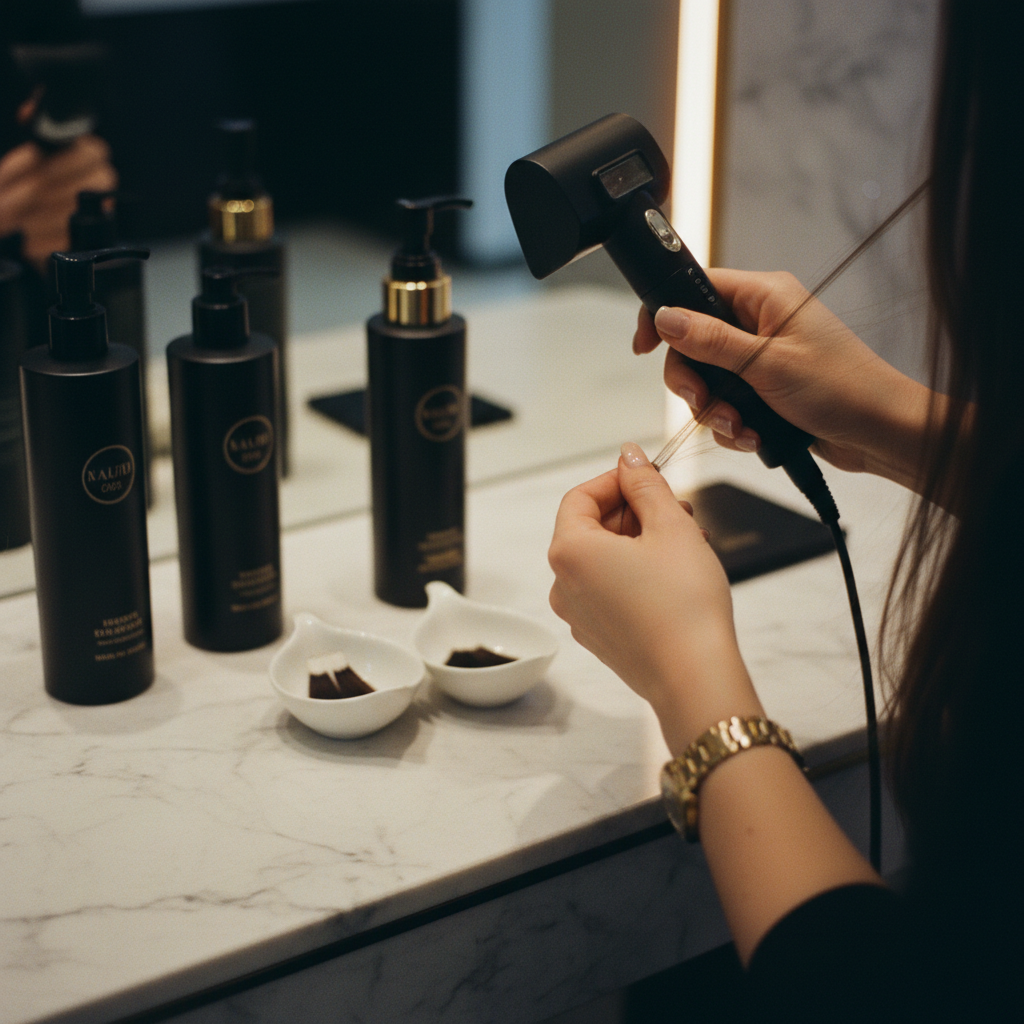
Quick answer: How to choose the right shampoo for your hair type primarily involves assessing your hair’s texture (fine, medium, coarse, curly, straight), your scalp’s condition (oily, dry, sensitive, normal), and any specific concerns such as colour treatment or damage. Selecting a shampoo formulated to address these specific needs can lead to improved hair health and appearance, but it’s crucial to recognise that individual results can differ, and what works for one person may not work for another. Consistent observation of your hair and scalp’s response is key.
Key takeaways
- Scalp health first: Prioritise shampoos that address your scalp’s condition, whether it's oily, dry, sensitive, or normal, as a healthy scalp is foundational for healthy hair.
- Hair texture matters: Consider your hair’s natural texture (fine, coarse, curly, straight) when selecting a shampoo, as this influences its needs for moisture, volume, or gentle cleansing.
- Target specific concerns: Look for formulations designed to address issues like colour protection, damage, frizz, or lack of volume, once your scalp and basic hair type needs are met.
- Understand ingredients: Familiarise yourself with common shampoo ingredients and their functions, such as surfactants for cleansing and conditioning agents for moisture, to make informed choices.
- Observation is key: The most effective way to choose the right shampoo for your hair type is through careful observation of how your hair and scalp respond to different products over time.
How to choose the right shampoo for your hair type: what the evidence shows
Choosing the right shampoo for your hair type is not about finding a universal solution, but rather about matching a product’s formulation to your unique hair and scalp biology. The effectiveness of a shampoo hinges on its ability to cleanse the hair and scalp without causing irritation or excessive stripping of natural oils, while also providing any necessary conditioning benefits. Evidence suggests that a holistic approach, considering both scalp condition and hair fibre characteristics, yields the best results.
The mechanism: How shampoo cleanses and cares for hair
Shampoo formulations are complex mixtures, primarily designed to clean the hair and scalp. The main active components are surfactants (surface-active agents), which are responsible for removing dirt, oil, and product build-up. Surfactants have both a hydrophilic (water-attracting) head and a lipophilic (oil-attracting) tail. This dual nature allows them to emulsify oils and dirt, which can then be rinsed away with water.
The pH of shampoo is also a critical factor. Human hair and scalp typically have an acidic pH, generally ranging from 3.67 for hair to 5.5 for the scalp. Shampoos with a pH close to this natural range (typically between 4.5 and 5.5) are thought to help maintain the hair cuticle’s integrity, reducing frizz and improving shine, according to research published in the International Journal of Trichology. Highly alkaline shampoos, conversely, can cause the hair cuticle to swell and open, potentially leading to increased friction, damage, and frizz. While some clarifying shampoos may have a higher pH for deeper cleaning, these are generally not recommended for frequent use.
Beyond cleansing, shampoos often contain conditioning agents (like silicones, polymers, and proteins), emollients, humectants, and botanical extracts. These ingredients aim to mitigate the potential drying effects of surfactants, impart shine, reduce static, improve manageability, and offer specific benefits such as colour protection or volume enhancement. The balance of these ingredients is what tailors a shampoo to different hair and scalp needs.
Understanding your scalp type
Your scalp condition is arguably the most important factor in determining How to choose the right shampoo for your hair type. A healthy scalp provides the optimal environment for hair growth and contributes significantly to the overall appearance of your hair. You can learn more about this in our article on Understanding Scalp Health.
- Oily Scalp: Characterised by excessive sebum production, leading to hair that feels greasy quickly after washing. This can be due to genetics, hormonal fluctuations, or even lifestyle factors. For an oily scalp, you’ll want a shampoo designed to effectively cleanse and balance oil production without over-stripping, which can trigger a rebound increase in oil. Look for terms like "balancing," "clarifying," or "oil control." Ingredients like salicylic acid or zinc pyrithione might be present to help regulate sebum and address associated issues like mild dandruff. See also Oily Scalp Care: Understanding and Managing Excess Sebum.
- Dry Scalp: Presents as tightness, flakiness, or itching, often due to insufficient moisture or irritation. Harsh surfactants, hot water, or environmental factors can exacerbate dryness. A shampoo for a dry scalp should be gentle, moisturising, and free from common irritants. Ingredients like glycerin, hyaluronic acid, and mild surfactants are beneficial. Avoid shampoos with strong detergents or high alcohol content. For more, see Hair Hydration: The Science Behind Keeping Hair Moist.
- Sensitive Scalp: Prone to irritation, redness, or itching from certain ingredients, often fragrances, sulphates, or harsh preservatives. A sensitive scalp requires a hypoallergenic, fragrance-free, and sulphate-free shampoo with soothing ingredients such as aloe vera, allantoin, or chamomile. See also Anti-inflammatory Ingredients: Soothing Your Scalp for Healthier Hair.
- Normal Scalp: Produces a balanced amount of sebum, with no significant dryness or oiliness. Hair looks and feels healthy between washes. If you have a normal scalp, you have more flexibility in shampoo choice, but still opt for gentle, pH-balanced formulations to maintain this healthy state.
- Dandruff: White flakes and itching indicate dandruff, which can stem from dry scalp, oily scalp (seborrheic dermatitis), or a fungal overgrowth (Malassezia globosa). Shampoos targeting dandruff typically contain antifungal agents like ketoconazole, selenium sulphide, or zinc pyrithione, or ingredients like salicylic acid to exfoliate the scalp. See Dandruff: Causes and Treatments Explained.
Understanding your hair fibre type
Once your scalp needs are addressed, consider your hair fibre characteristics. This affects how your hair responds to cleansing and conditioning.
- Fine Hair: Individual strands are small in diameter. Fine hair can easily become weighed down by heavy conditioners or excessive oils, appearing greasy or lacking volume. For fine hair, choose lightweight, volumising, or clarifying shampoos that cleanse without residue. Our article Fine Hair: A Complete Guide to Understanding and Care provides more detail.
- Coarse Hair: Individual strands are large in diameter. Coarse hair tends to be drier, more prone to frizz, and can feel rough, often requiring more moisture. Shampoos for coarse hair should be rich, moisturising, and smoothing, helping to soften the hair and manage frizz. See Dealing with Frizzy Hair.
- Oily Hair: Hair that quickly becomes greasy due to sebum travelling down the hair shaft. While an oily scalp is often the root cause, hair fibre characteristics can play a role. Lightweight, purifying shampoos are often best. See Oily Scalp: Causes, Management, and When to Seek Help.
- Dry Hair: Hair that lacks sufficient moisture, appearing dull, brittle, or prone to breakage. This can be inherent or due to environmental factors, heat styling, or chemical treatments. Dry hair benefits from moisturising, hydrating shampoos containing ingredients like ceramides, natural oils (jojoba, argan), or shea butter. Read more in Hair Hydration: The Science Behind Keeping Hair Moist.
- Curly/Wavy Hair: Hair strands form distinct patterns. Curls and waves tend to be drier because natural oils struggle to travel down the hair shaft. They are also prone to frizz and tangles. Shampoos for curly or wavy hair should be ultra-hydrating, sulphate-free, and frizz-reducing, often containing humectants and emollients. See Caring for Curly Hair and How to Reduce Frizz in Hair.
- Straight Hair: Hair strands fall without significant bend or curl. Straight hair can become oily quickly if the scalp produces excess sebum and may lack volume. Shampoos for straight hair should aim for balance: effective cleansing without over-drying, and lightweight conditioning if volume is desired.
Special hair concerns and how they influence shampoo choice
Beyond basic scalp and hair fibre types, specific conditions or treatments require tailored shampoo choices.
- Colour-Treated Hair: Chemical hair colouring processes can make hair more porous and susceptible to colour fade. Shampoos for colour-treated hair are typically sulphate-free, pH-balanced, and contain ingredients designed to seal the cuticle and protect against UV damage, helping to prolong colour vibrancy. You can explore Maintaining Colour-Treated Hair: Maintaining Colour-Treated Hair: A Guide to Longevity and Health.
- Damaged or Chemically Treated Hair: Hair that has undergone chemical treatments (e.g., perms, relaxers, bleaching) or suffered from excessive heat styling (see Heat Styling: Understanding Its Effects and How to Protect Your Hair) is often weakened, brittle, and prone to breakage. These hairs need strengthening, repairing shampoos rich in proteins (e.g., keratin), amino acids, and deeply conditioning agents to help restore the hair’s structural integrity. Read about Hair Damage: Causes, Signs, and Solutions.
- Fine or Thinning Hair (for fullness): While shampoo cannot treat genuine hair loss, certain formulations can give the appearance of fuller, thicker hair. These often contain lightweight polymers that coat the hair shaft, increasing its diameter, and avoid heavy conditioning agents that could weigh hair down. Some may include ingredients like biotin or caffeine, which some studies suggest can support hair health, though their direct impact via shampoo is primarily cosmetic.
- Hard Water Exposure: Hard water, rich in dissolved minerals like calcium and magnesium, can leave residue on hair, making it feel dull, dry, and less manageable. If you live in a hard water area, a chelating or clarifying shampoo used periodically can help remove mineral build-up. Our article Hard Water and Hair Damage: Understanding the Impact on Your Hair delves into this.
Here’s a summary comparing shampoo characteristics for different hair and scalp types:
| Hair/Scalp Type | Primary Concerns | Desired Shampoo Characteristics | Ingredients to Look For | Ingredients to Potentially Avoid (if sensitive or relevant concern) |
|---|---|---|---|---|
| Oily Scalp | Excess sebum, quickly greasy hair | Clarifying, balancing, lightweight, deep cleansing | Salicylic acid, tea tree oil, zinc PCA, gentle surfactants | Heavy oils, excessive emollients, rich conditioners |
| Dry Scalp | Flakiness, itching, tightness, discomfort | Hydrating, soothing, gentle, moisturising, pH-balanced | Glycerin, hyaluronic acid, aloe vera, allantoin, mild surfactants | Strong sulphates, high alcohol content, harsh fragrances |
| Sensitive Scalp | Irritation, redness, itching, allergic reactions | Hypoallergenic, fragrance-free, sulphate-free, soothing, mild | Aloe vera, chamomile, bisabolol, minimal ingredients | Fragrances, strong sulphates (SLS, SLES), certain preservatives, dyes |
| Fine Hair | Lack of volume, easily weighed down | Volumising, lightweight, gentle cleansing, no heavy residue | Hydrolysed proteins, lightweight polymers, panthenol | Heavy oils, rich conditioning agents, silicones (in large amounts) |
| Coarse/Thick Hair | Dryness, frizz, roughness, lack of manageability | Moisturising, smoothing, frizz-controlling, rich conditioning | Shea butter, argan oil, avocado oil, ceramides, silicones | Strong clarifying agents (unless for occasional build-up removal) |
| Curly/Wavy Hair | Dryness, frizz, breakage, definition loss | Hydrating, sulphate-free, frizz-reducing, curl-defining, emollients, humectants | Shea butter, natural oils, glycerine, panthenol, protein, mild surfactants | Strong sulphates, drying alcohols |
| Colour-Treated Hair | Colour fade, dryness, damage | Sulphate-free, colour-safe, pH-balanced, UV protection, moisturising | UV filters, antioxidants, mild surfactants, silicones, argan oil | Strong sulphates, high pH formulations |
| Damaged Hair | Breakage, brittleness, dullness, split ends | Strengthening, repairing, moisturising, protein-rich | Keratin, amino acids, ceramides, natural oils, bond-building ingredients | Harsh clarifying agents, excessive heat styling |
What the evidence does not show
While shampoo plays a vital role in hair care, it’s important to manage expectations. There is currently insufficient evidence to conclude that shampoo alone can "cure" genetic hair loss conditions like androgenetic alopecia or treat conditions requiring medical intervention. Cosmetic claims, such as "stronger-feeling hair" or "fuller-looking hair," relate to the immediate sensory and visual improvements due to conditioning agents and film-formers, not a change in the biological strength or quantity of the hair follicle.
Claims about specific "hair types" as immutable categories are also an oversimplification. Hair can have multiple characteristics (e.g., fine and curly, coarse and oily), and its needs can change with age, hormones, environmental exposure, and chemical treatments. Therefore, a flexible approach to How to choose the right shampoo for your hair type is more effective than rigid categorisation.
When to get professional advice
If you experience persistent or severe scalp issues like intense itching, redness, inflammation, significant hair shedding, or unexplained hair thinning, it’s advisable to consult a dermatologist or trichologist. These symptoms may indicate an underlying medical condition that requires professional diagnosis and treatment, beyond what cosmetic shampoos can address. Conditions such as seborrheic dermatitis, psoriasis, or alopecia require targeted medical management. Similarly, if you suspect hard water is severely impacting your hair and normal clarifying shampoos aren’t helping, a professional can offer further advice.
Frequently asked questions about How to choose the right shampoo for your hair type
How often should I shampoo my hair?
The ideal shampoo frequency varies greatly depending on your scalp type, hair texture, activity level, and environmental factors. An oily scalp might require daily washing, while a dry or curly scalp might benefit from washing every few days or even once a week. Observe your hair and scalp’s needs: wash when your hair feels greasy, heavy, or when your scalp becomes uncomfortable. Daily washing with a gentle shampoo is generally fine for many.
Can my hair type change over time?
Yes, your hair type and needs can absolutely change. Hormonal shifts (e.g., pregnancy, menopause), aging, chemical treatments (colouring, perming), environmental factors, diet, and stress can all alter your hair
Find these ingredients in Watermans products
- Biotin: you will find this ingredient in our Hair Growth Shampoo.
- Zinc: you will find this ingredient in our Hair Vitamins.
- Panthenol (Provitamin B5): you will find this ingredient in our Heat Protection Spray.
- Zinc PCA: you will find this ingredient in our Hair Growth Serum.
- Aloe Vera: you will find this ingredient in our Curly Hair Conditioner.