How to Detangle Hair Without Damage: An Evidence-Based Guide
10 min read ·
Learning how to detangle hair without damage is essential for maintaining hair health and preventing breakage, especially when hair is wet and vulnerable.
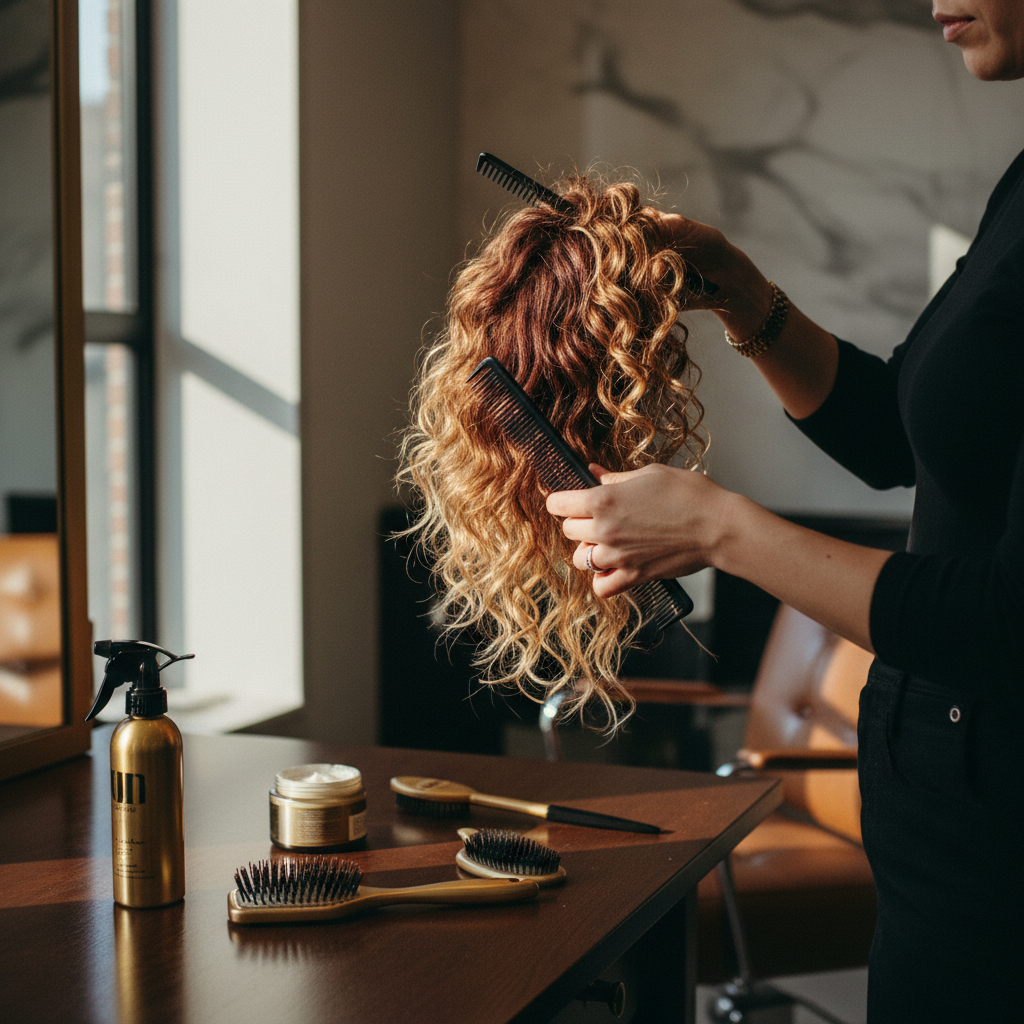
Quick answer: Learning how to detangle hair without damage involves a gentle, systematic approach, primarily on wet or damp hair, using appropriate tools and products to minimise friction and prevent mechanical breakage. The effectiveness of any method depends significantly on your hair's unique type, texture, and condition, with fine, fragile, or highly textured hair often requiring particular care and patience to avoid harm.
Key takeaways
- Wet or Damp Hair is Key: Always detangle hair when it's wet or damp and lubricated with a suitable product, as dry hair is more prone to snapping.
- Start from the Ends: Work from the ends upwards, in small sections, to prevent pushing tangles further together and causing more stress.
- Choose the Right Tools: A wide-tooth comb or a dedicated detangling brush is essential, and fingers can be the gentlest option for initial separation.
- Use Conditioners for Slip: Products like conditioners or detangling sprays reduce friction, allowing tools to glide through hair more easily.
- Patience Prevails: Rushing or forcing a comb through tangles is a primary cause of mechanical hair damage, leading to breakage.
- Preventative Measures Help: Regular trims, protective styling, and silk pillowcases can significantly reduce future tangling.
How to detangle hair without damage: what the evidence shows
Detangling hair is a common part of hair care routines, but doing it incorrectly can lead to significant mechanical damage, manifesting as hair breakage. The primary goal is to separate knotted strands with minimal friction and stress on the hair fibre. This is best achieved by working on wet or damp hair, which is more elastic and less prone to snapping than dry hair, and by using products that provide "slip" to reduce inter-fibre friction.
The hair shaft, composed primarily of keratin protein, is covered by an outer layer of overlapping cells called the cuticle. When hair becomes tangled, these cuticles can interlock, creating knots and snags. Forcing a comb or brush through these tangles can lift, chip, or even remove cuticle cells, weakening the hair shaft and making it vulnerable to breakage (Robbins, 2012). This is why understanding how to detangle hair without damage is crucial for maintaining hair health.
The mechanism of detangling without damage
When hair is wet, water molecules penetrate the hair shaft, temporarily breaking some of the hydrogen bonds that give hair its rigidity. This makes the hair more pliable and elastic, allowing it to stretch more before breaking (Franbourg et al., 2003). However, wet hair is also more fragile in some respects because the cuticle scales can be more easily lifted, making it susceptible to damage if handled roughly. This highlights the importance of combining wet hair with a lubricating product.
Conditioners, leave-in treatments, and detangling sprays work by depositing a thin film of conditioning agents (like cationic surfactants, fatty alcohols, and silicones) onto the hair surface. These ingredients reduce the coefficient of friction between hair strands and between the hair and styling tools. This "slip" allows knots to be gently separated and combs to glide through the hair, significantly reducing the force needed to detangle and, consequently, the risk of mechanical damage (Gavazzoni, 2012; Wolfram, 1999).
Signs of incorrect detangling
If you're not detangling correctly, you'll often see signs of mechanical damage. These include an increase in hair breakage, characterised by short pieces of hair with frayed or split ends, distinct from hair shedding (which involves the entire hair strand with a bulb at the root). You might also notice a rougher texture, increased frizz, and a lack of shine, all of which can indicate cuticle damage. Excessive hair on your comb or brush after detangling is another clear sign that too much force is being used.
What you can do to detangle hair without damage
Following a systematic and gentle approach is key. This process is applicable across most hair types, with adjustments for texture.
- Preparation is paramount: Begin by ensuring your hair is thoroughly wet or at least damp. Apply a generous amount of a good quality rinse-off conditioner, a leave-in conditioner, or a dedicated detangling spray. Ensure even distribution, particularly in areas prone to tangles. Allow the product to sit for a minute or two; this gives the conditioning agents time to coat the hair shaft and soften the knots.
- Sectioning for control: Divide your hair into manageable sections. For fine or short hair, 2 to 4 sections might suffice. For long, thick, curly, or Afro-textured hair, 4 to 8 sections, or even more, will allow for more effective and gentle detangling. Secure each section with a soft hair clip to prevent re-tangling.
- Start from the ends, work upwards: This is perhaps the most critical step. Always begin detangling at the very ends of a small subsection. Hold the hair section taut just above the tangle with one hand, then use your detangling tool with the other hand to gently comb downwards. This isolates the tangle and prevents you from pushing knots further up the hair shaft, which creates larger, more stubborn tangles and increases tension on the roots. Once the ends are free of tangles, move a few inches up the section and repeat, gradually working your way to the roots.
- Choose the right tools: Use your fingers first to gently separate larger knots. This provides the most tactile feedback and is often the gentlest method for initial separation, especially for fragile hair. Follow with a wide-tooth comb or a brush specifically designed for detangling (often with flexible bristles). Fine-tooth combs should be avoided for detangling as they can snag and break hair. Consider a paddle brush for longer, straighter hair to smooth and distribute product evenly after initial detangling. For very curly or Afro-textured hair, a detangling brush with widely spaced, flexible bristles can be particularly effective, as detailed in "How to Detangle Afro Hair Without Breakage: An Evidence-Based Guide".
- Patience and gentleness: Never pull, yank, or force your tool through a knot. If you encounter resistance, stop. Reapply more detangling product, use your fingers to gently work the knot apart, or switch to a different section and return to the stubborn area later. Detangling should be a slow, deliberate process.
- Rinse (if applicable): If you're using a rinse-out conditioner, rinse your hair thoroughly with cool water after detangling. Cool water helps to close the hair cuticle, which can reduce future tangling and enhance shine.
Comparison of detangling tools
Selecting the correct tools is paramount to a damage-free detangling process. Each tool offers distinct advantages depending on hair type and tangling severity.
| Tool Type | Ideal For | Benefits | Potential Drawbacks |
|---|---|---|---|
| Fingers | All hair types, especially fragile, curly, or very tangled hair | Most gentle, excellent tactile feedback, ideal for initial knot separation, minimal cuticle damage. | Slower process, less effective for very fine, dense tangles, may not fully smooth hair. |
| Wide-Tooth Comb | All hair types, especially wet hair, curly, or thick hair | Minimizes breakage due to widely spaced teeth, effective for working through larger sections, provides good slip. | Can still snag if used aggressively, less effective for smoothing very fine hair. |
| Detangling Brush | Curly, coily, thick, and fine hair prone to tangles | Flexible bristles reduce snagging, glides through tangles, reduces tension, often distributes product well. | May not be as effective for extremely dense or matted hair, some designs can be too stiff. |
| Paddle Brush | Longer, straighter hair, after initial detangling | Good for smoothing, helps distribute natural oils, can add shine. | Not suitable for initial detangling of knots, can cause significant breakage on tangled or curly hair. |
When the cause may be something else
Persistent tangling, even with careful detangling techniques, can sometimes indicate underlying issues. Hair damage from chemical treatments (like colouring, perms, or relaxers), excessive heat styling, or even environmental factors can lead to a compromised cuticle that snags more easily. Conditions like high hair porosity can also make hair more prone to tangling because the raised cuticle allows strands to interlock (Goh, 2020). If you notice a sudden increase in tangling, or if your hair feels unusually rough or brittle, it might be worth assessing your overall hair care routine and lifestyle factors.
When to get professional advice
If you find that your hair remains severely matted or tangled despite consistent, gentle efforts to detangle, or if you notice unusual hair loss (different from typical breakage), it may be beneficial to consult a dermatologist or a trichologist. They can diagnose underlying scalp or hair fibre conditions that might contribute to extreme tangling or fragility and provide tailored advice or treatments.
Frequently asked questions about How to detangle hair without damage
How often should I detangle my hair?
The frequency depends on your hair type and lifestyle. For most, detangling during each wash day (typically 2 to 3 times a week) is sufficient. Those with very curly or Afro-textured hair might find daily or every-other-day detangling beneficial, often incorporating a leave-in conditioner. Minimal detangling for straight hair often works well, focusing on preventing tangles in the first place. Avoiding over-manipulation is also crucial.
Can I detangle dry hair without damage?
Detangling dry hair significantly increases the risk of damage, especially if it's tangled. Dry hair lacks the elasticity of wet hair and is more brittle, making it prone to snapping when combed or brushed. If you must detangle dry hair, use a light detangling spray or oil to add some slip, and proceed with extreme gentleness, working in small sections from the ends upwards.
What products are best for detangling?
The best products provide "slip" to reduce friction. Rinse-out conditioners applied generously during washing are excellent. For post-wash or dry detangling, leave-in conditioners and dedicated detangling sprays are highly effective. For very coarse or Afro-textured hair, richer creams or oils can offer additional lubrication and moisture, aiding in how to detangle hair without damage.
Does detangling cause hair loss?
Detangling, when done correctly, should not cause true hair loss (which involves the hair follicle). However, aggressive or incorrect detangling can cause significant hair breakage, where the hair fibre snaps along the shaft. This can sometimes be mistaken for hair loss due to the amount of hair accumulating. Proper technique minimises breakage and helps distinguish it from normal hair shedding.
What if my hair is severely matted?
For severely matted hair, extreme patience is required. Saturate the matted section with a generous amount of conditioner or a rich oil (like coconut or olive oil) and let it soak for 15 to 30 minutes. Then, very gently, use your fingers to painstakingly tease apart small portions of the mat, working from the outer edges inwards. Avoid pulling. If unable to resolve it at home, seek a professional stylist experienced with severely matted hair.
Preventing future tangles
Beyond learning how to detangle hair without damage, adopting preventative measures can significantly reduce the occurrence of tangles. Regular trims every 6 to 8 weeks help remove split ends, which can snag and lead to knots (Robbins, 2012). Using protective styles, especially for long or curly hair, such as braids or buns, can minimise friction and environmental exposure. Sleeping on a silk or satin pillowcase reduces friction compared to cotton, preventing knotting overnight. Additionally, maintaining hair hydration through regular conditioning and moisturising treatments keeps the cuticle smooth and less prone to interlocking.
Watermans and Frojus for gentle detangling
Watermans hair care products are formulated with ingredients that support hair strength and manageability, which can indirectly aid in the detangling process by improving hair condition. Their conditioners, for example, are designed to provide slip and smooth the hair cuticle, making it easier to comb through. For Afro-textured, curly, or wavy hair, Frojus offers products specifically crafted to provide intense moisture and lubrication, essential for gentle detangling and minimising breakage in these hair types. Using these products as part of your detangling routine can contribute to healthier, more manageable hair.
Sources and references
- Franbourg, A., Hallegot, P., Baltenneck, F., Toutain, C., & Leroy, F. (2003). Current research on ethnic hair. Journal of the American Academy of Dermatology, 48(6 Suppl), S115-119.
- Gavazzoni, M. F. (2012). The Science of Hair Care. Allured Business Media.
- Goh, C. (2020). Hair and Scalp Treatments: A Practical Guide. CRC Press.
- Robbins, C. R. (2012). Chemical and Physical Behavior of Human Hair (5th ed.). Springer Science & Business Media.
- Wolfram, L. J. (1999). Human hair: a unique physicochemical composite. Journal of the American Academy of Dermatology, 41(2 Pt 2), S21-S26.