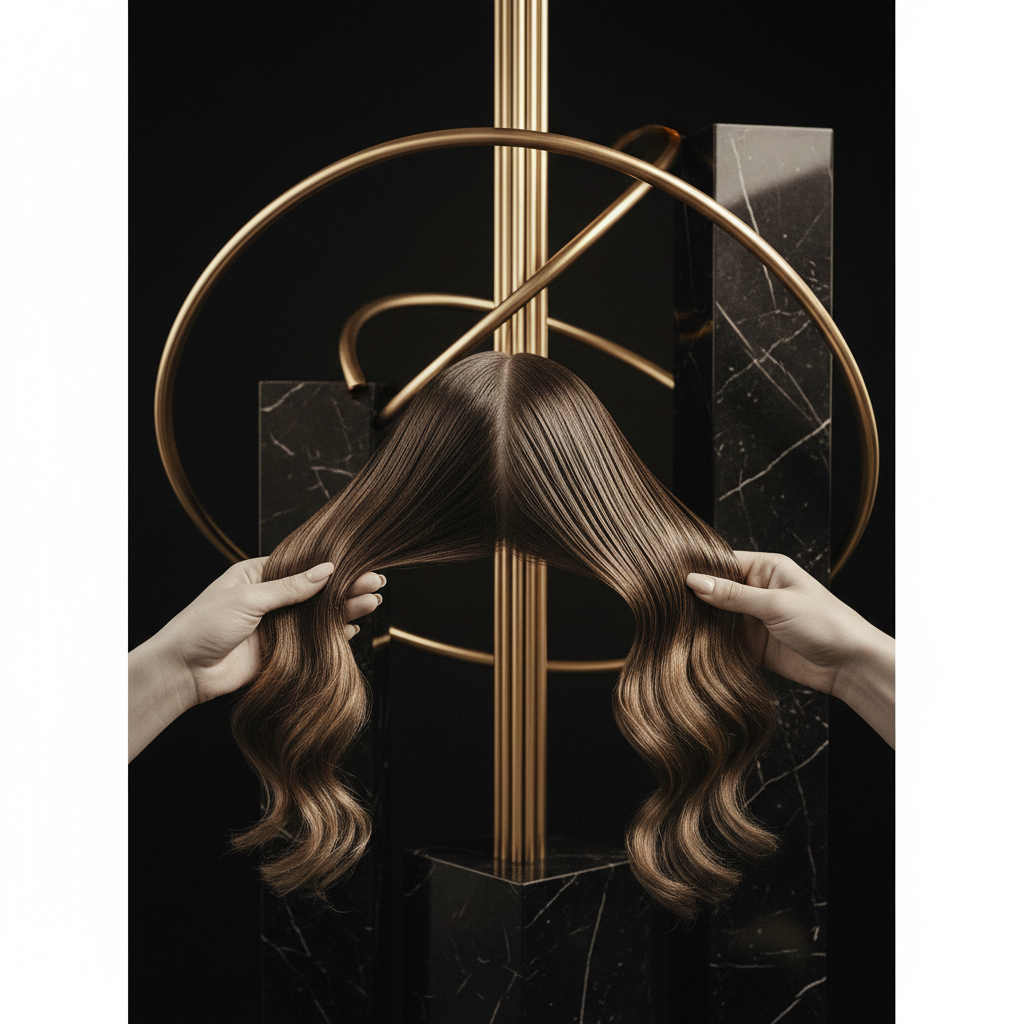
Hair Elasticity
Hair elasticity is the measure of how far a strand of hair can stretch before returning to its normal state or breaking, indicating its internal strength and resilience.
Hair elasticity is a key indicator of hair health, reflecting the ability of individual hair strands to stretch and then return to their original length without breaking. This property is crucial for maintaining the hair's structural integrity, allowing it to withstand styling, chemical treatments, and daily environmental stresses.
Understanding Hair Structure and Elasticity
The elasticity of hair is primarily determined by its internal protein structure, specifically the cortex. The cortex, the thickest layer of the hair shaft, is composed of keratin proteins arranged in long, twisted chains. These chains are linked by different types of bonds:
- Disulfide bonds: Strong, chemical bonds that contribute significantly to the hair's strength and shape. These bonds are permanently altered by chemical processes like perms and relaxers.
- Hydrogen bonds: Weaker, physical bonds that are easily broken by water and heat, and reform as the hair dries or cools. These bonds are responsible for temporary changes in hair shape, such as those achieved with heat styling.
- Salt bonds: Similar to hydrogen bonds, salt bonds are also weak and easily broken by changes in pH. They contribute to the hair's overall disulfide integrity.
When hair is stretched, these polypeptide chains in the cortex straighten out. Healthy hair, with adequate moisture and intact bonds, can stretch considerably before reaching its breaking point. Once the tension is released, the bonds pull the hair back to its original coiled or straight state.
Factors Affecting Hair Elasticity
Several factors can influence hair elasticity, impacting its health and manageability.
Moisture Content
Adequate moisture is paramount for good elasticity. Water acts as a plasticizer, allowing the keratin proteins to stretch without immediately fracturing. When hair is dehydrated, it becomes brittle and stiff, leading to reduced elasticity and an increased likelihood of breakage.
Chemical Treatments
Chemical processes such as coloring, bleaching, perming, and relaxing can significantly compromise hair elasticity. These treatments often involve chemicals that penetrate the hair shaft, altering or breaking the disulfide bonds within the cortex. Over-processing or repeated chemical services can severely weaken the hair, leading to a permanent reduction in elasticity.
Heat Styling
Excessive heat from styling tools like flat irons, curling irons, and blow dryers can damage the hair's protein structure and remove essential moisture. This heat damage can lead to a loss of elasticity, making the hair more prone to breakage and split ends.
Mechanical Stress
Rough handling, aggressive brushing, tight hairstyles, and friction from certain fabrics can all contribute to mechanical damage. This constant stress can weaken the hair fibers over time, diminishing their ability to stretch and rebound.
Nutritional Deficiencies
Hair growth and health rely on a steady supply of nutrients. Deficiencies in vitamins, minerals, and proteins can compromise the production of healthy keratin, leading to weaker hair with reduced elasticity.
Environmental Factors
Exposure to harsh environmental elements like strong UV radiation, chlorine from swimming pools, and saltwater can also degrade hair proteins and strip moisture, negatively impacting elasticity.
Testing Hair Elasticity (The Stretch Test)
A simple "stretch test" can help assess hair elasticity:
- Isolate a single strand: Gently pull a shed hair strand or carefully pluck one from a less visible area.
- Wet the strand: Ensure the strand is damp, as dry hair will have lower elasticity.
- Gently stretch: Hold both ends of the strand and gently pull. Observe how far it stretches before it breaks or returns.
Interpreting the Results
| Observation | Interpretation |
|---|---|
| Stretches significantly (up to 50%) and returns to original length. | Good Elasticity: Hair is healthy, well-hydrated, and strong. |
| Stretches slightly and breaks quickly. | Low Elasticity/Brittle: Hair is likely dry, damaged, or protein-deficient. |
| Stretches a lot, but does not return to original length. | Poor Elasticity/Over-moisturized (Hygral Fatigue): Hair may be weakened, potentially from excessive moisture or protein loss. |
It is important to note that this is a qualitative test and professional assessment can provide more detailed insights.
Improving and Maintaining Hair Elasticity
Strategies to improve and maintain hair elasticity revolve around providing adequate moisture, protecting against damage, and nurturing healthy hair growth.
Hydration and Moisturization
Regular use of moisturizing conditioners, deep conditioning treatments, and leave-in conditioners is crucial. Ingredients like humectants (e.g., glycerin, hyaluronic acid) attract and hold moisture, while emollients (e.g., natural oils, silicones) help seal it in. Aim for deep conditioning once a week or bi-weekly, depending on hair needs.
Protein Treatments (Balance is Key)
Because hair is primarily protein, protein treatments can help reinforce the hair structure, particularly if elasticity is compromised due to damage or protein loss. However, an overuse of protein can lead to stiff, brittle hair with reduced elasticity. The goal is balance. Look for hydrolysed proteins (e.g., hydrolysed wheat protein, keratin) which are small enough to penetrate the hair shaft. Protein treatments should be followed by a moisturizing conditioner.
Gentle Handling and Styling
Minimize vigorous brushing, especially on wet hair which is more fragile. Use wide-tooth combs or detangling brushes. Avoid excessively tight hairstyles that pull on the hair roots and strands. When heat styling, use a heat protectant spray to create a barrier and reduce thermal damage. Opt for lower heat settings and air dry when possible.
Avoid or Limit Chemical Damage
Space out chemical treatments to allow the hair to recover. If undergoing chemical services, choose experienced professionals and prioritize bond-building treatments before, during, and after to mitigate damage. For example, treatments containing maleic acid or bis-aminopropyl diglycol dimaleate can help repair and protect disulfide bonds.
Balanced Diet
Consume a diet rich in vitamins (especially A, C, D, E, B-vitamins), minerals (iron, zinc), and proteins (lean meats, fish, legumes) to support healthy hair growth from the inside out. Biotin, a B-vitamin, is particularly known for its role in keratin infrastructure.
pH-Balanced Products
Using products with a pH range of 4.5-5.5 (slightly acidic) helps to keep the hair cuticle closed and flat, which protects the inner cortex and better retains moisture and proteins, thereby improving elasticity. Shampoos and conditioners that are too alkaline can raise the cuticle, leading to moisture loss and increased vulnerability.
Good hair elasticity is a hallmark of healthy, resilient hair. By understanding the factors that influence it and adopting a consistent regimen of proper care, individuals can significantly improve and maintain the quality and strength of their hair.
Find these ingredients in Watermans products
- Biotin — you will find this ingredient in our Hair Growth Shampoo.
- Zinc — you will find this ingredient in our Hair Vitamins.
- Wheat Amino Acids — you will find this ingredient in our Heat Protection Spray.