Hair Chemistry: Understanding the Building Blocks of Healthy Hair
3 min read ·
Hair chemistry delves into the molecular composition and structural bonds of hair, explaining how its unique chemical makeup dictates its strength, elasticity, and overall health.
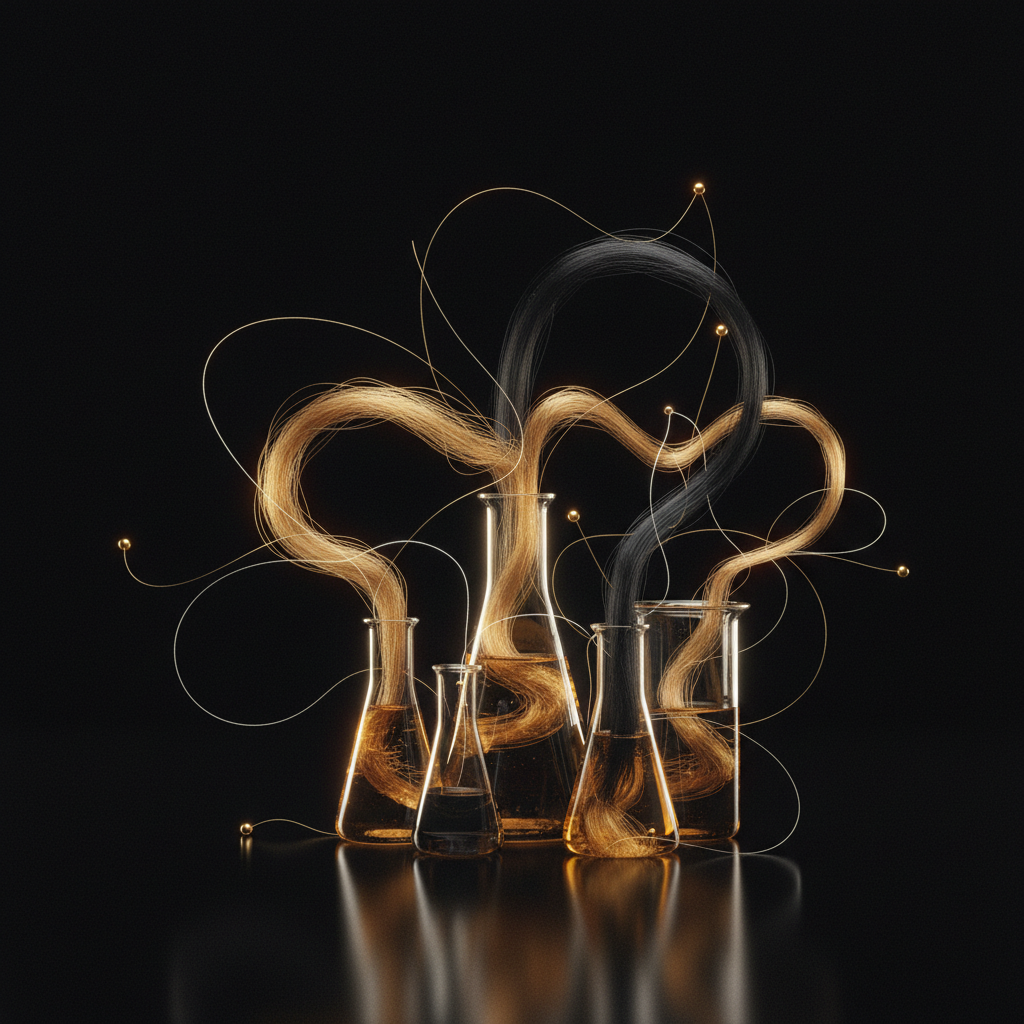
Quick answer: Hair chemistry refers to the study of the molecular structure and chemical reactions that define hair's properties, primarily focusing on keratin protein, water content, lipids, and minerals. Understanding this intricate Hair Chemistry helps explain hair's strength, elasticity, and how it responds to various treatments and environmental factors, though individual responses can vary significantly due to genetic and environmental influences.
Key takeaways
- Hair is predominantly made of keratin protein, with its strength and flexibility largely determined by the specific chemical bonds within this protein.
- Disulfide bonds are crucial for hair's structural integrity and permanent shape changes, while hydrogen and salt bonds contribute to temporary styling and strength.
- The natural slightly acidic pH of hair (around 4.5 to 5.5) is vital for maintaining a closed cuticle, preserving moisture, and protecting against damage.
- Chemical treatments, heat styling, and environmental factors can alter hair's chemical bonds and structure, potentially leading to damage.
- Understanding your hair's porosity, which is influenced by its chemical structure, helps in choosing appropriate care products.
Hair Chemistry: What the Evidence Shows
Hair chemistry explores the fundamental components and molecular architecture of the hair fibre, revealing how these elements interact to give hair its characteristic properties. At its core, hair is a complex biological fibre primarily composed of a protein called keratin. This intricate chemical makeup dictates everything from hair's natural strength and elasticity to how it reacts to water, styling products, and chemical treatments.
The Building Blocks: Keratin and Its Bonds
Hair is approximately 80 to 90% keratin, a fibrous protein also found in skin and nails. This keratin is not a single molecule but a family of proteins that form a robust structure. The remaining composition includes water (5 to 15%), lipids (1 to 9%), melanin (the pigment that gives hair its colour), and trace elements.
The strength and flexibility of hair are largely determined by the type and integrity of the chemical bonds within and between these keratin protein chains:
- Peptide Bonds: These are strong covalent bonds linking individual amino acids together to form the long polypeptide chains of keratin. They are stable and not easily broken by common hair treatments.
- Disulfide Bonds (Cystine Bonds): These are strong covalent bonds formed between two sulfur atoms of cysteine amino acids. Disulfide bonds are fundamental to hair's structural stability and elasticity. They are resistant to water and heat but can be broken and reformed through chemical processes like perming, relaxing, or permanent straightening. When broken and reset, they permanently change the hair's natural shape. These bonds are responsible for a significant portion of hair's strength.
- Hydrogen Bonds: These are weaker, temporary bonds that form between adjacent keratin chains. They are easily broken by water (when hair gets wet) and heat. This temporary breakage allows hair to be styled or reshaped, reforming as the hair dries or cools. Hydrogen bonds contribute to about one-third of hair's dry strength.
- Salt Bonds (Ionic Bonds): Also weak and temporary, salt bonds form between positively and negatively charged areas on the amino acid side chains within keratin. Like hydrogen bonds, they are easily disrupted by changes in pH (acidity or alkalinity) and reform when the pH is normalised. They also contribute to approximately one-third of hair's dry strength.
The Role of pH in Hair Chemistry
Understanding pH (potential of hydrogen) is crucial in hair chemistry, as it directly impacts the hair cuticle. The pH scale measures acidity or alkalinity from 0 (highly acidic) to 14 (highly alkaline), with 7 being neutral. Healthy hair and scalp naturally maintain a slightly acidic pH, typically ranging from 4.5 to 5.5. This natural acidity helps to keep the hair
Where Watermans fits
If you want a routine built around the science above, these are the products from the range that apply here: