Water Hardness and Hair
4 min read ·
Hard water, characterized by high mineral content, can significantly impact hair health and appearance, leading to issues such as dryness, dullness, and breakage.
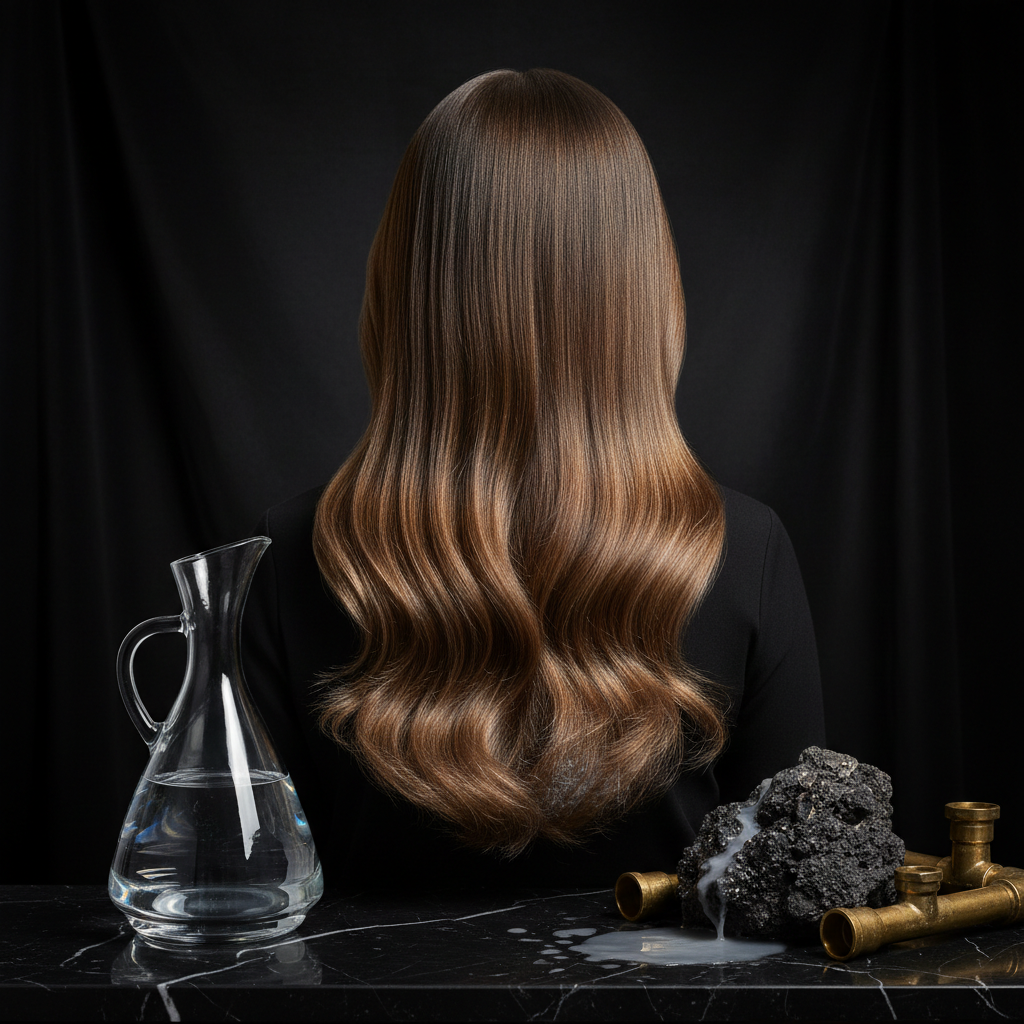
Understanding Water Hardness
Water hardness refers to the concentration of dissolved minerals, primarily calcium and magnesium ions, in a water supply. Water becomes "hard" as it percolates through mineral-rich soil and rocks, dissolving these compounds. The level of hardness is typically measured in grains per gallon (gpg) or parts per million (ppm).
Water hardness classifications are generally as follows:
- Soft Water: Less than 1 gpg (0-17 ppm)
- Slightly Hard Water: 1 to 3.5 gpg (17-60 ppm)
- Moderately Hard Water: 3.5 to 7 gpg (60-120 ppm)
- Hard Water: 7 to 10.5 gpg (120-180 ppm)
- Very Hard Water: Over 10.5 gpg (180+ ppm)
These minerals are harmless for consumption, but their interaction with hair and scalp can lead to various cosmetic and structural problems.
How Hard Water Affects Hair
When hard water comes into contact with hair, the dissolved minerals attach to the hair shaft. This accumulation, often referred to as "mineral buildup" or "hard water residue," can create a range of adverse effects.
Hair Dryness and Dullness
The mineral buildup on the hair surface can prevent moisture from penetrating the hair shaft, leading to dehydration. The minerals create a rough texture, interfering with the hair's natural ability to reflect light, resulting in a dull, lifeless appearance. This can be exacerbated by the interaction of minerals with hair products; for instance, the calcium and magnesium ions react with the fatty acids in shampoos and conditioners to form a sticky, insoluble residue, making it difficult to rinse products completely from the hair.
Scalp Irritation and Flakiness
Hard water residue can also accumulate on the scalp, potentially clogging hair follicles and preventing the scalp's natural oils (sebum) from performing their protective function. This can lead to dryness, itchiness, and an increased propensity for flakiness or irritation.
Hair Breakage and Weakness
Over time, the mineral deposits can make the hair more brittle and less pliable. The rough outer layer due to mineral accumulation increases friction between hair strands, making it more susceptible to tangles and mechanical damage. This can lead to increased breakage, especially during brushing or styling.
Colour Fading
For colour-treated hair, hard water can accelerate colour fading. The minerals can react with the colour molecules, causing them to oxidize and break down more quickly, altering the intended shade and diminishing vibrancy.
Identifying Hard Water
Beyond direct observation of hair condition, several indicators can signal the presence of hard water in your home:
- Soap Scum: Noticeable white, chalky residue on showerheads, faucets, sinks, and bathtubs.
- Poor Lathering: Shampoos and soaps will not lather as easily, requiring more product to achieve the desired cleansing effect.
- Clothes Stains: Laundry may appear dingy, stiff, or develop mineral stains despite thorough washing.
Simple home testing kits are available to measure water hardness, providing a precise gpg or ppm reading.
Solutions for Managing Hard Water Effects
Addressing the effects of hard water on hair involves several strategies, ranging from water treatment to specialized haircare products.
Water Softening Systems
For a comprehensive solution, a whole-house water softening system can be installed. These systems typically use an ion exchange process to remove calcium and magnesium ions from the water, replacing them with sodium ions. This effectively transforms hard water into soft water, benefiting both hair and plumbing.
Shower Filters
Shower filters are a more localized and often more accessible option. These filters attach directly to the showerhead and use various filtration media, such as activated carbon, KDF (Kinetic Degradation Fluxion) media, or resins, to reduce chlorine, heavy metals, and some minerals. While generally less effective than whole-house softeners for mineral removal, they can still significantly mitigate the impact of hard water on hair and skin.
Chelating Shampoos
A chelating shampoo (also known as a clarifying or detox shampoo) is formulated with chelating agents, such as EDTA (ethylenediaminetetraacetic acid) or phytic acid. These ingredients bind to mineral ions, effectively lifting them from the hair shaft and allowing them to be rinsed away. Consistent use can prevent buildup and restore hair's natural softness and shine. It is generally recommended to use such shampoos sparingly, typically once a week or bi-weekly, to avoid over-stripping the hair.
Acidic Rinses
An acidic rinse, such as a diluted apple cider vinegar solution, can help to close the hair cuticle and remove some mineral buildup. The acidity helps to dissolve alkaline mineral deposits. A typical ratio is one part apple cider vinegar to four parts water, applied after shampooing and before conditioning, followed by a thorough rinse.
Preventing Future Buildup
Beyond remedial treatments, proactive measures can help to maintain hair health in hard water environments:
- Regular Chelating Treatments: Incorporate a chelating shampoo into your routine as needed, based on your water hardness and hair's response.
- Dilute Hair Products: For some, diluting shampoos and conditioners slightly with distilled water can help them distribute more evenly and rinse more cleanly, reducing potential residue.
- Rinse Thoroughly: Ensure all hair products are thoroughly rinsed from the hair. The slick feeling often associated with conditioned hair is normal, but any gritty or heavy residue suggests incomplete rinsing.
By understanding the nature of water hardness and implementing appropriate strategies, individuals can minimise its negative effects and maintain healthier, more vibrant hair.