Types of Hair Conditioners
5 min read ·
Hair conditioners are formulations designed to improve the feel, appearance, and manageability of hair by addressing concerns like dryness, damage, and frizz.
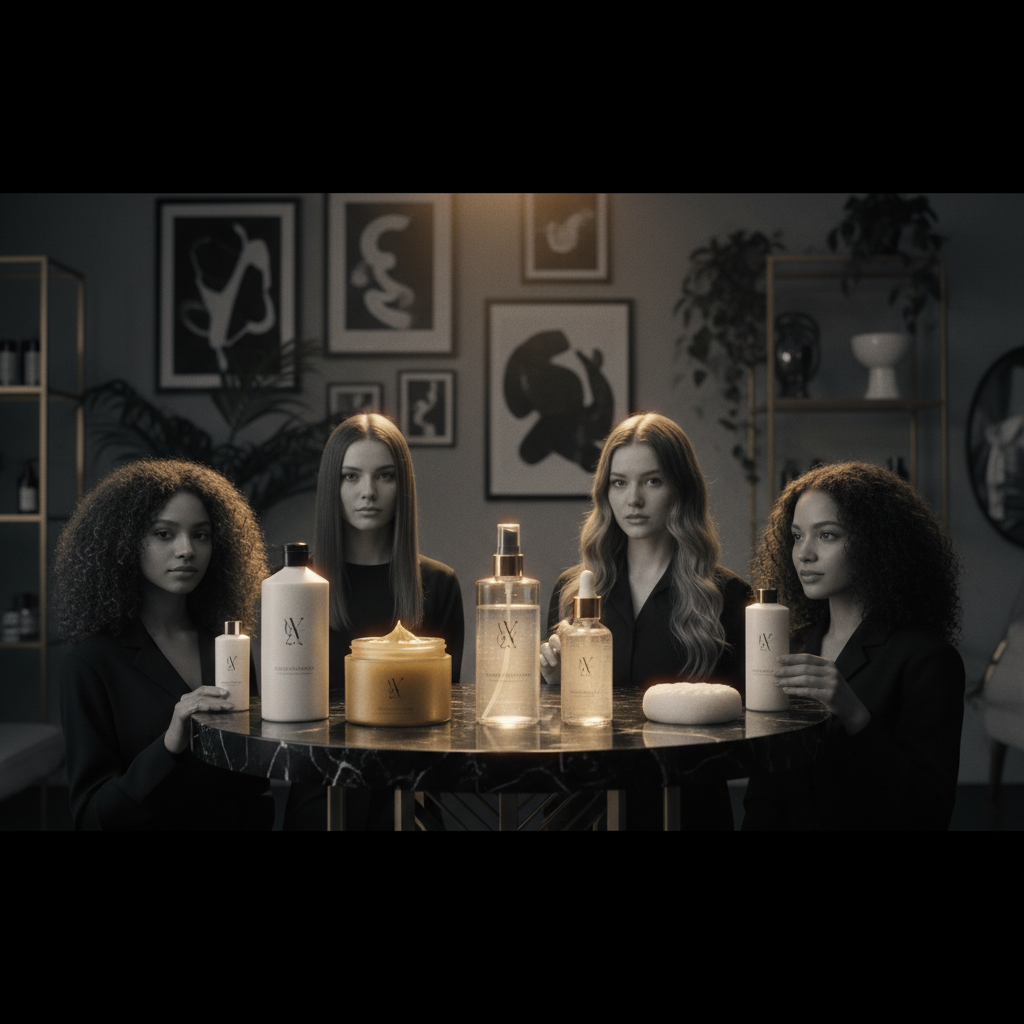
Understanding Hair Conditioners
Hair conditioner is a popular hair care product used to improve the texture and appearance of hair. Conditioners work by depositing various ingredients onto the hair shaft, which then smooth the cuticle, add moisture, and reduce static electricity. The primary goal is to make hair softer, shinier, and easier to comb.
The cuticle is the outermost layer of the hair shaft, composed of overlapping, scale-like cells. When hair is healthy, these scales lie flat, creating a smooth surface that reflects light. Damage, chemical treatments, and even harsh brushing can lift these scales, leading to rough, dull, and tangled hair. Conditioners help to reseal the cuticle, restoring a smoother surface.
How Conditioners Work
Conditioners typically contain cationic surfactants, which have a positive charge. Hair, especially when damaged, tends to carry a negative charge. This difference in charge creates an electrostatic attraction, allowing the conditioner to adhere to the hair shaft. Once applied, these positive charges neutralise the negative charges on the hair, reducing static and frizz.
Key ingredients commonly found in conditioners include:
- Humectants: Attract and retain moisture from the air, hydrating the hair. Examples include glycerin and panthenol.
- Emollients: Soften and smooth the hair by filling in gaps in the cuticle. Examples include fatty alcohols (like cetyl alcohol) and oils.
- Proteins: Temporarily strengthen the hair shaft by filling in weak spots. Examples include hydrolyzed wheat protein and keratin.
- Silicones: Form a thin coating on the hair, providing slip, shine, and heat protection. Examples include dimethicone and cyclomethicone.
- Acidifiers: Help to flatten the cuticle by adjusting the pH of the hair. Hair’s natural pH is slightly acidic, typically between 4.5 and 5.5. Most conditioners are formulated to be slightly acidic to help restore this balance.
Categories of Hair Conditioners
Conditioners are broadly categorized based on their application method, duration of action, and intended purpose.
Rinse-Out Conditioners
Rinse-out conditioners are the most common type. They are applied immediately after shampooing, left on for a few minutes, and then thoroughly rinsed from the hair. Their primary function is to rehydrate, detangle, and smooth the hair after cleansing, which can sometimes strip natural oils.
- Application: Applied to wet hair after shampooing.
- Duration: Left on for 1-5 minutes.
- Benefits: Daily conditioning, detangling, improved manageability.
- Hair Types: Suitable for most hair types, especially normal to oily hair.
Leave-In Conditioners
Leave-in conditioners are applied to wet or damp hair after washing and are not rinsed out. They provide continuous conditioning and protection throughout the day. These are particularly beneficial for dry, damaged, or frizzy hair, offering ongoing moisture and helping to protect against environmental stressors.
- Application: Applied to damp hair; not rinsed.
- Duration: Stays in the hair until the next wash.
- Benefits: Continuous hydration, frizz control, heat protection, detangling, UV protection.
- Hair Types: Ideal for dry, damaged, curly, or colour-treated hair.
Deep Conditioners (Hair Masques/Treatments)
Deep conditioners, often referred to as hair masques or treatments, are intensive conditioning products designed to provide a higher concentration of nourishing and reparative ingredients. They are typically left on the hair for a longer period (10-30 minutes) and may require heat to enhance penetration.
- Application: Applied to clean, damp hair; often left on for an extended period.
- Duration: 10-30 minutes, sometimes longer.
- Benefits: Intense repair, deep hydration, strengthening, improved elasticity.
- Hair Types: Highly recommended for very dry, damaged, chemically treated, or brittle hair.
Cleansing Conditioners (Co-wash)
Cleansing conditioners, or co-washes, combine the functions of shampoo and conditioner into a single product. They contain mild cleansing agents along with conditioning ingredients, designed to cleanse the hair without stripping its natural oils. This method is popular among individuals with dry, curly, or coily hair who find traditional shampoos too harsh.
- Application: Used in place of shampoo and conditioner.
- Duration: Massaged into hair and scalp, then rinsed.
- Benefits: Gentle cleansing, moisture retention, reduced frizz.
- Hair Types: Best for dry, curly, coily, or textured hair.
Spray Conditioners
Spray conditioners offer a lightweight form of conditioning, often used for quick detangling or to provide a light mist of moisture and shine. They come in both rinse-out and leave-in formulations, with leave-in sprays being more common for on-the-go refreshment.
- Application: Sprayed onto wet or dry hair.
- Duration: Varies; quick rinse or leave-in.
- Benefits: Lightweight conditioning, detangling, shine, refreshment.
- Hair Types: Finer hair, or for quick touch-ups on all hair types.
Choosing the Right Conditioner
Selecting the appropriate conditioner depends largely on your hair type, concerns, and desired results. Consider the following:
- Fine Hair: Opt for lightweight rinse-out or spray conditioners that won't weigh down strands. Look for volumizing formulations.
- Thick/Coarse Hair: Richer, heavier rinse-out or leave-in conditioners are beneficial for added moisture and smoothing.
- Dry/Damaged Hair: Deep conditioners and leave-ins with humectants, emollients, and proteins are essential for repair and hydration.
- Oily Hair: Focus on balancing or clarifying conditioners applied primarily to the ends of the hair. Avoid heavy formulations near the roots.
- Colour-Treated Hair: Conditioners specifically formulated for colour-treated hair help protect against fading and add shine. They often contain UV filters.
- Curly/Coily Hair: Leave-ins and co-washes are excellent for maintaining moisture, defining curls, and reducing frizz without disturbing the natural curl pattern.
Remember, the goal of conditioning is to restore balance and improve the manageability and appearance of your hair. Understanding the different types available allows for a more targeted and effective hair care routine. Many individuals find that using a combination of conditioner types, for instance, a daily rinse-out conditioner supplemented by a weekly deep conditioning treatment, yields the best results for their specific hair needs.
Find these ingredients in Watermans products
- Panthenol (Provitamin B5), you will find this ingredient in our Heat Protection Spray.