How to Reduce Frizz in Hair: An Evidence-Based Guide
12 min read ·
Learning how to reduce frizz in hair involves understanding its causes, primarily humidity and hair damage, and implementing a consistent routine of hydration, cuticle-smoothing products, and gentle handling.
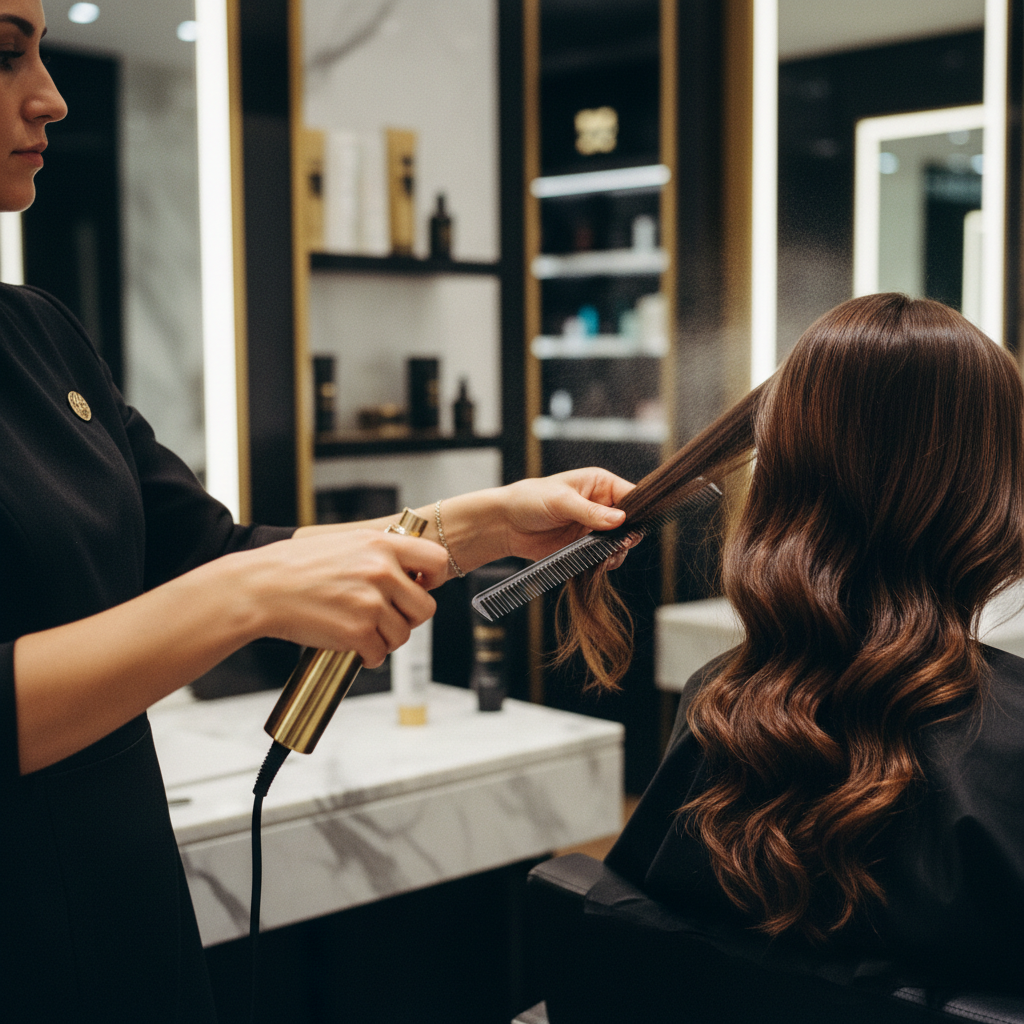
Quick answer: Learning how to reduce frizz in hair primarily involves managing the hair's interaction with humidity and addressing cuticle damage. Frizz occurs when the hair's outer layer, the cuticle, lifts, allowing moisture to enter and swell the hair fibre. Effective strategies focus on hydration, using products that smooth the cuticle, and gentle handling. However, complete elimination of frizz, especially in high humidity, can be challenging due to hair's natural structure and environmental factors.
Key takeaways
- Frizz is often caused by a raised hair cuticle, which allows atmospheric moisture to penetrate and swell the hair fibre.
- Humidity is a major environmental factor, driving hair to absorb moisture from the air when its internal moisture levels are lower.
- Hair damage, from chemical treatments, heat styling, or mechanical stress, can exacerbate frizz by compromising the cuticle.
- Effective strategies to reduce frizz focus on hydrating the hair, smoothing the cuticle, and protecting it from humidity.
- Gentle hair care practices, from washing to drying and styling, are crucial for minimising cuticle damage.
- Regular trims help remove split ends, which can contribute to frizz and further hair damage.
How to reduce frizz in hair: what the evidence shows
Frizz is a common hair concern, characterised by strands that appear unruly, coarse, and undefined. The underlying mechanism involves the hair's cuticle, its outermost protective layer. When the cuticle is lifted or damaged, the hair fibre becomes more porous and readily absorbs moisture from the air, especially in humid conditions. This absorption causes the hair shaft to swell unevenly, leading to the characteristic frizzy appearance.
Research indicates that hair with a higher porosity (meaning a more open or damaged cuticle) is more susceptible to frizz. Factors like chemical treatments (colouring, perming), excessive heat styling, and even aggressive brushing can damage the cuticle, making the hair more prone to frizz. Environmental humidity plays a significant role; hair naturally seeks to balance its internal moisture content with that of the surrounding air. When humidity is high, hair with a compromised cuticle will rapidly absorb this moisture, leading to swelling and frizz.
The role of humidity and hair hydration
The hair fibre is hygroscopic, meaning it readily absorbs and releases water. The amount of water absorbed depends on the relative humidity of the environment and the hair's internal moisture content. When the air is humid, water molecules penetrate the hair shaft, particularly through a raised cuticle. This causes the cortical cells inside the hair to swell at different rates, leading to twisting and bending, which we perceive as frizz.
Well-hydrated hair, with a healthy, intact cuticle, is better equipped to resist the effects of humidity. When the hair's internal moisture is balanced, it absorbs less additional water from the atmosphere. This is why maintaining hair hydration is a cornerstone of frizz reduction. Products designed to moisturise and seal the cuticle create a protective barrier, limiting the ingress of atmospheric moisture.
Hair structure and frizz
Different hair types are predisposed to frizz based on their structural characteristics. Curly and coily hair types naturally have an elliptical or flat shape, which makes the cuticle less compact and more prone to lifting compared to straight hair. The twists and turns in curly hair also create more opportunities for the cuticle to lift, further contributing to frizz.
Fine hair can also experience frizz, even if it appears less prone. The individual strands may be more susceptible to environmental factors due to their smaller diameter. Understanding your hair's porosity (its ability to absorb and retain moisture) is key. High porosity hair, often a result of damage, tends to frizz more easily because its cuticles are widely open.
What the evidence does not show about frizz
There is no scientific evidence to suggest that drinking more water directly reduces frizz in the hair shaft itself. While overall body hydration is vital for general health, the moisture content of hair is primarily influenced by topical application of water and hair products, as well as environmental humidity. Similarly, while specific diets contribute to overall hair health, no particular food or supplement has been scientifically proven to directly eliminate frizz.
Claims that specific water types (e.g., hard water) directly cause frizz are often anecdotal. While hard water minerals can build up on hair, making it feel dry and potentially contributing to breakage, leading to a frizzy appearance, the direct mechanism of frizz (cuticle lifting due to humidity) is not directly caused by water hardness itself. However, mineral build-up can make the hair feel rough and impede its ability to absorb beneficial moisture from conditioners, indirectly exacerbating frizz.
What you can do to reduce frizz in hair
Successfully tackling frizz involves a multi-pronged approach that focuses on hydration, cuticle care, and protection from humidity. The goal is to smooth the cuticle, lock in moisture, and prevent atmospheric water from entering the hair shaft.
1. Gentle cleansing and conditioning
Start with a sulfate-free shampoo to avoid stripping natural oils that keep hair moisturised. Sulfates, common in many shampoos, can create a harsh cleansing action that removes too much sebum, leading to dryness and a raised cuticle. Focus shampoo on the scalp, allowing the lather to rinse down the hair without vigorous scrubbing. Follow with a rich, hydrating conditioner, concentrating on mid-lengths and ends. Leave it on for the recommended time to allow humectants and emollients to penetrate. Rinsing with cool or lukewarm water can help seal the cuticle.
2. Microfiber drying
Instead of rubbing hair vigorously with a terry cloth towel, gently squeeze excess water with a microfiber towel or an old cotton t-shirt. This reduces friction, which can lift the cuticle and contribute to frizz. Patting the hair dry helps maintain the cuticle's smooth alignment.
3. Leave-in products and styling
Apply a leave-in conditioner to damp hair. These products provide a continuous layer of moisture and often contain ingredients that help to smooth the cuticle. For curly and wavy hair, a styling cream or gel can help define curl patterns and form a "cast" that locks out humidity as the hair dries. Look for products containing humectants like glycerin or hyaluronic acid, which draw moisture into the hair, and occlusives like shea butter or oils, which seal it in. Always apply products evenly from mid-lengths to ends.
4. Air drying or diffusing
Wherever possible, allow hair to air dry, minimising heat exposure. If you must use a hairdryer, attach a diffuser. Diffusers disperse airflow, reducing direct blast and preserving the hair's natural pattern. Use a low heat and speed setting. Avoid touching your hair excessively while it's drying, as this can disturb the cuticle and create frizz.
5. Overnight protection
Sleeping on a silk or satin pillowcase or wrapping hair in a silk scarf reduces friction between your hair and the fabric. Cotton pillowcases can draw moisture from the hair and cause mechanical damage to the cuticle, leading to frizz. Silk and satin create a smoother surface, preserving hair's moisture and reducing cuticle disturbance.
6. Regular trims
Split ends are frayed portions of the hair shaft that occur when the cuticle is extensively damaged. These damaged ends can travel up the hair shaft, making the hair appear frizzy and rough. Regular trims, typically every 6 to 8 weeks, remove split ends, preventing further damage and promoting healthier-looking hair that is less prone to frizz.
7. Product selection
Choosing products designed for frizz control is crucial. Look for terms like "anti-frizz," "smoothing," "hydrating," or "moisturising" on labels. Ingredients such as silicones, natural oils (argan, coconut, jojoba), shea butter, and hydrolysed proteins can help to smooth the cuticle and provide a barrier against humidity. For those with afro-textured hair, specifically formulated products, such as those from Frojus, often contain richer emollients and humectants to cater to the hair's unique moisture needs.
Frizz-Reducing Ingredients: A Comparison
| Ingredient Type | Function in Frizz Reduction | Examples | Hair Benefits | Notes |
|---|---|---|---|---|
| Humectants | Attract and draw moisture from the air into the hair, enhancing hydration. | Glycerin, Propylene Glycol, Panthenol, Hyaluronic Acid, Aloe Vera | Improved elasticity, softness, reduced dryness, can make hair feel more pliable. | Can draw too much moisture in very high humidity, potentially leading to more frizz if not balanced with occlusives. Effective in moderate humidity. |
| Emollients | Fill gaps in the hair cuticle, smoothing the surface and providing flexibility. | Fatty alcohols (Cetyl, Stearyl), Esters (Isopropyl Myristate), Squalane | Adds shine, detangles, reduces friction, makes hair feel smoother and softer. | Essential for reducing the rough feel of frizzy hair and improving manageability. |
| Occlusives | Form a protective barrier on the hair surface, preventing moisture loss and blocking humidity. | Silicones (Dimethicone, Cyclopentasiloxane), Mineral Oil, Petrolatum, Natural Oils (Shea Butter, Argan Oil, Jojoba Oil) | Seals in moisture, creates a smooth, glossy surface, protects against humidity, enhances slip. | Can sometimes lead to build-up if not clarified regularly. Essential for preventing environmental moisture from penetrating the hair shaft. |
| Proteins | Temporarily strengthen the hair shaft and repair minor cuticle damage. | Hydrolysed Wheat Protein, Keratin, Silk Protein, Collagen | Improved hair strength, reduced breakage, enhanced elasticity, can make hair feel fuller. | Use in moderation; too much protein can make hair feel stiff or brittle for some hair types. Important for damaged hair that is prone to frizz. |
When frizz may be a sign of something else
While frizz is commonly a cosmetic concern related to humidity and hair condition, persistent or sudden changes in frizziness might occasionally signal other issues:
- Significant Hair Damage: If your hair has recently undergone extensive chemical processing (bleaching, perming, relaxing) or prolonged heat styling, severe frizz could indicate significant damage to the hair's internal structure, not just the cuticle. This level of damage requires intensive repair treatments and professional advice.
- Changes in Hair Health: Sometimes, a noticeable increase in frizz without obvious external causes could be linked to overall hair health changes. For example, some individuals report changes in hair texture, including increased frizz, due to hormonal shifts (e.g., pregnancy, menopause) or certain medical conditions that affect hair quality. However, scientific evidence directly linking these to frizz as a primary symptom is limited.
- Incorrect Product Usage: If you've recently changed your haircare routine or are using products that are too harsh or not suitable for your hair type, increased frizz can be a clear indicator that the products are stripping your hair of essential moisture or causing cuticle damage.
When to get professional advice
If you've tried various methods on how to reduce frizz in hair and are still struggling, or if your frizz is accompanied by other hair concerns like excessive breakage, unusual hair shedding, or significant scalp irritation, it may be beneficial to consult a professional. A trichologist or a dermatologist can help identify underlying causes, such as severe cuticle damage, scalp conditions, or nutritional deficiencies that might be contributing to persistent frizz and overall hair health issues.
They can also provide tailored advice on product choices, treatment plans, and gentle styling techniques that are specific to your hair type and condition. Sometimes, professional-grade treatments designed to deeply hydrate and repair the hair shaft can be more effective than at-home remedies for severe cases of frizz.
Frequently asked questions about How to reduce frizz in hair
How does humidity make hair frizzy?
Humidity makes hair frizzy because hair is hygroscopic, meaning it absorbs moisture from the air. When the air is humid, water molecules penetrate the hair shaft, especially if the outer layer (cuticle) is raised or damaged. This causes the hair fibres to swell unevenly and twist, leading to a disordered, frizzy appearance. Well-hydrated hair with a smooth cuticle is less prone to absorbing excess atmospheric moisture.
Can diet impact hair frizz?
While a balanced diet is crucial for overall hair health and growth, there is no direct scientific evidence to suggest that specific dietary changes can directly reduce existing hair frizz. Frizz is primarily a structural and environmental issue related to hair's moisture content and cuticle integrity. However, consuming nutrient-rich foods supports the health of new hair growth, which may be less prone to damage and therefore less frizzy.
Is it better to air dry or blow dry frizzy hair?
Generally, air drying is preferred for frizzy hair because it minimises heat exposure, which can further damage the cuticle and increase frizz. If blow-drying, using a diffuser attachment on a low heat and speed setting is crucial. A diffuser helps to disperse the airflow gently, protecting the hair's cuticle and promoting defined patterns, especially for curly or wavy hair, thereby preventing frizz.
Why is my hair still frizzy after using anti-frizz products?
Your hair might still be frizzy after using anti-frizz products if the product isn't suitable for your hair type or the level of humidity, if you're not applying it correctly, or if there's underlying damage. Ensure your hair is sufficiently hydrated before applying anti-frizz products. Over-touching hair during drying, or using too much heat, can also counteract the product's benefits. Review your entire routine, not just the product.
How often should I wash my hair to reduce frizz?
The ideal frequency for washing hair to reduce frizz varies by individual. Washing too often can strip natural oils, leading to dryness and increased frizz, especially with sulfate-containing shampoos. Washing too infrequently can lead to product build-up, which can also impede moisture absorption. Generally, 2 to 3 times a week is a good starting point. Adjust based on your scalp oiliness and hair type.
How Watermans can help with How to reduce frizz in hair
Watermans Haircare products are formulated with ingredients designed to promote healthy hair, which can inherently contribute to reducing the appearance of frizz. Our shampoos and conditioners, such as our Grow Me® range, focus on cleansing gently while providing essential hydration. The inclusion of conditioning agents and natural extracts helps to smooth the hair's cuticle, thereby reducing its tendency to absorb excess atmospheric moisture and become frizzy. By supporting overall hair strength and hydration, Watermans products can help improve the hair's resilience against environmental factors that contribute to frizz.
Sources and references
- American Academy of Dermatology Association. (n.d.). Hair care tips for healthy hair. Aad.org
- Gavazzoni Dias, M. F. R. (2015). Hair Cosmetics: An Overview. International Journal of Trichology, 7(1), 2-15. Doi: 10.4103/0974-7753.153493
- National Institutes of Health (NIH). (n.d.). Hair Biology.
- P & G Beauty Science. (n.d.). The Science of Hair Frizz.
- Robbins, C. R. (2012). Chemical and Physical Behavior of Human Hair (5th ed.). Springer. Isbn: 978-3-642-25611-1
- University of California, Berkeley, College of Chemistry. (2019). The Chemistry of Hair.
- Wiley Online Library. (n.d.). International Journal of Cosmetic Science.
Find these ingredients in Watermans products
- Argan Oil: you will find this ingredient in our Hair Growth Shampoo.
- Panthenol (Provitamin B5): you will find this ingredient in our Heat Protection Spray.
- Aloe Vera: you will find this ingredient in our Curly Hair Conditioner.