How to Stop Hair from Breaking: An Evidence-Based Guide
11 min read ·
Discover practical, evidence-based strategies for how to stop hair from breaking, focusing on gentle handling and effective care practices.
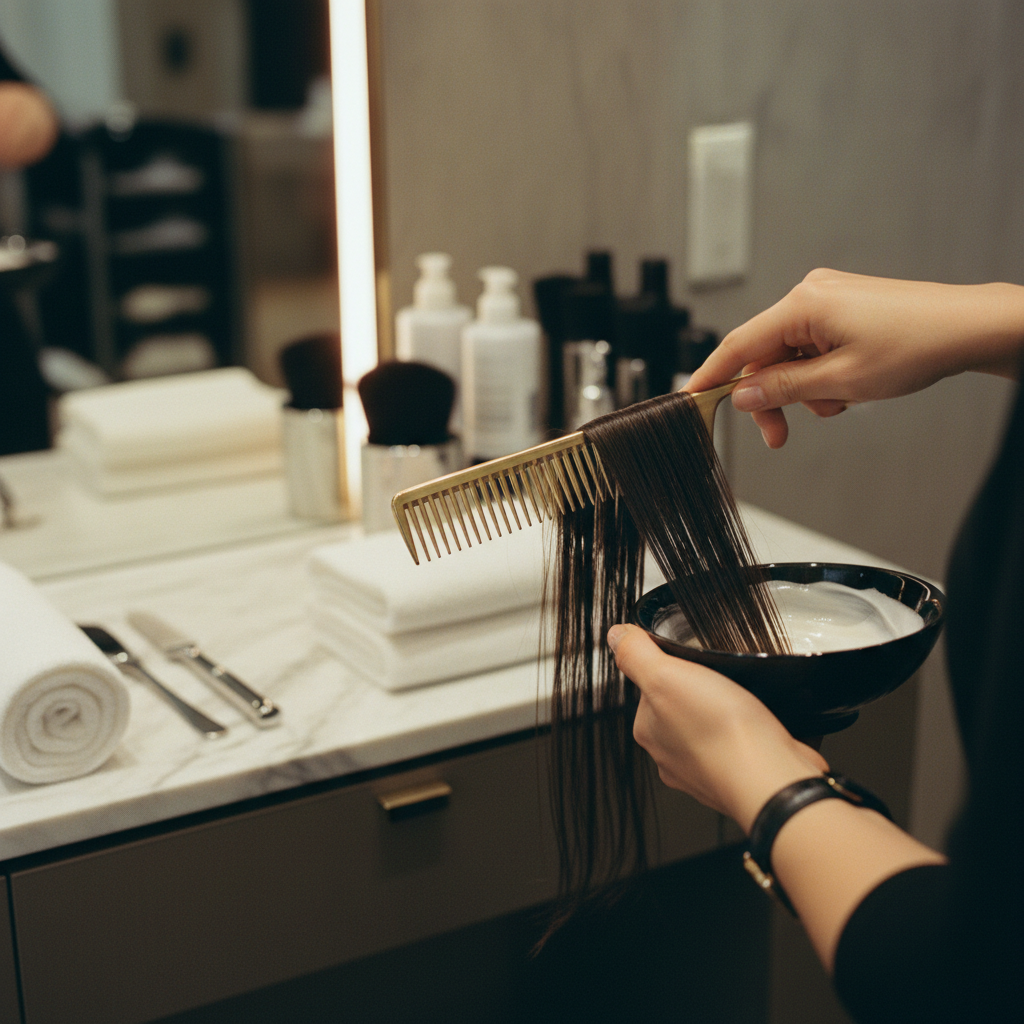
Quick answer: How to stop hair from breaking involves a combination of gentle hair care practices, suitable product choices, and minimising chemical or heat damage. It focuses on maintaining the fibre's structural integrity, as hair breakage refers to the physical snapping of the hair shaft, not hair loss from the scalp. Consistent effort is key, as no single product or action can instantly prevent all breakage, and individual results vary based on hair type and existing damage.
Key takeaways
- Breakage is fibre damage: Hair breakage occurs when the hair fibre snaps, often due to cuticle damage, and is distinct from hair shedding or hair loss from the follicle.
- Gentle handling is paramount: Avoid aggressive brushing, towel drying, and tight hairstyles to reduce mechanical stress on hair.
- Moisture is crucial: Keep hair well-hydrated with conditioners, leave-ins, and masks to maintain elasticity and prevent dryness-related brittleness.
- Minimise heat and chemical stress: Reduce the frequency and intensity of heat styling and chemical treatments, always using protection when necessary.
- Regular trims help: Professional trims remove damaged ends before breakage travels further up the hair shaft.
- Diet supports hair health: A balanced diet rich in essential nutrients contributes to the strength and resilience of growing hair.
How to stop hair from breaking: what the evidence shows
Hair breakage is a common concern that can leave hair looking thin, frizzy, and unhealthy. Unlike hair shedding (telogen effluvium) or hair loss (alopecia), breakage happens when the hair fibre itself snaps along the shaft. This often stems from damage to the hair's outer layer, the cuticle, or a weakened inner cortex. Understanding the causes is the first step in learning how to stop hair from breaking.
Understanding the mechanism of hair breakage
The hair shaft is primarily made of keratin protein, covered by an outer layer of overlapping scales called the cuticle. A healthy cuticle lies flat, protecting the inner cortex and giving hair its shine and smoothness. When the cuticle is damaged, these scales can lift, crack, or even break off, exposing the inner cortex to further damage. This makes the hair fibre rough, porous, and susceptible to snapping. Factors like excessive heat, chemical processes, harsh friction, and inadequate moisture can all compromise the cuticle and lead to breakage.
Signs of hair breakage
Recognising the signs of breakage helps you intervene early. Unlike hair that sheds from the root, broken hairs are typically shorter and lack the small, white bulb at one end. Common signs include:
- Split ends: The very end of the hair fibre splits into two or more strands. This is a clear indicator that the hair is weakening and prone to further breakage.
- Short, fractured hairs: Finding small, unevenly broken hairs on your clothes, pillow, or brush, especially if they are not uniform in length.
- Frizz and flyaways: Hair that feels rough, looks dull, and has a halo of frizz or many short, unruly strands, particularly around the hairline.
- Increased tangling: Damaged cuticles make hair strands more prone to snagging on each other, leading to increased tangling and making detangling more difficult.
- Reduced elasticity: Healthy hair has some stretch. If your hair snaps easily when gently pulled, it may lack elasticity due to damage or dehydration.
What causes hair breakage?
Hair breakage is multifactorial, often resulting from a combination of chemical, thermal, and mechanical stressors.
1. Mechanical Damage:
- Aggressive brushing and detangling: Forceful brushing, especially on wet hair, can literally tear the hair fibre. Wet hair is more elastic but also more fragile, making it vulnerable to stretching and breaking.
- Tight hairstyles: Constantly pulling hair back into tight ponytails, braids, or buns creates tension on the hair shaft and roots, leading to breakage. Over time, this can even contribute to traction alopecia, a form of hair loss.
- Harsh towel drying: Rubbing hair vigorously with a rough towel creates friction that can lift and damage the cuticle.
- Friction from surfaces: Sleeping on cotton pillowcases or wearing rough fabrics can cause friction against the hair, leading to cuticle damage.
2. Thermal Damage:
- Heat styling: Frequent use of high-temperature heat tools like flat irons, curling irons, and blow dryers can dehydrate hair, denature proteins, and crack the cuticle, leading to brittleness and breakage. (See: Heat Styling: Understanding Its Effects and How to Protect Your Hair).
- Hot water: Washing hair with excessively hot water can strip natural oils and open the cuticle, making hair more susceptible to damage.
3. Chemical Damage:
- Colouring and bleaching: These processes use chemicals to alter the hair's structure, often involving alkaline agents and oxidisers that can severely weaken the hair, making it porous and prone to breakage. (See: Chemical Hair Treatments: What They Are and How They Affect Hair).
- Perms and relaxers: Similar to colouring, these treatments chemically alter the hair's protein bonds, which can compromise its strength and integrity.
4. Environmental and Lifestyle Factors:
- UV radiation: Prolonged exposure to sunlight can degrade hair proteins and pigments, leading to dry, brittle hair.
- Hard water: Water with high mineral content can leave deposits on the hair, making it rough, dry, and more prone to breakage. (See: Hard Water and Hair Damage: Understanding the Impact on Your Hair).
- Dietary deficiencies: A lack of essential vitamins, minerals, and proteins in the diet can affect the strength and growth of new hair, making it more susceptible to damage.
What the evidence does not show
It's important to distinguish between marketing claims and scientific evidence. While many products claim to "repair" split ends, no product can truly fuse a broken hair fibre back together. Cosmetics can temporarily seal or smooth the cuticle, making hair appear healthier and less prone to further breakage, but they do not reverse the physical damage. Similarly, while specific ingredients might improve hair health, claims of instant miracle cures for severe breakage should be viewed with caution. Research does not support the idea that daily washing itself causes breakage, provided gentle techniques and suitable products are used.
Practical steps for how to stop hair from breaking
Implementing a consistent, gentle hair care routine is the most effective strategy for how to stop hair from breaking. Here's what you can do:
1. Gentle Washing and Conditioning
- Choose suitable products: Opt for a mild, moisturising shampoo and a rich conditioner. Products designed to strengthen or hydrate hair can help. (See: Choosing the Right Shampoo and The Science of Conditioners: How Hair Care Formulations Work).
- Wash with lukewarm water: Hot water can strip natural oils and lift the cuticle. Use lukewarm water to wash and a cooler rinse to help close the cuticle.
- Focus shampoo on the scalp: Gently massage shampoo into your scalp, letting the lather run down the hair lengths. Avoid vigorous scrubbing of the hair fibre itself.
- Condition correctly: Apply conditioner from mid-lengths to ends, ensuring thorough coverage. Leave it on for the recommended time to allow ingredients to penetrate. For Afro-textured hair, ensure ample moisture. (See: How to Moisturise Afro Hair: A Guide to Hydration and Retention).
2. Mindful Detangling
- Detangle wet hair with conditioner: The "slip" from conditioner makes detangling easier and reduces friction. Use your fingers or a wide-tooth comb. (See: How to Detangle Afro Hair Without Breakage: An Evidence-Based Guide).
- Start from the ends: Always begin detangling at the ends and gradually work your way up to the roots, gently loosening tangles without force.
- Use appropriate tools: A wide-tooth comb or a soft-bristle brush is ideal for detangling. Avoid fine-tooth combs on tangled hair.
3. Gentle Drying Techniques
- Blot, don't rub: After washing, gently squeeze excess water from your hair. Use a microfiber towel or an old cotton T-shirt to blot your hair dry, rather than rubbing vigorously. This reduces friction and cuticle damage.
- Air dry whenever possible: Allow hair to air dry partially or completely to minimise heat exposure. If blow-drying, use the lowest effective heat setting and a heat protectant.
4. Heat Protection and Styling Habits
- Minimise heat styling: Reduce the frequency of using heat tools. When you do use them, always apply a heat protectant spray beforehand. (See: Heat Styling Safety Best Practices).
- Use lower temperatures: Opt for the lowest effective heat setting on your tools. High temperatures cause more damage.
- Avoid tight hairstyles: Choose looser styles that don't pull on the hair. Use seamless hair ties or scrunchies made of silk or satin to prevent snagging and breakage.
- Protective styling: Consider protective styles like braids or twists, especially for fragile hair types, to minimise daily manipulation and exposure. (See: Protective Styling: A Comprehensive Guide).
5. Regular Maintenance
- Regular trims: Schedule trims every 6 to 8 weeks to remove split ends before they can travel further up the hair shaft. This maintains hair health and prevents worsening damage.
- Deep conditioning treatments: Incorporate a deep conditioner or hair mask once a week or bi-weekly. These treatments provide intense moisture and nourishing ingredients to strengthen hair. (See: Hair Hydration: The Science Behind Keeping Hair Moist).
- Protect hair overnight: Sleep on a silk or satin pillowcase to reduce friction. Consider loosely braiding or tying up your hair to prevent tangling during sleep.
6. Diet and Lifestyle
- Balanced nutrition: A diet rich in protein (the building block of hair), vitamins (like A, C, E, and B-vitamins such as biotin), and minerals (iron, zinc) supports healthy hair growth from the follicle. (See: Hair Anatomy: Understanding the Structure and Science of Your Hair).
- Hydration: Drink plenty of water to ensure overall bodily hydration, which includes the health of hair and scalp.
When the cause may be something else and when to get professional advice
While most hair breakage can be managed with improved hair care, sometimes underlying issues or misdiagnosis are at play. If you are experiencing significant hair loss (losing hair from the root, often with a white bulb attached), it is distinct from breakage and warrants professional evaluation. Conditions like telogen effluvium (excessive shedding), anagen effluvium, or various forms of alopecia require diagnosis and treatment by a healthcare professional, such as a trichologist or dermatologist. (See: Anagen Effluvium). If you've followed all the advice on how to stop hair from breaking and still see no improvement, or if you notice unusual patterns of hair loss or scalp issues, consult a professional for a proper diagnosis and tailored advice.
Frequently asked questions about How to stop hair from breaking
Can split ends be repaired?
No, split ends cannot be truly repaired or fused back together. Once the hair fibre has split, the damage is permanent. Products like leave-in conditioners or serums can temporarily smooth the cuticle and make split ends less noticeable, but the most effective way to address them and prevent further breakage is through regular trims. This removes the damaged portion of the hair before the split travels further up the shaft.
Does hard water contribute to hair breakage?
Yes, hard water can contribute to hair breakage. Hard water contains high levels of minerals, particularly calcium and magnesium, which can accumulate on the hair shaft. This mineral buildup can make hair feel rough, dry, and brittle, hindering its ability to absorb moisture and making it more susceptible to friction and snapping. Using a chelating or clarifying shampoo periodically can help remove mineral deposits. (See: Hard Water and Hair Damage: Understanding the Impact on Your Hair and How to Do a Clarifying Wash: A Guide to Deep Hair Cleansing).
Is it normal for hair to break when detangling?
Some minimal breakage can occur during detangling, especially if hair is very fine or tangled. However, excessive breakage is not normal and indicates a need for gentler techniques or better tools. Always detangle slowly, starting from the ends, and use a wide-tooth comb or a dedicated detangling brush. Applying a conditioner or detangling spray can provide slip and reduce friction, helping how to stop hair from breaking during this process.
How often should I trim my hair to prevent breakage?
Regular trims are essential for preventing breakage. The frequency depends on your hair's condition and growth rate, but a general guideline is every 6 to 8 weeks. This removes split ends and damaged sections before the damage can travel further up the hair shaft, maintaining healthier hair and encouraging better length retention. Consistent trimming does not make hair grow faster, but it helps it maintain its length by preventing breakage.
Does diet really impact hair strength and breakage?
Yes, diet plays a significant role in hair strength and overall health. Hair is made of protein, so a diet rich in adequate protein is fundamental. Essential vitamins (like B vitamins, vitamin C, vitamin D) and minerals (such as iron, zinc, and selenium) are also crucial for the hair follicle to produce strong, healthy hair fibres. Deficiencies in these nutrients can lead to weaker, more brittle hair that is prone to breakage. Ensuring a balanced, nutrient-rich diet supports hair resilience from within.
Can hair products cause breakage?
Yes, certain hair products or ingredients can contribute to breakage, especially if they are harsh, drying, or used incorrectly. Products containing high levels of sulphates can strip natural oils, leading to dryness and brittleness. Heavy silicones, if not properly washed out, can build up and make hair feel stiff. Products with a high pH can lift the cuticle, making hair vulnerable. Choosing moisturising, pH-balanced products and rinsing them thoroughly is crucial for maintaining hair health and learning how to stop hair from breaking.
Watermans and how to stop hair from breaking
Watermans hair care products are formulated with ingredients chosen to support hair health and reduce the appearance of breakage. For instance, our shampoos and conditioners contain hydrolysed lupin protein, which has been shown to improve hair elasticity and strength, making hair more resistant to external stressors that lead to snapping. Additionally, products like our Hair Growth Shampoo and Conditioner are designed to nourish the scalp environment, supporting the growth of stronger hair fibres from the root. Consistent use as part of a gentle hair care routine can help to maintain hair condition and reduce the likelihood of breakage over time.
Sources and references
- American Academy of Dermatology Association, "Hair care: How to shampoo and condition".
- PubMed Central, "The Hair Shaft".
- British Association of Dermatologists, "Hair loss".
- International Journal of Trichology, "Hair Cosmetics: An Overview".
- Journal of Cosmetic Science, "Evaluation of Hair Damage Caused by Chemical Treatments".
- Journal of Dermatology, "Mechanism of hair damage caused by heat and chemical treatments".
- Clinical, Cosmetic and Investigational Dermatology, "Hair Breakage and Its Causes".
- NHS, "Hair loss".
- National Institute of Environmental Health Sciences, "Environmental Factors and Hair".
Find these ingredients in Watermans products
- Zinc: you will find this ingredient in our Hair Vitamins.