Styling Wavy Hair
4 min read ·
Mastering wavy hair involves understanding its unique texture and employing specific techniques and products to enhance its natural pattern while minimizing frizz.
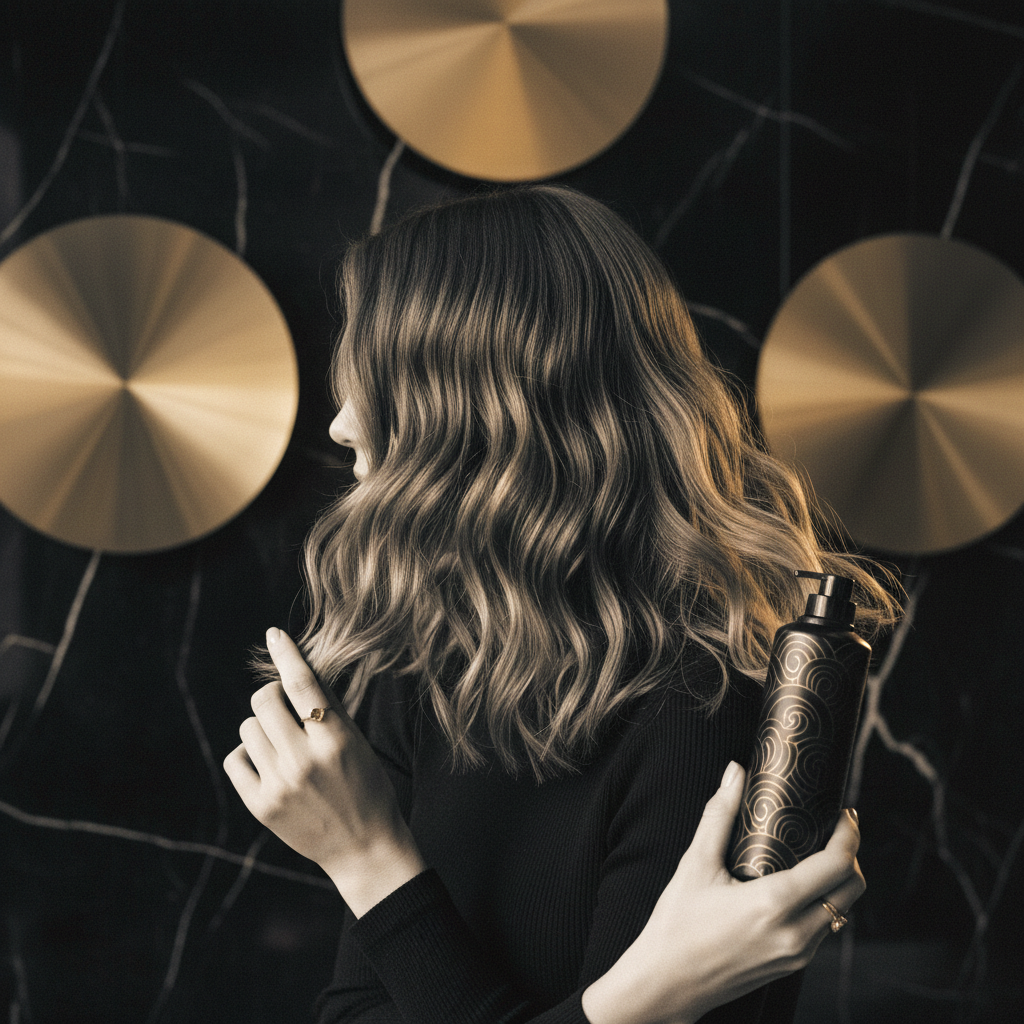
Understanding Wavy Hair
Wavy hair, often categorized as type 2 in the hair typing system, sits between straight and curly hair. It is characterized by an S-shaped pattern that can range from loose, barely-there waves (2a) to well-defined, albeit still loose, waves (2c). Unlike curly hair, wavy hair typically lies closer to the head, and individual strands may not form complete spirals. The cuticle in wavy hair can be slightly raised, making it prone to frizz if not properly managed.
Hair Porosity and Wave Pattern
Porosity, or the hair's ability to absorb and retain moisture, plays a crucial role in how wavy hair behaves. Low porosity hair may struggle to absorb products, while high porosity hair can absorb moisture quickly but also lose it just as fast. Understanding your hair's porosity helps in selecting appropriate products that will not weigh down waves or leave them parched.
Essential Styling Techniques for Wavy Hair
Effective styling for wavy hair focuses on encouraging the natural wave pattern, enhancing definition, and controlling frizz without compromising volume.
Cleansing and Conditioning
Begin with a sulfate-free shampoo to cleanse without stripping natural oils, followed by a lightweight conditioner. Applying conditioner from mid-lengths to ends helps distribute moisture where it's needed most without weighing down the roots.
Detangling
Detangle wavy hair gently while it's wet, preferably with a wide-tooth comb or your fingers, to prevent disrupting the wave pattern and causing breakage. Start from the ends and work your way up.
Product Application
Apply styling products to damp, not soaking wet, hair. This allows for better absorption and even distribution. Scrunching upward from the ends towards the roots helps to encourage wave formation.
Drying Techniques
Air-drying is ideal for minimizing frizz and preserving wave definition. If using a blow dryer, always attach a diffuser. A diffuser disperses air gently, reducing direct heat and preventing the hair from becoming frizzy. Use a low heat and low speed setting, gently cupping sections of hair in the diffuser and lifting towards the scalp.
Styling Products for Wavy Hair
Selecting the right products is paramount for successful wavy hair styling. The goal is to provide hold, moisture, and frizz control without stickiness or crunch.
Key Product Types
- Leave-in Conditioner: Provides a foundational layer of moisture and helps with detangling.
- Wave Enhancers/Curl Creams: Formulated to define and enhance the natural S-pattern of wavy hair, often providing a soft hold.
- Gels/Mousses: Offer stronger hold and frizz control. Look for lightweight formulas that don't create a stiff cast.
- Hair Spray: A light-hold hairspray can help set the style and protect against humidity.
Product Application Strategy
Apply products in layers, starting with the lightest (e.g., leave-in conditioner) and progressing to those with more hold (e.g., gel). Use a "praying hands" method to smooth products over sections of hair, followed by scrunching.
Common Challenges and Solutions
Frizz
Frizz is a common concern for wavy hair due to its slightly raised cuticle. To combat frizz, ensure adequate hydration through conditioning and leave-in products. Avoid over-brushing dry hair, as this can disrupt the cuticle and create frizz. Humidity-blocking products can also help.
Lack of Definition
If waves lack definition, experiment with stronger hold products like gels or mousses. Ensure products are applied evenly to damp hair and waves are properly scrunched during application and drying.
Limp Roots / Lack of Volume
For limp roots, focus product application on the mid-lengths and ends. You can also try diffusing upside down to create volume at the roots. Root lifting sprays can also be beneficial. Over-conditioning at the roots can also contribute to limpness.
Styling Tools
While air drying and diffusing are preferred, some tools can assist in enhancing specific wave patterns or adding volume. However, always use a heat protectant when applying direct heat.
| Tool | Purpose | Best Use Case |
|---|---|---|
| Diffuser | Enhances natural wave pattern, reduces frizz | Drying wavy hair while preserving definition |
| Wide-tooth Comb | Gentle detangling | Detangling wet hair without disruption |
| Hair Clips | Root lift/volume | Creating lift at the roots while drying |
| Curling Iron | Refining specific waves | Enhancing individual waves or creating uniform patterns |
Maintaining Wavy Hair Between Washes
Maintaining wavy hair between wash days is crucial for a lasting style and includes refreshing waves and protecting them during sleep.
Refreshing Waves
To refresh waves, lightly mist hair with water or a curl refreshing spray. Then, gently scrunch to reactivate products and reshape waves. A small amount of leave-in conditioner or a lightweight wave enhancer can be applied to revive definition.
Nighttime Protection
Sleeping on a satin or silk pillowcase reduces friction and helps preserve waves. Alternatively, loosely pineapple your hair (gather hair into a high, loose ponytail or bun) to protect the wave pattern from flattening overnight.