Heat Styling Tips: Essential Practices for Minimising Hair Damage
9 min read ·
Effective Heat Styling Tips are crucial for achieving desired hairstyles while protecting your hair from damage caused by high temperatures. Mastering safe heat styling techniques and choosing appropriate tools can significantly reduce the risk of breakage and dryness.
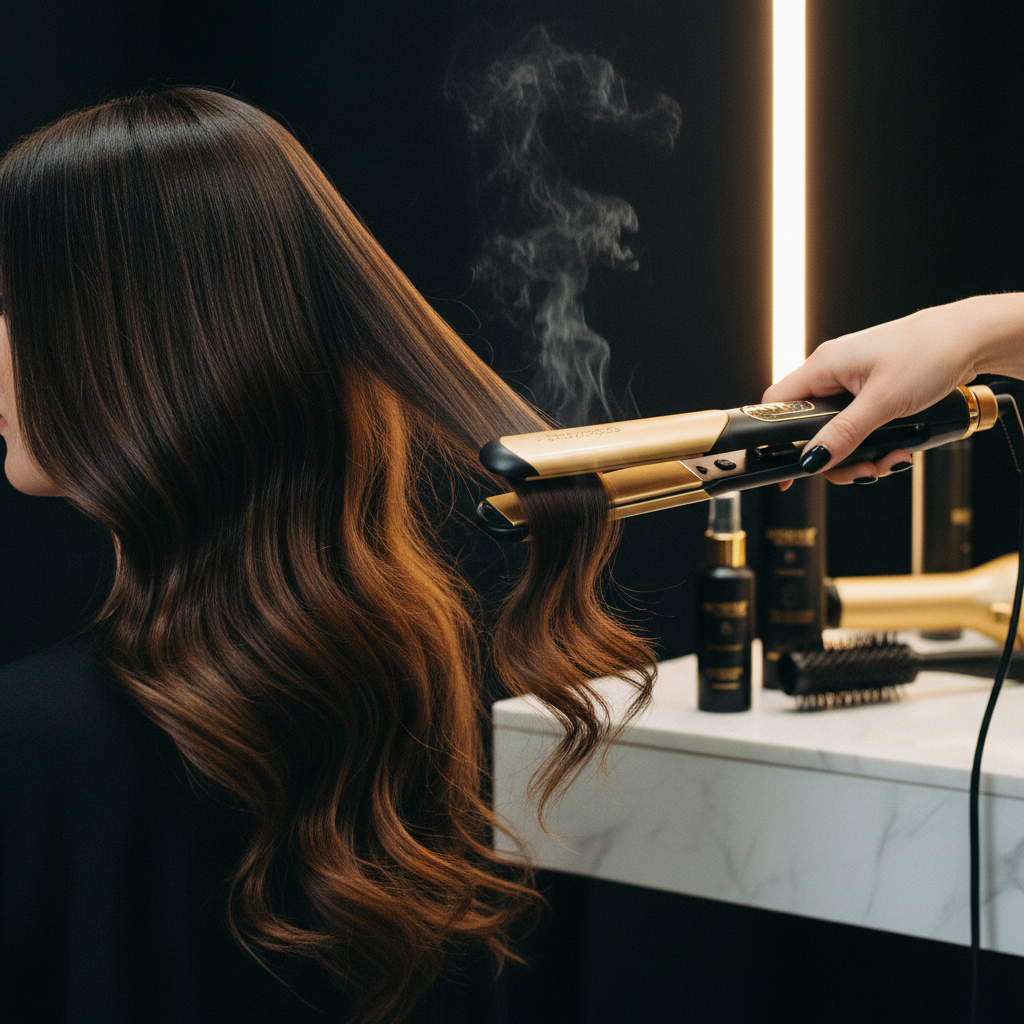
Quick answer: Effective Heat Styling Tips involve understanding your hair type, using appropriate tools and heat settings, and meticulous preparation and aftercare. The primary limitation is that heat styling inherently exposes hair to potential damage, so the goal is always to minimise, rather than eliminate, risk through careful practices.
Key takeaways
- Pre-styling preparation with heat protectants forms a crucial barrier against thermal damage.
- Matching heat tool temperatures to your specific hair type (fine, normal, thick) prevents excessive heat exposure.
- Proper technique, such as working with small sections and limiting passes, reduces heat contact time.
- Reducing the frequency of heat styling significantly lowers the overall risk of damage.
- Hair breakage due to heat styling is distinct from hair shedding or hair loss and requires different care.
Heat Styling Tips: What the evidence shows
Heat styling uses thermal energy to temporarily reshape hair by breaking and reforming hydrogen bonds within the hair fibre. While effective for creating various styles, exposing hair to high temperatures can cause significant structural changes, leading to damage. The evidence consistently shows that heat can weaken the hair's outer cuticle layer and alter the internal protein structure, ultimately affecting its strength, elasticity, and appearance.
The most common forms of heat damage include:
- Cuticle Degradation: The hair's outermost layer, the cuticle, is made of overlapping scales. High temperatures can lift, crack, or even melt these scales, making the hair rough, dull, and prone to tangling and frizz. This compromises the hair's natural defence against environmental aggressors.
- Protein Denaturation: Hair is primarily composed of keratin proteins. Excessive heat can denature (alter the natural structure of) these proteins. This leads to a loss of mechanical strength, making the hair more brittle, less elastic, and highly susceptible to breakage. Research indicates that temperatures above 175°C (347°F) can cause significant keratin degradation (Lee et al., 2011).
- Moisture Loss: Heat rapidly evaporates water from the hair shaft, leading to dehydration. Dehydrated hair is less flexible, more fragile, and appears dry and lifeless. The loss of moisture also contributes to increased static electricity and frizz.
The mechanism of heat protection
Heat protectants work by forming a temporary barrier on the hair shaft, slowing down heat conduction, and distributing heat more evenly. Many formulations contain silicones (like dimethicone or cyclomethicone), hydrolysed proteins (such as Hydrolysed Wheat Protein or lupin protein), and humectants. Silicones help create a smooth surface and reduce friction, while proteins can temporarily fortify the hair structure. Humectants help retain moisture within the hair. This combined action minimises direct heat impact and helps maintain hair hydration and integrity during styling.
Essential Heat Styling Tips for safe practice
Preparation is paramount
Proper preparation is the first line of defence against heat damage. Begin with clean, conditioned hair. Refer to 'Choosing the Right Shampoo' and 'Choosing the Right Hair Conditioner' for guidance. After washing, gently towel-dry your hair to remove excess water, ideally with a microfibre towel to minimise friction. Thoroughly detangle your hair with a wide-tooth comb, working from the ends upwards, to prevent knots from becoming exacerbated by heat and leading to breakage.
Apply a heat protectant: This step is non-negotiable. Heat protectants create a thermal barrier. Apply evenly to damp hair, ensuring comprehensive coverage from root to tip. Look for formulations designed to withstand the temperatures you expect to use.
Choosing the right tools and temperatures
Not all heat tools are created equal, and temperature is perhaps the most critical factor in preventing damage. Always select tools with adjustable heat settings.
- Hair Dryers: Opt for models with ionic or tourmaline technology, which can help reduce drying time and smooth the cuticle, reducing frizz. Always use a nozzle to direct airflow, preventing heat from scattering and potentially over-drying sections.
- Flat Irons and Curling Irons: Ceramic or tourmaline plates/barrels provide more even heat distribution and glide smoothly over the hair, reducing snagging. Titanium plates heat up quickly and maintain high, consistent temperatures, making them suitable for very thick or coarse hair, but require careful use to avoid overheating.
Temperature guidelines: The ideal temperature depends significantly on your hair type and condition. Always start with the lowest effective temperature and increase gradually only if necessary. Higher temperatures do not necessarily equate to better or faster styling; they primarily increase the risk of damage.
| Hair Type / Condition | Recommended Temperature Range |
|---|---|
| Fine, Thin, Damaged, or Chemically Treated Hair | 120-150°C (250-300°F) |
| Normal, Healthy Hair | 150-180°C (300-350°F) |
| Thick, Coarse, or Resistant Hair | 180-210°C (350-410°F) |
Mastering styling techniques
Even with the best tools and preparation, incorrect technique can still lead to damage.
- Rough Dry First: Before using a brush for styling, rough dry your hair with a hairdryer on a medium setting until it is about 70-80% dry. This reduces the time your hair is exposed to direct heat with a styling tool.
- Sectioning: Divide hair into manageable sections (typically 1 to 2 inches wide) for all heat styling. This ensures each section receives adequate but not excessive heat and allows for even styling. Rushing through large sections often leads to repeated passes and increased heat exposure.
- Keep Moving: When blow-drying, continuously move the hairdryer. For flat irons and curling irons, aim for a single, smooth, consistent pass over each section. Lingering in one spot or multiple passes significantly increases the risk of localised overheating and damage.
- Cool Shot: Many hairdryers feature a 'cool shot' button. Use this at the end of blow-drying to help set the style and close the hair cuticles, enhancing shine and reducing frizz.
Post-styling care
Once styling is complete, allow your hair to cool completely before touching or disturbing the style. This 'setting' period helps the style last longer and minimises frizz.
Consider using a lightweight finishing serum or oil on the ends to add shine and tame flyaways. These products can also provide an additional layer of protection against humidity.
When the cause may be something else
If you're experiencing hair damage despite following careful Heat Styling Tips, it's important to consider other potential causes. Hair breakage (the fibre snapping) is distinct from hair shedding (hair leaving the follicle) or hair loss (follicular issues). If you're seeing more than just breakage, other factors might be at play.
Possible contributors to hair damage or poor hair health include:
- Chemical Treatments: Perms, relaxers, and hair colouring (see 'Chemical Hair Treatments' and 'Hair Coloring Techniques') can significantly alter hair structure, making it more vulnerable to damage from heat and other stressors.
- Environmental Factors: Exposure to harsh UV radiation, chlorine, or saltwater can degrade hair proteins and strip moisture. Understanding 'Hard Water and Hair Damage' is also important if you live in an area with high mineral content in the water.
- Mechanical Damage: Aggressive brushing, tight hairstyles, or friction from towels and pillowcases can cause breakage independent of heat.
- Nutritional Deficiencies: A diet lacking essential vitamins and minerals can impact hair health, leading to weaker hair that is more prone to damage. Ensuring a balanced diet supports overall hair integrity.
- Underlying Health Conditions: Certain medical conditions, stress, or medications can affect hair quality and contribute to increased fragility or shedding. If you notice significant changes, consult a healthcare professional.
When to get professional advice
If you're experiencing persistent or severe hair damage, excessive hair shedding, or unexplained hair loss despite diligent care and adherence to Heat Styling Tips, it's advisable to seek professional help. A dermatologist or trichologist can accurately diagnose the underlying cause of your hair concerns. They can differentiate between cosmetic damage, hair shedding (like telogen effluvium), and various forms of alopecia, providing tailored advice or medical treatment if necessary.
Frequently asked questions about Heat Styling Tips
How often can I heat style my hair without causing damage?
There's no universal answer, as it depends on your hair type, the tools used, and heat protectants. Minimising frequency is key. Aim for no more than 2 to 3 times per week, allowing your hair 'rest days' from heat. Incorporate heat-free styling methods whenever possible to reduce cumulative stress on the hair fibre.
Are ceramic or titanium heat tools better for my hair?
Both have benefits. Ceramic tools distribute heat more evenly and are generally gentler, making them suitable for most hair types, especially fine or damaged hair. Titanium heats up faster and maintains higher temperatures, making it efficient for thick, coarse, or resistant hair, but it requires more careful use to avoid overheating. The best choice depends on your hair's specific needs and your styling technique.
Can heat protectant really prevent all heat damage?
No, heat protectants significantly reduce the risk and severity of damage, but they cannot entirely prevent it. They create a protective barrier, slow heat conduction, and help maintain moisture. However, excessive heat, improper technique, or very high temperatures can still cause damage even with a protectant. They are an essential part of a damage-prevention strategy, not a complete solution.
What are the signs of heat damage I should look for?
Key signs of heat damage include increased frizz, split ends, dryness, dullness, and a rough texture. The hair may also feel brittle, lose its elasticity, and become more prone to breakage, especially when wet. Discoloration or a burnt smell during styling are immediate red flags that temperatures are too high.
How do Heat Styling Tips differ for curly or Afro hair?
Curly and Afro hair types are often more fragile and prone to dryness due to their unique structure, requiring extra care. When heat styling, use lower temperatures, ensure thorough heat protection, and focus on moisturising treatments before and after. Always prioritise gentle techniques, such as blow-drying with a diffuser on a cool or medium setting. See 'How to Care for Afro Hair' and 'Moisturizing Afro Hair' for more details.
Protecting your hair with Watermans
While understanding and applying these Heat Styling Tips is crucial, supporting your hair's overall health with nourishing products can further enhance its resilience. Watermans offers formulations designed to complement a healthy hair care routine. For example, Watermans Hair Growth Shampoo and Conditioner contain hydrolysed lupin protein, which can help fortify hair and improve its resistance to damage. Using products that support hair strength and hydration, in conjunction with safe heat styling practices, contributes to maintaining healthy-looking hair. Remember, consistent care and attention to product choice alongside proper technique are key to beautiful, healthy hair.
Sources and references
- Lee, Y., et al. (2011). The effect of temperature and humidity on the mechanical properties of hair. Journal of Cosmetic Science, 62(5), 453-462.
- Gavazzoni Dias, M. F. R. (2015). Hair Cosmetics: An Overview. International Journal of Trichology, 7(1), 2-15. PubMed. DOI: 10.4103/0974-7753.153927
- Robbins, C. R. (2012). Chemical and Physical Behavior of Human Hair (5th ed.). Springer Science & Business Media. New York, NY.
- Cosmetic Ingredient Review. (2017). Safety Assessment of Amodimethicone, Trimethylsilylamodimethicone, Bisamino PEG/PPG-41/3 Aminoethyl PG-Propyl Dimethicone, and Amino Bispropyl Dimethicone. Cosmetic Ingredient Review Expert Panel.
- British Association of Dermatologists. Hair loss. Https://www.bad.org.uk/for-the-public/patient-information-leaflets/hair-loss/
- NHS. Hair loss. Https://www.nhs.uk/conditions/hair-loss/