Split Ends: Understanding Hair Fraying and Breakage
12 min read ·
Split Ends, also known as trichoptilosis, occur when the hair's protective outer layer is damaged, leading to the fraying of the hair shaft.
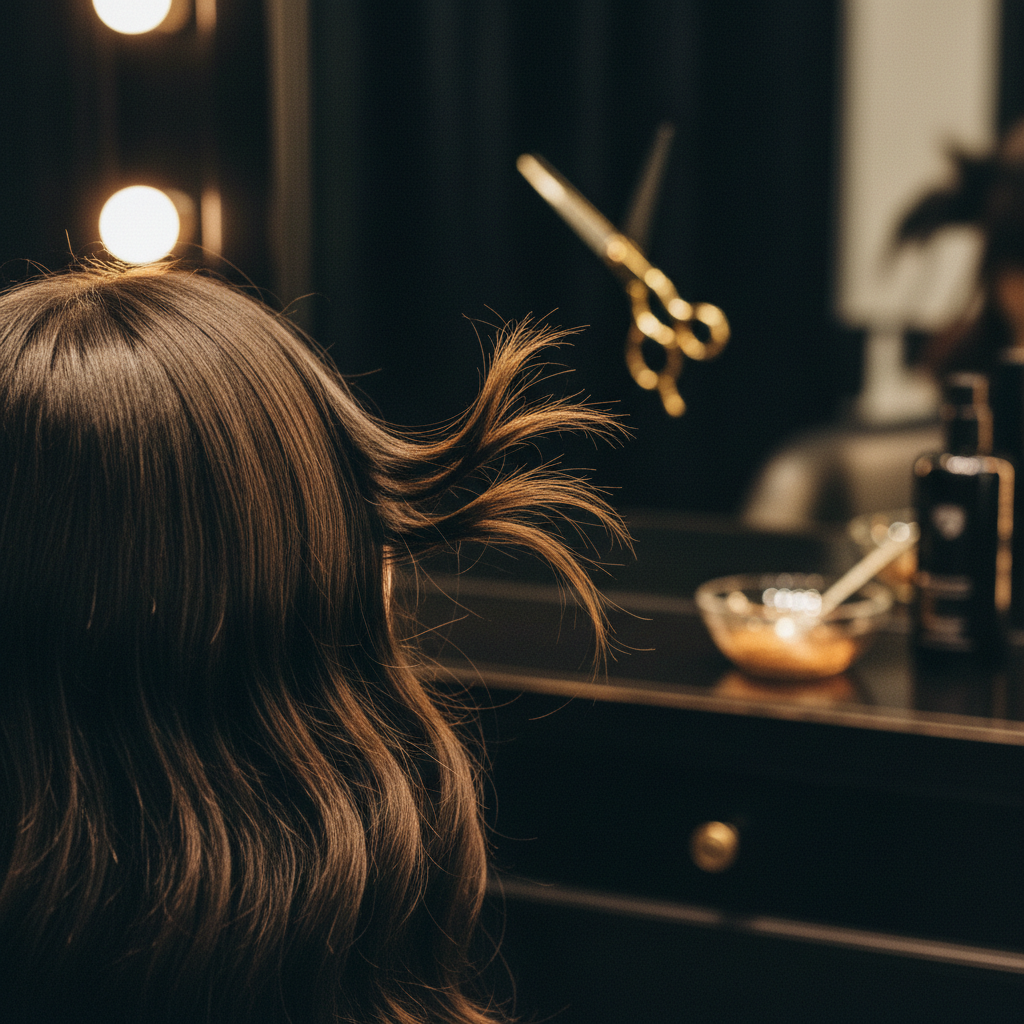
Quick answer: Split Ends are a common sign of mechanical, thermal, or chemical damage to hair, leading to the fraying and splitting of the hair shaft, typically at the ends. This damage occurs when the protective outer cuticle layer is compromised, exposing the inner cortex and causing it to weaken and unravel. While products can temporarily seal or improve the appearance of Split Ends, only a trim can truly remove them.
Key takeaways
- Split Ends, or trichoptilosis, are a form of hair shaft damage where the protective outer cuticle has eroded, exposing the inner cortex.
- They are caused by physical, thermal, and chemical stressors that weaken the hair fibre, leading to fraying.
- You can identify Split Ends by visually inspecting hair for Y-shaped splits, tree-like formations, or frays along the shaft, usually at the ends.
- While some products can temporarily mask or prevent new damage, the only way to permanently remove existing Split Ends is through regular trimming.
- Preventing Split Ends involves gentle hair care practices, minimising heat exposure, using appropriate products, and protecting hair from environmental factors.
- If Split Ends persist despite good care, or if accompanied by significant shedding, consult a trichologist or dermatologist.
Split Ends: what the evidence shows
Split Ends, scientifically termed trichoptilosis, are a clear indicator of structural damage to the hair shaft. This condition arises when the hair's protective outermost layer, the cuticle, becomes degraded or eroded, leaving the inner cortex vulnerable. The cuticle, composed of overlapping keratin scales, acts as a barrier against environmental and mechanical stressors. When these scales lift, chip, or are worn away, the delicate protein structure of the cortex is exposed. Without the cuticle's protection, the keratin fibres within the cortex can fray and unravel, resulting in the characteristic split appearance, most commonly at the ends of the hair strands.
Research published in journals such as the International Journal of Cosmetic Science highlights that hair damage, including the formation of Split Ends, is often cumulative. Each time hair is subjected to physical friction, excessive heat, or harsh chemicals, microscopic damage occurs. Over time, this damage weakens the hair fibre until it eventually splits. Factors like hair type, diameter, and chemical treatments can influence a hair strand's susceptibility to this kind of damage. For instance, fine hair or hair that has undergone chemical processing, such as colouring or perming, tends to be more fragile and prone to Split Ends due to alterations in its protein structure and cuticle integrity.
The mechanism of Split Ends
To properly understand Split Ends, it's helpful to review the hair shaft's structure. Each hair is comprised of three main layers, which are explained in more detail in our article on Hair Anatomy:
- Cuticle: This is the outermost layer, consisting of several layers of flat, overlapping cells, much like scales on a fish or shingles on a roof. A healthy cuticle lies flat, reflecting light and providing a smooth surface that reduces friction and prevents moisture loss. It is the primary protective barrier.
- Cortex: The thickest layer, located beneath the cuticle. It makes up the bulk of the hair fibre and contains tightly packed keratin proteins, which give hair its strength, elasticity, and structure. It also houses the melanin responsible for hair colour.
- Medulla: The innermost core, present in some hair types (typically thicker, coarser hair) but not all. Its exact function isn't fully understood, but it may play a role in regulating hair's mechanical properties.
Split Ends begin when the cuticle's integrity is compromised. Repeated friction, chemical exposure, or heat causes the cuticle scales to lift, crack, and eventually break away. Once the cortex is exposed, its protein bonds are directly subjected to damaging forces. This leads to the disintegration of the cortical cells and the separation of the hair fibre into two or more fragments, creating the distinctive split. The longer hair grows, the more cumulative damage it accumulates, which is why Split Ends are most commonly observed at the ends of the hair strands, which are the oldest and most exposed parts.
Common causes of Split Ends
Split Ends are a direct result of damage to the hair fibre. This damage can stem from a variety of sources, often acting in combination:
- Mechanical Stress: This includes physical actions that put strain on the hair. Vigorous brushing, aggressive towel drying, tight hairstyles, and friction from clothing can all abrade the cuticle. For instance, brushing wet hair when it's most fragile, or using brushes with stiff bristles, can physically damage the hair shaft. Our article on How to Detangle Afro Hair Without Breakage provides further insights into gentle detangling practices.
- Thermal Damage: Excessive heat from styling tools like flat irons, curling irons, and blow dryers can dehydrate hair and cause the cuticle to crack. Even prolonged exposure to hot water during washing can strip natural oils and make hair more susceptible to damage. UV radiation from the sun can also degrade keratin proteins, weakening the hair structure over time.
- Chemical Treatments: Processes such as colouring, bleaching, perming, and chemical straightening significantly alter the hair's protein structure. These treatments can lift or damage the cuticle, making hair more porous and vulnerable to subsequent damage and Split Ends. You can find more information on this in Chemical Hair Treatments: What They Are and How They Affect Hair.
- Environmental Factors: Wind, pollution, and dry climates can strip moisture from the hair, leading to dryness and increased susceptibility to cuticle damage and Split Ends. Exposure to chlorine from swimming pools can also be damaging.
- Lack of Moisture: Dry hair is inherently more brittle and prone to breakage and Split Ends. Insufficient moisture can be due to environmental factors, improper product use, or genetic predisposition. Ensuring adequate hair hydration is crucial for preventing this.
Signs to look for
Recognising Split Ends often involves a visual inspection of your hair, particularly the ends. While the classic Y-shaped split is the most well-known, there are several variations of hair shaft damage that fall under the umbrella of Split Ends:
- Classic Split: The hair fibre divides into two distinct sections, forming a 'Y' shape.
- Mini Split: A small, barely visible split at the very tip of the hair.
- Tree Split: The hair fibre branches into multiple smaller splits, resembling a tree or broom.
- Feather Split: The outer cuticle layers peel away from the main shaft, creating a feathery or frayed appearance.
- Knot: A small, tight knot forms in the hair shaft, often leading to breakage just above or below it. These are particularly common in curly and coily hair types.
Other indicators include rough-feeling hair, dullness, and increased tangling, especially towards the ends. If your hair feels brittle or looks frizzy despite conditioning, it may be a sign of underlying shaft damage leading to Split Ends.
What you can do to manage and prevent Split Ends
While existing Split Ends cannot be truly repaired, they can be temporarily sealed or masked, and future Split Ends can be prevented with consistent, gentle hair care. The goal is to minimise damage to the cuticle and maintain the hair's strength and moisture.
1. Regular Trims: The most effective way to eliminate existing Split Ends is to have them cut off. Regular trims, typically every 6 to 12 weeks depending on hair growth and condition, prevent splits from travelling further up the hair shaft.
2. Gentle Detangling: Always detangle hair gently, starting from the ends and working your way up. Use a wide-tooth comb or a soft-bristle brush. Avoid brushing wet hair aggressively, as it is more elastic and prone to stretching and breakage when saturated with water. For curly and afro hair, refer to How to Detangle Afro Hair Without Breakage.
3. Minimise Heat Styling: Reduce the frequency of heat styling and always use a heat protectant product when you do. Opt for the lowest effective temperature setting on your tools. Allow hair to air dry partially before blow-drying, and keep the dryer moving to avoid concentrating heat in one spot. See Heat Styling Safety Best Practices for more detailed advice.
4. Hydration and Conditioning: Keep your hair well-moisturised. Use a good quality conditioner after every wash to smooth the cuticle. Deep conditioning treatments or hair masks once a week can provide intensive hydration and strengthen the hair fibre. Products containing humectants can help draw moisture into the hair, as discussed in Humectants: Understanding How They Hydrate and Protect Your Hair. Our article on Hair Hydration: The Science Behind Keeping Hair Moist offers further insights.
5. Protective Styling: For longer hair, consider protective styles like braids or buns to shield the ends from environmental exposure and friction. This is particularly beneficial for Afro-textured hair, as outlined in Protective Styling: A Comprehensive Guide.
6. Mindful Washing and Drying: Use lukewarm water instead of hot water when washing hair. Gently squeeze excess water from hair with a microfibre towel or old t-shirt instead of rubbing vigorously. Our guide on Hair Cleansing and Conditioning offers comprehensive advice.
7. Balanced Diet: A diet rich in vitamins, minerals, and proteins supports overall hair health, contributing to stronger hair fibres that are less prone to damage.
When the cause may be something else and when to get professional advice
While most Split Ends are due to external damage, persistent or severe hair breakage, or thinning, might indicate an underlying issue. If you notice significant hair shedding from the root (not just breakage along the shaft), excessive hair loss, or if your hair seems unusually brittle despite careful practices, it's advisable to consult a professional. A trichologist or dermatologist can diagnose conditions like nutritional deficiencies, hormonal imbalances, or specific hair shaft disorders that might be contributing to hair fragility. They can also differentiate between hair breakage (which includes Split Ends) and hair shedding or true hair loss conditions like alopecia, which require different approaches.
| Feature | Hair Breakage (including Split Ends) | Hair Shedding (Telogen Effluvium) | Hair Loss (Alopecia) |
|---|---|---|---|
| Appearance | Hair fibres snap along the shaft; visible splits, fraying, or short pieces of hair. | Entire hair strands (with a white bulb at the root) fall out; general thinning. | Patchy baldness, receding hairline, or significant overall reduction in hair density. |
| Cause | External damage: mechanical stress, heat, chemicals, dryness. | Stress, illness, hormonal changes, medication, nutritional deficiencies. | Genetic predisposition, autoimmune conditions, inflammation, medication, underlying diseases. |
| Location | Anywhere along the hair shaft, most noticeable at ends. | Diffuse shedding from all over the scalp. | Specific patterns (e.g., crown, temples) or distinct patches. |
| Management | Gentle care, trims, conditioning, heat protection, protective styles. | Identifying and addressing underlying cause; often resolves over time. | Medical diagnosis and targeted treatment (e.g., medication, topical solutions, surgery). |
| Remedy | Trim existing damage; prevent new damage. | Resolves as body recovers or cause is removed. | Requires professional medical intervention. |
Frequently asked questions about Split Ends
Can hair products truly 'repair' Split Ends?
No, hair products cannot truly repair existing Split Ends in the sense of fusing the frayed hair fibres back together. While some products, often marketed as 'split end menders' or 'sealers', can temporarily glue down the cuticle or coat the hair to make splits less visible and feel smoother, this effect is superficial and temporary. These products can improve the hair's appearance and protect against further damage, but the only permanent solution for a Split End is to trim it off.
How often should I trim my hair to prevent Split Ends?
The ideal frequency for trims to prevent Split Ends depends on your hair type, growth rate, and how quickly it sustains damage. Generally, a trim every 6 to 12 weeks is recommended. If your hair is chemically treated, very long, or frequently exposed to heat, you might benefit from more frequent trims. Conversely, if your hair is healthy and you're trying to grow it long, you might extend the time between trims slightly, perhaps to 12-16 weeks, while closely monitoring for any signs of fraying.
Does hard water contribute to Split Ends?
Yes, hard water can contribute to hair damage, including Split Ends. Hard water contains high levels of minerals, such as calcium and magnesium. These minerals can build up on the hair shaft, making it feel rough and creating a surface that is prone to friction. This increased friction can abrade the cuticle, making hair more susceptible to damage and Split Ends. Our article on Hard Water and Hair Damage: Understanding the Impact on Your Hair provides more detail on this topic.
Is it possible to have Split Ends on short hair?
Yes, it is entirely possible to have Split Ends on short hair. While Split Ends are more commonly associated with longer hair because the ends have accumulated more damage over time, any hair length can develop them. Short hair is still exposed to mechanical stress from brushing, thermal damage from heat styling, and chemical treatments. If the cuticle of short hair becomes compromised, the hair shaft can fray and split, just as it would on longer strands. Regular care and protection are important for all hair lengths.
Do some hair types get Split Ends more easily than others?
Yes, some hair types can be more prone to Split Ends. Hair that is fine, naturally dry, or has undergone chemical processing (like colouring or perming) often has a more delicate or compromised cuticle, making it more vulnerable to damage and splitting. Curly and coily hair textures can also be more susceptible due to their unique structure, which can make it harder for natural oils to travel down the hair shaft, leading to increased dryness, and the natural bends in the hair fibre can be points of weakness. Our articles on Fine Hair: A Complete Guide to Understanding and Care and Caring for Curly Hair offer specific advice for these types.
Preventing and managing Split Ends with Watermans
Watermans products are formulated to support healthy hair growth and minimise damage, indirectly helping to prevent and manage Split Ends. Their range focuses on strengthening the hair, improving elasticity, and providing vital nutrients to the scalp and hair fibres.
For those concerned with hair health and preventing damage that leads to Split Ends, consider incorporating products designed to improve hair strength and condition. Watermans GrowMe Shampoo and Conditioner, for example, are formulated with ingredients that nourish the hair and scalp, supporting the growth of stronger, more resilient hair that is better able to resist mechanical and environmental stressors. Regular use can help maintain cuticle integrity and reduce the likelihood of new Split Ends forming. Additionally, products offering deep conditioning or heat protection can play a crucial role. The Watermans Masque Me Hair Mask provides intensive hydration and conditioning, which is essential for maintaining hair elasticity and smoothness, while Watermans Protect Me Heat Protection Spray creates a barrier against thermal damage, a leading cause of Split Ends.
Sources and references
- Gavazzoni Dias, M. F. R. (2015). Hair Cosmetics: An Overview. International Journal of Trichology, 7(1), 2-15.
- Robbins, C. R. (2012). Chemical and Physical Behavior of Human Hair (5th ed.). Springer. (Provides extensive information on hair structure and damage mechanisms).
- American Academy of Dermatology Association (AAD). (Ongoing). Hair Loss: Diagnosis and Treatment. (General information on hair health and disorders).
- National Institutes of Health (NIH), National Institute of Arthritis and Musculoskeletal and Skin Diseases (NIAMS). (Ongoing). Hair Problems. (Information on various hair conditions).
- British Association of Dermatologists (BAD). (Ongoing). Hair and Scalp Conditions. (Resources for hair and scalp health).
- Mayo Clinic. (Ongoing). Hair loss: Causes. (General information on hair health and conditions).