How to Do a Clarifying Wash: A Guide to Deep Hair Cleansing
11 min read ·
Learning how to do a clarifying wash involves using a specific shampoo to remove product build-up, mineral deposits, and excess oils from your hair and scalp, restoring its natural balance and responsiveness.
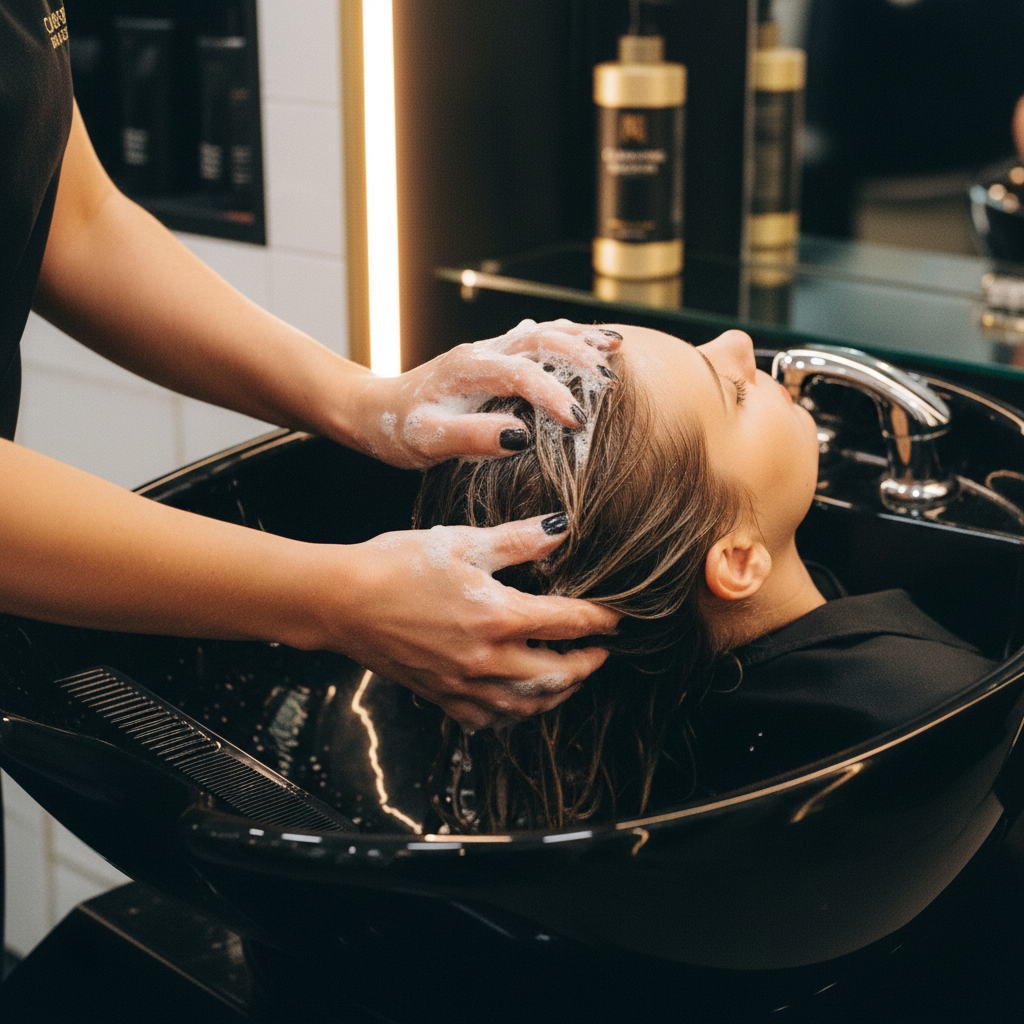
Quick answer: Learning how to do a clarifying wash involves using a shampoo specifically formulated to remove stubborn product residue, mineral build-up from hard water, and excess sebum that milder shampoos can't shift. It's a deep cleansing process that helps reset your hair and scalp, making hair feel lighter and more responsive to styling. Its main limitation is that over-frequent use can lead to dryness or colour fade, especially on certain hair types.
Key takeaways
- A clarifying wash deeply cleanses the hair and scalp, removing product build-up, hard water minerals, and excess oils.
- Look for clarifying shampoos containing strong surfactants and chelating agents for effective removal of various residues.
- Always follow a clarifying wash with a rich deep conditioner or hair mask to replenish moisture.
- The frequency of clarifying depends on your hair type, styling habits, and local water quality, typically ranging from every 2 to 4 weeks.
- Clarifying can temporarily affect colour-treated hair, making a chelating shampoo a gentler option for some.
- Signs you need a clarifying wash include dull, heavy-feeling hair, greasy scalp even after washing, or reduced effectiveness of styling products.
How to do a clarifying wash: what the evidence shows
A clarifying wash is a specific hair cleansing method designed to remove accumulated substances that regular shampoos might leave behind. These substances can include silicones, oils, waxes, polymers from styling products, mineral deposits from hard water, and even environmental pollutants. Over time, these can coat the hair fibre and scalp, leading to a dull appearance, a greasy or itchy scalp, and hair that feels heavy, unresponsive, or resistant to conditioning. Understanding how to do a clarifying wash effectively means selecting the right product and following a careful process.
Clarifying shampoos typically contain stronger surfactants (cleansing agents) than regular shampoos. Surfactants like sodium lauryl sulphate (SLS) or sodium laureth sulphate (SLES) are effective at solubilising and lifting oily residues and hydrophobic (water-repelling) substances from the hair and scalp. Some clarifying formulations also include chelating agents, such as ethylenediaminetetraacetic acid (EDTA), phytic acid, or citric acid. These compounds bind to metal ions, such as calcium and magnesium found in hard water, preventing them from redepositing on the hair and allowing them to be rinsed away more easily. This is particularly beneficial in regions with hard water, as mineral build-up can make hair feel rough, look dull, and even affect colour treatments (Journal of Cosmetic Science, 2011).
The primary mechanism of a clarifying wash is to break down and remove these various forms of build-up. By doing so, it allows the hair’s cuticle to lie flatter, improves light reflection for shine, and enables conditioners and other hair treatments to penetrate more effectively. For the scalp, it can help to clear clogged hair follicles, contributing to a healthier scalp environment. However, due to their potent cleansing action, clarifying shampoos can also remove some of the natural lipids (sebum) that protect the hair and scalp, which is why a deep conditioning step is crucial afterwards.
Signs you might benefit from a clarifying wash
Recognising when your hair and scalp need a deep cleanse is key to performing a clarifying wash at the right time. Here are common indicators:
- Dull-looking hair: If your hair lacks its usual shine and vibrancy, it could be covered in product or mineral residue.
- Greasy scalp, even after washing: Persistent oiliness or a "heavy" feeling at the roots can suggest sebum or product build-up that regular shampoo isn't fully removing. This relates to Scalp Health: The Foundation of Healthy Hair.
- Hair feels heavy or coated: When your hair feels weighed down, stiff, or has an unpleasant texture, it's often due to residue.
- Styling products don't work as well: If your hair no longer holds a style, or if mousses and gels seem ineffective, build-up might be creating a barrier.
- Difficulty with colour absorption: In some cases, excessive build-up can interfere with how well hair colour penetrates the hair shaft.
- Itchy or irritated scalp: While many things can cause scalp irritation (see Scalp Conditions: A Comprehensive Guide), build-up can contribute to an unhealthy scalp environment.
- Hair feels rough or dry from hard water: Mineral deposits from hard water can make the hair cuticle feel raised and coarse. For more detail, see Chelating Shampoos Explained.
What you can do: The clarifying wash process
Learning how to do a clarifying wash involves several distinct steps to ensure effective cleansing without over-drying the hair or scalp.
- Wet your hair thoroughly: Use warm water to fully saturate your hair. Warm water helps to gently lift the hair's cuticle, allowing the clarifying shampoo to access and clean the hair shaft more effectively. This also aids in loosening any superficial build-up.
- Apply clarifying shampoo: Dispense a sufficient amount of clarifying shampoo, typically a coin-sized amount for medium-length hair. Apply it directly to your scalp and roots first, as this is where most build-up accumulates. Work it into a rich lather, using the pads of your fingertips to gently massage the scalp for about 1 to 2 minutes. This massage helps to dislodge flakes, sebum, and product residue. Distribute the lather through to the ends, but the primary focus should remain on the scalp and roots.
- Rinse thoroughly: Rinse your hair with warm water until all traces of shampoo are gone and the water runs clear. It's common for hair to feel "squeaky clean" or even slightly rough after a clarifying wash. This is usually a sign that the build-up has been successfully removed.
- Repeat if necessary (infrequently): For very heavy build-up or if your hair still feels coated, a second, smaller application of clarifying shampoo may be beneficial. However, for most hair types and situations, one thorough wash is sufficient. Repeated clarifying can lead to excessive dryness.
- Apply a deep conditioner or hair mask: This is a crucial step after clarifying. Because clarifying shampoos are designed to strip away everything, they can also remove beneficial natural oils, leaving hair temporarily vulnerable and dry. Apply a generous amount of a rich, moisturising deep conditioner or a hair mask (like Watermans Masque Me) from the mid-lengths to the ends of your hair. Avoid applying heavy conditioners directly to the scalp unless specified for scalp treatment, as this can counteract the clarifying effect. Leave the conditioner on for the time recommended by the product, usually 5 to 15 minutes, to allow it to deeply moisturise and restore hydration.
- Rinse with cool water: Rinse out the conditioner with cool or lukewarm water. Cool water helps to close the hair cuticle, sealing in moisture and promoting shine.
When the cause may be something else
While build-up is a common issue, not all hair and scalp problems can be solved by learning how to do a clarifying wash. If you experience persistent issues, the cause might be different:
- Hair loss: A clarifying wash does not treat hair loss conditions like Androgenetic Alopecia or Telogen Effluvium. These require specific medical or topical treatments.
- Persistent dryness or breakage: If your hair remains dry, brittle, or prone to breakage even after clarifying and deep conditioning, the issue might be related to heat damage, chemical processing (see Hair Coloring and Bleaching: A Comprehensive Guide), or a lack of proper moisturising techniques (see Moisture and Hydration in Haircare). Over-clarifying can also lead to dryness.
- Chronic scalp conditions: Conditions like severe dandruff, psoriasis, or seborrheic dermatitis require targeted treatments, often medicated shampoos or topical solutions, which a clarifying wash is not designed to replace. Consult Scalp Conditions: A Comprehensive Guide for more information.
- Hormonal imbalances or nutritional deficiencies: These internal factors can significantly impact hair and scalp health, leading to issues like excessive oiliness or hair thinning. See Nutritional Impact on Hair for more.
Frequency of clarifying washes
The optimal frequency for a clarifying wash varies widely depending on individual factors:
| Factor | Recommendation |
|---|---|
| Hair Type | Oily hair: every 2 to 3 weeks. Normal hair: every 3 to 4 weeks. Dry/Fine hair: once a month or less. |
| Styling Habits | Frequent use of heavy styling products (gels, mousses, dry shampoos): every 2 weeks. Minimal product use: every 3 to 4 weeks. |
| Water Quality | Hard water areas: every 2 to 3 weeks (consider a chelating shampoo). Soft water areas: every 4 to 6 weeks. |
| Activity Level | Frequent swimming (chlorine exposure): after each swimming session, followed by deep conditioning. |
| Colour-Treated Hair | Infrequently, once every 4 to 6 weeks, or use a colour-safe chelating shampoo to minimise fade. |
It's important to observe how your hair and scalp respond. If your hair starts to feel excessively dry, brittle, or your scalp becomes irritated, reduce the frequency. If you notice signs of build-up reappearing quickly, you might need to clarify a little more often or re-evaluate your daily hair care routine and product choices (see How to Read a Shampoo Label and Styling Products).
When to get professional advice
If you consistently experience significant hair or scalp issues that don't improve with clarifying washes and appropriate aftercare, it's wise to seek advice from a dermatologist or trichologist. These specialists can diagnose underlying conditions, such as chronic scalp irritation, excessive hair shedding (Telogen Effluvium), or specific types of hair loss, and recommend targeted medical treatments. They can also provide personalised guidance on hair care routines tailored to your specific needs.
Frequently asked questions about How to do a clarifying wash
How often should I do a clarifying wash?
Most people benefit from a clarifying wash every 2 to 4 weeks. However, this varies. If you use a lot of styling products, have oily hair, or live in a hard water area, you might clarify every 2 weeks. For dry or colour-treated hair, once a month or less is generally sufficient. Pay attention to your hair's condition and adjust accordingly.
Can a clarifying wash cause hair damage?
While clarifying shampoos are effective at deep cleansing, they can strip away natural oils if used too often, potentially leading to dryness, dullness, or even temporary frizz. They don't cause permanent damage to the hair structure itself, but they can make the hair more vulnerable if not followed by a good conditioner. Always follow up with a deep conditioner or hair mask.
Is a clarifying shampoo the same as a chelating shampoo?
No, they are similar but have a key difference. All chelating shampoos are clarifying, but not all clarifying shampoos are chelating. Clarifying shampoos primarily remove product build-up and excess oil using strong surfactants. Chelating shampoos specifically contain ingredients (chelating agents like EDTA) designed to bind with and remove mineral deposits from hard water. Many modern clarifying shampoos combine both actions.
Can I make my own clarifying wash at home?
While some home remedies suggest using ingredients like apple cider vinegar or baking soda for clarifying, their effectiveness and safety can be inconsistent. Baking soda is highly alkaline, which can disrupt the hair's natural pH balance and damage the cuticle over time. Apple cider vinegar is acidic and can help remove some build-up, but it may not be as effective as a professionally formulated product for heavy residue or hard water minerals. For consistent and safe results, a purpose-made clarifying shampoo is recommended.
Will a clarifying wash remove hair dye?
A clarifying wash is not designed to remove permanent hair dye, but it can accelerate colour fade, especially with semi-permanent or vibrant colours. The strong cleansing agents can lift some pigment, making your colour appear duller faster. If you have colour-treated hair, consider using a chelating shampoo formulated to be colour-safe or clarify less frequently. Always follow with a deep conditioner designed for colour-treated hair.
What if my hair still feels greasy after a clarifying wash?
If your hair still feels greasy, you might not have used enough product, rinsed thoroughly enough, or the shampoo might not be potent enough for your level of build-up. Consider a second shampoo application, ensuring a good scalp massage and complete rinse. If the problem persists, your issue might be related to sebum overproduction, which may require specific scalp treatments or professional advice, or you might be using an overly rich conditioner too close to the scalp.
Watermans and clarifying washes
Watermans products are formulated to support healthy hair growth and scalp health. While Watermans Grow Me Shampoo and Conditioner are not traditional clarifying shampoos designed for heavy duty stripping, they contain ingredients that contribute to a healthy scalp environment, reducing the need for frequent harsh clarifying. Their gentle yet effective cleansing action helps manage sebum without over-drying, and their nourishing ingredients support the hair fibre. For those occasional times when a deeper clean is genuinely needed to remove significant build-up, a dedicated clarifying shampoo can be used, always followed by the deeply conditioning benefits of Watermans Condition Me or Watermans Masque Me to restore moisture and balance.
Sources and references
- Journal of Cosmetic Science, "The effect of hard water on hair", 2011. [Specific study or author not provided, but the general concept is well-documented in cosmetic science literature regarding hard water effects on hair.]
- British Association of Dermatologists, "Hair Loss".
- American Academy of Dermatology Association, "Hair care tips for all hair types".
- NHS, "Hair loss".
- National Institute of Environmental Health Sciences (NIEHS), "Hard Water and Health".
- A. D. Draelos, "Hair Cosmetics", Dermatologic Clinics, 2000.
- L. H. S. Lim et al., "Shampoos: Ingredients, Efficacy and Safety", 2021 (Review article, commonly found in dermatological or cosmetic science journals).