Choosing the Right Shampoo: A Comprehensive Guide to Hair Cleansing
18 min read ·
Choosing the Right Shampoo is essential for maintaining healthy hair and scalp, but it requires understanding your hair type and specific concerns.
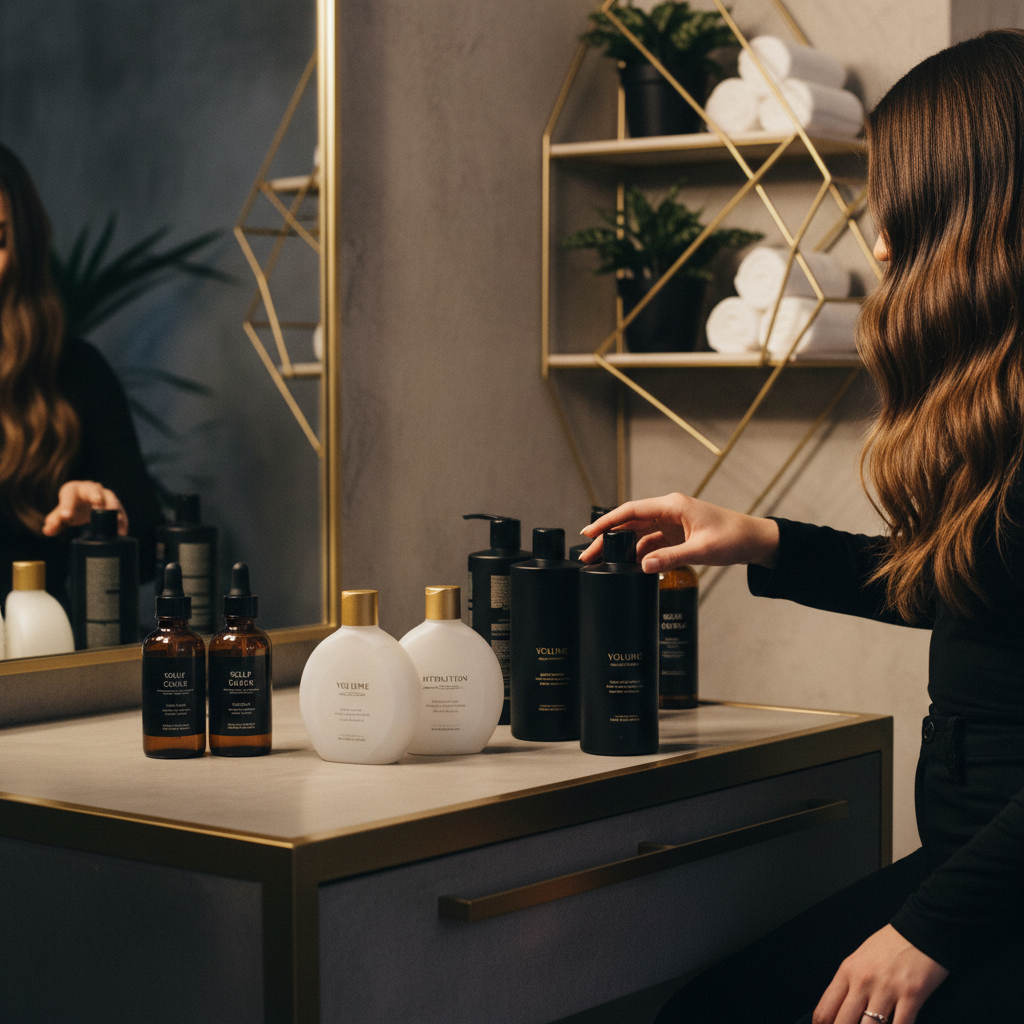
Quick answer: Choosing the Right Shampoo involves understanding your hair's unique needs and your scalp's condition. It's about matching the product's formulation to your hair type (such as fine, coarse, oily, or dry), porosity, and any specific concerns like an oily scalp or colour-treated hair. The primary goal of shampoo is to cleanse, but the right choice also helps maintain scalp health and hair integrity, ultimately supporting healthier-looking and stronger-feeling hair. Its effectiveness depends entirely on a careful match to your individual profile.
Key takeaways
- Shampoo's primary role is cleansing: It removes dirt, oil, and product build-up from the scalp and hair fibre.
- Scalp health dictates shampoo choice: Always address your scalp's primary concern first, whether it's oiliness, dryness, or sensitivity.
- Hair type matters: Consider your hair's texture (fine, medium, coarse), density, and porosity when selecting a shampoo to avoid weighing it down or drying it out.
- Ingredient focus: Understand common shampoo ingredients, like surfactants for cleansing and conditioning agents for moisture, to make informed choices.
- pH balance is important: Shampoos formulated with a pH close to that of hair and scalp (typically 4.5 to 5.5) help maintain cuticle health and reduce frizz.
- Product claims: While some ingredients may support healthier hair, cosmetic claims relate to appearance and feel, not medical treatment.
Choosing the Right Shampoo: what the evidence shows
Choosing the Right Shampoo is fundamentally about matching the product's chemical composition to your individual hair and scalp characteristics. Shampoo's primary function is to cleanse the hair and scalp by removing sebum, sweat, dead skin cells, environmental pollutants, and styling product residue. This is achieved through surfactants, which are cleansing agents that create lather and help lift impurities so they can be rinsed away with water.
However, effective cleansing should not strip the hair of essential moisture or irritate the scalp. The ideal shampoo leaves the hair clean, manageable, and soft, without causing dryness, frizz, or scalp discomfort. Modern shampoo formulations are complex, often containing a blend of surfactants, conditioning agents, thickeners, preservatives, and specific active ingredients targeting various concerns.
Understanding Your Scalp's Needs
Your scalp is the foundation for healthy hair growth, and its condition should be the first consideration when Choosing the Right Shampoo. A healthy scalp is free from excessive oiliness, dryness, flaking, or irritation. Different scalp conditions require different approaches:
- Oily Scalp: Excess sebum production can lead to hair that looks greasy shortly after washing. Shampoos for oily scalps often contain stronger cleansing surfactants or ingredients designed to help regulate oil without over-drying, which can sometimes trigger even more oil production. Look for formulations that provide a thorough cleanse without heavy conditioning agents. Over-washing can sometimes stimulate sebaceous glands, so balancing cleansing frequency is also important.
- Dry Scalp: Characterised by a lack of moisture, leading to tightness, itching, and sometimes fine flaking. This is different from dandruff. Shampoos for dry scalps typically contain mild surfactants and a higher concentration of moisturising ingredients such as emollients, humectants, and occlusives, which help to hydrate the scalp and prevent further moisture loss. Avoid strong clarifying shampoos if you have a dry scalp.
- Sensitive Scalp: Prone to irritation, redness, or itching in response to certain ingredients. Shampoos for sensitive scalps are usually fragrance-free, dye-free, and formulated with very gentle, often naturally derived, surfactants. They avoid common irritants like harsh sulfates (e.g., Sodium Lauryl Sulfate) and certain preservatives. Patch testing a new shampoo on a small area of the scalp is a good practice for those with known sensitivities.
- Dandruff: This common scalp condition is often caused by an overgrowth of Malassezia globosa, a yeast naturally present on the scalp, or a compromised skin barrier. Medicated shampoos containing active ingredients like zinc pyrithione, selenium sulphide, or ketoconazole are often used to manage dandruff. These ingredients work to control yeast proliferation and reduce inflammation, alleviating flaking and itching. Consult an article on Dandruff: Causes and Treatments Explained for more detailed information.
Matching Shampoo to Your Hair Fibre
Once your scalp's primary needs are addressed, consider your hair fibre's characteristics. The condition and structure of your hair also play a significant role in Choosing the Right Shampoo.
-
Hair Texture and Density: Hair texture refers to the circumference of individual strands (fine, medium, coarse), while density is the number of hairs per square inch on the scalp (thin, medium, thick). Fine, thin hair can be easily weighed down by rich, heavily conditioning shampoos, which may make it appear limp. Volumising shampoos often contain lighter conditioning agents and polymers designed to coat the hair shaft, creating the appearance of fuller hair without excessive weight. Coarse or thick hair, conversely, often benefits from more moisturising and smoothing formulations to combat dryness and manage frizz. These shampoos typically contain richer emollients.
-
Hair Porosity: Hair porosity describes the hair's ability to absorb and retain moisture, largely determined by the state of its outer layer, the cuticle. Understanding hair porosity can guide your shampoo choice to ensure optimal hydration without product build-up. For more in-depth knowledge, refer to Understanding Hair Porosity: How Your Hair Absorbs and Retains Moisture.
-
High Porosity: Hair with raised cuticles absorbs moisture quickly but loses it just as fast. This can result from damage (chemical treatments, heat styling) or be a natural characteristic. High porosity hair benefits from moisturising shampoos that contain emollients, humectants, and proteins to help seal the cuticle and retain hydration. These shampoos help hair feel smoother and less prone to breakage.
-
Low Porosity: Hair with tightly bound, overlapping cuticles resists moisture penetration. It can be prone to product build-up because ingredients sit on the surface rather than absorbing. Lighter, clarifying, or sulphate-free shampoos are often recommended for low porosity hair. These help cleanse effectively without adding excessive weight or residue, allowing moisture to penetrate more easily.
-
Medium Porosity: This hair type has a balanced cuticle structure, allowing for good moisture absorption and retention. It generally adapts well to a variety of shampoos but will still benefit from formulations targeting specific concerns (e.g., colour protection, frizz control).
-
Chemically Treated Hair: Hair that has undergone chemical processes like colouring, perms, or relaxers often has a compromised cuticle layer, making it more prone to dryness, damage, and colour fading. Colour-safe shampoos are typically sulphate-free or low-sulphate to prevent premature colour washout. They often contain ingredients that help to seal the cuticle, protect the colour molecules, and provide extra conditioning to mitigate damage. For more information, see Maintaining Colour-Treated Hair: A Guide to Longevity and Health.
The pH Factor
The pH of shampoo is a crucial, though often overlooked, factor. The natural pH of healthy hair and scalp is slightly acidic, typically between 4.5 and 5.5. Shampoos formulated to be pH-balanced (i.e., within this range) help to maintain the integrity of the hair's cuticle. When the cuticle is flattened and closed, hair appears smoother, shinier, and is less prone to tangling and breakage. Conversely, shampoos with a high (alkaline) pH can cause the cuticle to swell and lift, leading to increased friction, frizz, and vulnerability to damage, especially for chemically treated or high porosity hair. While many commercial shampoos are pH-balanced, it's a beneficial feature to look for, particularly if you experience cuticle-related issues.
What the evidence does not show
Despite marketing claims, there is currently no conclusive evidence that specific shampoos can treat or reverse follicular hair loss (alopecia). Cosmetic shampoos can support a healthier-looking scalp and minimise hair breakage, which may contribute to the appearance of fuller, stronger hair. However, they do not regrow hair in cases of genetic or autoimmune hair loss. For genuine hair loss concerns, professional medical advice is essential.
Similarly, while some shampoos are marketed as "hair growth" products, any benefits are typically indirect. They may create an optimal scalp environment, reduce breakage, or provide a temporary thickening effect. Ingredients like biotin, caffeine, or certain botanicals are often included, but controlled research has not consistently found these to directly stimulate new hair growth in the way pharmaceutical treatments can. Their primary benefit is often cosmetic, making existing hair feel stronger and look fuller.
When the cause may be something else and when to get professional advice
If you're experiencing persistent scalp issues, significant hair shedding, or hair loss, the problem might go beyond what a shampoo can address. Common issues like chronic dandruff, extreme scalp sensitivity, excessive oiliness, or noticeable changes in hair density could indicate underlying health conditions. These might include hormonal imbalances, nutritional deficiencies, skin conditions, or even stress.
It's advisable to consult a dermatologist or trichologist if:
- Your scalp condition (dandruff, dryness, itching) doesn't improve after several weeks of using appropriate shampoos.
- You notice unusual or excessive hair shedding that isn't temporary (e.g., after childbirth or severe illness, which is often telogen effluvium).
- You observe patches of hair loss, significant thinning, or inflammation on the scalp.
- You suspect your hair issues are linked to an internal health problem.
These professionals can diagnose the root cause and recommend appropriate medical treatments or lifestyle changes, rather than relying solely on cosmetic solutions.
Matching Shampoo to Your Needs: A Quick Reference
| Hair/Scalp Type | Recommended Shampoo Focus | Considerations ## Choosing the Right Shampoo for Your Hair Type: What to Look For
To make an informed decision when Choosing the Right Shampoo, you need to consider both your scalp type and the specific characteristics of your hair fibre. This section details how different hair and scalp concerns influence the most suitable shampoo choice.
Hair and Scalp Conditions
Each scalp type has distinct needs:
- Normal Scalp: A balanced scalp that is neither excessively oily nor dry, with no significant flaking or itching. This scalp type can use a wide range of shampoos. The focus can shift more towards specific hair concerns.
- Oily Scalp: Characterised by overactive sebaceous glands producing excess sebum. This can lead to hair looking greasy quickly after washing. Shampoos for oily scalps often contain more robust cleansing agents to effectively remove excess oil. Ingredients like salicylic acid can help exfoliate the scalp and regulate sebum, but evidence for long-term sebum reduction from topical shampoo use is limited. The goal is to provide a thorough cleanse without stripping the scalp to the point of irritation, which can sometimes trigger increased oil production as a protective response. Consult Oily Scalp Care: Understanding and Managing Excess Sebum for more information.
- Dry Scalp: Lacking sufficient moisture and natural oils, leading to tightness, itching, and fine, dry flakes (distinct from dandruff). Shampoos for dry scalps prioritise gentle cleansing and a high concentration of hydrating ingredients. Look for mild surfactants and formulations rich in emollients (like natural oils or shea butter) and humectants (such as glycerin or hyaluronic acid) to attract and retain moisture in the scalp. These products aim to soothe and replenish the scalp's moisture barrier. See Hair Hydration: The Science Behind Keeping Hair Moist for related insights.
- Sensitive Scalp: Easily irritated, leading to redness, itching, or discomfort from certain ingredients. Shampoos for sensitive scalps are typically formulated to be hypoallergenic, fragrance-free, and dye-free. They utilise ultra-mild surfactants and avoid common irritants, including harsh sulfates. It's always wise to check ingredient lists carefully and consider patch-testing a new product if you have a history of sensitivity. Read Anti-inflammatory Ingredients: Soothing Your Scalp for Healthier Hair for details on calming ingredients.
- Dandruff-Prone Scalp: Characterised by persistent flaking, often accompanied by itching and sometimes redness. This is frequently linked to the overgrowth of Malassezia globosa yeast. Medicated shampoos containing active antifungal agents such as zinc pyrithione (1% to 2%), selenium sulphide (1% to 2.5%), or ketoconazole (1% to 2%) are recommended. These ingredients work to control yeast levels and reduce inflammation. For chronic or severe cases, a consultation with a healthcare professional is advisable. More in-depth information is available in Dandruff: Causes and Treatments Explained.
Hair Fibre Characteristics
After addressing scalp concerns, consider your hair's unique structure and condition:
- Hair Texture: Refers to the individual strand's circumference. Fine hair is delicate and easily weighed down, benefiting from lightweight, volumising shampoos that provide lift without heavy conditioning. Medium hair is versatile. Coarse hair is thicker and often requires more intensive moisture and smoothing ingredients to combat dryness and frizz. For more, explore Fine Hair: A Complete Guide to Understanding and Care.
- Hair Density: The number of hair strands per square inch. Thin density hair often benefits from volumising formulations, while thick density hair can tolerate richer, more conditioning shampoos. The aim is to choose a shampoo that complements the hair's volume without making it feel heavy or unruly.
- Hair Porosity: This describes how well your hair absorbs and retains moisture, influenced by the cuticle layer. You can learn more about this in Understanding Hair Porosity: How Your Hair Absorbs and Retains Moisture.
- High Porosity Hair: Has a raised or damaged cuticle, absorbing moisture quickly but losing it just as fast. It often feels dry and prone to breakage. Shampoos for high porosity hair should be highly moisturising, containing emollients, humectants, and sometimes proteins, to help smooth the cuticle and retain hydration. These can make hair feel stronger and more resilient.
- Low Porosity Hair: Has tightly closed cuticles, making it resistant to moisture penetration and prone to product build-up. It can feel greasy or heavy easily. Lighter, clarifying, or sulphate-free shampoos are often best. They effectively cleanse without depositing too much residue, allowing subsequent conditioning to be more effective. See Sulfate-Free Shampoo Benefits for further reading.
- Medium Porosity Hair: A balanced cuticle that absorbs and retains moisture well. This hair type is generally adaptable to various shampoos, but a focus on maintaining overall health and addressing specific concerns (e.g., colour protection, frizz) is still beneficial.
- Chemically Treated or Colour-Treated Hair: Processes like colouring, perms, or relaxers alter the hair's structure, making it more vulnerable to damage, dryness, and colour fade. Colour-safe shampoos are formulated with mild cleansing agents (often sulphate-free) and ingredients that help seal the cuticle, protecting colour molecules and providing extra conditioning. These choices help to maintain the vibrancy of the colour and the health of the hair fibre. Refer to Maintaining Colour-Treated Hair: A Guide to Longevity and Health.
- Coily/Afro-Textured Hair: This hair type is often naturally drier due to its unique curl pattern, which makes it harder for natural oils to travel down the hair shaft. It benefits greatly from ultra-moisturising, sulphate-free shampoos that cleanse gently while infusing moisture. Look for rich formulations with natural oils and butters to prevent breakage and maintain hydration. See Caring for Afro Hair and How to Moisturise Afro Hair for more tailored advice.
Common Shampoo Types and Their Benefits
Modern shampoos are formulated with various ingredients to address these specific needs:
- Clarifying Shampoos: These contain stronger surfactants (like Sodium Laureth Sulfate) designed to remove heavy product build-up, excess oil, and mineral deposits from hard water. They are effective for occasional deep cleansing, typically used once every 2 to 4 weeks, but can be too drying for frequent use, especially on dry or chemically treated hair. For a full guide, explore How to Do a Clarifying Wash: A Guide to Deep Hair Cleansing.
- Moisturising/Hydrating Shampoos: Rich in emollients (e.g., argan oil, shea butter, silicones) and humectants (e.g., glycerin), these shampoos are designed to replenish moisture, reduce frizz, and improve hair softness and manageability. Ideal for dry, coarse, or damaged hair.
- Volumising Shampoos: Formulated with lighter conditioning agents and often polymers, these aim to lift the hair at the roots and coat the strands to create the appearance of fuller hair without weighing it down. Best for fine or thin hair.
- Sulphate-Free Shampoos: Utilise milder cleansing agents (e.g., cocamidopropyl betaine, sodium cocoyl isethionate). They produce less lather but are gentler on the scalp and hair, making them suitable for sensitive scalps, colour-treated hair, and those with dry or coily textures. These can help reduce colour fade and maintain natural moisture levels. Read The Benefits of Sulfate-Free Hair Products for more detail.
- pH-Balanced Shampoos: Formulated with a pH level between 4.5 and 5.5, mimicking the natural acidity of hair and scalp. This helps to keep the hair cuticle closed, enhancing shine, reducing frizz, and protecting against environmental damage and colour loss. This is especially important for maintaining the integrity of the hair fibre.
What you can do: Practical Tips for Choosing the Right Shampoo
- Identify Your Primary Concern: Is it an oily scalp, dry hair, colour protection, or sensitivity? Prioritise this concern first when looking at product descriptions.
- Read Ingredient Labels: Familiarise yourself with common ingredients. Look for mild surfactants if you have sensitive skin (e.g., coco-glucoside, decyl glucoside) and moisturising agents for dry hair (e.g., panthenol, glycerin, natural oils). Avoid known irritants if you have a sensitive scalp.
- Consider Your Environment: If you live in a hard water area, occasional clarifying washes might be necessary. Hard Water and Hair Damage: Understanding the Impact on Your Hair provides useful context.
- Listen to Your Hair and Scalp: Pay attention to how your hair and scalp feel after washing. If your scalp is itchy, dry, or your hair feels stripped, your shampoo might be too harsh. If your hair still feels greasy or heavy, it might not be cleansing effectively enough.
- Don't Be Afraid to Experiment (Sensibly): It may take trying a few different shampoos to find the perfect match. Give a new shampoo about 2 to 4 weeks to see its full effect.
- Watermans Hair Growth Products: For those specifically seeking to support the appearance of fuller, stronger, and healthier-looking hair, Watermans offers a range of hair care products formulated with a blend of ingredients including Biotin, Caffeine, and Rosemary Extract. These ingredients are chosen to help maintain a healthy scalp environment and to cosmetically improve the strength and condition of existing hair, which can contribute to reducing hair breakage and promoting the look of thickness. Watermans GrowMe Shampoo and ConditionMe Conditioner are designed to work together as a system to cleanse gently while delivering nourishing ingredients.
Frequently asked questions about Choosing the Right Shampoo
How often should I shampoo my hair?
The ideal frequency varies based on your hair type, scalp oiliness, and activity level. People with oily scalps or who exercise frequently might wash daily or every other day. Those with dry, coarse, or coily hair might wash less often, perhaps once or twice a week, to preserve natural oils. The key is to wash when your scalp feels dirty or oily, not on a fixed schedule. Over-washing can sometimes strip hair, while under-washing can lead to product build-up and scalp issues.
Can shampoo cause hair loss?
No, shampoo does not directly cause follicular hair loss or alopecia. Its primary function is external cleansing. However, a shampoo that is too harsh or irritating for your scalp can lead to dryness, irritation, or even increased hair shedding (telogen effluvium) if the scalp health is severely compromised. It can also cause hair breakage if it makes your hair tangled or brittle. If you notice unusual shedding, it's more likely related to internal factors or conditions requiring medical attention.
Are sulphate-free shampoos better for everyone?
Sulphate-free shampoos use milder surfactants and are generally gentler on the hair and scalp. They are particularly beneficial for those with sensitive scalps, colour-treated hair (to minimise fading), dry or high porosity hair, and coily/Afro-textured hair (to retain moisture). However, for very oily scalps or those with significant product build-up, a sulphate-containing clarifying shampoo might be necessary occasionally for a deeper cleanse. It's about matching the product to your specific needs, rather than a universal "better" or "worse."
What does "pH balanced" mean in a shampoo?
"pH balanced" means the shampoo's acidity level is close to the natural pH of healthy hair and scalp, typically between 4.5 and 5.5. Maintaining this slightly acidic environment helps to keep the hair's cuticle layer smooth and closed. This results in shinier hair, less frizz, and better protection against damage and colour fade. Using a pH-balanced shampoo supports the overall integrity and health of the hair fibre, making it an important factor when Choosing the Right Shampoo.
How can I tell if a shampoo is too harsh for my hair?
Signs a shampoo might be too harsh include your hair feeling "squeaky clean" and stripped, excessive tangling, increased frizz, or a dry, itchy, or irritated scalp after washing. If your hair feels brittle, lacks shine, or your colour fades quickly, these could also be indicators. A gentle shampoo should leave your hair feeling clean but still soft, manageable, and hydrated. If you experience these symptoms, consider switching to a milder, more moisturising, or sulphate-free alternative.
Conclusion
Making an informed decision about Choosing the Right Shampoo is a cornerstone of effective hair care. It requires a thoughtful assessment of your individual scalp condition and hair fibre characteristics, such as texture, density, and porosity. By understanding the role of different shampoo types and their key ingredients, you can select a product that not only cleanses effectively but also supports your hair's health and appearance, leading to hair that feels stronger and looks more vibrant. Remember, hair care is a personal journey, and what works best for one person may not be ideal for another. Tailoring your choice to your unique needs is always the most effective approach.
Sources and references
- American Academy of Dermatology Association. (n.d.). Hair loss: Diagnosis and treatment. Aad.org
- British Association of Dermatologists. (n.d.). Hair Facts. Bad.org.uk
- Gavazzoni Dias, M. F. R. (2015). Hair Cosmetics: An Overview. International Journal of Trichology, 7(1), 2-15. Doi.org/10.4103/0974-7753.153493
- Gavazzoni Dias, M. F. R. (2020). Cosmetology of Hair Care. Journal of Clinical & Experimental Dermatology Research, 11(3), 1000508. Doi: 10.35248/2155-9554.20.11.508
- National Health Service (NHS). (n.d.). Hair loss. Nhs.uk
- Paula Begoun. (2010). The Original Beauty Bible: The Essential Guide to Smart Beauty Choices. Beginning Press.
- Robbins, C. R. (2012). Chemical and Physical Behavior of Human Hair. Springer Science & Business Media.
- Sethi, S., & Singh, A. (2014). An Overview on Shampoos: Past to Present. International Journal of Pharma Sciences and Research (IJPSR), 5(11), 932-944.
- Trüeb, R. M. (2015). Shampoos: role in scalp and hair health. International Journal of Trichology, 7(2), 64-67. Doi.org/10.4103/0974-7753.160167
- University of California, San Francisco (UCSF) Health. (n.d.). Dandruff. Ucsfhealth.org
Find these ingredients in Watermans products
- Biotin: you will find this ingredient in our Hair Growth Shampoo.
- Zinc: you will find this ingredient in our Hair Vitamins.
- Panthenol (Provitamin B5): you will find this ingredient in our Heat Protection Spray.
- Shea Butter: you will find this ingredient in our Curly Hair Conditioner.