Treating Dandruff Effectively: An Evidence-Based Guide
9 min read ·
Treating Dandruff Effectively involves understanding its causes, primarily a yeast overgrowth, and using targeted treatments to manage flakes and itching.
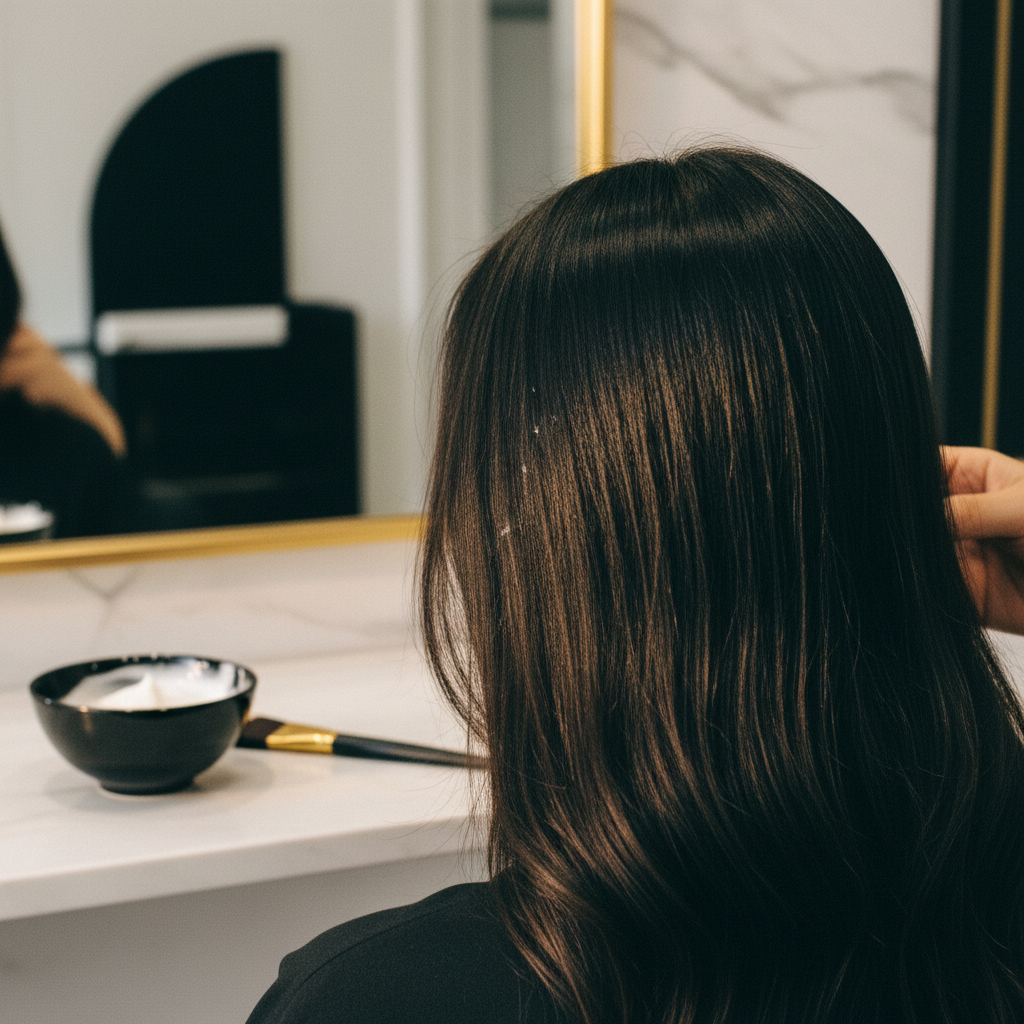
Quick answer: Treating Dandruff Effectively often involves using shampoos with specific active ingredients to control the overgrowth of a common scalp yeast and reduce inflammation. While most cases respond well to over-the-counter options, persistent symptoms might indicate a need for professional medical advice, as underlying conditions can sometimes mimic dandruff. This guide outlines evidence-based strategies for managing this common scalp condition.
Key takeaways
- Dandruff is primarily caused by an overgrowth of Malassezia globosa, a yeast naturally found on the scalp, leading to flaking and itching.
- Effective treatment often involves medicated shampoos containing anti-fungal or exfoliating ingredients like zinc pyrithione, selenium sulfide, ketoconazole, or salicylic acid.
- Consistent use of appropriate anti-dandruff products, combined with good scalp hygiene, is crucial for managing symptoms.
- Lifestyle factors such as stress management and avoiding irritating hair products can support overall scalp health.
- If over-the-counter treatments don't work, or if symptoms are severe, professional medical advice should be sought to rule out other conditions.
Treating Dandruff Effectively: what the evidence shows
Treating Dandruff Effectively requires a targeted approach, as dandruff is a common, non-contagious scalp condition caused by an inflammatory response to an overgrowth of Malassezia globosa, a yeast that naturally lives on the skin. This yeast feeds on sebum, the natural oil produced by the scalp. When Malassezia grows excessively, it can accelerate skin cell turnover, leading to the characteristic flakes, itching, and sometimes redness associated with dandruff.
Evidence shows that the most effective treatments work by either reducing the Malassezia population, slowing down skin cell turnover, or both. Over-the-counter (OTC) products are the first line of defence for most people, and many contain well-researched active ingredients. These are typically applied topically as shampoos, allowing the active compounds to interact directly with the scalp.
The mechanism of dandruff: why you get flakes and itch
Dandruff, clinically known as pityriasis capitis, results from a complex interaction between scalp sebum, the Malassezia globosa yeast, and an individual's immune response. Everyone has Malassezia on their scalp, but in some people, it triggers an inflammatory reaction. This reaction causes the skin cells on the scalp to mature and shed too quickly, clumping together to form visible flakes. The inflammation also leads to itching, a hallmark symptom of dandruff.
Factors like excess sebum production (common in people with oily skin and hair), hormonal changes, stress, infrequent washing, and even certain neurological conditions can contribute to a dandruff flare-up. It's important to note that dandruff is not caused by poor hygiene, though infrequent washing can allow a build-up of skin cells and oils, making flakes more noticeable.
Recognising dandruff: signs and symptoms
Identifying dandruff typically involves observing its characteristic symptoms. The most common signs are:
- Flakes: White or yellowish scales of dead skin shedding from the scalp. These are often visible on hair, shoulders, and clothing.
- Itching: An irritating sensation on the scalp, which can range from mild to intense.
- Redness and irritation: In more severe cases, particularly with seborrheic dermatitis (a more intense form of dandruff), the scalp may appear red and inflamed. This can also lead to a feeling of tightness or tenderness on the scalp.
It's important to differentiate dandruff from other scalp conditions that might present with similar symptoms. For instance, a dry scalp typically produces smaller, whiter flakes and a feeling of tightness, often without significant inflammation. Psoriasis, on the other hand, involves thicker, silvery scales and well-defined red patches. A dermatologist can provide a definitive diagnosis if there's any uncertainty.
What you can do: active ingredients for Treating Dandruff Effectively
Treating Dandruff Effectively often begins with selecting the right medicated shampoo. These products contain active ingredients that target the underlying causes of dandruff. Consistency in use is key; follow the product instructions carefully, which often advise leaving the shampoo on the scalp for a few minutes to allow the ingredients to work before rinsing thoroughly. Initial treatment might involve daily or every-other-day use, gradually reducing to 2 to 3 times per week as symptoms improve.
Here are some of the most common and effective active ingredients:
| Active Ingredient | Primary Mechanism of Action | Common Use & Notes |
|---|---|---|
| Zinc Pyrithione | Anti-fungal, anti-bacterial | Widely available in OTC shampoos. Reduces Malassezia growth and soothes irritation. Generally well-tolerated for regular use. |
| Selenium Sulfide | Anti-fungal, cytostatic | Reduces Malassezia and slows down the rate at which skin cells die and flake off. Can sometimes discolour light-coloured hair or leave a residue if not rinsed thoroughly. |
| Ketoconazole | Potent anti-fungal | Highly effective against Malassezia. Available in OTC concentrations (often 1%) and prescription strengths (2%) for more severe cases. |
| Coal Tar | Cytostatic | Slows skin cell growth and reduces inflammation. Can have a strong, medicinal odour and may stain light hair or fabrics. Some people find it irritating. |
| Salicylic Acid | Keratolytic (exfoliant) | Helps to soften and remove scales and flakes from the scalp. Often combined with other active ingredients. Does not directly treat the yeast but helps clear the scalp. |
Lifestyle and hair care adjustments for a healthy scalp
Alongside medicated treatments, certain lifestyle and hair care practices can significantly aid in Treating Dandruff Effectively and maintaining scalp health:
- Regular Washing: Washing hair regularly with a gentle shampoo helps to remove excess oil, dead skin cells, and product build-up, preventing an ideal environment for Malassezia to thrive. However, avoid excessive washing that might strip the scalp's natural oils and cause irritation. Consider "Choosing the Right Shampoo" for your hair type.
- Avoid Irritating Products: Some individuals may experience contact dermatitis from certain ingredients in shampoos, conditioners, or styling products, which can mimic or worsen dandruff symptoms. Opt for fragrance-free or hypoallergenic options if sensitivities are suspected. See also "Sulfate-Free Shampoo Benefits" for gentle cleansing.
- Manage Stress: While not a direct cause, psychological stress can compromise the immune system, potentially making the scalp more susceptible to flare-ups. Implementing stress-reduction techniques such as mindfulness, yoga, or regular exercise can indirectly benefit scalp health.
- Healthy Diet: Although not a direct cure, a balanced diet rich in essential fatty acids, vitamins, and minerals supports overall skin health, including the scalp. Some research suggests a link between gut health and skin conditions, but direct dietary interventions for dandruff lack strong evidence.
- Limit Styling Product Buildup: Excessive use of styling gels, mousses, and sprays can lead to residue build-up on the scalp, potentially worsening dandruff or mimicking its symptoms. Ensure thorough rinsing after use. Our guide on "How to Do a Clarifying Wash: A Guide to Deep Hair Cleansing" can help with this.
What the evidence does not show about Treating Dandruff Effectively
While many claims circulate, certain popular ideas about dandruff and its treatment lack strong scientific backing:
- Dandruff is caused by dry scalp: While a dry scalp can flake, it's typically different from dandruff, which is an inflammatory response to yeast. A dry scalp usually presents with smaller, finer flakes and a feeling of tightness, often improving with moisturising treatments rather than anti-fungals.
- Diet is a primary cause or cure: While a balanced diet supports general health, there's no definitive evidence that specific foods directly cause or cure dandruff. Anecdotal reports linking sugar intake to flare-ups exist, but controlled research has not found a strong, consistent link.
- Natural remedies are always effective: Many home remedies like apple cider vinegar, tea tree oil, or baking soda are suggested for dandruff. While some, like tea tree oil, have some anti-fungal properties, their efficacy for dandruff is often less consistent and well-studied than established medicated ingredients. Always exercise caution and consult a healthcare professional before relying solely on unproven remedies, especially for persistent conditions.
When the cause may be something else and when to get professional advice
While most cases of dandruff can be managed effectively with over-the-counter products and lifestyle adjustments, it is advisable to consult a general practitioner or dermatologist if:
- Over-the-counter treatments do not improve symptoms after several weeks of consistent use, or if they worsen the condition.
- The itching, redness, or flaking is severe, widespread, or extends beyond the scalp to other areas like the face, ears, or chest.
- You suspect your condition might be something other than dandruff, such as psoriasis, eczema, or a bacterial or fungal infection that requires a different course of treatment. These conditions can sometimes present similarly to dandruff but require specific medical interventions.
- You experience hair loss in conjunction with scalp symptoms. This can indicate a more serious underlying issue that needs professional assessment.
- The condition is causing significant discomfort, embarrassment, or affecting your quality of life.
A dermatologist can provide a precise diagnosis through examination and, if necessary, recommend stronger prescription treatments. These might include topical corticosteroids to reduce inflammation, or stronger anti-fungal medications not available over the counter.
Frequently asked questions about Treating Dandruff Effectively
How often should I wash my hair when Treating Dandruff Effectively?
Initially, washing your hair with an anti-dandruff shampoo every other day or as directed by the product instructions is often recommended. As symptoms improve, you can reduce the frequency to 2 to 3 times per week, or as needed to keep flakes and itching under control. Regular washing helps remove oil and dead skin cells, preventing build-up without over-drying the scalp.
Can stress cause dandruff?
Stress doesn't directly cause dandruff, but it can certainly exacerbate it. When you're stressed, your immune system may be weakened, making your scalp more susceptible to flare-ups of Malassezia yeast, which is the primary cause of dandruff. Managing stress through relaxation techniques or exercise can therefore be a helpful complementary strategy for Treating Dandruff Effectively.
Is dandruff related to hair loss?
Dandruff itself does not typically cause permanent hair loss (alopecia). However, severe dandruff can lead to intense itching, and vigorous scratching can damage hair follicles and cause temporary hair shedding or breakage. If you notice significant hair loss alongside dandruff, it's important to consult a doctor, as it could indicate another underlying condition that requires medical attention.
Can hair products make dandruff worse?
Yes, certain hair products can make dandruff worse or even trigger symptoms. Heavy styling products, waxes, or gels can build up on the scalp, trapping oils and creating a more favourable environment for Malassezia yeast. Additionally, some ingredients in shampoos or conditioners can irritate a sensitive scalp, leading to contact dermatitis, which can mimic or worsen dandruff symptoms. Opt for gentler, fragrance-free products if you have a sensitive scalp.
How long does it take to see results when Treating Dandruff Effectively?
Most people start to see an improvement in dandruff symptoms within 2 to 4 weeks of consistently using an effective anti-dandruff shampoo. However, complete resolution can take longer, and ongoing maintenance might be necessary for some individuals. If you don't see improvement after a month of consistent use, or if symptoms worsen, it's advisable to consult a healthcare professional.
Conclusion
Treating Dandruff Effectively involves a clear understanding of its fungal and inflammatory origins. While it's a common and often frustrating condition, a combination of medicated shampoos containing proven active ingredients and careful scalp care can bring significant relief. For most, over-the-counter solutions are highly effective, offering a straightforward path to a healthier, flake-free scalp. When symptoms are persistent or severe, seeking professional medical advice is a sensible next step, ensuring any underlying conditions are addressed and tailored treatments can be prescribed, ultimately leading to successful management of dandruff.
Sources and references
- American Academy of Dermatology Association, Dandruff: Diagnosis and Treatment, aad.org
- National Health Service (NHS), Dandruff, 2023, nhs.uk
- Dermatology Times, Malassezia Globosa: A Common Culprit in Dandruff and Seborrheic Dermatitis, 2020
- Piquero-Casals, J., et al. "Dandruff: A Review of the Condition and Modern Management." Clinical, Cosmetic and Investigational Dermatology, vol. 12, 2019, pp. 893-903. pubmed.ncbi.nlm.nih.gov/31807099/
- DermNet NZ, Seborrhoeic dermatitis, dermnetnz.org/topics/seborrhoeic-dermatitis
- Journal of Clinical and Aesthetic Dermatology, An Update on the Management of Seborrheic Dermatitis: A Critical Review, 2014, ncbi.nlm.nih.gov/pmc/articles/PMC4852869/
Find these ingredients in Watermans products
- Zinc: you will find this ingredient in our Hair Vitamins.