Hair Washing Techniques: A Guide to Effective Cleansing and Hair Health
8 min read ·
Effective Hair Washing Techniques are crucial for maintaining hair and scalp health, involving steps from water temperature to product application and rinsing, though optimal methods vary by individual hair type and concerns.
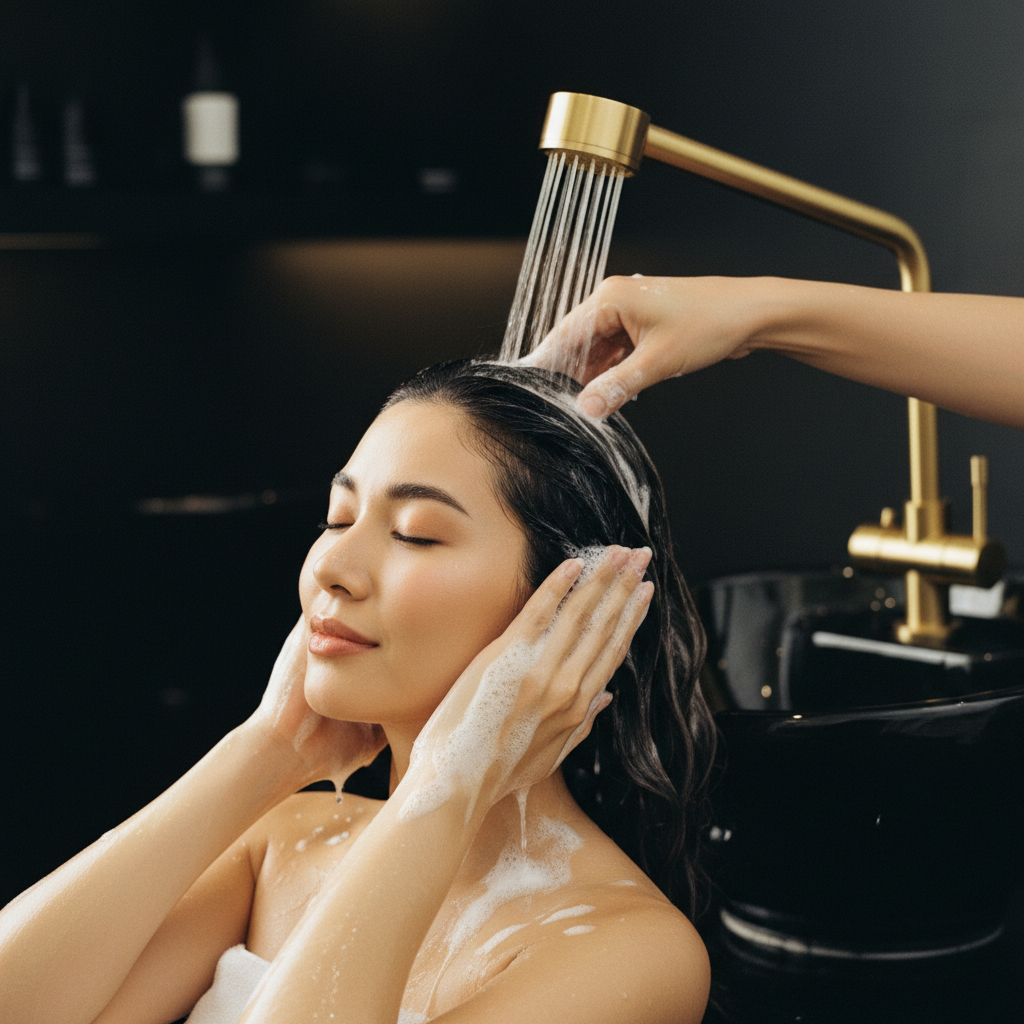
Quick answer: Effective Hair Washing Techniques are fundamental for maintaining healthy hair and a balanced scalp. They involve careful consideration of water temperature, proper shampoo and conditioner application, and gentle rinsing, all tailored to your specific hair type and needs. However, the "best" technique is highly individual, as factors like scalp oil production, hair texture, and lifestyle significantly influence what works best for you.
Key takeaways
- Lukewarm water is ideal for shampooing to help cleanse effectively without stripping natural oils.
- Focus shampoo on the scalp to remove sebum and buildup, allowing suds to cleanse the hair fibre during rinsing.
- Conditioner should be applied from mid-lengths to ends to hydrate without weighing down the roots.
- Gentle handling throughout the process, from detangling to drying, minimises friction and breakage.
- Washing frequency is personal, ranging from daily for oily scalps to weekly or less for dry or coily hair.
- Specialised Hair Washing Techniques, like co-washing, can benefit specific hair types by addressing unique moisture needs.
Hair Washing Techniques: What the Evidence Shows
Proper Hair Washing Techniques are more than just applying products; they are a cornerstone of maintaining scalp health and the integrity of the hair fibre. The goal is to effectively remove excess sebum, product residue, and environmental pollutants without excessively stripping the hair's natural lipids or irritating the scalp. Research and dermatological consensus highlight several key elements that contribute to an effective and healthy washing routine.
One critical aspect is the frequency of washing. There is no universal "right" answer, as individual factors play a significant role. For instance, people with oily scalps, characterised by higher sebum production, may benefit from washing every 1 to 2 days to prevent oil accumulation and associated issues like folliculitis or seborrheic dermatitis. Conversely, individuals with dry scalps or textured hair (such as curly or coily types) often produce less sebum or have hair structures that distribute oils less effectively, making less frequent washing (e.g., once a week or every two weeks) more appropriate to preserve moisture. Studies often suggest that overwashing can lead to dryness and irritation, while underwashing can contribute to product buildup and scalp imbalances, potentially impacting the scalp microbiome (Journal of Clinical and Aesthetic Dermatology, 2017).
Water temperature also influences the outcome of Hair Washing Techniques. Lukewarm water is widely recommended for shampooing. It helps to loosen dirt and oil effectively without causing excessive swelling of the hair cuticle or stripping essential lipids. Hot water can be detrimental, potentially increasing cuticle porosity, leading to moisture loss and a feeling of dryness, and may exacerbate scalp irritation. Cooler water for the final rinse, however, can help to gently close the cuticle, which may enhance shine and reduce frizz (International Journal of Trichology, 2011). This is a cosmetic benefit, making hair appear smoother rather than changing its inherent structure.
The application of shampoo and conditioner follows distinct principles. Shampoo is primarily for the scalp, where sebum and product buildup accumulate. Gentle massage with fingertips stimulates the scalp and lifts impurities, and the lather created cleanses the hair fibre as it rinses. Conditioner, on the other hand, is generally applied from the mid-lengths to the ends of the hair, as these are the oldest and most susceptible parts to damage and dryness. Applying conditioner primarily to the scalp can weigh down fine hair or contribute to oiliness (Cosmetic Science Technology, 2018).
The Mechanism of Cleansing and Conditioning
Shampoo works through surfactants, which are molecules with both a water-attracting (hydrophilic) and oil-attracting (lipophilic) end. These surfactants emulsify oils and dirt, allowing them to be rinsed away with water. While effective, some surfactants, particularly harsh sulphates, can be very efficient at removing natural oils, potentially leading to dryness for some individuals. (See also: Sulfate-Free Shampoo Benefits).
Conditioners, in contrast, aim to deposit beneficial ingredients onto the hair fibre. These often include cationic surfactants, which have a positive charge that is attracted to the hair's negatively charged surface, helping to smooth the cuticle, reduce static, and improve detangling. Other ingredients like emollients and humectants help to soften, moisturise, and improve the hair's manageability. (See also: The Science of Conditioners: How Hair Care Formulations Work and Hair Hydration: The Science Behind Keeping Hair Moist).
When to Adapt Your Hair Washing Techniques
Your hair washing routine isn't set in stone. Adapting your approach based on specific hair and scalp conditions can significantly improve outcomes.
For an Oily Scalp
If you experience excessive oiliness, you might need to wash more frequently. Look for shampoos designed for oily hair or scalp, which often contain ingredients to help regulate sebum production without over-drying the hair fibre. Gentle scrubbing during shampooing can also help dislodge oil and dead skin cells without overstimulating sebaceous glands. (See also: Oily Scalp Care: Understanding and Managing Excess Sebum).
For Dry or Damaged Hair
Dry or damaged hair benefits from less frequent washing and a focus on moisture. Consider using a hydrating shampoo and a rich conditioner. Leave-in conditioners can also be beneficial. Minimising heat exposure and using gentle Hair Washing Techniques can prevent further damage. (See also: Hair Damage: Causes, Signs, and Solutions).
For Curly or Coily Hair
These hair types are often prone to dryness and benefit from practices that retain moisture. Co-washing (conditioner-only washing) can be an excellent alternative to traditional shampooing, as it cleanses without stripping natural oils. When shampooing, use a sulfate-free product and focus on gentle cleansing. Detangling before wetting and with conditioner in can also reduce breakage. (See also: Caring for Curly Hair and How to Detangle Afro Hair Without Breakage).
For Hard Water Areas
Hard water, rich in minerals like calcium and magnesium, can build up on hair, leaving it dull, dry, and difficult to manage. If you live in a hard water area, you might notice your hair feels less clean or more brittle despite proper washing techniques. Using a chelating or clarifying shampoo periodically can help remove mineral buildup. (See also: Hard Water and Hair Damage: Understanding the Impact on Your Hair).
Common Hair Washing Mistakes and Corrections
| Mistake | Consequence | Correction |
|---|---|---|
| Washing with excessively hot water | Stripping natural oils, increased dryness, potential scalp irritation | Use lukewarm water for shampooing, cool water for the final rinse |
| Over-shampooing hair ends | Dryness, frizz, increased risk of breakage, and split ends | Concentrate shampoo on the scalp; let the lather cleanse ends during rinsing |
| Aggressive scrubbing of the scalp | Scalp irritation, potential for micro-abrasions, overstimulation of oil glands | Use the pads of your fingertips to gently massage the scalp in small, circular motions |
| Incomplete rinsing of products | Product residue, dullness, greasy appearance, scalp irritation, potential dandruff | Rinse thoroughly until the water runs clear and hair feels clean, not slippery |
| Skipping conditioner or improper application | Dryness, tangling, increased frizz, lack of shine, difficulty styling | Always condition, focusing on mid-lengths to ends; leave on for the recommended time |
| Harsh towel drying | Frizz, cuticle damage, increased susceptibility to breakage | Gently blot and squeeze excess water with a soft towel or microfibre; avoid vigorous rubbing |
Frequently asked questions about Hair Washing Techniques
How often should I wash my hair?
The ideal frequency varies significantly. If you have an oily scalp or use many styling products, you might benefit from washing every 1 to 2 days. For dry scalps, curly, or coily hair types, washing once or twice a week may be sufficient to maintain moisture and natural oils. Listen to your hair and scalp to determine what feels best.
Does cold water really make hair shinier?
Using cool water for the final rinse can help to gently close the hair's outer cuticle layer. When the cuticle lies flat, it reflects light more effectively, which can give the appearance of increased shine. This is a cosmetic effect rather than a structural change to the hair fibre.
Can my Hair Washing Techniques contribute to hair loss?
Poor Hair Washing Techniques generally do not cause hair loss (alopecia). However, aggressive scrubbing or excessive pulling during washing and detangling can lead to hair breakage, where the hair fibre snaps along the shaft. This can make hair appear thinner but is distinct from hair loss from the follicle. If you are experiencing genuine hair shedding or loss, it's important to consult a healthcare professional.
What is co-washing, and is it suitable for me?
Co-washing, or conditioner-only washing, involves using a cleansing conditioner instead of shampoo. It is particularly beneficial for individuals with dry, curly, or coily hair, as it cleanses gently while providing significant moisture. If your hair tends to be dry or prone to frizz, co-washing could be a suitable technique to explore.
Should I detangle my hair before or after washing?
For most hair types, it's best to gently detangle dry hair before wetting to prevent knots from tightening and causing breakage when wet. For very curly or coily hair, detangling with conditioner applied in the shower can be more effective and minimise damage. Always use a wide-tooth comb or your fingers.
Supporting Your Hair with Watermans Hair Washing Techniques
Watermans products are formulated to support healthy Hair Washing Techniques by providing effective cleansing and conditioning without harsh ingredients. Our shampoos are designed to cleanse the scalp thoroughly, removing dirt and excess oil, while our conditioners work to hydrate and smooth the hair fibre. When used as part of a considered washing routine, Watermans can help your hair feel stronger, look fuller, and appear healthier. For optimal results, ensure you follow the general Hair Washing Techniques discussed, adapting them to your specific hair type and concerns.
Sources and references
- American Academy of Dermatology Association. (n.d.). Hair washing: How to shampoo and condition your hair. Retrieved from aad.org
- Journal of Clinical and Aesthetic Dermatology. (2017). Hair and Scalp Care: The Basics. 10(12), 10-12.
- International Journal of Trichology. (2011). Hair cosmetics: An overview. 3(1), 22-26.
- Cosmetic Science Technology. (2018). Conditioning agents for hair and skin. New York: CRC Press.
- British Association of Dermatologists. (n.d.). Hair loss. Retrieved from bad.org.uk
- NHS. (2022). Dandruff. Retrieved from nhs.uk