Understanding Scalp Health: A Foundation for Thriving Hair
12 min read ·
Understanding Scalp Health is crucial because the scalp is the living environment for hair, influencing its growth, strength, and appearance.
Quick answer: Understanding Scalp Health means recognising the scalp as a complex ecosystem that profoundly affects hair quality and growth. It involves appreciating the delicate balance of its microbiome, sebum production, and pH levels, along with understanding common conditions and their management. While a healthy scalp fosters strong, vibrant hair, it's important to note that specific scalp conditions are distinct from genetic hair loss (alopecia), and treatments for one do not necessarily apply to the other.
Key takeaways
- The scalp is a dynamic environment, essential for healthy hair growth, containing hair follicles, sebaceous glands, and a unique microbiome.
- Key elements of scalp health include balanced sebum production, a diverse microbiome, good blood circulation, and a slightly acidic pH (4.5 to 5.5).
- Common scalp conditions like dandruff, seborrhoeic dermatitis, and dry or oily scalp stem from imbalances in this ecosystem.
- Practices such as gentle cleansing, using pH-balanced products, and a nutritious diet significantly contribute to maintaining scalp health.
- Differentiating scalp conditions from hair loss (alopecia) and hair shedding (telogen effluvium) is crucial, as their causes and treatments differ.
- Persistent or severe scalp issues warrant consultation with a GP or dermatologist for accurate diagnosis and tailored advice.
Understanding Scalp Health: what the evidence shows
Understanding Scalp Health involves recognising the scalp as much more than just the skin on our head. It's a sophisticated biological system that plays a fundamental role in the health, growth, and appearance of our hair. Comprising skin layers, approximately 100,000 hair follicles, sebaceous glands, and sweat glands, the scalp acts as the living environment for each hair strand, influencing everything from its initial formation to its strength and shine. A well-maintained, balanced scalp provides the optimal conditions for hair to thrive, while imbalances can lead to various issues, impacting hair quality and potentially contributing to breakage or shedding.
The mechanism: how a healthy scalp supports hair
The health of your scalp directly influences the hair fibre emerging from it. Here's how:
- Nutrient and Oxygen Supply: The scalp has a rich network of blood vessels that deliver essential nutrients and oxygen to the hair follicles. These are vital for the metabolic processes within the follicle that produce keratin, the protein that makes up the hair shaft. Optimal blood flow ensures follicles receive a steady supply, promoting robust hair growth. Research published in journals like the Journal of Dermatological Science consistently highlights the importance of dermal papilla activity, which is reliant on this nutrient supply, for hair follicle cycling.
- Sebum Production and Barrier Function: Sebaceous glands, located alongside hair follicles, produce sebum. This natural oil forms part of the skin's acid mantle, a protective layer that moisturises the scalp and hair, and helps maintain a slightly acidic pH (typically 4.5 to 5.5). This acidity is critical for inhibiting the growth of harmful bacteria and fungi, protecting against environmental aggressors, and keeping the skin barrier intact. Balanced sebum production is key; too little can lead to a dry, irritated scalp, while too much can create an oily environment prone to issues like seborrhoeic dermatitis. For more on this, see "Sebum Regulation: Understanding and Managing Scalp Oiliness".
- Microbiome Balance: The scalp hosts a diverse community of microorganisms, including bacteria and fungi, collectively known as the scalp microbiome. A balanced microbiome is crucial for defending against pathogens and supporting the skin's immune responses. Disruptions to this balance, often due to environmental factors, harsh products, or individual predispositions, can contribute to conditions like dandruff, which is linked to an overgrowth of Malassezia yeast.
- Hair Follicle Health: Healthy follicles are fundamental for producing strong hair. They must remain clear of excessive dead skin cells, product buildup, or hardened sebum that could physically impede hair growth or contribute to inflammation. Inflammation around the follicle can negatively impact the hair growth cycle and potentially lead to hair shedding or miniaturisation over time.
What the evidence does not show
While a healthy scalp is unequivocally linked to healthier-looking hair, it's important to clarify what "Understanding Scalp Health" does not imply:
- Direct Causation of Genetic Alopecia: An unhealthy scalp environment can exacerbate existing hair shedding or breakage. However, there is no strong evidence to suggest that poor scalp health directly causes genetic forms of hair loss, such as androgenetic alopecia. These conditions are primarily driven by genetic and hormonal factors. Treatments for genetic alopecia focus on these underlying causes, while scalp care supports the overall hair environment.
- Cosmetics as Cures for Disease: Shampoos, conditioners, and topical cosmetic treatments can improve the appearance and comfort of the scalp and hair, reducing symptoms like flaking or dryness. They are not, however, medical cures for diagnosed scalp diseases such as psoriasis or severe dermatitis, which often require prescription medication or therapies under medical supervision.
- Miracle Growth Claims: While improving scalp health can optimise conditions for hair growth and reduce shedding due to irritation or breakage, cosmetic products cannot guarantee dramatically accelerated hair growth rates beyond physiological norms or reverse advanced hair miniaturisation from alopecia.
Signs of an unhealthy scalp to look for
Recognising the signs of an unhealthy scalp is the first step towards addressing any issues. These can include:
- Itching (Pruritus): A common symptom of dryness, irritation, or conditions like dandruff and seborrhoeic dermatitis. Persistent itching can lead to scratching, which further damages the scalp barrier.
- Flaking: Small, white flakes usually indicate a dry scalp, while larger, yellowish, greasy flakes are more typical of dandruff or seborrhoeic dermatitis. See "Dandruff: Causes and Treatments Explained" for more information.
- Redness or Inflammation: Can signify irritation, allergic reactions (contact dermatitis), folliculitis, or underlying inflammatory conditions like psoriasis.
- Excessive Oiliness or Dryness: An imbalance in sebum production can manifest as hair that quickly becomes greasy or a scalp that feels tight and uncomfortable.
- Tender or Sensitive Areas: Localised pain or sensitivity can be a sign of inflammation, infection, or pressure from tight hairstyles.
- Sores, Bumps, or Pustules: These may indicate folliculitis (inflamed hair follicles), acne, or other skin infections.
- Unusual Odour: While subjective, an persistent or unpleasant scalp odour, even after washing, can sometimes indicate microbial overgrowth or certain skin conditions.
What you can do to promote scalp health
Maintaining a healthy scalp is an ongoing process that involves consistent care and attention to your body's signals. Here are key practices:
- Gentle, Regular Cleansing: Wash your hair and scalp regularly with a mild, pH-balanced shampoo. This removes accumulated sebum, dead skin cells, environmental pollutants, and product buildup without stripping the scalp's natural moisture barrier. The frequency depends on your scalp type; oily scalps may benefit from more frequent washing, while drier scalps might need less. See "Choosing the Right Shampoo: A Comprehensive Guide to Hair Cleansing".
- Choose Appropriate Products: Select hair care products formulated for your specific scalp and hair type. Look for ingredients known to soothe the scalp, such as allantoin or rosemary extract, or those that help balance oil production. Avoid harsh sulphates, which can be overly drying, and heavy silicones that might contribute to buildup for some individuals. See "Sulfate-Free Shampoo Benefits" and "Anti-inflammatory Ingredients: Soothing Your Scalp for Healthier Hair".
- Nutrient-Rich Diet: A balanced diet rich in vitamins (especially A, C, D, E, and B-complex vitamins like biotin), minerals (such as zinc and iron), and essential fatty acids (omega-3s) supports overall skin health, including the scalp and hair follicles. Adequate hydration through water intake is also crucial for skin elasticity and function.
- Minimise Heat Styling and Tight Hairstyles: Excessive heat from styling tools can dry out the scalp and damage hair fibres. Tight hairstyles can put undue tension on hair follicles, potentially leading to traction alopecia over time. Allow your scalp to "breathe" and use protective styles when appropriate. See "Heat Styling Safety Best Practices" and "Protective Styling: A Comprehensive Guide".
- Protect from Environmental Stressors: Shield your scalp from prolonged direct sun exposure, which can cause damage and dryness. In harsh weather, consider hats or scarves. Hard water can also affect scalp health; see "Hard Water and Hair Damage: Understanding the Impact on Your Hair".
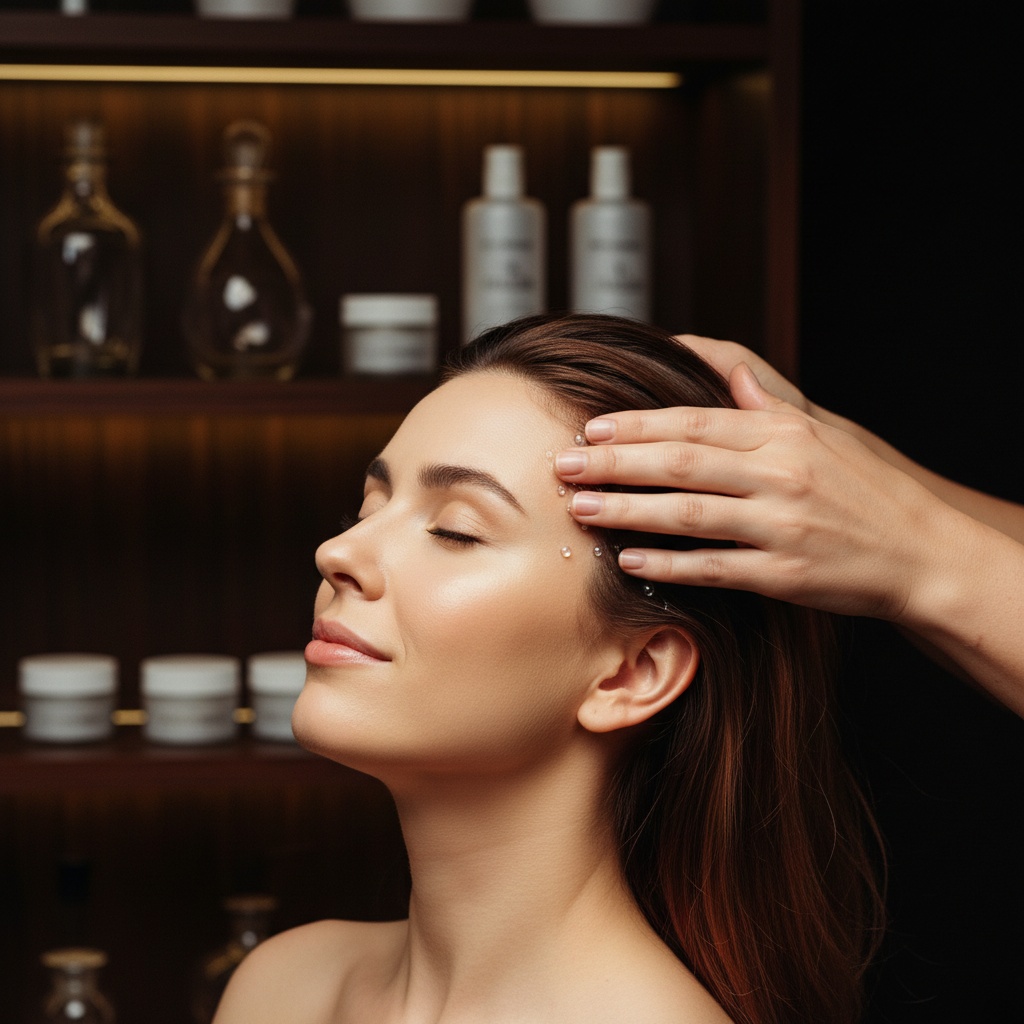
- Gentle Scalp Massage: Regular, gentle scalp massage can help stimulate blood circulation to the hair follicles, potentially enhancing nutrient delivery. Use your fingertips in circular motions, rather than nails, to avoid scratching.
When the cause may be something else
It's important to distinguish between common scalp issues and more complex underlying conditions:
- Genetic Hair Loss (Alopecia): Conditions like androgenetic alopecia (male-pattern or female-pattern baldness) are primarily genetic and hormonal. While a healthy scalp provides an optimal environment, improving scalp health alone will not reverse these conditions. Other forms of alopecia, like alopecia areata, are autoimmune. For more on hair loss, consult a healthcare professional.
- Hair Shedding (Telogen Effluvium): Significant hair shedding can be triggered by stress, illness, dietary deficiencies, hormonal changes (e.g., postpartum), or certain medications. This is a temporary increase in the shedding phase of the hair cycle and is distinct from breakage or typical scalp conditions. The underlying trigger needs to be identified and addressed.
- Systemic Conditions: Some systemic health issues, such as thyroid disorders, autoimmune diseases, or nutritional deficiencies, can manifest with scalp symptoms or impact hair health. Addressing the root medical cause is essential in these cases.
When to get professional advice
While many mild scalp concerns can be managed with over-the-counter products and good hygiene, certain symptoms warrant a consultation with a healthcare professional, such as your GP or a dermatologist:
- Persistent or severe itching, redness, or pain.
- Scalp sores, bleeding, or weeping lesions that don't heal.
- Sudden or excessive hair shedding that doesn't resolve.
- Thick, silvery scales or plaques on the scalp.
- Recurrent infections or pus-filled bumps.
- Any concerns about a specific diagnosis or if home remedies aren't effective.
They can provide an accurate diagnosis, rule out underlying medical conditions, and prescribe appropriate treatments or referrals if necessary.
The Role of pH in Scalp and Hair Health
Understanding the pH scale is fundamental to effective scalp and hair care. The pH scale ranges from 0 (most acidic) to 14 (most alkaline), with 7 being neutral. The natural pH of the scalp skin is slightly acidic, typically ranging from 4.5 to 5.5. This "acid mantle" is a vital protective barrier, formed by a mixture of sebum, sweat, and amino acids, that helps protect against microbial growth and environmental damage. Disruptions to this delicate pH balance can leave the scalp vulnerable to dryness, irritation, and imbalances in the microbiome.
| pH Level | Impact on Scalp & Hair |
|---|---|
| Below 4.5 | Highly acidic. Can cause hair fibre swelling and lead to damage. Often found in strong chemical treatments like perms. |
| 4.5 to 5.5 | Ideal range for scalp and hair. Helps to keep the hair cuticle smooth and closed, promoting shine and reducing frizz. Maintains the scalp's protective acid mantle and optimal environment for the microbiome. |
| Above 7.0 | Alkaline. Can lift the hair cuticle, making hair more porous, prone to tangling, breakage, and colour fade. Disrupts the scalp's acid mantle, potentially leading to dryness, irritation, and vulnerability to microbial overgrowth. Found in many traditional soaps and some harsh shampoos. |
Using pH-balanced products, especially shampoos and conditioners, helps maintain the scalp's natural acidity, supporting its barrier function and contributing to overall hair health.
Frequently asked questions about Understanding Scalp Health
Can diet impact Understanding Scalp Health?
Yes, diet significantly influences scalp health. A balanced intake of vitamins (like A, C, D, E, B-complex), minerals (zinc, iron), and essential fatty acids (omega-3s) supports healthy skin cell turnover, sebum regulation, and overall follicle function. Deficiencies can lead to issues like dryness, flaking, or increased shedding. Hydration is also crucial; drinking enough water helps maintain skin elasticity and moisture levels throughout the body, including the scalp.
How often should I wash my hair for optimal scalp health?
There's no single answer, as washing frequency depends on your individual scalp type, activity level, and environment. For oily scalps, washing every 1 to 2 days might be necessary to remove excess sebum and prevent buildup. For drier scalps, every 2 to 4 days might be sufficient to avoid over-drying. The key is to cleanse gently and use pH-balanced products that remove impurities without stripping the scalp's natural oils, fostering overall Understanding Scalp Health.
Is "product buildup" really an issue for scalp health?
Yes, product buildup can be an issue. Residues from styling products, conditioners, or even some shampoos can accumulate on the scalp and around hair follicles. This buildup can create a film that traps dead skin cells, excess sebum, and environmental pollutants, potentially leading to itching, irritation, and an imbalance in the scalp microbiome. Regular, gentle cleansing and occasional clarifying washes can help prevent this. See "How to Do a Clarifying Wash: A Guide to Deep Hair Cleansing".
Are natural oils always good for Understanding Scalp Health?
Natural oils can be beneficial for the scalp, providing moisture and some anti-inflammatory properties. However, "good" depends on the oil and your scalp type. Heavy oils might clog pores for those prone to oiliness or certain fungal conditions. Some essential oils need to be diluted to avoid irritation. The goal is balance; use oils judiciously, choosing non-comedogenic options where appropriate, and always test on a small area first to ensure no adverse reaction. For example, peppermint oil and rosemary extract show promise when used correctly.
Can stress affect my scalp?
Absolutely. Stress can have a profound impact on your scalp and hair health. Chronic stress can disrupt hormonal balance, potentially increasing sebum production, leading to an oilier scalp or exacerbating conditions like seborrhoeic dermatitis. It can also influence the hair growth cycle, sometimes triggering increased hair shedding (telogen effluvium). Managing stress through lifestyle practices is beneficial for overall well-being, including your scalp.
A concluding thought on Understanding Scalp Health
Prioritising Understanding Scalp Health is not just about addressing visible problems; it's about fostering the optimal environment for your hair to grow strong and healthy. By appreciating the intricate mechanisms of the scalp's biology, recognising its signals, and adopting consistent, evidence-based care practices, you can significantly improve the condition and appearance of your hair. Remember that healthy hair truly begins with a healthy scalp. If persistent issues arise, don't hesitate to seek professional medical advice.
Sources and references
- American Academy of Dermatology Association, "Dandruff: Diagnosis and Treatment", Year: 2023.
- British Association of Dermatologists, "Seborrhoeic Dermatitis", Year: 2022.
- Journal of Dermatological Science, "The Human Hair Follicle: A Specialized Mini-Organ Displaying Anagen, Catagen, and Telogen Stages", Year: 2007.
- Journal of Clinical and Aesthetic Dermatology, "The Role of pH in Skin and Hair: An Updated Review", Year: 2014.
- National Institute of Health (NIH), PubMed, Search term: "Scalp microbiome and hair health", Ongoing research.
- NHS (National Health Service) UK, "Hair loss", Year: 2023.
Find these ingredients in Watermans products
- Zinc: you will find this ingredient in our Hair Vitamins.
- Niacinamide: you will find this ingredient in our Hair Mask.
Watermans products are formulated with the understanding of scalp health in mind. For example:
- Biotin, Niacinamide (Vitamin B3), and Zinc are key ingredients in Watermans products, such as our Hair Growth Shampoo and Condition Me conditioner, supporting healthy hair growth and scalp condition. Biotin contributes to keratin infrastructure, Niacinamide supports scalp circulation, and Zinc is vital for cell reproduction and tissue growth. These ingredients work synergistically to create an optimal environment for hair, aligning with the principles of Understanding Scalp Health. Watermans GrowMe® Shampoo and ConditionMe® Conditioner are pH-balanced to respect the scalp's natural acid mantle, helping to maintain its protective barrier and reduce the risk of irritation or dryness.
- Caffeine and Rosemary Extract, found in Watermans products, are known for their stimulating properties that can encourage blood flow to the scalp and provide antioxidant benefits, contributing to a healthier environment for hair follicles. For more details, explore "Rosemary Extract: Understanding Its Role in Haircare".