Maintaining Scalp Health
4 min read ·
A healthy scalp is the foundation for healthy hair growth, and maintaining its balance involves understanding its biology and adopting consistent care practices.
The Foundation of Follicle Health
Scalp health is paramount for optimal hair growth and overall hair vitality. The scalp is a complex ecosystem comprising skin, hair follicles, sebaceous glands, and a diverse microbiome. Protecting this environment ensures the hair can grow unimpeded and remain strong.
Understanding the Scalp's Anatomy
The scalp is composed of several layers of skin, with the epidermis being the outermost. Within the dermis, hair follicles are embedded, each containing a hair bulb where hair cells proliferate. Sebaceous glands, adjacent to the hair follicles, produce sebum, an oily substance that lubricates the hair and skin. A healthy scalp maintains a slightly acidic pH, typically between 4.5 and 5.5, which helps to create a protective barrier against pathogens.
The Scalp Microbiome
Like other areas of the body, the scalp hosts a unique microbiome, a community of microorganisms including bacteria and fungi. A balanced microbiome is essential for scalp health, contributing to the skin's immune response and preventing the overgrowth of potentially harmful microbes that can lead to conditions like dandruff or seborrheic dermatitis.
Common Scalp Concerns
Several factors can disrupt scalp balance, leading to common concerns.
Dandruff
Dandruff, or pityriasis capitis, is a common condition characterized by flaking of the scalp skin. It is often associated with the overgrowth of Malassezia globosa, a yeast naturally present on the scalp. This yeast metabolizes sebum, producing oleic acid, which can irritate the scalp in susceptible individuals, leading to increased cell turnover and visible flakes.
Seborrheic Dermatitis
More severe than dandruff, seborrheic dermatitis is an inflammatory skin condition that can affect the scalp, causing redness, greasy scales, and itching. It is also linked to Malassezia overgrowth and an inflammatory response.
Dry Scalp
In contrast to dandruff, which involves oily flakes, a dry scalp occurs when the scalp lacks sufficient moisture. This can be caused by environmental factors, harsh hair products, or underlying skin conditions. Symptoms include tightness, itching, and fine, powdery flakes.
Oily Scalp
An oily scalp results from overactive sebaceous glands producing an excess of sebum. This can lead to greasy hair, clogged follicles, and, in some cases, contribute to conditions like seborrheic dermatitis or even hair thinning if the follicles become inflamed.
Itchy Scalp (Pruritus)
Itching is a common symptom across many scalp conditions, including dandruff, dry scalp, and seborrheic dermatitis. Persistent itching can lead to scratching, which can damage the scalp skin and hair follicles.
Practices for a Healthy Scalp
Maintaining a healthy scalp involves a consistent routine that addresses individual needs.
Regular Cleansing
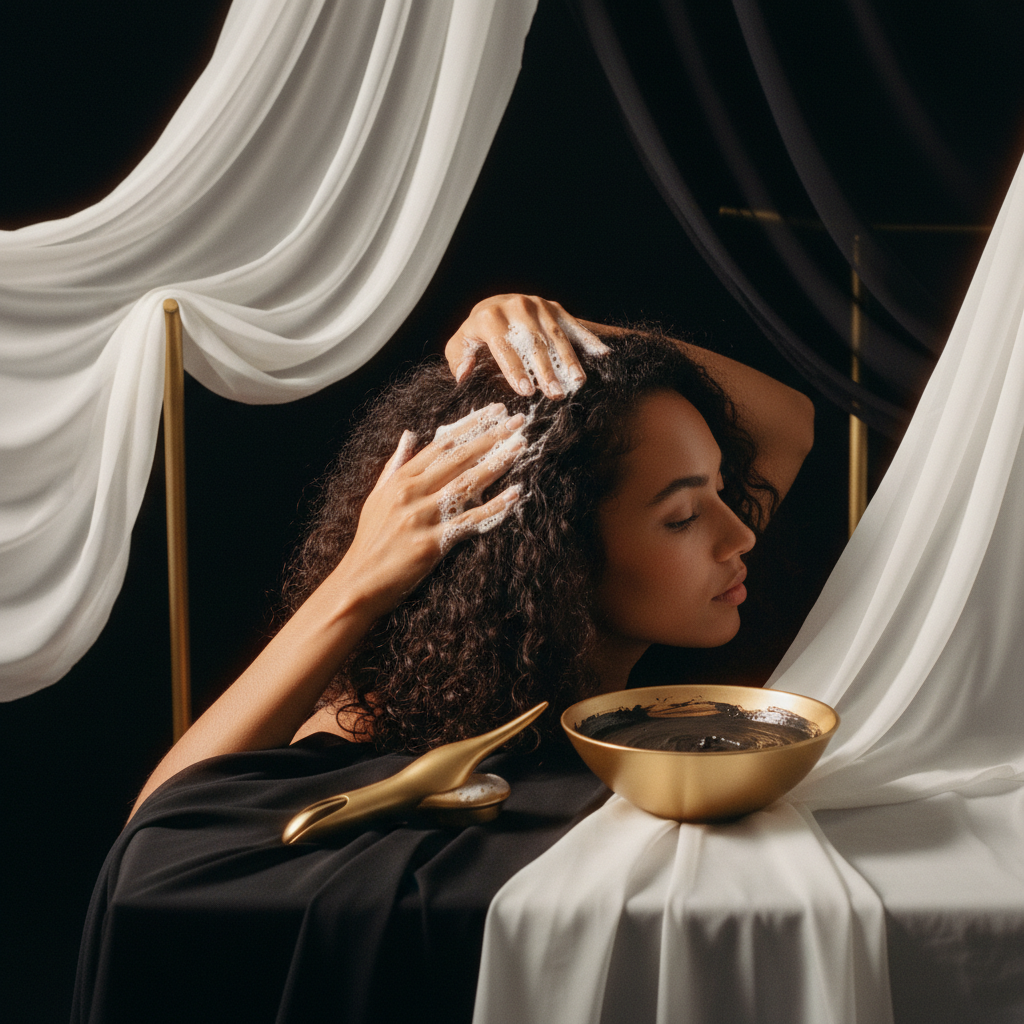
Cleansing the scalp regularly removes product buildup, excess sebum, dead skin cells, and environmental pollutants. The frequency of shampooing depends on hair type, activity level, and scalp condition. For most individuals, 2-3 times per week is adequate, but those with very oily scalps or who exercise frequently may benefit from more frequent washing.
Choosing the Right Products
Selecting hair care products formulated to support scalp health is crucial. Look for shampoos and conditioners that are gentle, pH-balanced, and free from harsh sulfates that can strip the scalp of its natural oils. For specific concerns like dandruff, an anti-dandruff shampoo containing active ingredients like zinc pyrithione or salicylic acid can be beneficial. For an oily scalp, products designed to balance sebum production are recommended. Watermans Hair offers product lines designed to support a healthy scalp environment.
Gentle Exfoliation
Occasional gentle scalp exfoliation can help remove dead skin cells and product buildup, promoting a clearer environment for hair growth. This can be achieved with a physical scalp brush or a chemical exfoliant (e.g., containing salicylic acid) designed for the scalp. Over-exfoliation should be avoided as it can irritate the scalp.
Scalp Massage
Regular scalp massage can help stimulate blood circulation to the hair follicles, potentially enhancing nutrient delivery. It can also help to distribute natural oils and relieve tension. Use fingertips to apply gentle pressure in circular motions across the entire scalp.
Balanced Diet and Hydration
A nutritious diet rich in vitamins, minerals, and antioxidants supports overall health, including that of the scalp and hair. Essential nutrients like biotin, zinc, iron, and vitamins A, C, and E play vital roles in hair follicle function and skin integrity. Adequate hydration is also critical for maintaining skin barrier function.
Protecting the Scalp
Just like the skin on the rest of the body, the scalp needs protection from environmental aggressors. Avoiding excessive sun exposure to the scalp and using a hat when outdoors can prevent sunburn and damage. Minimizing heat styling and chemical treatments can also reduce irritation and stress on the scalp.
Addressing Specific Concerns with Targeted Treatments
Consulting with a healthcare professional or dermatologist is recommended for persistent or severe scalp conditions. They can diagnose the underlying issue and recommend targeted treatments, which may include medicated shampoos, topical corticosteroids, or other prescriptions.
The Interconnection of Scalp and Hair
Ultimately, the health of the scalp directly influences the health and appearance of the hair. A well-maintained scalp provides a clean, nourished, and balanced environment, fostering stronger, shinier, and more resilient hair. By understanding the intricacies of scalp biology and adopting a consistent, gentle care routine, individuals can significantly improve their overall hair health.
Find these ingredients in Watermans products
- Biotin, you will find this ingredient in our Hair Growth Shampoo.
- Zinc, you will find this ingredient in our Hair Vitamins.
- Oleic Acid, you will find this ingredient in our Camellia & Black Castor Hair & Body Oil.