How to Stop Straight Hair Looking Greasy: An Evidence-Based Guide
5 min read ·
Discover evidence-backed strategies and practical tips on how to stop straight hair looking greasy by managing scalp oil production and refining your haircare routine.
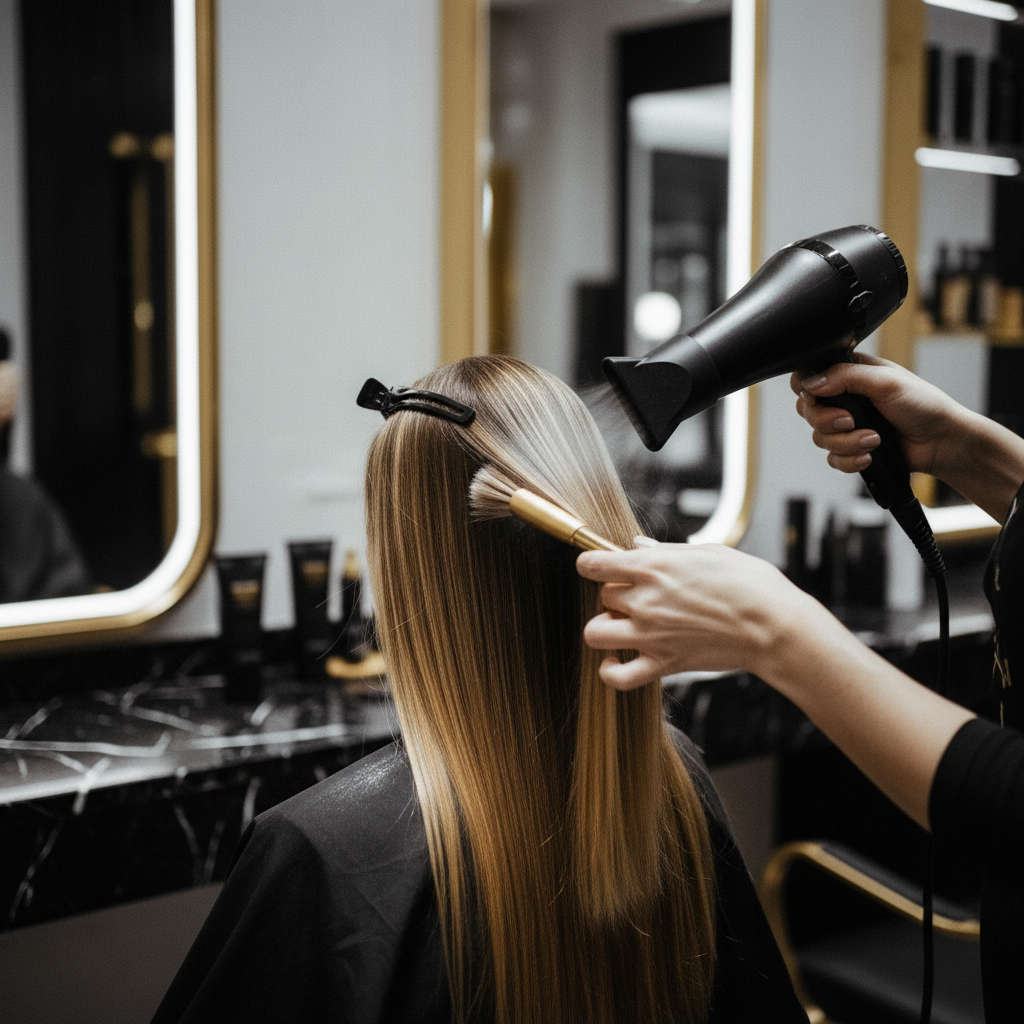
Quick answer: To effectively address how to stop straight hair looking greasy, focus on managing excess sebum production at the scalp and refining your haircare routine. This involves gentle cleansing with appropriate products, careful conditioning to avoid weighing down strands, and maintaining clean hair tools. While these methods can significantly improve the appearance of oily straight hair, individual results may vary due to genetic factors and hormonal influences on sebum secretion. For persistent or severe oiliness, consulting a dermatologist may be beneficial.
Key takeaways
- Straight hair appears greasy more quickly than other hair types due to its smooth surface and lack of bends, which allows sebum to travel easily down the hair shaft.
- Effective strategies for how to stop straight hair looking greasy include using clarifying shampoos periodically, applying conditioner only to mid-lengths and ends, and avoiding heavy styling products near the scalp.
- Over-washing can sometimes trigger increased sebum production; finding a balanced wash frequency is crucial.
- Regularly cleaning hairbrushes and combs prevents the transfer of old oils and product buildup back onto clean hair.
- Scalp health, diet, and hydration also play a role in managing overall hair oiliness, though direct links to reducing greasiness are complex.
How to stop straight hair looking greasy: what the evidence shows
Straight hair often appears greasy sooner than wavy, curly, or coily hair types. This is largely due to its unique structure. The hair shaft of straight hair is typically round or oval and lacks the twists and turns found in other hair textures. This smooth, flat surface allows sebum, the natural oil produced by the sebaceous glands in the scalp, to travel easily and quickly down the entire length of the hair fibre. Consequently, even a normal amount of sebum can make straight hair look slick and heavy relatively quickly. Understanding this mechanism is key to knowing how to stop straight hair looking greasy.
Sebum is vital for scalp and hair health, providing moisture and a protective barrier. However, an overproduction of sebum, a condition known as seborrhoea, leads to an oily scalp and, subsequently, greasy-looking hair. Factors influencing sebum production include genetics, hormones (particularly androgens), diet, stress, and certain medications. While we can't change genetics or hormones through haircare alone, we can manage the visible effects of sebum on straight hair through targeted practices.
What you can do to manage greasy straight hair
Managing greasy straight hair involves a combination of appropriate product choices, washing techniques, and lifestyle habits:
1. Gentle, Effective Cleansing:
- Shampoo Choice: For regular washing, opt for shampoos designed for oily scalps or those labelled "balancing". These often contain ingredients that help to gently cleanse without overly stripping the scalp, which could trigger a rebound effect of increased oil production. Some formulations include mild surfactants and botanical extracts known for their astringent properties. The encyclopedia entry on 'Choosing the Right Shampoo: A Comprehensive Guide to Hair Cleansing' offers more detail.
- Clarifying Shampoos: Incorporate a clarifying shampoo into your routine every 1 to 2 weeks. These shampoos are formulated to remove product buildup, hard water minerals, and excess sebum that regular shampoos might miss. They provide a deeper clean, which can be particularly beneficial for straight hair that tends to show residue more readily. Consult 'How to Do a Clarifying Wash: A Guide to Deep Hair Cleansing' for best practices.
- Sulfate-Free Options: Some individuals find that sulfate-free shampoos are gentler on the scalp, potentially reducing irritation that could stimulate sebum glands. However, evidence is mixed; some sulfate-free options may not cleanse as effectively for very oily scalps. The benefits of sulfate-free products are discussed in 'Sulfate-Free Shampoo Benefits'.
2. Strategic Conditioning:
- Apply to Ends Only: Conditioners are primarily designed to moisturise and smooth the hair fibre itself, not the scalp. For straight hair prone to greasiness, apply conditioner only from the mid-lengths to the ends, completely avoiding the roots and scalp. This prevents weighing down the hair near the scalp, where oil accumulates most.
- Lightweight Formulas: Choose lightweight, non-comedogenic conditioners. Avoid rich, heavy formulas or those containing high concentrations of silicones, which can build up and make hair appear greasier. The encyclopedia entry on 'The Science of Conditioners: How Hair Care Formulations Work' provides further insight.
- Rinse Thoroughly: Ensure all conditioner is rinsed from your hair. Any residue will leave hair feeling heavy and looking dull, exacerbating the greasy appearance.
3. Washing Techniques:
- Lukewarm Water: Use lukewarm water for washing. Hot water can strip the scalp and potentially stimulate sebaceous glands, while cold water may not effectively emulsify and rinse away oils.
- Scalp Massage: Gently massage your scalp with your fingertips (not nails) during shampooing. This helps to loosen dirt, oil, and product buildup, allowing the shampoo to work more effectively. Thorough rinsing is essential after.
- Wash Frequency: While it may seem counterintuitive, washing too frequently can sometimes strip the scalp of its natural oils, prompting it to produce more sebum in response. Aim to find a balance; gradually extending the time between washes can help regulate oil production over time. Some individuals find success washing every other day or every two days. However, for those with very oily scalps, daily washing with a mild shampoo might be necessary to maintain comfort and appearance. Evidence is mixed on whether frequent washing directly causes increased oil production long-term.
4. Hair Tools and Styling:
- Clean Tools: Regularly clean your brushes and combs. Hair tools can accumulate oil, dead skin cells, and product residue, which can all be transferred back to your clean hair, contributing to a greasy look. Clean them weekly with shampoo and water.
- Avoid Over-brushing: Excessive brushing can distribute sebum from the scalp down the hair shaft more quickly, making straight hair appear greasier. Brush only as needed to detangle and style.
- Lightweight Styling Products: Opt for lightweight, non-comedogenic styling products. Avoid heavy oils, waxes, serums, and creams, particularly near the scalp. Look for mousses, sprays, or gels formulated for fine or oily hair types, applied to the mid-lengths and ends.
- Dry Shampoo: Use dry shampoo as a temporary solution to absorb excess oil between washes. It can extend the time between washes and refresh the hair