Hair Hydration Basics: Understanding How Your Hair Stays Moist
9 min read ·
Hair Hydration Basics covers the fundamental principles of how hair absorbs and retains moisture for optimal health and appearance.
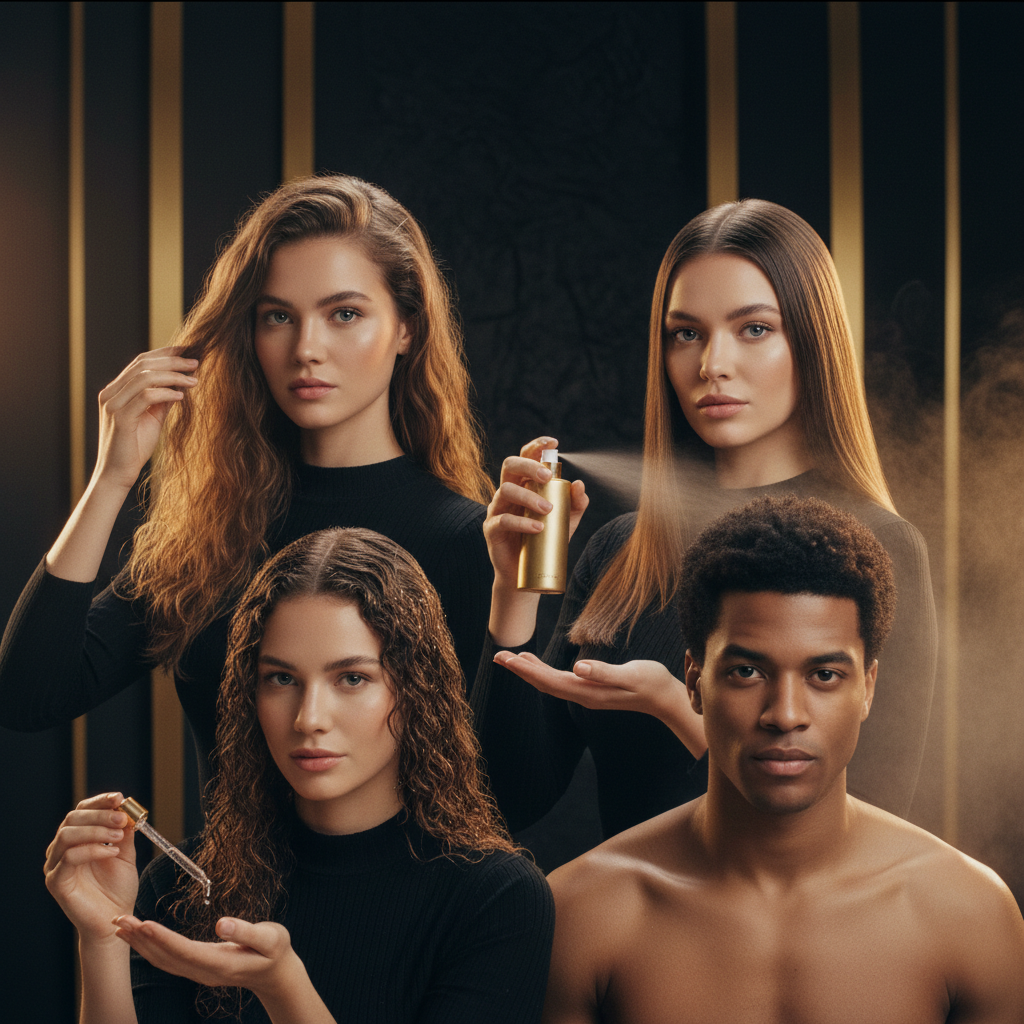
Quick answer: Hair Hydration Basics describe the essential processes by which hair absorbs, distributes, and retains water to maintain its structural integrity, flexibility, and appearance. Unlike skin, hair is not a living tissue and cannot self-regulate its moisture content, meaning external care is crucial. The main limitation is that environmental factors and hair care practices significantly influence how effectively hair can stay hydrated, and what works for one hair type may not suit another.
Key takeaways
- Hair hydration is about maintaining the correct water content within the hair's cortex, making it pliable and less prone to damage.
- The hair's outer layer, the cuticle, plays a vital role in regulating moisture exchange with the environment.
- Humectants and emollients are key ingredients in haircare products that attract and seal in moisture.
- Hair porosity, hair type, and environmental humidity all influence how effectively hair can hydrate and retain moisture.
- Recognising the signs of dehydration, such as frizz and brittleness, helps in choosing appropriate hydrating treatments.
- Hard water, heat styling, and chemical treatments can strip hair of moisture, requiring targeted care.
Hair Hydration Basics: what the evidence shows
Understanding Hair Hydration Basics is fundamental to maintaining healthy, resilient hair. Hydration refers to the presence and retention of water within the hair shaft, primarily in the cortex. This internal moisture is what gives hair its elasticity, strength, and soft feel. When hair is adequately hydrated, its structure is more flexible, making it less prone to breakage from daily styling and environmental stressors. The cuticle, the outermost layer of the hair, acts as a protective barrier, regulating the exchange of moisture between the hair's interior and the surrounding environment. Healthy, overlapping cuticles effectively seal in moisture, while damaged or raised cuticles allow water to escape easily, leading to dehydration.
The mechanism of hair hydration
Hair hydration isn't just about wetting your hair; it involves complex interactions between water molecules, the hair's protein structure, and external conditioning agents. The hair shaft is primarily composed of keratin proteins. Water molecules can penetrate the cuticle and enter the cortex, where they interact with these proteins through hydrogen bonds. This absorption of water swells the hair fibre, increasing its diameter and improving its flexibility.
However, hair cannot produce its own moisture like skin. It relies on external sources. Water from washing is a primary source, but without ingredients that help to retain it, this moisture can quickly evaporate. This is where humectants and emollients become crucial. Humectants, such as glycerine and hyaluronic acid, attract water from the atmosphere and draw it into the hair shaft. Emollients, like natural oils and silicones, then create a protective film on the hair's surface, sealing in this moisture and preventing its loss. For a deeper understanding of how these ingredients work, refer to "Humectants: Understanding How They Hydrate and Protect Your Hair" and "The Science of Conditioners: How Hair Care Formulations Work".
What influences hair's ability to hydrate?
Several factors determine how well your hair can absorb and retain moisture:
- Hair Porosity: This refers to your hair's ability to absorb and hold moisture. Low porosity hair has tightly closed cuticles, making it difficult for water to penetrate but easy to retain once absorbed. High porosity hair has raised or damaged cuticles, absorbing water quickly but losing it just as fast. Medium porosity hair offers a balanced approach to moisture absorption and retention. You can learn more in "Understanding Hair Porosity: How Your Hair Absorbs and Retains Moisture".
- Hair Type and Texture: Curly and coily hair types often have a more open cuticle structure and natural bends in the hair shaft that can make it harder for natural scalp oils (sebum) to travel down and lubricate the entire strand. This can lead to increased dryness compared to straighter hair types. "Moisturizing Afro Hair: An Evidence-Based Guide to Hydration and Care" provides specific guidance.
- Environmental Factors: Humidity levels play a significant role. In high humidity, hair can draw moisture from the air, sometimes leading to frizz. In dry environments, hair can lose moisture to the surrounding air, becoming dehydrated. Temperature also affects the rate of evaporation.
- Hair Damage: Chemical treatments (colouring, perms, relaxers) and heat styling can compromise the cuticle, leading to increased porosity and reduced moisture retention. Refer to "Hair Damage: Causes, Signs, and Solutions" and "Heat Styling: Understanding Its Effects and How to Protect Your Hair" for more information.
- Hard Water: Water with high mineral content can leave deposits on the hair, creating a barrier that prevents moisture from penetrating and can also make hair feel rough and dry. See "Hard Water and Hair Damage: Understanding the Impact on Your Hair".
Recognising signs of dehydration
Undertaking Hair Hydration Basics involves identifying when your hair is dehydrated. Common signs include:
- Frizz: Hair cuticles lift to absorb moisture from the air, leading to a rough, unruly texture. This is a common indicator of a moisture imbalance. See "Dealing with Frizzy Hair" for further reading.
- Brittleness and Breakage: Dehydrated hair lacks elasticity, becoming stiff and more prone to snapping under tension. This is fibre breakage, not hair loss.
- Dullness: Healthy, hydrated hair reflects light effectively, appearing shiny. Dehydrated hair often looks lifeless and lacks lustre.
- Rough Texture: The raised cuticles of dry hair feel coarse and rough to the touch.
- Lack of Elasticity: When stretched, healthy hair will return to its original state. Dehydrated hair will stretch minimally before breaking.
What you can do to improve hair hydration
Improving your hair's hydration involves a multi-faceted approach, incorporating good washing practices, targeted conditioning, and protective measures.
- Gentle Cleansing: Use a mild, sulfate-free shampoo to cleanse without stripping natural oils. Sulfates can be effective cleansers, but for some, particularly those with drier hair types, they can exacerbate dehydration. See "Sulfate-Free Shampoo Benefits" for more details. Focus shampoo on the scalp and let the lather gently cleanse the lengths as you rinse.
- Conditioning: Always follow shampoo with a good conditioner. Conditioners help to smooth the cuticle, deposit moisturising ingredients, and reduce friction. Look for conditioners containing emollients and humectants. Regular deep conditioning treatments (once a week or every two weeks) can provide a more intense moisture boost.
- Leave-in Treatments: After washing, apply a leave-in conditioner or hair milk to provide continuous hydration throughout the day, especially for very dry or high porosity hair. These products form a protective layer, helping to seal in moisture and protect against environmental damage.
- Protect from Heat: Minimise heat styling. When you do use heat tools, always apply a heat protectant. Excessive heat can rapidly evaporate moisture from the hair shaft and damage the cuticle. Refer to "Heat Styling Safety Best Practices".
- Limit Chemical Processes: Chemical treatments like colouring, relaxing, or perming can significantly alter the hair's structure, making it more porous and prone to dehydration. If you undergo such treatments, intensify your hydration routine. "Chemical Hair Treatments: What They Are and How They Affect Hair" has more.
- Understand Your Water: If you live in a hard water area, consider a shower filter or specific hair products designed to counteract mineral buildup. Hard water can hinder hydration.
- Seal Moisture: After applying water-based moisturisers or leave-ins, especially for curly and afro hair textures, use a hair oil or butter to "seal" the moisture into the hair shaft. This helps prevent rapid evaporation.
When to seek professional advice
While most cases of hair dehydration can be managed with proper haircare, there are times when professional advice is beneficial. If your hair remains persistently dry, brittle, or experiences excessive breakage despite consistent hydrating efforts, a dermatologist or trichologist can help identify underlying causes. They can rule out medical conditions, nutritional deficiencies, or specific environmental factors that might be contributing to severe dehydration. They can also offer professional treatments or tailored product recommendations beyond basic Hair Hydration Basics.
Comparison of Hydrating Ingredients
| Ingredient Type | Function | Examples | Benefit for Hair Hydration |
|---|---|---|---|
| Humectants | Attract and draw moisture from the environment | Glycerine, Hyaluronic Acid, Aloe Vera | Increase water content in hair, improve elasticity |
| Emollients | Soften, smooth, and fill gaps in the cuticle | Fatty alcohols, Natural oils (argan, jojoba), Silicones | Reduce friction, enhance shine, seal in moisture |
| Occlusives | Form a barrier to prevent moisture loss | Mineral oil, Petrolatum, Heavy butters | Trap existing moisture, protect from dehydration |
Frequently asked questions about Hair Hydration Basics
Can drinking more water hydrate my hair?
While drinking enough water is crucial for overall body health, including the health of your scalp (which is living tissue), it does not directly hydrate the hair shaft itself. Hair strands, once they emerge from the scalp, are not living. Hydrating your hair requires external moisture and ingredients that help to retain it within the hair fibre. A healthy scalp, supported by good internal hydration, can promote better hair growth, but the Hair Hydration Basics for the strands themselves are topical.
Is "hair moisturising" the same as "hair hydrating"?
These terms are often used interchangeably, but there's a subtle distinction. Hydrating specifically refers to adding water to the hair, usually with water-based products or humectants. Moisturising generally refers to both adding water and sealing it in with oils or emollients to prevent loss. A truly moisturised hair strand is both hydrated (has sufficient water) and conditioned (has emollients to keep the water from evaporating). For most people, a good hair care routine combines both.
How often should I hydrate my hair?
The frequency depends on your hair type, porosity, and environmental conditions. Dry, coarse, or high porosity hair may benefit from daily or every-other-day hydration with leave-in products. Finer or low porosity hair might only need hydration every few days or after washing. Observe how your hair feels and looks to find the optimal routine. Over-hydrating can sometimes lead to limp or mushy hair, especially with certain hair types.
Does oil hydrate hair?
No, oils do not directly hydrate hair because oil and water do not mix. Oils are primarily emollients and occlusives; they work by creating a protective layer on the hair shaft that helps to seal in any existing moisture and prevent its evaporation. They can make hair feel softer and appear shinier by smoothing the cuticle. For optimal Hair Hydration Basics, oils should typically be applied after a water-based leave-in or conditioner to lock that moisture in, rather than applied to dry hair as the sole hydrating agent.
Watermans Haircare solutions for hydration
Watermans products are formulated with ingredients that support hair hydration, focusing on maintaining the hair's strength and appearance. For instance, Watermans Grow Me Shampoo and Conditioner contain hydrolysed lupin protein, which can help to strengthen the hair fibre, making it less prone to damage and supporting its ability to retain moisture. These products are designed to cleanse gently and provide conditioning benefits, contributing to overall hair health and a hydrated feel without harsh sulphates.
Conclusion
Mastering Hair Hydration Basics is vital for maintaining healthy, flexible, and vibrant hair. By understanding how hair absorbs and retains moisture, and by choosing appropriate haircare products and practices, you can significantly improve your hair's condition. Focusing on gentle cleansing, effective conditioning, and protecting your hair from damage are key steps. This approach ensures your hair remains resilient, smooth, and shiny, reflecting its optimal health through consistent, evidence-based care.
Sources and references
- American Academy of Dermatology Association, "Hair care: How to shampoo and condition", accessed 2023, aad.org
- The International Journal of Trichology, "Hair Cosmetics: An Overview", 2015, ncbi.nlm.nih.gov/pmc/articles/PMC4387693/
- PubMed Central, "The role of the cuticle in the mechanical properties of hair", 2007, ncbi.nlm.nih.gov/pmc/articles/PMC2728258/
- Journal of Cosmetic Science, "Hair porosity: characterization by water absorption", 2004
- British Association of Dermatologists, "Hair loss and hair problems", accessed 2023, bad.org.uk
Find these ingredients in Watermans products
- Aloe Vera: you will find this ingredient in our Curly Hair Conditioner.