Scalp Folliculitis and Bumps: Causes, Signs, and Evidence-Based Care
9 min read ·
Scalp Folliculitis and Bumps: discover the biological causes, common triggers, key signs, and evidence-based steps to soothe and clear inflamed follicles safely.
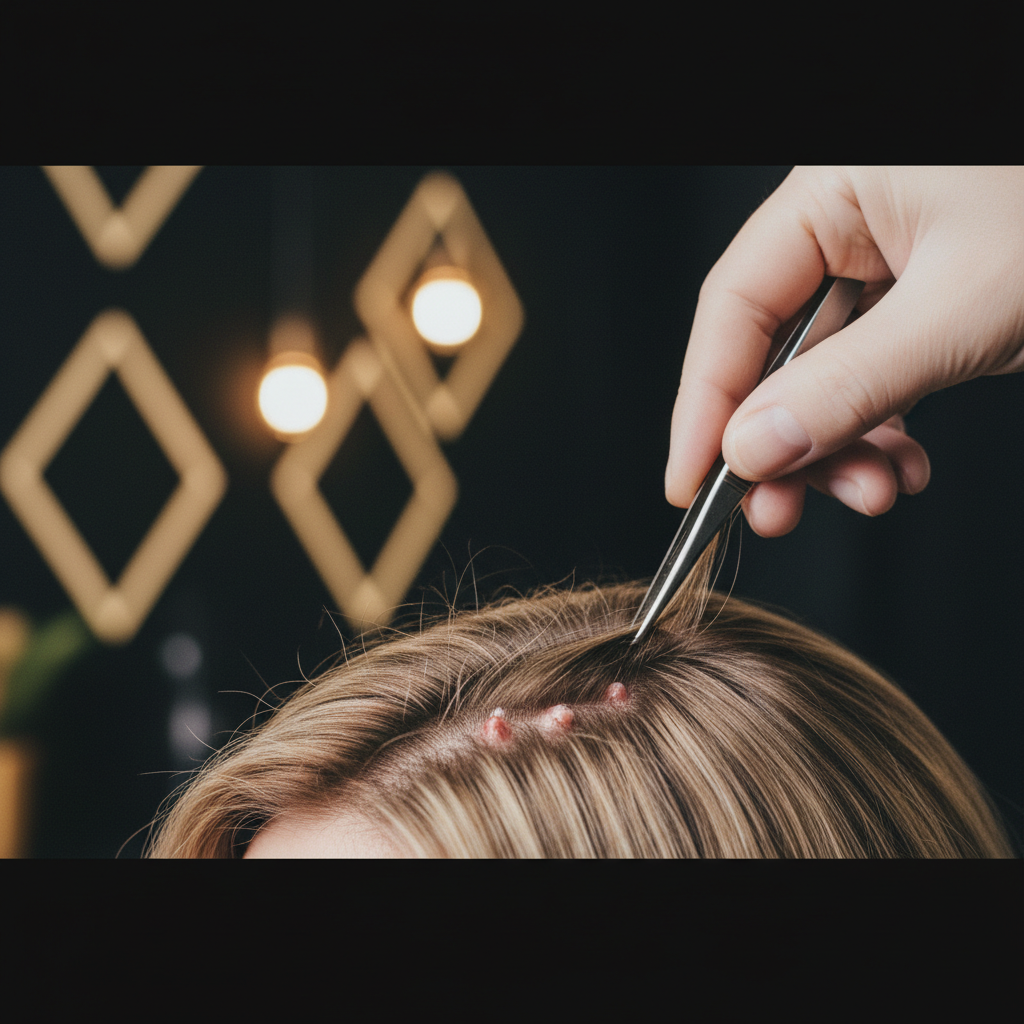
Quick answer: Scalp Folliculitis and Bumps refer to inflamed, irritated hair follicles on the head that manifest as small red pimples, tender pustules, or crusting sores. Usually triggered by bacterial overgrowth (such as Staphylococcus aureus), fungal proliferation, or physical friction, this condition causes itching, burning, and soreness. While mild surface outbreaks often resolve with clarifying hygiene, topical antiseptics, and anti-inflammatory scalp care, severe or persistent cases can cause scarring and permanent patchy hair loss without prescription antimicrobial intervention.
Key takeaways
- Scalp folliculitis occurs when hair follicles become blocked by sebum, dead skin cells, or styling residue and subsequently infected or inflamed.
- Bumps range from superficial red papules and whitehead-like pustules to deep, painful nodules and abscesses.
- Common triggers include bacterial pathogens, Malassezia yeasts, occlusive hair waxes, tight headwear, and infrequent or improper washing.
- Superficial folliculitis causes temporary hair shedding, whereas deep forms like folliculitis decalvans or dissecting cellulitis can destroy follicles and cause permanent cicatricial (scarring) alopecia.
- Management combines active antimicrobial and anti-inflammatory hygiene with gentle physical handling, avoiding heavy oils, and seeking medical dermatology care when lesions persist.
Scalp Folliculitis and Bumps: what the evidence shows
Clinical dermatology classifies scalp folliculitis as an inflammatory disorder concentrated within the follicular unit. In a healthy state, the scalp microbiome maintains an equilibrium between resident bacteria (such as Cutibacterium acnes and Staphylococcus epidermidis) and commensal yeasts (primarily Malassezia species). When the follicular ostium (the microscopic opening of the pore) is obstructed, this delicate balance collapses.
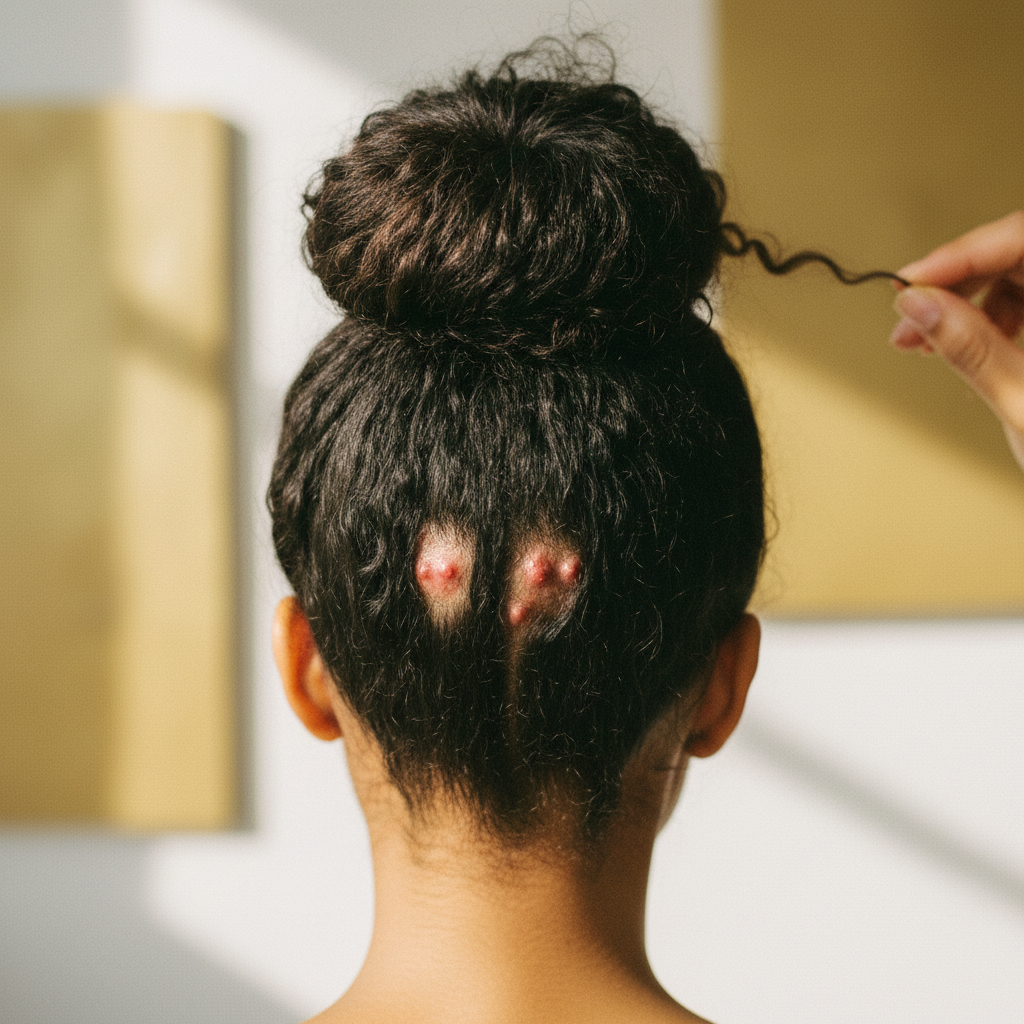
Microbiological cultures published in journals like the British Journal of Dermatology show that superficial infections frequently stem from Staphylococcus aureus. However, non-bacterial variants are also widespread. Malassezia (Pityrosporum) folliculitis arises when lipid-dependent yeasts feast on excess sebum within blocked follicles, producing itchy, uniform, tiny red bumps along the hairline and crown. Another distinct variant, acne necrotica (necrotising lymphocytic folliculitis), produces itchy papules that rapidly develop dark, depressed crusts and can lead to small scars.
Research confirms that external lifestyle factors significantly influence flare-ups. Sweat retention, pomades, occlusive mineral oils, and tight helmets or friction from headbands create an anaerobic, warm environment. This accelerates microbial overgrowth and mechanical irritation, triggering an inflammatory cascade where white blood cells rush to the follicular canal, resulting in visible pustules and micro-abscesses.
What the evidence does not show
Clinical research does not support the idea that poor hygiene is the sole or even primary driver of these outbreaks. While infrequent shampooing can worsen pore clogging, over-washing with harsh, high-pH stripping surfactants can disrupt the scalp's acid mantle (which sits naturally between pH 4.5 and 5.5). This disruption damages the skin barrier and paradoxically allows opportunistic pathogens to colonise more aggressively.
Furthermore, evidence does not show that typical cosmetic anti-dandruff shampoos can cure deep-seated or chronic follicular infections. Dandruff treatments targeted at dry flaking rarely penetrate deeply enough into the follicular dermis to resolve bacterial or deep fungal infections. Finally, everyday superficial folliculitis should not be confused with systemic hair loss disorders; normal shedding during an acute flare-up is usually reversible once inflammation subsides, provided the deeper follicular stem cells remain undamaged.
Biological mechanisms: how the bumps develop
The development of follicular bumps follows a clear pathophysiological sequence:
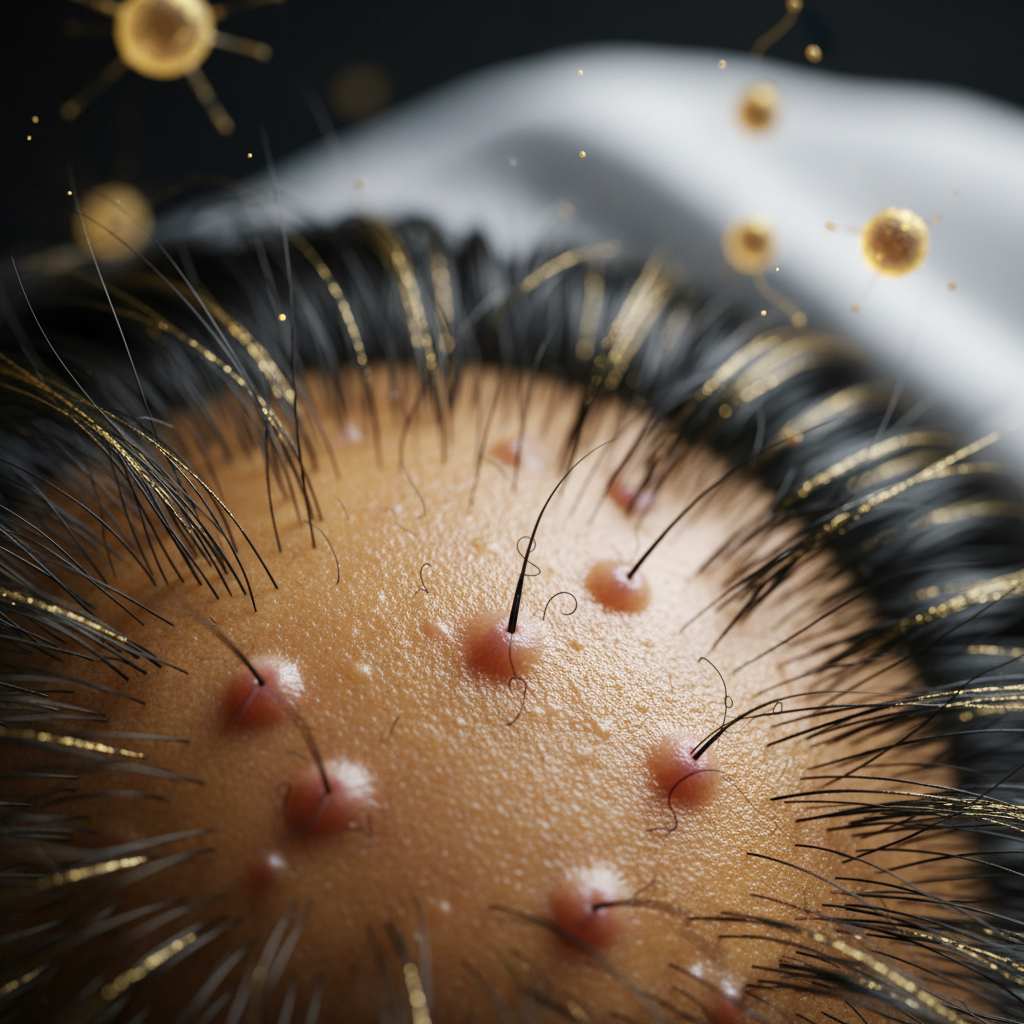
- Follicular occlusion: Excess sebum mixes with desquamated keratinocytes (shed skin cells) and external styling product residues, forming a dense plug within the upper follicular canal (the infundibulum).
- Microbial dysbiosis: Trapped beneath the plug, resident organisms rapidly multiply. Staphylococcus aureus or Malassezia yeasts proliferate within this nutrient-rich, protected space.
- Immune response and infiltration: Pattern recognition receptors on keratinocytes detect microbial antigens, prompting the release of pro-inflammatory cytokines like interleukin-1 alpha (IL-1α). Neutrophils and lymphocytes migrate into the follicular wall to attack the invaders.
- Pustule formation: The accumulation of cellular debris, dead microbes, and white blood cells creates purulent exudate (pus). This expands the follicle, creating the classic erythematous (red) papule or pustule on the scalp surface.
- Tissue resolution or destruction: In superficial folliculitis, the pustule ruptures or resorbs, allowing the epithelium to heal without structural damage. In deep chronic conditions (such as dissecting cellulitis), the follicular wall ruptures beneath the skin surface, triggering extensive foreign-body inflammation, deep abscesses, and fibrous scarring that permanently eradicates hair-producing stem cells.
Recognising the signs: distinguishing bumps on the scalp
Not every bump on the scalp is simple folliculitis. The presentation dictates both the underlying cause and the required response:
| Condition | Primary Visual Signs | Typical Sensation | Risk of Permanent Hair Loss |
|---|---|---|---|
| Superficial Folliculitis | Small red papules with central white/yellow pustules | Pruritus (itching), mild tenderness | None; hair regrows once inflammation clears |
| Pityrosporum Folliculitis | Uniform, small, itchy dome-shaped bumps along hairline | Intense itching, worsened by heat/sweat | Very low |
| Folliculitis Decalvans | Expanding patches with peripheral pustules, "tufted" hairs | Burning, throbbing pain, crusting | High; causes irreversible scarring alopecia |
| Dissecting Cellulitis | Large, painful, boggy nodules and interconnecting sinuses | Severe pain, foul-smelling discharge | Very high; extensive keloidal and cicatricial scarring |
| Scalp Seborrhoeic Dermatitis | Greasy yellow or white scales over pink plaques | Mild to moderate itch | Minimal, limited to temporary reactive shedding |
| Pilar Cysts | Smooth, firm, mobile lumps under normal skin | Painless unless ruptured or infected | Low, though pressure can thin local hair |
Practical steps: managing and soothing inflamed follicles
For mild, non-scarring presentations, targeted topical care and behavioural adjustments can restore scalp balance:
- Cleanse systematically: Wash the scalp every 1 to 2 days using a gentle, pH-balanced cleanser (pH 5.0 to 5.5). Avoid aggressively hot water, which increases vascular dilation and cutaneous irritation.
- Incorporate mild antimicrobials: Use washes containing active clarifying botanicals and clinically proven ingredients like tea tree oil, piroctone olamine, or salicylic acid. Salicylic acid (0.5% to 2%) is lipid-soluble, allowing it to penetrate through sebum directly into the pore to clear out cellular plugs.
- Eliminate occlusive products: Discontinue heavy hair waxes, mineral oils, petroleum jellies, and thick leave-in conditioners applied directly to the root zone. Keep conditioning agents focused strictly on the hair mid-lengths and ends.
- Minimise mechanical friction: Ensure headwear, baseball caps, and bike helmets fit comfortably without excessive rubbing. Wash headwear, sweatbands, and pillowcases regularly in fragrance-free detergent at 60°C to eliminate bacterial reservoirs.
- Hands off: Never squeeze, pop, or scratch scalp pustules. Mechanical disruption spreads pathogenic bacteria to adjacent follicles and drives surface bacteria into deeper dermal layers, significantly elevating the risk of scarring.
Supporting the scalp environment with Watermans
When managing everyday scalp comfort, cosmetic formulas can play a complementary role in keeping the follicular environment clean, fresh, and resilient. Watermans products are developed to support optimal scalp hygiene and hair vitality without employing heavy, pore-blocking oils.
Watermans GrowMe Shampoo delivers a carefully calibrated blend of biotin, rosemary, caffeine, and niacinamide alongside gentle surfactants that lift excess sebum, environmental grime, and styling buildup. Paired with Watermans ConditionMe Conditioner, which moisturises the hair shaft without leaving occlusive residue on the dermal layer, this regimen creates a balanced, clean foundation. For targeted support, Watermans Grow More Scalp Elixir provides a lightweight, leave-in topical delivery of scalp-soothing nutrients without clogging delicate follicular openings. While cosmetic products do not treat medical infections, maintaining this clean, balanced physiological terrain helps discourage the buildup that contributes to everyday irritation.
When the cause is something else
A bump on the scalp is not always a primary follicular infection. Several other conditions mimic these symptoms:
- Sebaceous cysts and pilar cysts: These are benign, keratin-filled sacs arising from the outer root sheath of the hair follicle. They feel smooth, firm, and mobile under the skin, rarely causing pain unless they become secondarily infected.
- Follicular psoriasis: Plaque psoriasis can localise around hair follicles, presenting as erythematous bumps topped with thick, silvery, micaceous scale rather than fluid-filled pustules.
- Contact dermatitis: An allergic or irritant reaction to hair dyes (particularly paraphenylenediamine, or PPD), preservatives, or fragrances can cause widespread micro-papules, intense burning, and weeping crusts across the entire scalp.
- Folliculitis keloidalis nuchae: Most common on the nape of the neck in individuals with tightly curled hair, this chronic condition begins as follicular papules but rapidly evolves into thick, keloidal scars due to curved hairs piercing the follicular wall.
When to seek medical advice
Consult a GP or consultant dermatologist promptly if you observe any of the following red-flag symptoms:
- Bumps that feel deep, intensely painful, hot to the touch, or "boggy" (soft and fluid-filled beneath the surface).
- Lesions that discharge blood, thick yellowish pus, or show dark necrotic scabbing.
- Noticeable patches of hair thinning or shedding where follicles appear to be missing entirely (a sign of scarring).
- Multiple hairs emerging from a single follicular opening in a "doll's hair" or tufted pattern.
- Outbreaks accompanied by swollen lymph nodes in the neck or behind the ears, or systemic symptoms like fever.
- Mild bumps that do not respond to over-the-counter clarifying care and antiseptic washes within two weeks.
Prescription interventions, such as oral tetracyclines, topical clindamycin, antifungal lotions, or brief courses of intralesional corticosteroids, are often essential to halt deep inflammation before permanent hair loss occurs.
Frequently asked questions about Scalp Folliculitis and Bumps
Can Scalp Folliculitis and Bumps cause permanent hair loss?
Yes, but only certain forms. Superficial folliculitis only impacts the upper segment of the pore, meaning shed hair typically regrows once the irritation subsides. However, deep or chronic variants like folliculitis decalvans destroy the follicular stem cells located in the bulge region. This leads to irreversible scarring alopecia, making early medical diagnosis critical if bumps are painful or persistent.
How do I tell if my scalp bumps are fungal or bacterial?
Bacterial folliculitis typically features tender, inflamed red papules often capped with visible white or yellow pus heads, commonly appearing randomly. Fungal (Malassezia) folliculitis usually presents as clusters of tiny, intensely itchy, uniform red bumps without significant pus, often concentrated along the hairline and exacerbated by humidity, sweat, and occlusive oils. A dermatologist can confirm the origin via a swab or scraping.
Should I exfoliate my scalp if I have active bumps?
You should avoid physical scrubs (such as walnut shells, salt, or sugar scrubs) and stiff scalp brushes completely. Physical abrasion tears open inflamed pustules, spreads bacteria across healthy skin, and worsens inflammation. Instead, use gentle chemical exfoliation via low-concentration salicylic acid washes, which dissolve pore plugs without damaging the skin surface.
Does wearing hats cause scalp folliculitis?
Wearing hats does not directly cause the condition, but it creates the ideal microclimate for it. Hats trap heat, friction, and perspiration against the skin, encouraging microbial growth and driving sweat and oils into the pores. If you wear hats daily, ensure they fit loosely and wash them regularly to eliminate bacterial buildup.
Resolution for Scalp Folliculitis and Bumps
Navigating Scalp Folliculitis and Bumps requires a clear, methodical approach that prioritises follicular health over aggressive stripping. By understanding whether your bumps are driven by bacterial overgrowth, fungal activity, or mechanical irritation, you can make informed choices about your cleansing routine, product selection, and lifestyle habits. Mild cases respond well to consistent hygiene and non-comedogenic care, but never hesitate to seek professional dermatological guidance at the first sign of severe pain, spreading lesions, or unexplained hair loss.
Sources and references
- British Association of Dermatologists. Folliculitis Decalvans Patient Information Leaflet. 2020.
- National Institute for Health and Care Excellence (NICE). Boils, carbuncles, and staphylococcal folliculitis: Clinical Knowledge Summary. 2021.
- American Academy of Dermatology Association. Folliculitis: Signs, symptoms, and treatment. 2022.
- Luelmo-Aguilar, J., & Santandreu, M. Z. Follicular fungal infections: Malassezia folliculitis. American Journal of Clinical Dermatology, 2004.
- Channual, J., et al. Dissecting cellulitis of the scalp: A comprehensive review. Dermatologic Surgery, 2008.
Find these ingredients in Watermans products
- Niacinamide: you will find this ingredient in our Hair Mask.