The Encyclopedia Guide to Seborrhoeic Dermatitis Care
9 min read ·
Understand seborrhoeic dermatitis care with evidence-based guidance on managing yeast, clearing scale, soothing inflammation, and supporting long-term scalp health.
Quick answer: Effective seborrhoeic dermatitis care focuses on reducing scalp populations of Malassezia yeast, clearing excess sebum, and soothing surface inflammation. It relies on medicated active ingredients such as ketoconazole, zinc pyrithione, or selenium sulfide, alongside gentle cleansing habits. While consistent seborrhoeic dermatitis care successfully manages flare-ups, suppresses greasy scaling, and calms persistent itching, the main limitation is that it manages the condition rather than curing it permanently, meaning symptoms often recur if maintenance routines are abandoned.
Key takeaways
- Seborrhoeic dermatitis is a chronic, relapsing inflammatory scalp condition linked to lipid-dependent Malassezia yeasts.
- Flare-ups produce greasy, yellowish scales, erythema (redness), and mild to intense pruritus (itching).
- Effective management pairs antifungal actives with keratolytic agents such as salicylic acid to break down surface scale.
- Natural oils rich in oleic and palmitic acids can worsen the condition by feeding the resident yeast.
- Over-cleansing with harsh detergents disrupts the scalp barrier, whereas under-cleansing allows sebum accumulation that fuels microbial overgrowth.
Seborrhoeic Dermatitis Care: what the evidence shows
Clinical dermatology demonstrates that successful seborrhoeic dermatitis care depends on controlling the biological triggers that fuel flare-ups. The condition affects roughly 1 to 5 percent of the general adult population, with higher rates in men, and peaks during infancy and adult life between 30 and 60 years of age.
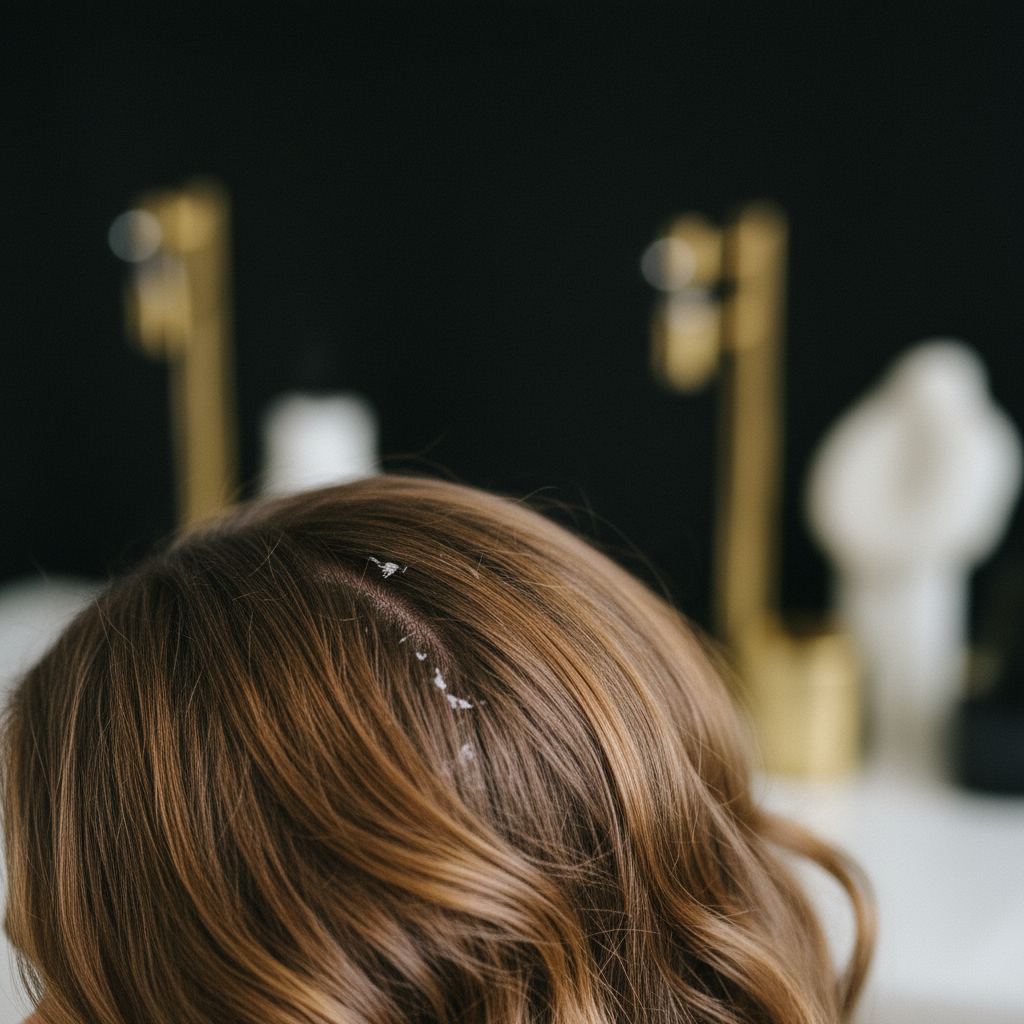
Peer-reviewed clinical trials consistently show that topical antifungal agents provide the highest clearance rates. Formulations containing 1 to 2 percent ketoconazole, 1 percent ciclopirox olamine, or 1 percent zinc pyrithione significantly reduce Malassezia colony counts. By lowering yeast populations, these actives reduce the free fatty acid by-products that trigger the inflammatory cascade in the epidermis.
Alongside antifungals, keratolytic agents play an evidence-based role. Ingredients like salicylic acid (typically at 2 to 3 percent concentrations) dissolve intercellular cement between corneocytes. This process softens and loosens adherent, thick plaques, allowing antifungal actives to penetrate the scalp surface more effectively.
Controlled research also indicates that maintenance is non-negotiable. Once active lesions clear, tapering usage to once weekly or once every two weeks prevents relapse far more reliably than stopping treatment altogether.
What the evidence does not show
Controlled research does not support the idea that poor personal hygiene causes seborrhoeic dermatitis. The condition stems from an individual inflammatory reaction to normal cutaneous microflora, not from dirt or infrequent washing alone.
Furthermore, evidence does not show that diet directly triggers or cures the condition. While overall nutritional status supports systemic immunity, no high-quality clinical trial demonstrates that eliminating sugar, dairy, or gluten clears seborrhoeic plaques.
Scientific literature also does not support using culinary oils (such as olive oil or coconut oil) as treatments. In laboratory cultures, Malassezia species thrive on the specific fatty acids found in these plant oils, which can exacerbate inflammation rather than relieve it.
Finally, cosmetic shampoos and botanical extracts cannot claim to eliminate follicular disease or cure inflammatory dermatoses. They serve to cleanse, condition, and support a balanced scalp environment, but medical treatments remain the standard for active flare-ups.
Biological mechanisms of the condition
Seborrhoeic dermatitis develops through an interplay between three factors: sebaceous gland activity, Malassezia yeast colonisation, and individual epidermal immune susceptibility.
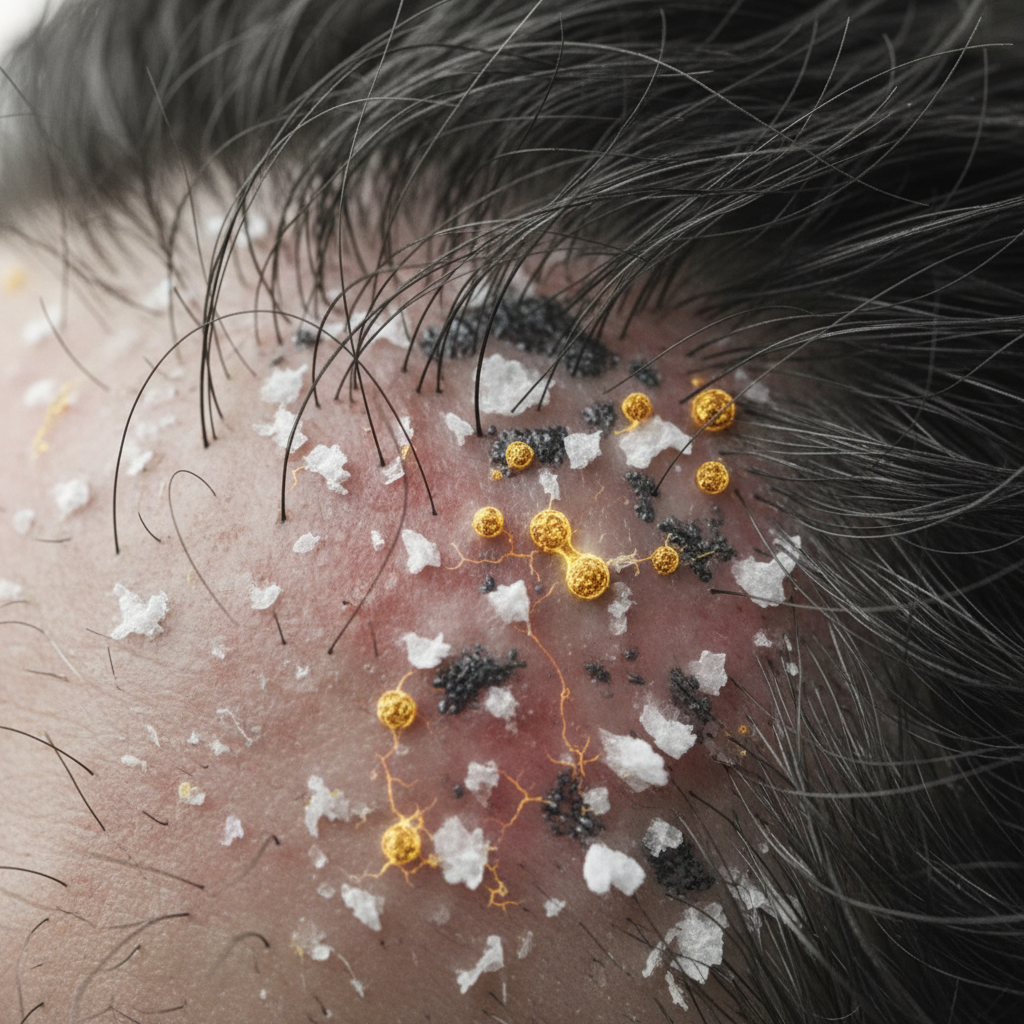
Sebaceous glands produce sebum, a complex mixture of squalene, wax esters, triglycerides, and free fatty acids. Malassezia yeasts lack the enzymes required to synthesise their own fatty acids. To survive, they secrete lipases that hydrolyse human sebum triglycerides, consuming saturated fatty acids and releasing unsaturated fatty acids, primarily oleic acid and arachidonic acid.
In susceptible individuals, these leftover unsaturated fatty acids penetrate the stratum corneum. This breach disrupts the barrier function, inducing an abnormal parakeratotic differentiation of keratinocytes (leading to flaking) and prompting an inflammatory response via interleukin cytokines. This inflammation produces the visible erythema and intense irritation characteristic of the condition.
Excess Sebum Production
 │
 ▼
Malassezia lipases break down triglycerides
 │
 ▼
Release of irritant free fatty acids (oleic acid)
 │
 ▼
Epidermal barrier disruption & cytokine release
 │
 ▼
Inflammation, rapid cell turnover, & greasy scaling
Signs to look for: diagnosis and presentation
Seborrhoeic dermatitis displays distinct clinical markers that differentiate it from simple dry scalp or other forms of eczema. Stylists and individuals can look for these telltale signs:
- Plaque appearance: Greasy, yellowish, oily flakes adhering to the scalp, often clustered around hair follicles.
- Underlying skin: Erythematous (pink or red) patches beneath the scale. On deeper skin tones, erythema may appear violaceous, hyperpigmented, or hypopigmented.
- Distribution: Concentrated in areas of high sebum density, including the crown, frontal hairline, eyebrows, nasolabial folds, and behind the ears.
- Sensory symptoms: Pruritus (itching), burning sensations, or scalp tenderness, which often worsen with sweating or stress.
Distinguishing seborrhoeic dermatitis from other scalp conditions
Misidentifying scalp disorders is common because several conditions present with visible flaking. The following comparison highlights key clinical differences:
| Feature | Seborrhoeic Dermatitis | Scalp Psoriasis | Pityriasis Capitis (Dandruff) | Contact Dermatitis |
|---|---|---|---|---|
| Scale type | Greasy, yellow, moist | Thick, silvery-white, dry | Fine, dry or slightly oily, white | Variable, crusting or peeling |
| Plaque margins | Ill-defined, diffuse | Well-demarcated, sharp edges | Diffuse, minimal plaque formation | Localised to allergen/irritant contact site |
| Underlying erythema | Present, mild to moderate | Intense, salmon-pink or deep red | Absent or very minimal | Intense, often with swelling or blisters |
| Typical locations | Scalp, hairline, ears, central face | Scalp, elbows, knees, lower back | Scalp only | Anywhere hair products touch |
| Hair shedding link | Occasional temporary telogen shedding | Possible scarring/non-scarring shedding | Rare | Rare, secondary to severe inflammation |
Practical steps for daily and weekly management
Managing the scalp requires a balanced regimen that controls yeast populations without stripping the natural barrier.
1. Initial clearing phase
During an active flare, use a targeted medicated shampoo containing an antifungal (ketoconazole 2% or zinc pyrithione 1%) three to four times per week. Apply the product directly to the scalp, massage gently with the pads of your fingers, and leave it in contact with the skin for three to five minutes before rinsing thoroughly. This contact time is essential for the active ingredient to penetrate the sebum layer.
2. Gentle scale removal
If scales are thick, use a lotion or shampoo containing 2 percent salicylic acid once or twice weekly. Avoid manual scraping, fine-toothed combs, or harsh physical scrubs, as mechanical trauma can cause excoriation, secondary bacterial infection, and trigger breakage along the hair fibre.
3. Maintenance phase
When visible scaling and redness subside, taper active medicated washes to once weekly or fortnightly. On intermediate wash days, use a gentle, sulphate-free, pH-balanced (pH 4.5 to 5.5) shampoo that effectively removes sebum and environmental pollution without provoking dryness.
4. Smart conditioning
Conditioners, hair masks, and styling butters should be kept strictly to the mid-lengths and ends of the hair shaft. Avoid applying rich, oil-heavy formulations directly to the scalp, as occlusive lipids provide a metabolic food source for Malassezia.
When hair loss is suspected
Clients and stylists often worry when they notice shedding during a flare-up. Seborrhoeic dermatitis does not cause classic pattern hair loss (androgenetic alopecia) or autoimmune conditions like alopecia areata. It does not destroy the hair follicle.
However, severe, untreated scalp inflammation and vigorous scratching can prompt temporary hair shedding, known as telogen effluvium. Scratching can also tear the outer cuticle layer of the hair fibre, resulting in mechanical hair breakage near the root that mimics true hair loss. Once the inflammation resolves through targeted care, normal follicular cycling resumes, and hair density typically recovers over three to six months.
When to seek medical advice
Consult a GP or dermatologist if over-the-counter medicated shampoos fail to reduce symptoms after four weeks of consistent use.
Immediate medical attention is warranted if you notice signs of secondary bacterial infection, such as weeping fluid, honey-coloured crusting, significant swelling, or spreading warmth. Prescription interventions, including topical corticosteroids, topical calcineurin inhibitors, or prescription-strength antifungals, may be required to bring intense inflammation under control safely.
Supporting the scalp with Watermans
When managing a sensitive, reactive scalp between medicated washes, everyday routine products must respect the scalp's delicate barrier. Watermans GrowMe Shampoo provides a nourishing, revitalising cleanse designed to support an optimal scalp environment.
Formulated with natural botanicals, biotin, rosemary, and niacinamide, it gently lifts excess surface oil and daily impurities without harsh stripping agents. Alternating your targeted dermatological wash with a high-performance formula like Watermans GrowMe helps keep the hair fibre resilient, moisturised, and full-bodied, supporting stronger-feeling hair while you maintain your broader scalp health routine.
Frequently asked questions about Seborrhoeic Dermatitis Care
Can seborrhoeic dermatitis care permanently cure the condition?
No, seborrhoeic dermatitis care manages the condition rather than curing it permanently. Because Malassezia yeast is a natural, permanent resident of the human skin microbiome, complete eradication is neither possible nor desirable. Care protocols aim to suppress yeast overgrowth, dissolve excess scale, and reduce inflammation. Once symptoms resolve, a weekly or fortnightly maintenance wash is typically required to keep flare-ups from returning.
How often should I wash my hair if I have seborrhoeic dermatitis?
Most individuals benefit from washing their scalp every one to two days during a flare-up, transitioning to two to three times weekly once controlled. Infrequent washing allows sebum to accumulate, providing an abundant food supply for Malassezia yeasts. Regular cleansing removes excess lipids and exfoliates dead skin cells, helping to stabilise the epidermal barrier.
Does seborrhoeic dermatitis cause permanent hair loss?
No, it does not cause permanent follicular hair loss. The inflammation and intense itching can trigger temporary hair shedding (telogen effluvium) or cause hair breakage along the shaft due to mechanical scratching. However, the underlying follicles remain intact and alive. Once scalp inflammation is controlled through appropriate care, normal growth patterns generally resume within a few months.
Are natural oils beneficial for this condition?
Most natural oils, including olive, argan, and coconut oil, should be avoided on an active scalp. These oils contain triglycerides and fatty acids like oleic acid that Malassezia yeasts metabolise for energy, which can worsen flaking and inflammation. If conditioning lengths and ends, ensure oils and rich balms do not come into contact with the scalp tissue.
Conclusion
Mastering seborrhoeic dermatitis care requires understanding the biological relationship between natural sebum, skin flora, and epidermal inflammation. By prioritising clinically proven antifungal actives, incorporating gentle keratolytic scale removal, and avoiding heavy, yeast-promoting oils, you can successfully quieten persistent redness and flaking. Consistent maintenance, combined with protective cleansing habits, keeps the scalp calm and balanced, providing the ideal foundation for strong, healthy-looking hair.
Sources and references
- American Academy of Dermatology Association. "Seborrheic dermatitis: Overview, diagnosis, and treatment." 2023.
- British Association of Dermatologists. "Seborrhoeic dermatitis patient information leaflet." 2022.
- National Institute for Health and Care Excellence (NICE). "Seborrhoeic dermatitis: Clinical Knowledge Summaries." 2023.
- Journal of Clinical and Aesthetic Dermatology. "Seborrheic Dermatitis: A Comprehensive Review of Pathogenesis and Management." 2019.
- World Journal of Clinical Cases. "Malassezia yeasts: How they influence the skin microenvironment in seborrheic dermatitis." 2021.
Find these ingredients in Watermans products
- Zinc: you will find this ingredient in our Hair Vitamins.
- Oleic Acid: you will find this ingredient in our Camellia & Black Castor Hair & Body Oil.
- Niacinamide: you will find this ingredient in our Hair Mask.