Scalp Psoriasis Care: Science, Descaling, and Management
9 min read ·
A definitive guide to Scalp Psoriasis Care, detailing the biological mechanisms of plaque formation, safe descaling techniques, and evidence-based scalp treatments.
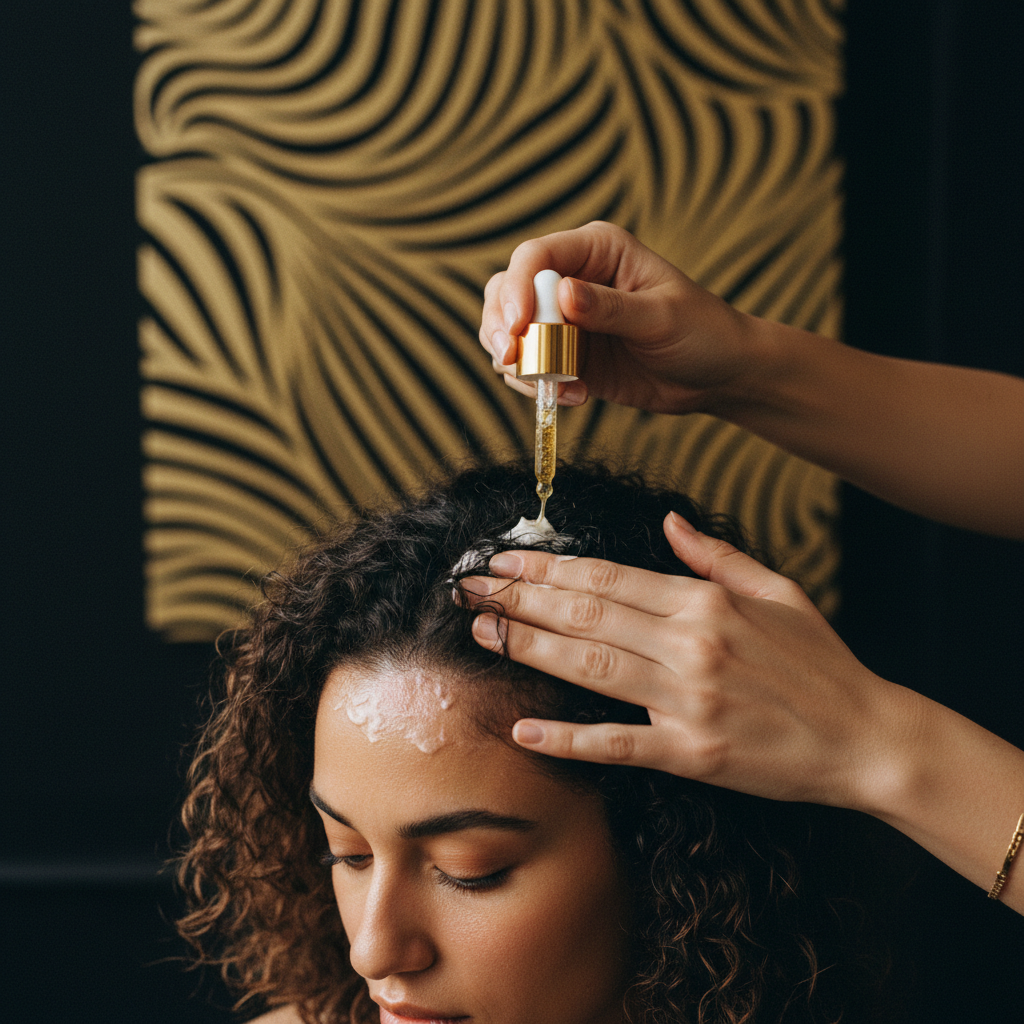
Quick answer: Effective Scalp Psoriasis Care centres on softening and clearing thick plaques, curbing inflammation, and protecting the skin barrier without causing hair breakage. Psoriasis is a chronic, immune-mediated condition that accelerates skin cell turnover from weeks to days. While gentle cosmetic shampoos, keratolytics like salicylic acid, and mineral oils can loosen scales, clinical treatments such as topical corticosteroids and vitamin D analogues remain essential for flare-ups. Cosmetic care cannot cure the underlying systemic disorder, so medical supervision is always recommended.
Key takeaways
- Scalp psoriasis stems from an autoimmune response that speeds epidermal cell turnover, creating raised, silvery-white plaques on an erythematous base.
- Keratolytic agents, such as salicylic acid at 2% to 10%, help break down cohesive keratin so active topical treatments can reach the scalp.
- Mechanical trauma from aggressive scratching, scraping, or rough comb-out triggers new lesions, a reaction known as the Koebner phenomenon.
- Distinguishing psoriasis from seborrhoeic dermatitis is critical, as psoriasis produces thicker, drier plaques that often extend past the hairline.
- Cosmetic products support scalp barrier comfort, but pharmaceutical treatments prescribed by a GP or dermatologist are required to control systemic inflammation.
Scalp Psoriasis Care: what the evidence shows
Clinical dermatology categorises scalp psoriasis as a localised manifestation of plaque psoriasis (psoriasis vulgaris), affecting roughly 50% to 80% of individuals with the condition. Scalp Psoriasis Care requires a tiered, evidence-based approach. The primary therapeutic goal is clearing scale to allow topical anti-inflammatory agents to penetrate the skin.
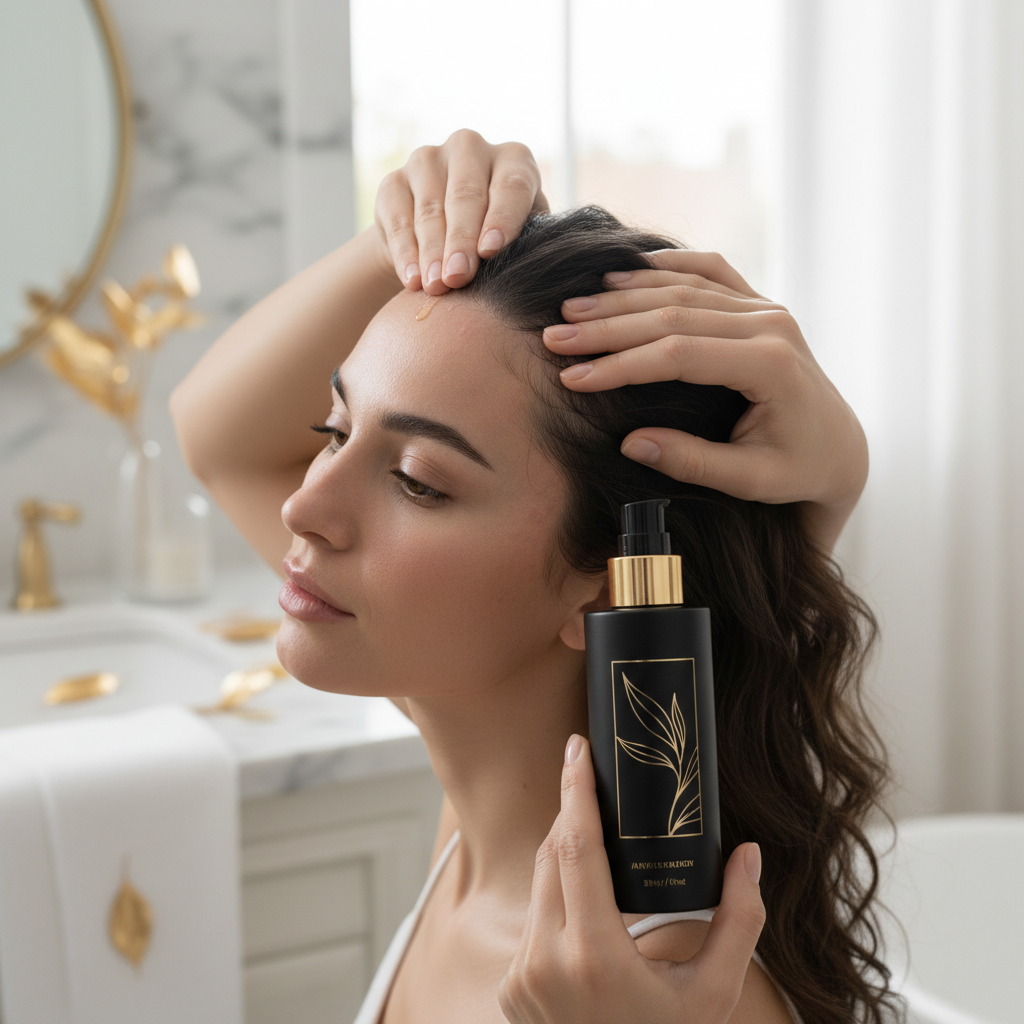
Research published in the British Journal of Dermatology confirms that combining a topical corticosteroid (such as betamethasone dipropionate) with a topical vitamin D3 analogue (such as calcipotriol) offers superior efficacy and safety compared to either treatment used alone. Keratolytic agents, including salicylic acid and coconut oil compounds containing coal tar, serve as vital preparation steps. Salicylic acid disrupts the intercellular lipids cementing parakeratotic cells together, dissolving thick scale within several applications.
Phototherapy (narrowband UVB) is well-evidenced for plaque psoriasis elsewhere on the body, but hair provides a dense physical barrier on the scalp. Targeted phototherapy combs and excimer lasers (308 nm) offer clinical utility where dense hair prevents standard light box penetration.
What the evidence does not show
- Scalp Psoriasis Care cannot permanently cure the disorder. Psoriasis is driven by systemic T-cell and interleukin activity (specifically IL-23 and IL-17 pathways). Cosmetic washes and topical balms only manage local surface manifestations.
- Dietary changes alone do not clear scalp plaques. While systemic inflammation links with metabolic health, no robust, randomised clinical trials show that specific exclusion diets eliminate scalp plaques without medical therapy.
- Natural oils do not replace active medicine. Applying olive or mineral oil softens dry crusts mechanically, but oils lack anti-inflammatory potency to halt epidermal hyperproliferation.
- Psoriasis does not cause permanent follicle destruction in most cases. Hair shedding during a flare is usually a temporary telogen effluvium triggered by intense tissue inflammation or physical friction, not scarring alopecia.
The biological mechanism behind scalp plaques
Healthy epidermal turnover takes roughly 28 to 30 days. Basal keratinocytes divide, migrate upward through the spinous and granular layers, lose their nuclei, and form the protective stratum corneum before shedding invisibly.
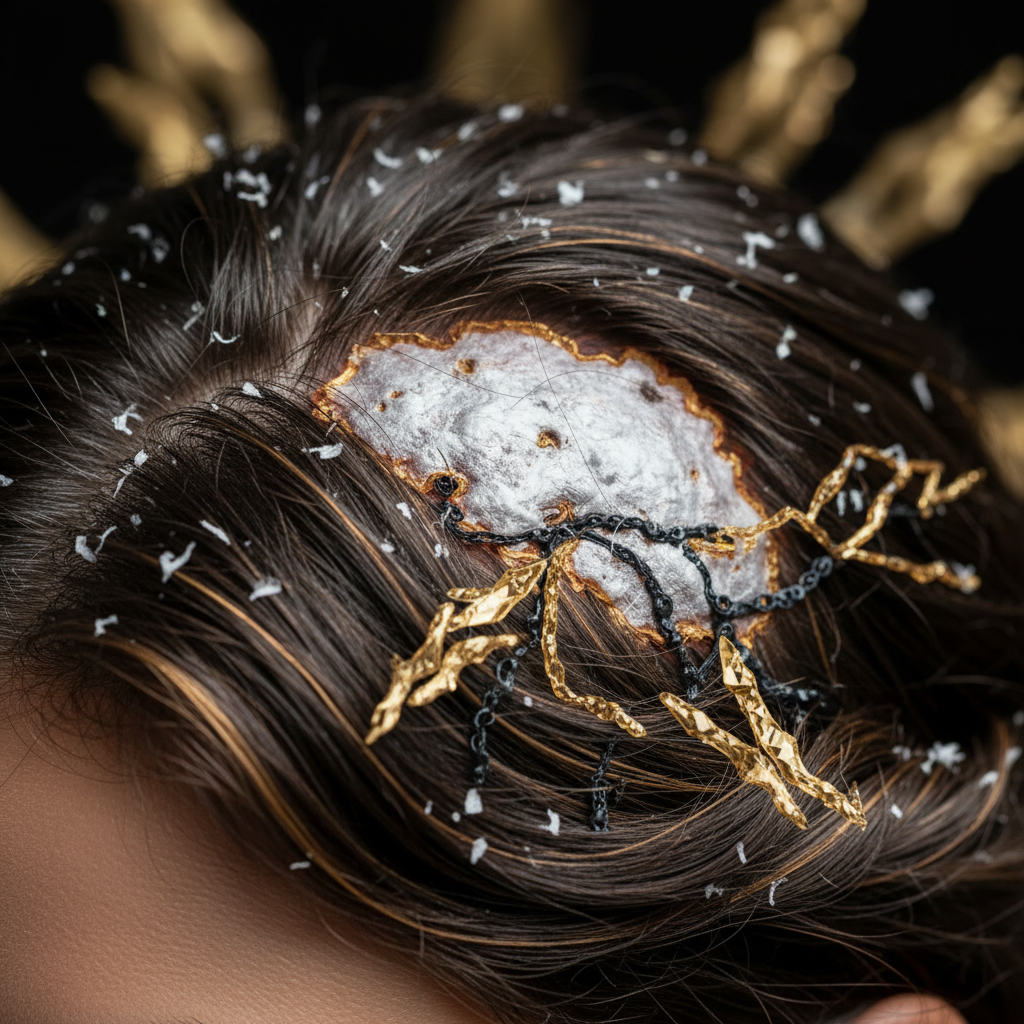
In scalp psoriasis, an overactive immune cascade involving dendritic cells, helper T-cells (Th17), and cytokines (TNF-alpha, IL-17A, IL-22) triggers profound epidermal hyperproliferation. The turnover cycle shortens dramatically to 3 to 5 days.
Because cells migrate faster than they can properly mature, they retain their nuclei (parakeratosis) and fail to form an organised lipid matrix. These immature, cohesive cells pile up rapidly on the scalp surface, generating thick, silvery-white scales over intensely red, inflamed, and vascularised dermis. Dilated capillary loops sit just below these thin, abnormal epidermal layers, which explains why scraping a plaque causes pinpoint bleeding (Auspitz's sign).
Clinical signs: identifying scalp psoriasis
Scalp psoriasis presents with clear physical markers, though severity varies from faint scaling to thick, adherent "cast-like" coverings across the entire cranium:
- Well-demarcated, raised red or violaceous patches with dry, silvery-white lamellar scales.
- Plaques that frequently extend beyond the anatomical hairline onto the forehead, behind the ears, and across the nape of the neck.
- Intense pruritus (itching) that often provokes subconscious scratching.
- Sensation of tightness, burning, or cracking on the scalp surface.
- Fine pinpoint bleeding when scales are picked or peeled away forcibly.
- Hair shedding (telogen effluvium) or hair breakage along the shaft where thick scales trap hair fibres.
Differentiating psoriasis from other scalp conditions
Misdiagnosis is common because several scalp dermatoses cause visible flaking. The table below outlines how scalp psoriasis compares to its most frequent lookalikes.
| Feature | Scalp Psoriasis | Seborrhoeic Dermatitis | Pityriasis Amiantacea |
|---|---|---|---|
| Scale Appearance | Dry, thick, silvery-white, well-demarcated | Greasy, yellowish, loose, diffuse | Thick, asbestos-like, overlapping, binds hair |
| Scalp Margins | Frequently oversteps hairline (retroauricular, forehead) | Confined mainly within hair-bearing margins | Localised patches anywhere on the scalp |
| Underlying Skin | Distinctly red, indurated (raised, thickened) | Faintly pink to orange-red, flat | Erythematous or normal beneath the crust |
| Auspitz's Sign | Present (pinpoint bleeding on removal) | Absent | Absent |
| Primary Driver | Autoimmune; Th17/IL-23 pathway hyperproliferation | Inflammatory reaction to Malassezia yeast metabolites | Secondary reaction pattern to psoriasis, eczema, or infection |
Practical Scalp Psoriasis Care: daily routines and descaling
Managing this condition at home requires patience, systematic descaling, and gentle handling to avoid mechanical injury.
Step 1: Softening and descaling
Applying anti-inflammatory medicines directly over thick, compacted keratin crusts prevents absorption. Loosen plaques first:
- Apply a descaling ointment or scalp oil containing 2% to 5% salicylic acid, coconut oil, or mineral oil.
- Leave the preparation on for 30 to 60 minutes, or overnight under a soft shower cap if directed by a clinician.
- Gently wash the hair using warm (never hot) water. Do not pick or scrape plaques with fingernails or fine-toothed metal combs, as this induces the Koebner phenomenon, causing new plaques to erupt across injured tissue.
Step 2: Cleansing the scalp
Use a low-pH, sulphate-free shampoo to clear softened debris without stripping delicate skin lipids. If advised by your doctor, alternate your gentle wash with a therapeutic shampoo containing coal tar, ketoconazole, or prescribed topical solutions. Work the lather gently into the scalp using the pads of your fingers, rinse thoroughly, and apply a moisturising conditioner strictly to the hair mid-lengths and ends.
Step 3: Applying prescribed topicals
Apply medicated lotions, gels, or foams directly to the exposed scalp skin rather than the hair fibres. Part the hair cleanly in 1 cm rows across the affected zone. Solutions and foams are typically far easier to apply through dense hair than thick ointments, improving daily treatment adherence.
Styling and salon considerations
Stylists working with clients managing scalp psoriasis must adapt techniques to protect an already compromised skin barrier:
- Water temperature: Use lukewarm water at the backwash. Hot water increases scalp erythema and provokes itching.
- Brushing technique: Never scratch the scalp with stiff bristles. Use wide-tooth, seamless combs or flexible detangling brushes, starting at the hair ends and working up toward the roots without raking the scalp.
- Chemical services: Avoid permanent colour, bleaches, chemical relaxers, or perm solutions during active flare-ups. Alkaline chemicals (pH 9.0 to 11.0) can cause severe stinging, chemical dermatitis, and provoke extensive Koebner-induced psoriasis lesions along the hairline.
- Heat styling: Keep hair dryers on low to medium heat settings and direct airflow along the hair shaft rather than baking the exposed scalp skin.
Supportive cosmetic maintenance
Cosmetic haircare products cannot cure medical skin conditions, but maintaining a balanced scalp microbiome and supporting fibre resilience reduces hair breakage. When chronic inflammation weakens hair anchoring, nourishing cosmetic formulations help fortify the remaining strands.
Watermans Grow Me Shampoo and Condition Me Conditioner provide a gentle, revitalising cosmetic baseline for individuals seeking fuller-looking hair and a nourished scalp environment. Formulated with hydrolysed lupin protein, biotin, rosemary extract, and niacinamide, the gentle wash cleanses the scalp without harsh sulphates. It helps keep fragile hair strands soft, conditioned, and resilient against everyday mechanical stress, making it an excellent cosmetic companion alongside medical treatments.
When to seek professional medical advice
Cosmetic maintenance has strict boundaries. You should consult a GP, dermatologist, or qualified trichologist if you notice:
- Plaques spreading extensively beyond the scalp to the face, neck, or body.
- Severe, persistent itching that disrupts sleep or daily functioning.
- Signs of secondary bacterial infection, such as yellow crusting, pus, extreme tenderness, or swollen lymph nodes.
- Joint pain, morning stiffness, or swollen fingers and toes, which can signal psoriatic arthritis (present in up to 30% of psoriasis patients).
- Sudden, diffuse hair shedding across the scalp that does not settle once inflammation subsides.
Frequently asked questions about Scalp Psoriasis Care
Can Scalp Psoriasis Care prevent permanent hair loss?
Yes, consistent care protects against avoidable hair loss. Scalp psoriasis rarely damages the dermal papilla or stem cell niche permanently. However, intense inflammation can force follicles into premature resting phases (telogen effluvium), while scratching causes mechanical hair breakage. Keeping the scalp calm, moisturised, and unpicked preserves follicle viability.
How often should you wash your hair with scalp psoriasis?
Most dermatologists recommend washing every 1 to 2 days during an active flare-up to clear softened scales, remove residual ointments, and deliver topical active ingredients. Once plaques clear, washing can be reduced to 2 to 3 times weekly using gentle, sulphate-free shampoos to prevent excessive dryness.
Is coal tar still recommended for scalp plaques?
Coal tar remains an effective, time-tested option supported by clinical guidelines. It reduces epidermal cell turnover and provides mild anti-pruritic and anti-inflammatory benefits. However, some people dislike its distinct odour and potential to stain grey or light-coloured hair, leading many to prefer topical calcipotriol or corticosteroid foams.
Can oiling the scalp cure psoriasis plaques?
Oiling softens scales, but it cannot cure psoriasis. Vegetable and mineral oils simply hydrate compacted keratin layers, making them easier to wash away without abrasive scratching. Because oiling does not address underlying immune dysfunction, it serves strictly as a mechanical preparation step before applying prescribed medications.
Sustaining scalp health over time
Navigating Scalp Psoriasis Care requires balancing clinical treatments with gentle, protective cosmetic habits. By softening thick plaques methodically, avoiding physical trauma that triggers the Koebner response, and working closely with medical professionals during flare-ups, you can maintain long-term comfort and keep your hair looking strong and healthy.
Sources and references
- British Association of Dermatologists. (2020). Psoriasis: An Overview and Management Guidelines.
- National Institute for Health and Care Excellence (NICE). (2017). Psoriasis: assessment and management [Clinical Guideline CG153].
- Mason, A. R., et al. (2013). Topical treatments for chronic plaque psoriasis of the scalp: a systematic review. British Journal of Dermatology, 169(3), 519-527.
- van de Kerkhof, P. C., & Franssen, M. E. (2001). The erythema and scaling of scalp psoriasis. Journal of the American Academy of Dermatology, 45(4), 546-553.
- Papp, K., et al. (2007). Scalp psoriasis: a review of current topical therapies. Journal of the European Academy of Dermatology and Venereology, 21(9), 1151-1160.
Find these ingredients in Watermans products
- Vitamin D: you will find this ingredient in our Hair Vitamins.
- Niacinamide: you will find this ingredient in our Hair Mask.