Managing Scalp Pruritus: Causes, Science, and Relief
8 min read ·
Discover clinical insights on Managing Scalp Pruritus. Learn core triggers, barrier repair, effective washing routines, and when to seek specialist advice.
Quick answer: Managing Scalp Pruritus involves identifying the root driver of persistent itch, calming epidermal inflammation, and repairing the skin barrier with targeted washes, soothing botanicals, or prescribed topicals. Scalp pruritus is a symptom rather than an independent disease, commonly triggered by seborrhoeic dermatitis, contact allergies, neurogenic signals, or barrier dryness. The main limitation is that symptomatic over-the-counter soothing cannot resolve chronic itch caused by underlying systemic disorders, active infections, or scarring alopecias without professional medical diagnosis and prescription treatment.
Key takeaways
- Scalp pruritus is an itch sensation arising from inflammatory skin conditions, fungal overgrowth, dry barrier disruption, or neuropathic irritation.
- Scratching damages the delicate epidermal stratum corneum, creating micro-tears that invite secondary bacterial infections and increase the risk of mechanical hair breakage.
- Washing regularly with balanced, gentle surfactant formulas helps dislodge oxidised sebum, irritants, and excess Malassezia yeast without stripping natural lipids.
- Common culprits include contact allergic dermatitis from hair dyes (such as paraphenylenediamine) and fragrance allergens.
- Persistent itching accompanied by hair shedding, pustules, severe scaling, or burning requires formal evaluation by a trichologist or dermatologist.
Managing Scalp Pruritus: what the evidence shows
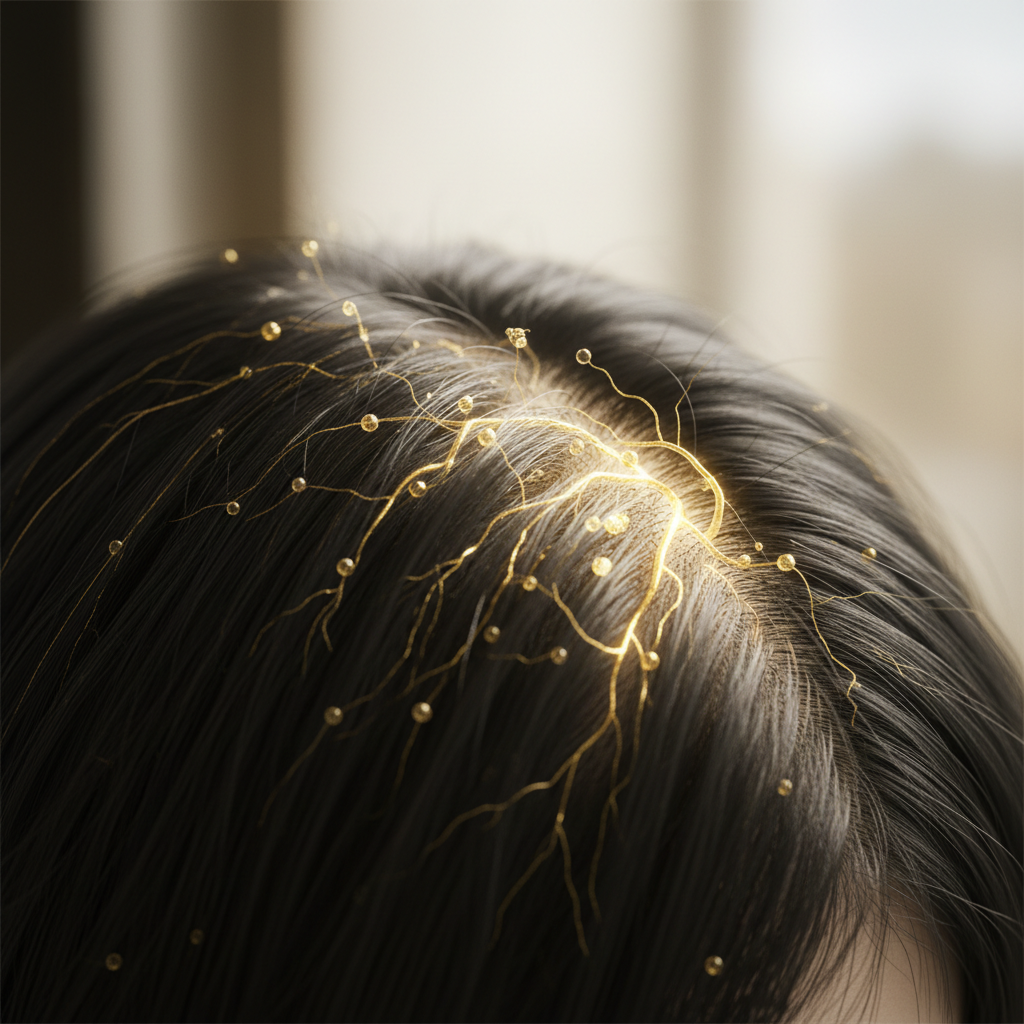
Managing Scalp Pruritus requires a systematic clinical approach because itch is mediated through complex neural, immune, and barrier pathways. Research published in dermatological literature indicates that the scalp possesses a uniquely dense network of sensory C-fibres alongside high concentrations of sebaceous glands. When external irritants penetrate a weakened stratum corneum or when micro-organisms release metabolic by-products, histamine and non-histaminergic pruritogens (such as proteinase-activated receptor 2 agonists) activate these nerve endings.
Clinical trials demonstrate that targeted topical formulations significantly reduce scalp itch. For conditions driven by Malassezia yeast, such as seborrhoeic dermatitis and dandruff, active antifungal agents such as ketoconazole (1% to 2%), zinc pyrithione, and piroctone olamine consistently reduce fungal load, inflammation, and itch severity scores within two to four weeks.
For non-inflammatory or barrier-deficient itch, evidence highlights the value of physiological lipids, humectants, and anti-inflammatory botanicals. Ingredients like niacinamide, panthenol, allantoin, and menthol provide symptomatic relief. Menthol works by stimulating cold-sensitive TRPM8 receptors to override the itch sensation, while barrier-repairing humectants reduce transepidermal water loss (TEWL) on chronically dry skin.
What the evidence does not show
The scientific literature does not support several persistent myths surrounding itchy scalps. There is no controlled evidence showing that skipping shampoo for extended periods cures itch. In reality, under-washing allows sebum to accumulate, oxidise, and feed opportunistic Malassezia yeasts, worsening inflammatory pruritus.
Furthermore, evidence does not show that natural plant oils are universally soothing. Applying heavy culinary oils like olive oil or coconut oil to an actively inflamed, flaking scalp can aggravate seborrhoeic dermatitis, because Malassezia species directly consume specific fatty acids (such as oleic acid) from these oils to flourish. Finally, managing pruritus on its own does not reverse genetic hair thinning, though controlling severe scratching prevents secondary mechanical traction and hair fibre breakage.
Mechanisms: why does the scalp itch?
The scalp operates as a distinct micro-environment where skin flora, sebum production, and dense hair follicles intersect. Understanding itch pathways helps you select the correct strategy:
- Barrier Disruption: Aggressive alkaline cleansing, harsh weather, or frequent heat styling degrades the intercellular lipid matrix (ceramides, cholesterol, free fatty acids). When the skin barrier fails, transepidermal water loss increases, allergens penetrate deeper, and sensory nerve endings become hyper-reactive.
- Microbial Dysbiosis: Malassezia yeasts hydrolyse scalp triglycerides into free fatty acids. In susceptible individuals, these unsaturated fatty acids trigger an inflammatory cascade that stimulates epidermal nerve fibres, provoking intense itching alongside visible flakes.
- Neurogenic Pruritus: Sometimes the scalp barrier looks completely normal, yet the itch feels excruciating. This form, known as scalp dysaesthesia or neuropathic pruritus, involves cervical spine compression, nerve hypersensitivity, or substance P release driven by physical or psychological stress.
- Allergic Contact Sensitisation: Repeated exposure to harsh preservatives, synthetic fragrances, or hair dye chemistry (such as paraphenylenediamine, or PPD) can trigger a Type IV cell-mediated allergic reaction, producing swelling, erythema, and relentless itch.
Signs to look for: distinguishing common causes
Identifying the visual and tactile clues on your scalp directs effective intervention:
| Scalp Condition | Primary Visual Signs | Sensation & Timing | Best Management Strategy |
|---|---|---|---|
| Seborrhoeic Dermatitis | Greasy, yellowish flakes; erythema along hairline and crown | Persistent itch, worsening with sweat and sebum build-up | Antifungal shampoos, salicylic acid, zinc pyrithione |
| Pityriasis Capitis (Dandruff) | Small, loose white flakes; minimal visible erythema | Mild to moderate itch between washes | Piroctone olamine, gentle frequent cleansing |
| Scalp Xerosis (Dry Scalp) | Fine, dry white powder; tight, dull-looking skin | Prickling itch, especially after hot showers | Gentle hydrating cleansers, panthenol, aloe vera |
| Contact Dermatitis | Marked redness, swelling, oozing, crusting, or burning | Sharp, acute itch emerging 24 to 72 hours post-product use | Discontinue culprit product, apply topical corticosteroid |
| Scalp Psoriasis | Thick, silvery-white adherent plaques; well-demarcated edges | Severe, deep itch, tightness, bleeding if plaques are removed | Coal tar, prescribed vitamin D analogues, keratolytics |
What you can do to manage scalp itch
A proactive daily routine reduces discomfort, restores comfort, and preserves hair density.
Cleanse with scalp-friendly formulations
Wash your hair regularly using lukewarm water instead of hot water, which strips natural barrier lipids. Opt for a pH-balanced shampoo (ideally pH 4.5 to 5.5) formulated with gentle surfactants like decyl glucoside or sodium cocoyl isethionate. If flaking is present, incorporate shampoos containing active soothing and antifungal agents two to three times weekly.
Nourish and protect the scalp barrier
Treat the scalp as an extension of facial skin. Use lightweight, water-based leave-in serums infused with niacinamide, glycerin, panthenol, and allantoin. These active ingredients soothe irritation, stimulate micro-circulation, and rebuild barrier integrity without leaving heavy greasy residue on hair roots.
Eliminate common chemical irritants
Conduct a process of elimination if itching starts suddenly. Temporarily pause the use of heavily fragranced dry shampoos, styling waxes, and alcohol-heavy hairsprays. When colouring hair, perform a patch test 48 hours prior behind your ear to rule out sensitisation to dyes.
Incorporate targeted supportive care
For everyday hair maintenance that respects scalp balance, consider formulas designed to promote a healthy follicle foundation. Watermans GrowMe Shampoo and ConditionMe Conditioner deliver revitalising botanicals, including biotin, rosemary extract, allantoin, and caffeine, cleansing gently while supporting optimal scalp comfort and stronger-feeling hair.
When the cause may be something else
If your itch does not resolve within two to three weeks of basic barrier care and antifungal shampooing, consider alternative underlying causes:
- Pediculosis Capitis (Head Lice): Intense nocturnal itching around the nape and ears, accompanied by visible nits stuck firmly to hair shafts.
- Cicatricial (Scarring) Alopecia: Conditions like lichen planopilaris or frontal fibrosing alopecia manifest as intense pruritus, burning, perifollicular erythema, and irreversible follicular drop-out.
- Systemic Diseases: Chronic pruritus without primary rash can accompany iron deficiency anaemia, thyroid disorders, or chronic renal disease.
When to get professional advice
Consult a GP, registered trichologist, or dermatologist immediately if you experience:
- Severe, unremitting itch that disturbs your sleep or everyday concentration.
- Sudden or progressive hair shedding, round bald patches, or thinning alongside the itch.
- Visible pus, crusting, honey-coloured discharge, or extreme scalp pain.
- Thick plaques that bleed when disturbed.
- No improvement after four weeks of consistent over-the-counter care.
Frequently asked questions about Managing Scalp Pruritus
How often should I wash my hair when managing scalp pruritus?
Most people benefit from washing every one to two days. Infrequent washing allows sweat, environmental pollution, and oxidised sebum to accumulate, exacerbating fungal activity and irritation. Use a mild, pH-balanced shampoo that removes residue without stripping essential barrier lipids.
Does scratching an itchy scalp lead to hair loss?
Scratching does not trigger follicular conditions like androgenetic alopecia, but it does cause significant mechanical damage. Aggressive nails abrade the scalp skin and tear hair cuticles, resulting in hair breakage along the shaft and potential secondary bacterial infections that disrupt healthy follicle function.
Can cold water rinses help with Managing Scalp Pruritus?
Yes. Cool or lukewarm rinses help soothe acute itch sensations by constricting local blood vessels and reducing inflammatory signals. Hot water, conversely, strips protective intercellular lipids, accelerates transepidermal water loss, and worsens dryness and irritation.
What ingredients should I look for in an anti-itch scalp serum?
Look for water-based, non-comedogenic ingredients such as panthenol (vitamin B5), allantoin, niacinamide, and aloe vera. Menthol or peppermint can offer immediate, cooling neurosensory distraction from itch, while mild keratolytics like low-concentration salicylic acid clear cellular debris gently.
Is an itchy scalp always caused by dandruff?
No. While dandruff is a common cause, scalp itch frequently stems from contact allergies to styling ingredients, dry skin from harsh cleansers, scalp psoriasis, or neurogenic conditions. An accurate assessment of flake type, redness, and hydration levels helps pinpoint the actual driver.
Supporting scalp wellness long-term
Successfully Managing Scalp Pruritus depends on identifying your specific biological triggers, calming acute neurosensory distress, and adopting supportive, non-irritating hygiene habits. By treating the scalp with the same targeted barrier respect given to delicate facial skin, you resolve chronic irritation, prevent secondary hair breakage, and cultivate an ideal physiological foundation for vibrant, fuller-looking hair.
Sources and references
- British Association of Dermatologists. Guidelines for the management of scalp conditions and seborrhoeic dermatitis.
- National Institute for Health and Care Excellence (NICE). Psoriasis and Seborrhoeic Dermatitis: Clinical Knowledge Summaries (CKS).
- Misery, L., et al. Scalp pruritus: review of mechanisms, clinical presentations, and management. Journal of the European Academy of Dermatology and Venereology.
- Borda, L. J., & Wikramanayake, T. C. Seborrheic Dermatitis and Dandruff: A Comprehensive Review. Journal of Clinical and Investigative Dermatology.
- Gaitanis, G., et al. The Malassezia genus in skin pathology. Clinics in Dermatology.
Find these ingredients in Watermans products
- Zinc: you will find this ingredient in our Hair Vitamins.
- Oleic Acid: you will find this ingredient in our Camellia & Black Castor Hair & Body Oil.
- Niacinamide: you will find this ingredient in our Hair Mask.
- Panthenol (Provitamin B5): you will find this ingredient in our Heat Protection Spray.
- Aloe Vera: you will find this ingredient in our Curly Hair Conditioner.