Preventing Hair Breakage: An Evidence-Based Guide to Stronger Hair
13 min read ·
Preventing Hair Breakage involves understanding its causes, from mechanical stress to chemical treatments, and adopting hair care practices that maintain the hair's structural integrity.
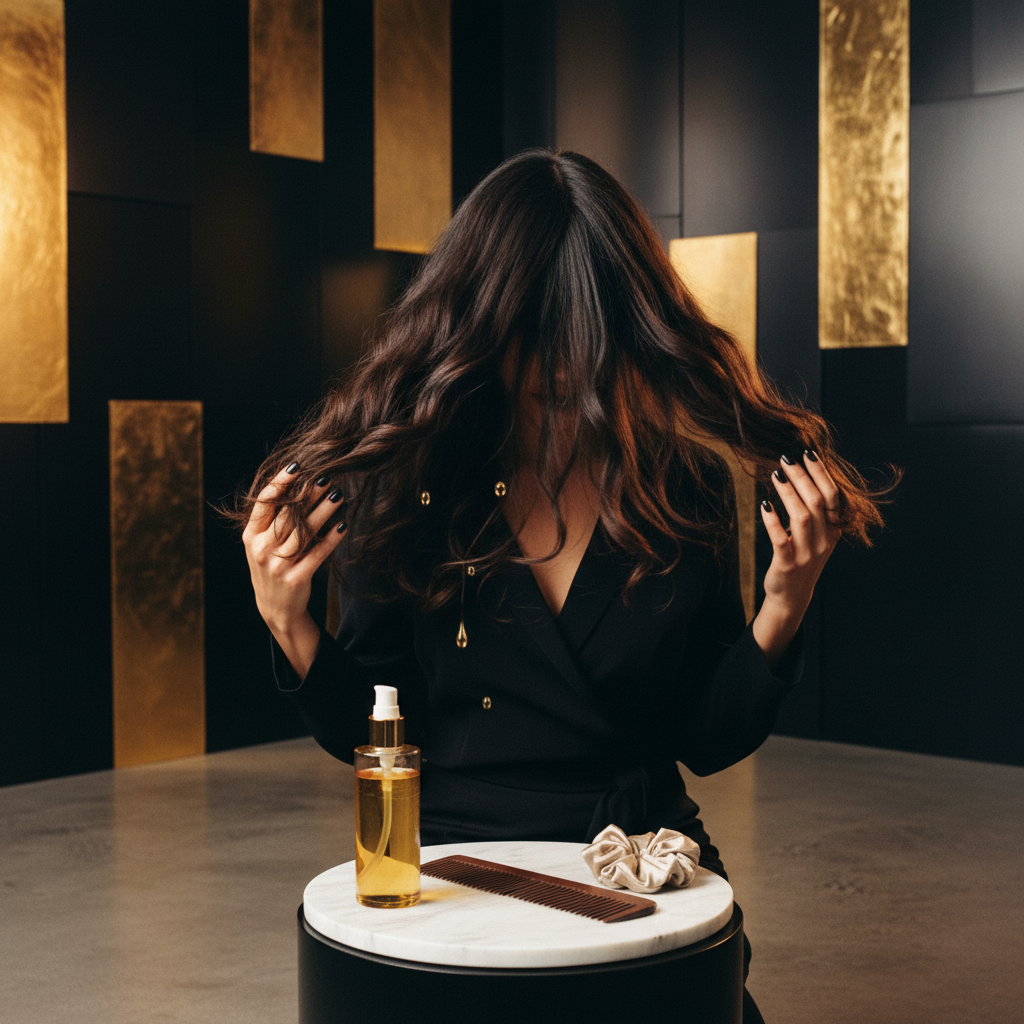
Quick answer: Preventing Hair Breakage primarily involves protecting the hair's outer cuticle and inner cortex from damage caused by mechanical stress, chemical treatments, heat styling, and environmental factors. It is distinct from hair shedding (telogen effluvium) or hair loss (alopecia), focusing specifically on maintaining the structural integrity of the hair fibre to prevent it from snapping along the shaft. While hair breakage can be significantly reduced, eliminating it entirely might not always be possible due to continuous exposure to daily stressors.
Key takeaways
- Hair breakage occurs when the hair fibre snaps, often due to damage to the protective outer cuticle or the inner cortex.
- It is distinct from hair shedding (when hair detaches from the follicle) and hair loss (conditions like alopecia).
- Common causes include vigorous brushing, tight hairstyles, chemical treatments (colouring, perms), excessive heat styling, and environmental exposure.
- Gentle handling, appropriate conditioning, and minimising damaging treatments are key strategies for Preventing Hair Breakage.
- Maintaining adequate hair hydration and protein balance helps fortify the hair structure against breakage.
- If breakage persists despite best efforts, or if accompanied by significant shedding or hair loss, consulting a healthcare professional is advisable.
Preventing Hair Breakage: what the evidence shows
Preventing Hair Breakage relies on understanding how the hair fibre is structured and what weakens it. Hair breakage is the physical snapping of the hair shaft, which can occur at any point along its length. It is separate from hair shedding, which is the natural release of the entire hair strand from its follicle as part of the hair growth cycle, and hair loss, which refers to conditions where hair follicles stop producing hair or produce finer, shorter hairs (such as alopecia).
The hair shaft is composed mainly of keratin, a fibrous protein. Its primary structure consists of three layers:
- Cuticle: The outermost layer, made of overlapping, scale-like cells. A healthy cuticle lies flat, protecting the inner cortex and reflecting light. Damage, such as that from harsh chemicals or vigorous styling, can lift these scales, making the hair rough, prone to tangling, and vulnerable to breakage. This is why products that smooth the cuticle, like conditioners, are vital (see 'The Science of Conditioners: How Hair Care Formulations Work').
- Cortex: The thickest layer, providing the hair's strength, elasticity, and containing its pigment. Damage to the cortex weakens the hair from within, making it susceptible to snapping.
- Medulla: The innermost core, present in some hair types, though its exact function is not fully understood. It is thought to contribute to hair's resilience.
Breakage occurs when these layers, particularly the cuticle and cortex, are compromised, reducing the hair's tensile strength and elasticity. Research indicates that both internal factors (such as nutrient deficiencies, though this is less common) and external stressors contribute significantly to hair fibre weakening and eventual breakage.
What causes hair breakage?
The causes of hair breakage are varied, but generally fall into mechanical, chemical, thermal, and environmental categories. Identifying and mitigating these factors is crucial for Preventing Hair Breakage.
1. Mechanical Damage
This type of damage results from physical forces applied to the hair. The evidence consistently shows that harsh mechanical practices significantly contribute to breakage.
- Vigorous Brushing and Combing: Wet hair is more fragile and elastic than dry hair. Brushing or combing wet hair aggressively, especially with inappropriate tools, can stretch and snap the fibres. A study published in the Journal of the American Academy of Dermatology highlighted the damage caused by improper hair grooming habits. Using a wide-tooth comb or a brush designed for detangling on wet hair can minimise this, as detailed in 'How to Detangle Afro Hair Without Breakage: An Evidence-Based Guide'.
- Tight Hairstyles: Styles that exert constant tension, such as very tight ponytails, braids, or buns, can cause stress fractures along the hair shaft and even lead to traction alopecia over time. This constant pulling weakens the fibre and can lead to snapping at the point of tension. Protective styling, when done correctly, aims to minimise such stress.
- Friction: Rubbing hair against abrasive surfaces (e.g., cotton pillowcases, rough towels) can lift and damage the cuticle, making the hair more vulnerable. Satin or silk pillowcases can reduce friction, as can gently blotting hair dry with a microfibre towel instead of rubbing it vigorously.
- Excessive Manipulation: Constantly touching, twisting, or playing with hair can create cumulative micro-damage over time.
2. Chemical Damage
Chemical processes fundamentally alter the hair's protein structure, often leading to significant weakening. Controlled research shows these treatments can severely compromise the hair shaft.
- Colouring and Bleaching: These processes involve lifting the cuticle to deposit or remove pigment. Bleaching, in particular, oxidises melanin and breaks disulfide bonds in the cortex, severely weakening the hair. The stronger the chemical solution and the longer the processing time, the greater the potential for damage. This is a common cause of increased porosity (see 'Understanding Hair Porosity') and subsequent breakage.
- Perms and Relaxers (Chemical Straighteners): These treatments chemically restructure the hair's disulfide bonds. While they achieve desired texture changes, they inherently weaken the hair fibre, making it more susceptible to breakage if not managed with extreme care and appropriate aftercare. Over-processing or overlapping chemicals on previously treated hair significantly increases the risk of damage.
3. Thermal Damage
High temperatures from styling tools can evaporate the hair's internal moisture, denature proteins, and cause the cuticle to crack, leading to breakage.
- Heat Styling Tools: Hair dryers, curling irons, and straighteners can reach temperatures that damage the hair's keratin structure. Studies show that temperatures above 180°C can cause significant fibre damage. Using heat protectants and lower temperature settings, as well as minimising frequency, is critical (see 'Heat Styling Safety Best Practices' and 'Heat Styling: Understanding Its Effects and How to Protect Your Hair').
- Hot Water: While less damaging than direct heat tools, excessively hot water during washing can strip natural oils and lift the cuticle, making hair more vulnerable.
4. Environmental Factors
External elements can also contribute to hair fibre degradation.
- UV Radiation: Prolonged exposure to sunlight can degrade hair proteins and pigments, leading to dry, brittle hair that breaks more easily. The International Journal of Cosmetic Science has published research on the photo-degradation of hair.
- Pollution: Environmental pollutants can deposit on hair, potentially leading to oxidative stress and cuticle damage.
- Hard Water: Water with high mineral content (calcium, magnesium) can leave deposits on the hair, making it stiff, dull, and more prone to tangling and breakage (see 'Hard Water and Hair Damage'). Chelating shampoos can help mitigate this.
- Chlorine and Saltwater: Both can strip hair of its natural oils and moisture. Chlorine, in particular, can react with hair proteins and lead to dryness and brittleness.
Signs of hair breakage
Recognising the signs of breakage is the first step towards intervention. Look for:
- Split Ends: The hair shaft divides into two or more strands at the tip. This indicates that the cuticle has worn away, exposing the inner cortex.
- Short, Broken Strands: You might notice tiny hair pieces in your comb, brush, or on your clothes, distinct from full-length shed hairs.
- Frizz and Flyaways: Damaged cuticles cannot lie flat, leading to a rough texture, increased frizz, and flyaways, even in humid conditions (see 'Dealing with Frizzy Hair' and 'How to Reduce Frizz in Hair').
- Dullness and Lack of Shine: A compromised cuticle cannot reflect light effectively, making hair appear dull.
- Rough Texture: Hair that feels coarse, brittle, or "straw-like" to the touch often has significant cuticle damage.
- Difficulty Detangling: Tangling increases when the cuticle is lifted, as hair strands catch on each other.
What you can do to prevent hair breakage
Preventing Hair Breakage involves a multi-faceted approach, focusing on gentle care, hydration, and protection.
1. Gentle Handling and Styling:
- Detangle Carefully: Always detangle dry or damp hair with a wide-tooth comb or a specialised detangling brush, starting from the ends and working your way up. Apply a leave-in conditioner or detangling spray beforehand.
- Avoid Aggressive Brushing: Brush hair when dry, using soft-bristled brushes. Minimise brushing wet hair. When you do, use appropriate tools.
- Loosen Up Hairstyles: Opt for looser styles to reduce tension on the hair shaft and scalp. Varying your hairstyles can also prevent stress in specific areas.
- Protect Hair at Night: Sleep on a satin or silk pillowcase to reduce friction. Consider loose braids or buns to prevent tangling during sleep.
2. Optimise Washing and Conditioning:
- Use Gentle Shampoos: Choose sulfate-free shampoos (see 'Sulfate-Free Shampoo Benefits') that cleanse effectively without stripping too much moisture. Harsh detergents can disrupt the cuticle.
- Condition Regularly: Conditioners help to smooth the cuticle, improve manageability, and reduce friction. Look for ingredients like cetearyl alcohol, behentrimonium methosulfate, and emollients (see 'Choosing the Right Hair Conditioner'). Applying conditioner from mid-lengths to ends is usually sufficient.
- Deep Conditioning Treatments: Incorporate a weekly or bi-weekly deep conditioning mask, especially if your hair is prone to dryness or has undergone chemical treatments. These treatments provide intensive hydration and repair.
- Rinse with Lukewarm Water: Finish with a cool rinse to help seal the cuticle.
3. Minimise Chemical and Heat Damage:
- Limit Chemical Treatments: Reduce the frequency of colouring, bleaching, perms, and relaxers. When you do undergo them, ensure they are performed by experienced professionals and follow all aftercare instructions diligently.
- Use Heat Protection: Always apply a heat protectant spray or serum before using heat styling tools. These products create a barrier that reduces direct heat transfer to the hair shaft.
- Lower Heat Settings: Use the lowest effective heat setting on your styling tools. Air-drying when possible is also beneficial (see 'Hair Drying Techniques').
4. Hydration and Nutrition:
- Moisturise Hair: Hair that is well-hydrated is more elastic and less prone to breakage. Use leave-in conditioners, hair oils, and moisturisers, especially for curly and afro hair types which are naturally drier (see 'Hair Hydration: The Science Behind Keeping Hair Moist' and 'How to Moisturise Afro Hair'). Humectants can draw moisture into the hair (see 'Humectants: Understanding How They Hydrate and Protect Your Hair').
- Balanced Diet: While the link between diet and hair breakage is less direct than direct damage, a diet rich in proteins, vitamins (especially A, C, D, E, biotin), and minerals (iron, zinc) supports overall hair health and the production of strong keratin. For instance, studies on nutrient deficiencies sometimes cite hair fragility as a symptom.
5. Professional Care:
- Regular Trims: While trimming doesn't prevent new breakage from forming, it removes existing split ends and damaged sections, preventing them from travelling further up the hair shaft.
- Professional Treatments: In-salon treatments can help repair damaged bonds and strengthen hair temporarily.
Comparing Hair Breakage vs. Hair Shedding
It's common to confuse hair breakage with hair shedding, but they are distinct phenomena with different implications for hair health.
| Feature | Hair Breakage | Hair Shedding (Telogen Effluvium) |
|---|---|---|
| What it is | The hair shaft snaps along its length. | The entire hair strand detaches from the follicle at the root. |
| Appearance | Short pieces, split ends, frizz, flyaways. | Full-length hairs, often with a white bulb at the root end. |
| Primary Cause | Damage to hair fibre (mechanical, chemical, heat). | Disruption of the hair growth cycle (stress, illness, hormones). |
| Impact | Weakens existing hair, reduces perceived length. | Reduces hair density due to increased follicle dormancy. |
| Prevention | Gentle care, conditioning, protection from damage. | Addressing underlying physiological stressors. |
| Treatment | Repairing fibre, preventing further damage. | Resolving the trigger for shedding, supporting regrowth. |
When the cause may be something else
If you are experiencing significant hair breakage despite implementing gentle hair care practices, or if it is accompanied by increased hair shedding or noticeable hair thinning, it's important to consider other potential underlying causes that are not directly related to hair fibre damage:
- Nutritional Deficiencies: Severe deficiencies in iron, zinc, or certain vitamins can impact hair health, potentially leading to weaker hair. However, this is less common than external damage.
- Thyroid Disorders: Both an overactive and underactive thyroid can affect hair growth and texture, sometimes leading to brittle hair.
- Hormonal Imbalances: Hormonal shifts, such as those during pregnancy, postpartum, or menopause, can influence hair strength and shedding.
- Certain Medications: Some prescription drugs can have side effects that include hair changes or increased shedding.
- Medical Conditions: Conditions like anaemia, autoimmune diseases, or specific scalp disorders can sometimes manifest with brittle hair or hair loss. Dandruff and other scalp irritations can also contribute indirectly by causing inflammation that affects hair quality (see 'Dandruff: Causes and Treatments Explained' and 'Understanding Scalp Health').
When to get professional advice
If you are concerned about persistent or severe hair breakage, or if you also notice increased hair shedding, hair thinning, or scalp irritation, it is advisable to consult a healthcare professional, such as your GP or a dermatologist. They can help identify any underlying medical conditions, nutritional deficiencies, or other factors that might be contributing to your hair concerns. They can also offer tailored advice or refer you to a trichologist if necessary.
Frequently asked questions about Preventing Hair Breakage
What are the best products for preventing hair breakage?
The best products for Preventing Hair Breakage are those that protect, moisturise, and strengthen the hair fibre. This includes gentle, sulfate-free shampoos, rich conditioners, deep conditioning masks, leave-in conditioners, and heat protectant sprays. Ingredients like hydrolysed proteins (e.g., hydrolysed wheat protein) can temporarily strengthen the hair shaft. Products designed to smooth the cuticle and add slip, such as those containing silicones or natural oils, also help reduce friction and tangling.
Can diet impact hair breakage?
Yes, a balanced diet supports overall hair health, which can indirectly help prevent breakage. Hair is made of protein, so adequate protein intake is crucial. Key nutrients like iron, zinc, biotin, and vitamins A, C, and E contribute to healthy hair follicle function and strong hair fibre production. While diet alone rarely causes significant breakage unless there's a severe deficiency, a nutrient-rich diet provides the building blocks for resilient hair.
Is wet hair more prone to breakage?
Yes, wet hair is significantly more vulnerable to breakage than dry hair. When hair is wet, the bonds within the hair shaft are weakened, and the hair becomes more elastic. This means it can stretch more, but it also snaps more easily if pulled or handled roughly. This is why it's essential to be extra gentle when detangling, combing, or styling wet hair, using appropriate tools and techniques.
How often should I trim my hair to prevent breakage?
Regular trims are important for managing existing breakage, typically every 8 to 12 weeks. While trimming doesn't prevent new damage, it removes split ends and damaged sections before they can travel further up the hair shaft, which would necessitate cutting off more length. The exact frequency depends on your hair type, styling habits, and how quickly your ends become damaged. Listen to your hair; if you see split ends, it's time for a trim.
Does hard water cause hair breakage?
Hard water can contribute to hair breakage. The high mineral content, particularly calcium and magnesium, can build up on the hair shaft, making it feel stiff, dull, and rough. This mineral coating can also prevent moisture from penetrating the hair, leading to dryness and increased friction between strands. Over time, this makes the hair more prone to tangling, which in turn increases the risk of breakage during brushing and styling. Using a chelating shampoo periodically can help remove mineral buildup.
Watermans Haircare for Preventing Hair Breakage
At Watermans, we understand the science behind hair strength and resilience. Our formulations are designed to support the hair's structural integrity, contributing to its overall health and helping to reduce the incidence of breakage. Our range includes products with ingredients known to condition, strengthen, and protect the hair fibre, making them suitable for those focused on Preventing Hair Breakage.
- Watermans Grow Me Hair Growth Shampoo: This shampoo contains hydrolysed lupin protein, which has been shown to improve hair elasticity and strength, helping to fortify the hair shaft against breakage. It also gently cleanses without stripping natural oils, maintaining the hair's natural moisture balance.
- Watermans Condition Me Hair Growth Conditioner: Designed to complement the shampoo, this conditioner helps to smooth the hair cuticle, reducing tangles and friction, which are common causes of mechanical breakage. It provides essential moisture and a protective layer.
- Watermans Masque Me Hair Mask: For an intensive treatment, our Masque Me Hair Mask delivers deep conditioning and nourishment, specifically targeting damaged areas to restore suppleness and reduce brittleness, a key factor in Preventing Hair Breakage.
These products work in synergy to create an optimal environment for healthy hair growth and to protect existing hair from damage, supporting your efforts in Preventing Hair Breakage.
Sources and references
- Journal of the American Academy of Dermatology, Hair Care: An Illustrated Guide. 2004.
- International Journal of Cosmetic Science, UV Radiation and Hair Damage: Mechanisms and Prevention. 2009.
- International Journal of Trichology, Hair Cosmetics: An Overview. 2015.
- American Academy of Dermatology Association, Hair care: How to shampoo and condition. https://www.aad.org/public/everyday-care/hair-care-basics/care/shampoo-condition
- National Institute of Health, Office of Dietary Supplements, Biotin Fact Sheet for Health Professionals. https://ods.od.nih.gov/factsheets/Biotin-HealthProfessional/
- Harvard T.H. Chan School of Public Health, The Nutrition Source, Hair Health. https://www.hsph.harvard.edu/nutritionsource/hair-health/
- Mayo Clinic, Hair loss. https://www.mayoclinic.org/diseases-conditions/hair-loss/symptoms-causes/syc-20372926