Chemical Treatments
4 min read ·
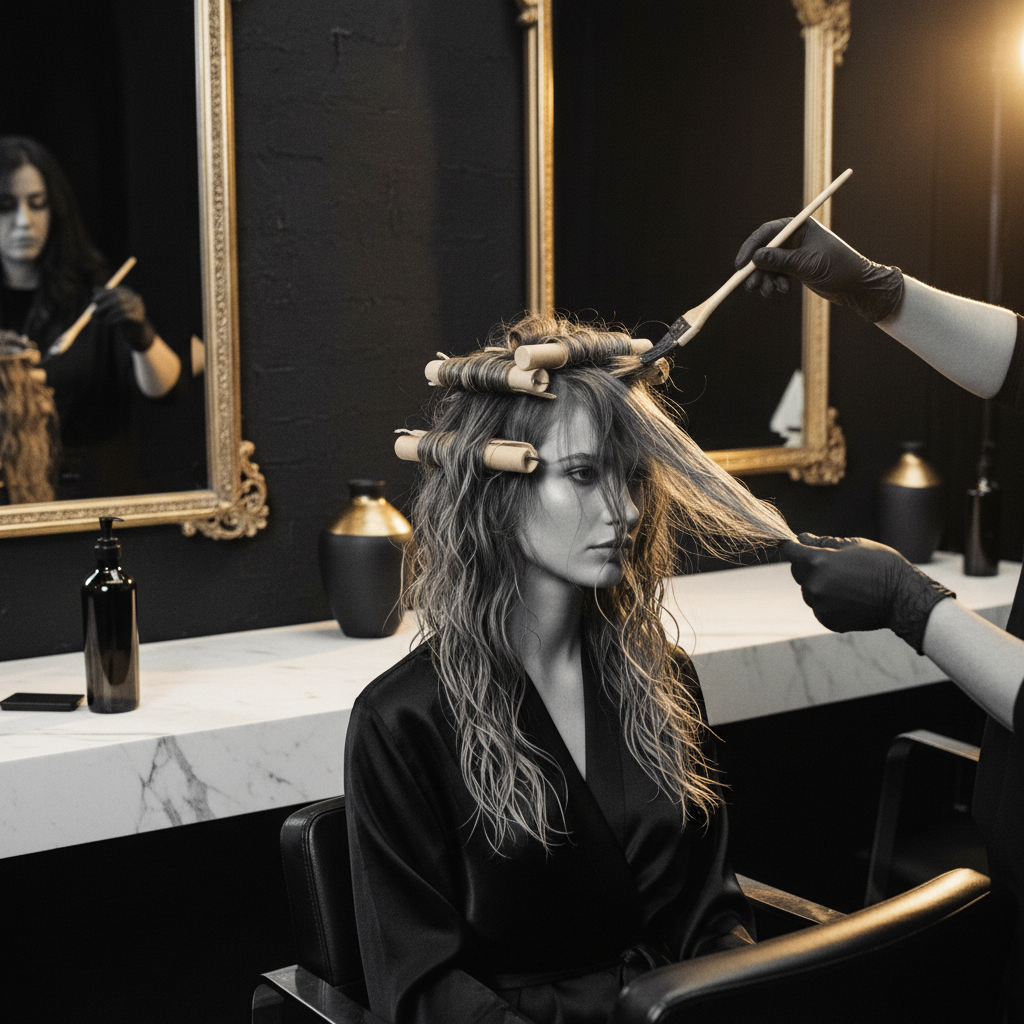
Chemical treatments alter the hair's natural structure using chemical agents, resulting in lasting changes to its texture, shape, or colour.
Understanding Hair Structure
To comprehend how chemical treatments work, it's essential to understand the basic structure of a hair strand. Hair is primarily composed of keratin, a protein. The hair shaft consists of three main layers:
- Cuticle: The outermost layer, made of overlapping, scale-like cells that protect the inner layers.
- Cortex: The middle layer, which gives hair its strength, elasticity, and colour, as it contains melanin (pigment).
- Medulla: The innermost core, present in some hairs, but not all; its function is not fully understood but may play a role in hair health.
Chemical treatments specifically target the disulfide bonds and hydrogen bonds within the cortex and, in some cases, affect the cuticle to allow chemicals to penetrate.
Types of Chemical Treatments
Chemical treatments broadly fall into categories based on their primary effect on the hair:
1. Hair Coloring
Hair colouring involves using chemicals to deposit or remove pigment from the hair shaft. This process can lighten, darken, or change the tone of the hair.
- Mechanism: Permanent hair colours typically use ammonia (or its derivatives) to swell the cuticle, allowing peroxide (a developer) to penetrate the cortex and either lighten the natural pigment or react with dye precursors to form new colour molecules. Semi-permanent and demi-permanent colours use milder chemicals and primarily deposit colour on or just beneath the cuticle, lasting for a shorter duration.
- Effects: Can range from subtle tonal shifts to dramatic colour changes. Repeated colouring can cause cuticle damage, leading to dryness and breakage if not properly maintained.
2. Texture Services (Perms and Relaxers)
Texture services permanently alter the hair's curl pattern, either creating curls (perming) or straightening them (relaxing).
Perming (Permanent Waving)
- Mechanism: Perms use a reducing agent, typically ammonium thioglycolate, to break the disulfide bonds in the hair's cortex. The hair is then wrapped around rods to form a new shape. An oxidizing agent, usually hydrogen peroxide, is then applied to reform the disulfide bonds in the new shape, making the curl pattern permanent.
- Effects: Creates lasting curls or waves. Can lead to dryness, frizz, and weakened hair if not performed correctly or if aftercare is neglected.
Hair Relaxing/Straightening
- Mechanism: Relaxers use strong alkaline agents like sodium hydroxide (lye relaxers) or guanidine hydroxide (no-lye relaxers) to break the disulfide bonds, irreversibly straightening the hair. Thio relaxers (similar to perms) also use ammonium thioglycolate.
- Effects: Permanently straightens curly or coily hair. These are among the most aggressive chemical treatments and can cause severe damage, including chemical burns to the scalp and extensive hair breakage, if not applied by a trained professional.
3. Keratin Treatments (Smoothing Treatments)
Keratin treatments, also known as Brazilian blowouts or hair smoothing treatments, aim to reduce frizz and smooth the hair, often lasting for several months.
- Mechanism: These treatments typically involve applying a formaldehyde-releasing solution (or formaldehyde-free alternatives) to the hair, followed by heat (flat-ironing). The chemicals cross-link with the hair's keratin proteins, temporarily altering the hair's structure to make it smoother and straighter.
- Effects: Reduces frizz, adds shine, and can slightly loosen curl patterns. While not as permanent as relaxers, they provide significant smoothing. Concerns exist regarding formaldehyde exposure during application.
Potential Risks and Damage
All chemical treatments carry inherent risks. When the cuticle is repeatedly raised or the protein structure within the cortex is altered, hair can become:
- Dry and Brittle: Loss of natural moisture as the cuticle is compromised.
- Weakened: Reduced elasticity and tensile strength, leading to breakage.
- Porous: Hair absorbs moisture unevenly, leading to frizz and difficulty holding style.
- Dull: A roughened cuticle reflects less light.
- Sensitive Scalp: Chemical burns or irritation can occur if products come into contact with the scalp for too long or if the scalp is already compromised.
Aftercare for Chemically Treated Hair
Proper aftercare is crucial for maintaining the health and integrity of chemically treated hair.
- Gentle Cleansing: Use a sulfate-free shampoo formulated for chemically treated hair to avoid stripping colour or essential oils.
- Deep Conditioning: Regular use of protein and moisturising conditioners helps to repair and strengthen the hair shaft.
- Heat Protection: Minimize heat styling, and always use a heat protectant spray when heat tools are necessary.
- Avoid Over-processing: Do not overlap chemical treatments on previously treated hair, and adhere strictly to recommended timing.
- pH-Balanced Products: Products with a balanced pH help to re-seal the cuticle and restore the hair's natural acidity.
Summary of Chemical Treatments
| Treatment Type | Primary Effect | Mechanism (General) | Longevity | Key Concern |
|---|---|---|---|---|
| Permanent Hair Colour | Change hair colour | Oxidative dyes, cuticle lifting | Permanent | Cuticle damage, dryness, breakage |
| Permanent Wave (Perm) | Create curls/waves | Breaks & reforms disulfide bonds | Permanent | Dryness, frizz, reduced elasticity, breakage |
| Hair Relaxer/Straightener | Straighten hair | Irreversibly breaks disulfide bonds | Permanent | Severe damage, chemical burns, breakage |
| Keratin Treatment | Smooth, reduce frizz | Cross-links keratin, heat-activated | 2-5 months | Formaldehyde exposure, temporary structural change |
For optimal results and to minimise damage, always consult with a professional stylist before undergoing any chemical treatment. They can assess your hair's condition and recommend the most suitable treatment and aftercare regimen, including specialized haircare products designed for chemically treated hair like those offered by Watermans.