Washing Your Hair Correctly
5 min read ·
Achieving healthy, vibrant hair begins with understanding the proper techniques for washing, from water temperature to product application and rinsing.
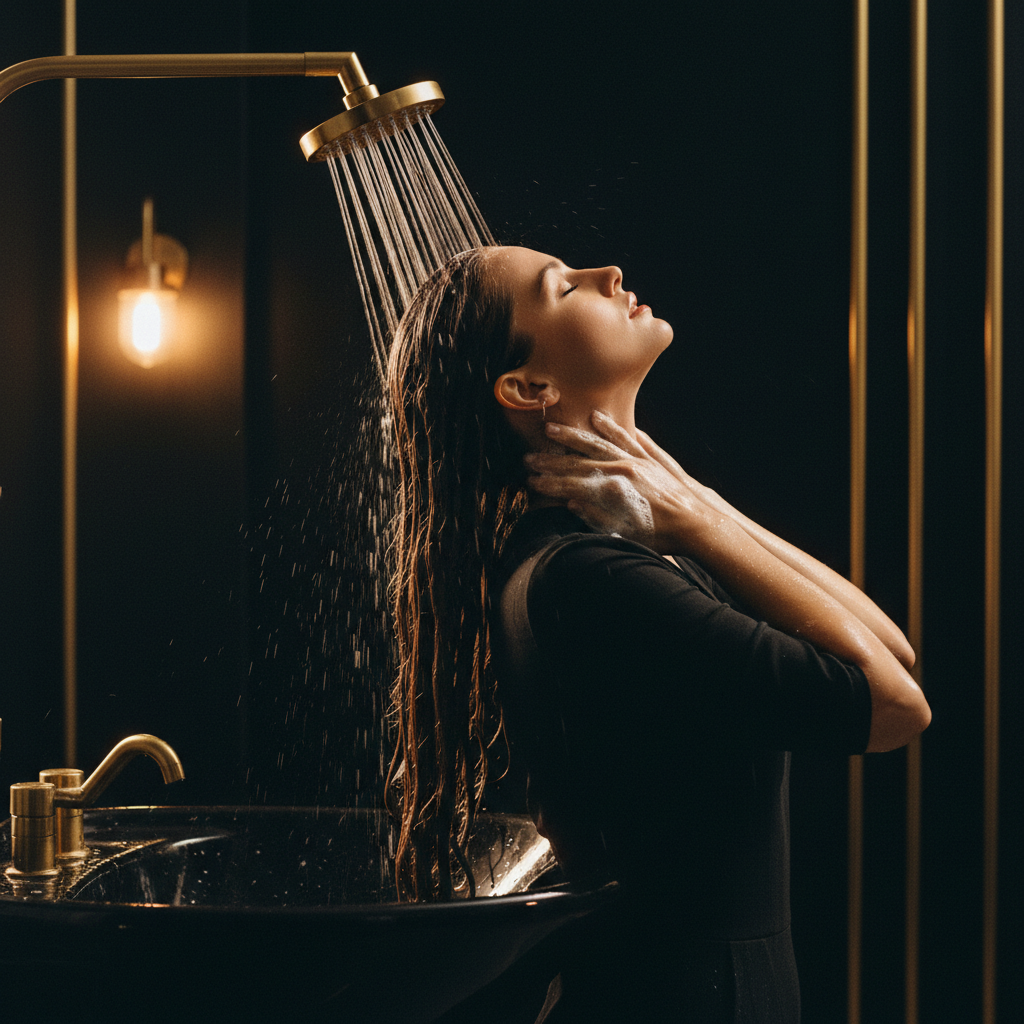
The Foundation of Healthy Hair
Washing your hair is more than a routine; it's a critical step in maintaining hair and scalp health. The objective is to cleanse effectively without stripping beneficial oils or causing damage. This involves careful consideration of water temperature, product selection, application methods, and rinsing techniques.
Water Temperature: A Balanced Approach
Water temperature plays a significant role in the washing process.
- Warm Water (not hot): Begin by wetting your hair with warm water. Warm water helps to open the hair's cuticle, the outermost protective layer, allowing shampoo to effectively remove dirt, oil, and product buildup. While it may feel good, excessively hot water can dehydrate both the hair and scalp, leading to dryness, frizz, and potential irritation.
- Cool Water (not cold): Conclude your wash with a rinse of cool water. Cool water helps to close the hair cuticle, sealing in moisture and promoting a smoother, shinier appearance. It can also stimulate blood circulation in the scalp, which is beneficial for hair growth. However, extremely cold water can be a shock to the system and is not necessary for these benefits.
Choosing the Right Shampoo
Selecting a shampoo appropriate for your hair type and concerns is paramount. Consider the following:
- Oily Scalp/Hair: Look for clarifying or balancing shampoos designed to remove excess sebum without over-drying. These often contain ingredients like salicylic acid or tea tree oil.
- Dry Scalp/Hair: Opt for moisturising or hydrating shampoos with ingredients such as hyaluronic acid, glycerin, or natural oils.
- Fine/Thin Hair: Volumizing shampoos can add body without weighing hair down. Avoid heavy, conditioning shampoos.
- Thick/Coarse Hair: Richer, more emollient shampoos can help manage and soften thick hair.
- Colour-Treated Hair: Sulfate-free shampoos are recommended as sulfates can strip hair colour. Look for products specifically formulated for colour protection.
- Scalp Concerns (e.g., dandruff): Medicated shampoos containing active ingredients like zinc pyrithione or ketoconazole are available to address specific scalp conditions.
Understanding your hair's porosity can also guide your choice. Porosity refers to the hair's ability to absorb and retain moisture. High porosity means the cuticle is more open, absorbing moisture quickly but losing it just as fast. Low porosity means the cuticle is tightly closed, making it harder for moisture to penetrate but also for it to escape. Matching products to porosity can optimize results.
The Proper Washing Technique
Wetting
Ensure your hair is thoroughly wet before applying shampoo. This allows for better lathering and distribution of the product.
Shampoo Application
- Dispense a small amount: A coin-sized amount is often sufficient for most hair lengths. Over-lathering does not equate to better cleaning and can lead to product waste.
- Emulsify: Rub the shampoo between your palms before applying it to your scalp. This helps distribute the product evenly.
- Focus on the scalp: The scalp is where most oil and product buildup accumulates. Gently massage the shampoo into your scalp using the pads of your fingertips (not your nails) in small, circular motions. This stimulates blood flow and effectively cleanses the skin.
- Work through lengths (if necessary): If you have long hair, allow the suds to run down the lengths during rinsing. Excessive scrubbing of the hair strands themselves can cause friction and damage, especially for fragile or chemically treated hair.
Rinsing Shampoo
Thorough rinsing is essential. Any shampoo residue left on the scalp or hair can lead to dullness, flakiness, or product buildup. Rinse until the water runs clear and your hair feels clean, not slippery.
Conditioner Application
After rinsing shampoo, gently squeeze excess water from your hair. Apply conditioner primarily to the mid-lengths and ends of your hair, where it tends to be driest and most prone to damage. Avoid applying conditioner directly to the scalp unless specified by the product, as it can weigh hair down or contribute to oiliness. Leave the conditioner on for the recommended time, typically 2-5 minutes, to allow it to penetrate and provide its benefits.
Rinsing Conditioner
Rinse the conditioner thoroughly with cool water. This helps to close the hair cuticle, locking in moisture and leaving the hair smooth and shiny.
Frequency of Washing
The ideal frequency of washing varies greatly depending on hair type, scalp oiliness, activity level, and environmental factors. There is no universally "correct" answer.
- Oily Scalp: May benefit from daily washing or every other day.
- Normal to Dry Scalp: May wash every 2-3 days.
- Very Dry/Coarse Hair: May wash once or twice a week.
- Chemically Treated Hair: Often benefits from less frequent washing to preserve colour and moisture.
Listen to your hair and scalp. If your scalp feels itchy or oily, it's likely time to wash. If your hair feels excessively dry or brittle, you might be washing too often or using an overly harsh shampoo.
The Importance of a Clean Scalp
A healthy scalp is the foundation of healthy hair growth. Regular washing removes dead skin cells, excess sebum, and product residue that can clog hair follicles and impede growth. A gentle scalp massage during washing also promotes blood circulation, which delivers vital nutrients to the hair follicles. Maintain a balanced scalp microbiome through proper cleansing to prevent issues like dandruff, itchiness, and inflammation.
Conclusion
Proper hair washing is a fundamental practice that underpins overall hair health. By understanding the nuances of water temperature, product selection, application techniques, and washing frequency, you can optimize your routine for stronger, healthier, and more vibrant hair. This foundational knowledge empowers you to care for your hair effectively, making it more responsive to styling and less prone to common issues.
Find these ingredients in Watermans products
- Zinc, you will find this ingredient in our Hair Vitamins.