Washing Your Hair
4 min read ·
The efficacy of hair washing depends on understanding hair and scalp physiology, selecting appropriate products, and employing correct techniques.
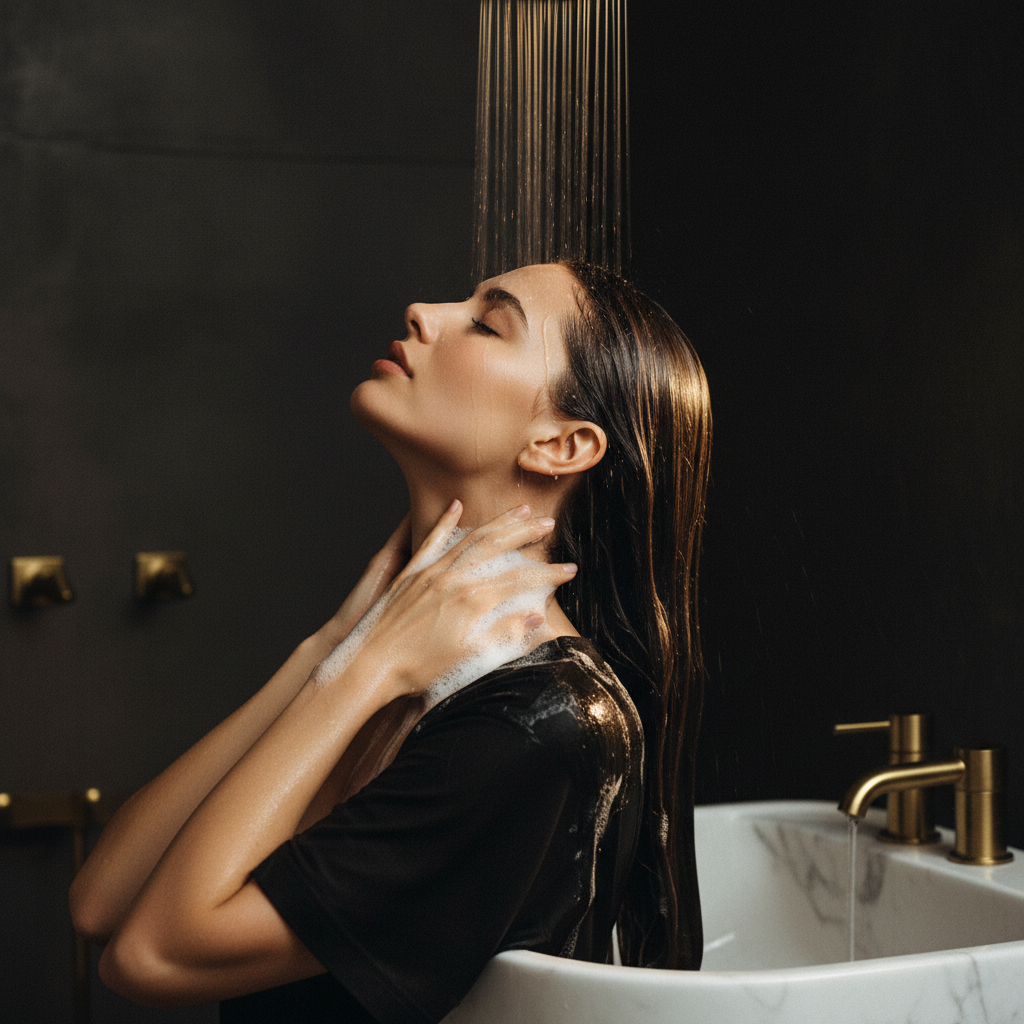
The Science of Hair Cleansing
Hair washing is a fundamental aspect of hair care, primarily serving to remove sebum, environmental pollutants, product buildup, and dead skin cells from the hair and scalp. Sebum is a natural oily substance produced by the sebaceous glands within the scalp. While essential for moisturising the skin and hair, excessive sebum can lead to a greasy appearance, can trap dirt, and may contribute to certain scalp conditions. The process of washing involves the use of surfactants, which are cleaning agents found in shampoos that have both hydrophilic (water-loving) and lipophilic (oil-loving) properties, allowing them to emulsify oils and lift debris for rinsing.
Frequency of Washing
Determining the ideal frequency for hair washing is highly individual and depends on several factors:
- Scalp Type: Oily scalps often require more frequent washing (daily or every other day) due to increased sebum production. Dry scalps may benefit from less frequent washing (every 2-4 days) to prevent over-drying.
- Hair Type: Fine, straight hair tends to show oiliness more quickly than coarse or curly hair. Curly and coily hair types are often drier and can be washed less frequently.
- Lifestyle: Individuals who exercise regularly, live in humid environments, or are exposed to significant pollution may need to wash their hair more often.
- Product Use: Regular use of styling products can lead to buildup, necessitating more frequent washing.
There is no universal "correct" frequency; listen to your hair and scalp to find what works best.
Product Selection
Choosing the right shampoo and conditioner is crucial for effective and healthy hair washing. Consider the following:
- Shampoo: Look for shampoos formulated for your specific hair and scalp concerns. For oily scalps, clarifying or balancing shampoos can be beneficial. For dry or damaged hair, moisturising or sulfate-free options may be preferred. Sulfates like sodium lauryl sulfate (SLS) and sodium laureth sulfate (SLES) are strong surfactants that create a rich lather but can be stripping for some hair types. Gentler alternatives exist.
- Conditioner: Conditioner is designed to replenish moisture, detangle, and smooth the hair cuticle after shampooing. Apply conditioner primarily to the mid-lengths and ends of the hair, avoiding the scalp to prevent weighing down the roots, especially for oily scalps.
- pH Balance: Ideally, hair care products should be mildly acidic, with a pH between 3.5 and 5.5, which is close to the natural pH of hair and skin. This helps flatten the hair cuticle, promoting shine and reducing frizz.
The Washing Process
Effective hair washing involves more than just applying shampoo and rinsing. Follow these steps for optimal results:
- Wet Hair Thoroughly: Before applying shampoo, thoroughly wet your hair with lukewarm water. This helps to open the hair cuticles and allows the shampoo to distribute more evenly and effectively.
- Shampoo Application: Dispense a small amount of shampoo into your palm. Emulsify it by rubbing your hands together before applying it directly to the scalp. Focus your efforts on massaging the scalp with your fingertips, not your nails, to lift dirt and oil. The lather will naturally cleanse the hair strands as it rinses down.
- Rinse Thoroughly: Rinse your hair and scalp completely with lukewarm water until all traces of shampoo are gone. Residual shampoo can irritate the scalp and leave hair looking dull.
- Conditioner Application: Gently squeeze excess water from your hair. Apply conditioner from the mid-lengths to the ends. Use a wide-tooth comb or your fingers to distribute the product evenly and detangle. Allow the conditioner to sit for 2-5 minutes as directed by the product instructions.
- Rinse Conditioner: Rinse thoroughly with cool water. Cool water helps to close the hair cuticles, enhancing shine and reducing frizz.
Advanced Techniques and Considerations
- Double Cleansing: For very oily scalps or significant product buildup, a "double cleanse" can be beneficial. This involves shampooing twice: the first wash breaks down oils and product, and the second provides a deeper cleanse.
- Co-washing (Conditioner-only Washing): Some individuals, particularly those with very dry, curly, or coily hair, opt for co-washing, which uses conditioner in place of shampoo. This method cleanses gently without stripping natural oils, but may not be sufficient for all hair types or for removing heavy product buildup.
- Water Temperature: While lukewarm water is ideal for washing, a final rinse with cooler water can help seal the hair cuticle, promoting shine and reducing frizz. Avoid excessively hot water, which can strip natural oils and potentially damage the hair.
Common Washing Myths
| Myth | Reality |
|---|---|
| Washing hair daily makes it greasier. | While glands can overproduce sebum if continually stripped, moderate daily washing with a gentle shampoo typically does not cause increased oiliness. |
| Shampoo should lather profusely to clean. | The amount of lather is not directly indicative of cleaning power. Sulfates produce abundant lather but gentler, sulfate-free shampoos can be equally effective with less foam. |
| You must change shampoos regularly. | Hair does not "get used to" shampoo. If a shampoo works well for your hair and scalp, there is no scientific reason to switch. |
Understanding these principles empowers you to develop a washing routine that maintains the health and appearance of your hair and scalp.