Dry Scalp vs Oily Scalp: What's the Difference? A Comprehensive Guide
9 min read ·
Understanding Dry Scalp vs Oily Scalp: What's the Difference? Is key to effective haircare and a healthy scalp.
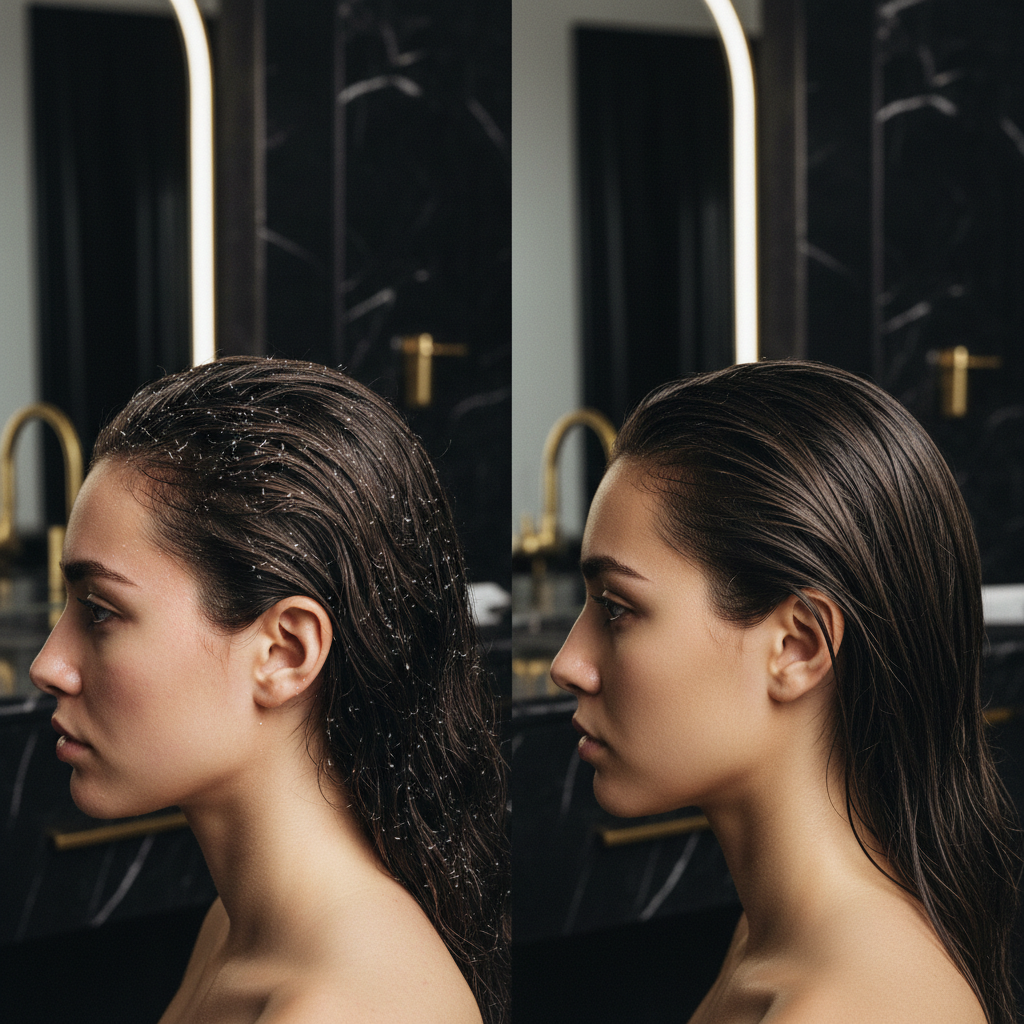
Quick answer: Dry Scalp vs Oily Scalp: What's the Difference? Comes down to the activity of your scalp's sebaceous glands. A dry scalp lacks sufficient natural oils (sebum), leading to flakiness, tightness, and itching, while an oily scalp overproduces sebum, resulting in greasiness, heavy-feeling hair, and sometimes irritation. Both conditions can affect hair health and comfort, but their underlying causes and effective management strategies differ significantly. It's important to note that diagnosis should ideally come from a healthcare professional.
Key takeaways
- A dry scalp lacks natural oils, leading to discomfort, flakiness, and a tight sensation.
- An oily scalp results from sebaceous glands producing too much sebum, making hair greasy and heavy.
- Environmental factors, genetics, and product choices all play a role in scalp oil balance.
- Dandruff can appear with both dry and oily scalps, but the flakes differ in appearance and cause.
- Proper diagnosis is crucial for effective treatment; consult a professional if symptoms persist or worsen.
- Targeted product use, including specific shampoos and conditioners, can help manage both conditions.
Dry Scalp vs Oily Scalp: What's the Difference?: what the evidence shows
The fundamental difference between a dry scalp and an oily scalp lies in the production and balance of sebum, the natural oil produced by sebaceous glands attached to hair follicles. Understanding Dry Scalp vs Oily Scalp: What's the Difference? Is essential for effective scalp and hair care. An optimally functioning scalp produces enough sebum to keep both the skin and hair moisturised and protected without feeling greasy.
What is a dry scalp?
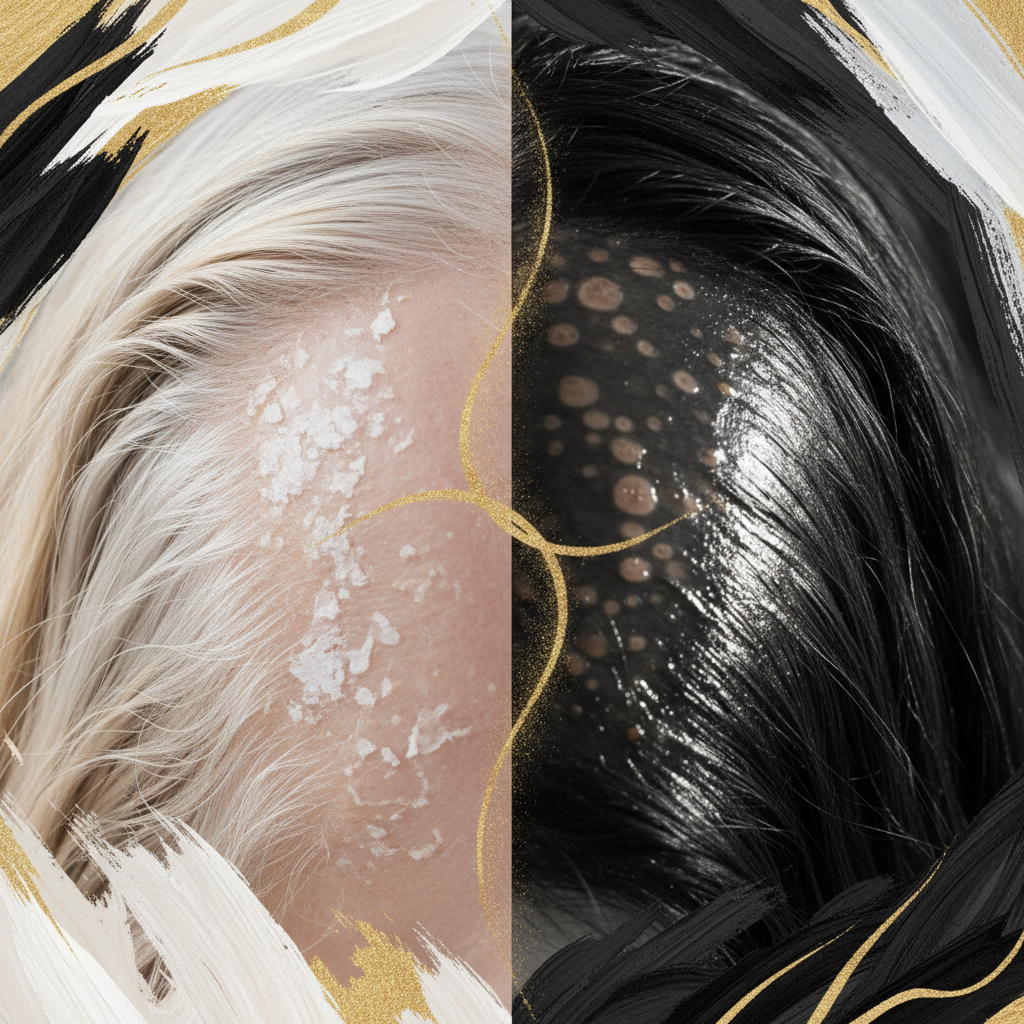
A dry scalp occurs when the sebaceous glands do not produce enough sebum, or when the scalp's natural moisture barrier is compromised. This lack of moisture can lead to a feeling of tightness, itchiness, and the visible shedding of small, white, dry flakes. It is a skin condition, much like dry skin on other parts of the body. Various factors can contribute to a dry scalp, including harsh shampoos, infrequent washing, changes in weather, low humidity, excessive heat styling, certain medical conditions, and ageing.
What is an oily scalp?
An oily scalp, conversely, is characterised by an overproduction of sebum, a condition often referred to as seborrhoea. This excess oil can make hair appear greasy, lank, and heavy, even shortly after washing. The scalp may also feel oily to the touch and, in some cases, can lead to irritation, redness, and itching. Hormonal fluctuations, genetics, stress, diet, and certain medications can all influence sebum production, leading to an oily scalp.
The mechanism: sebum production and scalp health
Sebum is vital for scalp and hair health. It forms a protective barrier on the skin's surface, helping to prevent moisture loss and guarding against environmental aggressors. It also lubricates the hair shaft, contributing to its shine and flexibility. However, an imbalance in sebum production can disrupt this delicate ecosystem.
On a dry scalp, insufficient sebum can leave the skin barrier vulnerable, allowing moisture to evaporate and irritants to penetrate more easily. This can trigger inflammation, leading to itching and flaking. Hair on a dry scalp might also appear duller and more prone to breakage due because it lacks the natural lubrication and protection from sebum.
With an oily scalp, excessive sebum can create a breeding ground for certain microorganisms, including Malassezia yeast, which is naturally present on the skin. While often harmless, an overgrowth of Malassezia can lead to seborrhoeic dermatitis, a common cause of dandruff with oily, yellowish flakes. The excess oil can also weigh hair down, making it difficult to style and contributing to a feeling of uncleanliness.
Signs to look for
Recognising the specific signs of a dry versus an oily scalp is the first step towards effective management.
| Feature | Dry Scalp | Oily Scalp |
|---|---|---|
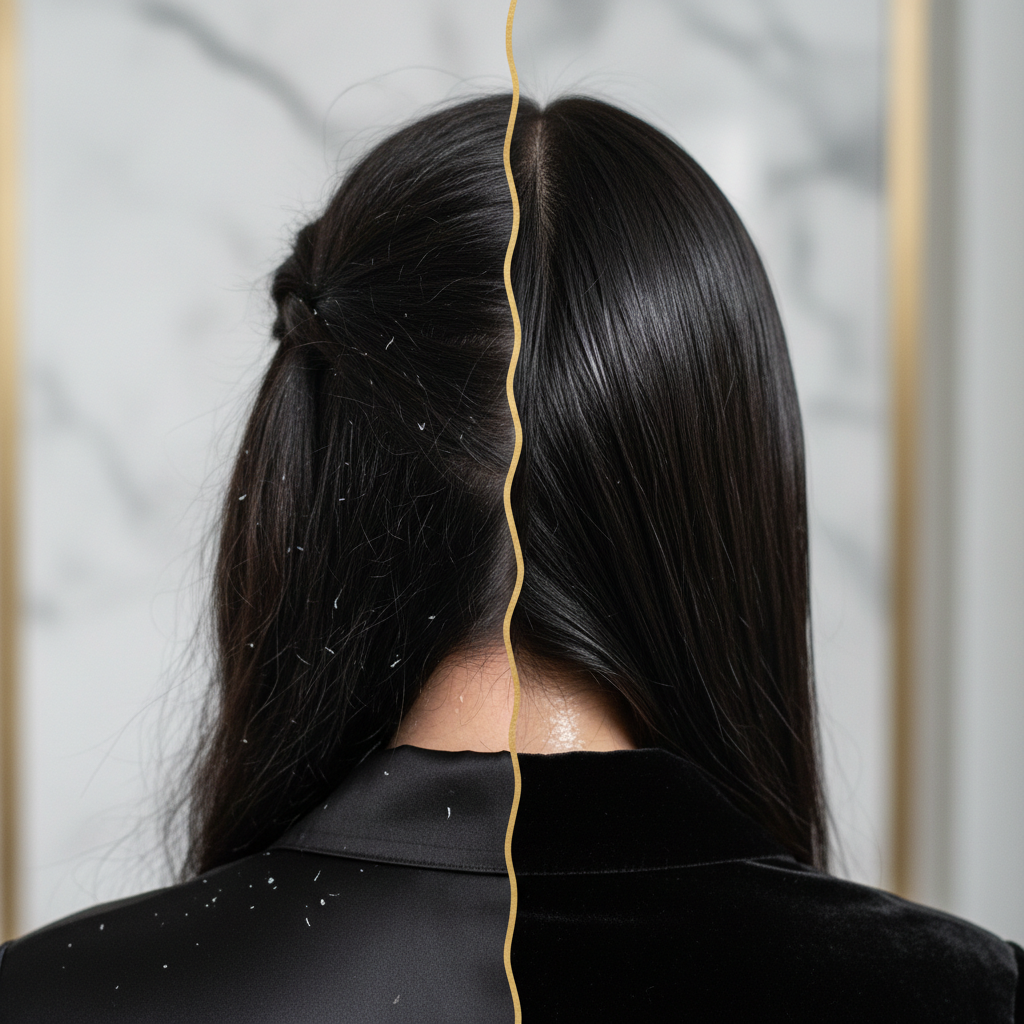
| Appearance | Dull, tight, sometimes red; small, white, dry flakes | Shiny, greasy, sometimes red; larger, yellowish, oily flakes |
| Sensation | Itchy, tight, uncomfortable | Itchy, sometimes tingly, heavy, dirty feeling |
| Hair texture | Dry, brittle, easily tangled, lacking shine | Greasy, lank, heavy, separates easily, clumpy |
| Flake type | Small, white, powdery; fall off easily | Larger, yellowish, sticky; adhere to hair and scalp |
| Washing frequency | Can go longer between washes | Needs frequent washing to feel clean |
Dry scalp signs
If you have a dry scalp, you'll likely notice a persistent itchiness, often accompanied by a feeling of tightness, especially after washing. Small, white, powdery flakes that easily shed from your scalp and fall onto your clothes are a common indicator. Your hair might also appear dull, feel brittle, and be more prone to breakage because it lacks natural conditioning from sebum. This condition is more prevalent in cooler, drier climates or during winter months.
Oily scalp signs
An oily scalp is characterised by hair that quickly becomes greasy and heavy, sometimes within hours of washing. You might notice a greasy sheen on your scalp and hair roots. Flakes, if present, tend to be larger, yellowish, and may stick to your hair strands and scalp. The itchiness associated with an oily scalp can feel more intense and may be accompanied by a burning sensation or redness. Hair often looks clumpy or stringy and can be difficult to style because of the excess oil.
What you can do
Managing a dry or oily scalp involves tailored care to restore balance. Consistency is key.
For a dry scalp
- Choose moisturising shampoos and conditioners: Look for products that are sulphate-free and contain hydrating ingredients like hyaluronic acid, glycerin, or natural oils (e.g., argan oil, jojoba oil).
- Wash less frequently: If your scalp is very dry, washing every day might strip away what little natural oil you have. Try washing every two to three days.
- Use lukewarm water: Hot water can strip oils from the scalp. Opt for lukewarm water when washing your hair.
- Apply scalp treatments: Hydrating scalp serums or oils massaged gently into the scalp can help restore moisture.
- Limit heat styling: Excessive use of hot tools can exacerbate dryness. Air-dry when possible or use a heat protectant.
- Consider a humidifier: In dry environments, a humidifier can add moisture to the air, benefiting both your skin and scalp.
For an oily scalp
- Use clarifying or balancing shampoos: Products designed for oily hair help remove excess sebum without over-stripping. Ingredients like salicylic acid or tea tree oil can be beneficial.
- Wash regularly, but gently: Daily washing might be necessary, but avoid harsh scrubbing which can stimulate more oil production. Focus on cleansing the scalp.
- Condition correctly: Apply conditioner only to the mid-lengths and ends of your hair, avoiding the scalp.
- Rinse thoroughly: Ensure all shampoo and conditioner is rinsed out to prevent residue buildup.
- Avoid over-brushing: Brushing too much can distribute oil from the scalp down the hair shaft, making hair appear greasier.
- Limit touching your hair and scalp: Hands can transfer oils and dirt, contributing to greasiness.
When the cause may be something else and when to get professional advice
While many cases of dry or oily scalp can be managed with over-the-counter products and lifestyle adjustments, sometimes the underlying cause is more complex. Conditions like seborrhoeic dermatitis (a common cause of oily, flaky scalp), psoriasis (which can cause thick, silvery scales on a dry scalp), or eczema might present with similar symptoms but require specific medical treatment.
If your scalp condition doesn't improve with home care, worsens, becomes very painful, or if you notice significant hair shedding, it's important to consult a general practitioner or a dermatologist. They can accurately diagnose the issue and recommend appropriate treatments, which might include prescription-strength shampoos, topical corticosteroids, or antifungal medications.
Watermans and scalp health
Watermans hair care products are formulated to support optimal scalp health, recognising that a healthy scalp is the foundation for healthy hair growth. Their range includes solutions designed to cleanse the scalp effectively without causing excessive dryness or stimulating overproduction of oil, aiming for a balanced environment. For instance, Watermans Grow Me Shampoo and Conditioner are developed to gently cleanse and nourish, promoting a healthy scalp environment that can help address issues related to both dryness and oiliness over time, supporting stronger-feeling, fuller-looking hair.
Frequently asked questions about Dry Scalp vs Oily Scalp: What's the Difference?
Can stress cause an oily scalp?
Yes, stress can definitely contribute to an oily scalp. When you're stressed, your body produces more hormones like cortisol, which can stimulate your sebaceous glands to produce more sebum. This increase in oil can lead to a greasier scalp and hair. Managing stress through techniques like exercise, meditation, or ensuring adequate sleep can sometimes help improve scalp oil balance.
Is dandruff the same as a dry scalp?
No, dandruff is not always the same as a dry scalp, though both can cause flaking. Dandruff, or seborrhoeic dermatitis, is typically caused by an overgrowth of a yeast-like fungus called Malassezia on an oily scalp, leading to larger, yellowish, oily flakes. A dry scalp, conversely, results from a lack of moisture and sebum, producing smaller, white, dry flakes. Understanding Dry Scalp vs Oily Scalp: What's the Difference? In this context is vital for choosing the right treatment.
How often should I wash my hair if I have an oily scalp?
If you have an oily scalp, washing your hair daily or every other day is often recommended. This helps to remove the excess sebum and prevent buildup. However, it's important to use a gentle, balancing shampoo and avoid harsh scrubbing, as over-stimulating the scalp can sometimes encourage even more oil production. Listen to your scalp and adjust frequency as needed.
Can my scalp change from dry to oily, or vice versa?
Yes, your scalp type can change over time due to various factors. Hormonal shifts (e.g., during puberty, pregnancy, or menopause), changes in diet, stress levels, environmental factors, the products you use, and even certain medications can influence sebaceous gland activity. It's not uncommon for individuals to experience periods of dryness and oiliness at different stages of their life.
Does hard water affect scalp oiliness or dryness?
Hard water, which contains high levels of dissolved minerals like calcium and magnesium, can affect scalp health. While it doesn't directly cause an oily or dry scalp, it can leave mineral residue on the hair and scalp. This buildup can make hair feel dull and can sometimes exacerbate dryness by preventing moisture absorption or making an oily scalp feel even more clogged. Using a clarifying shampoo periodically can help.
Conclusion
Navigating the nuances of Dry Scalp vs Oily Scalp: What's the Difference? Is fundamental for maintaining a healthy scalp and vibrant hair. Both conditions stem from an imbalance in sebum production, but their manifestations, causes, and effective management strategies are distinct. A dry scalp points to insufficient natural oils, leading to tightness and fine, white flakes, while an oily scalp signals an overproduction of sebum, resulting in greasiness and often larger, yellowish flakes. By accurately identifying your scalp type and understanding the underlying mechanisms, you can choose targeted hair care approaches. If home remedies don't provide relief, seeking advice from a healthcare professional ensures you receive the most appropriate diagnosis and treatment for your specific needs.
Sources and references
- British Association of Dermatologists, 'Seborrhoeic Dermatitis and Dandruff', Year Varies, www.bad.org.uk
- National Health Service (NHS), 'Dandruff', Year Varies, www.nhs.uk
- American Academy of Dermatology Association, 'Dry Scalp: Diagnosis and Treatment', Year Varies, www.aad.org
- Journal of Clinical and Aesthetic Dermatology, 'Sebum: An Oft-Forgotten but Important Aspect of Skin and Hair Health', 2017, PubMed Central