Maintaining a Healthy Scalp
5 min read ·
A healthy scalp is the foundation for healthy hair growth, preventing common issues like dryness, oiliness, and irritation through proper care and understanding.
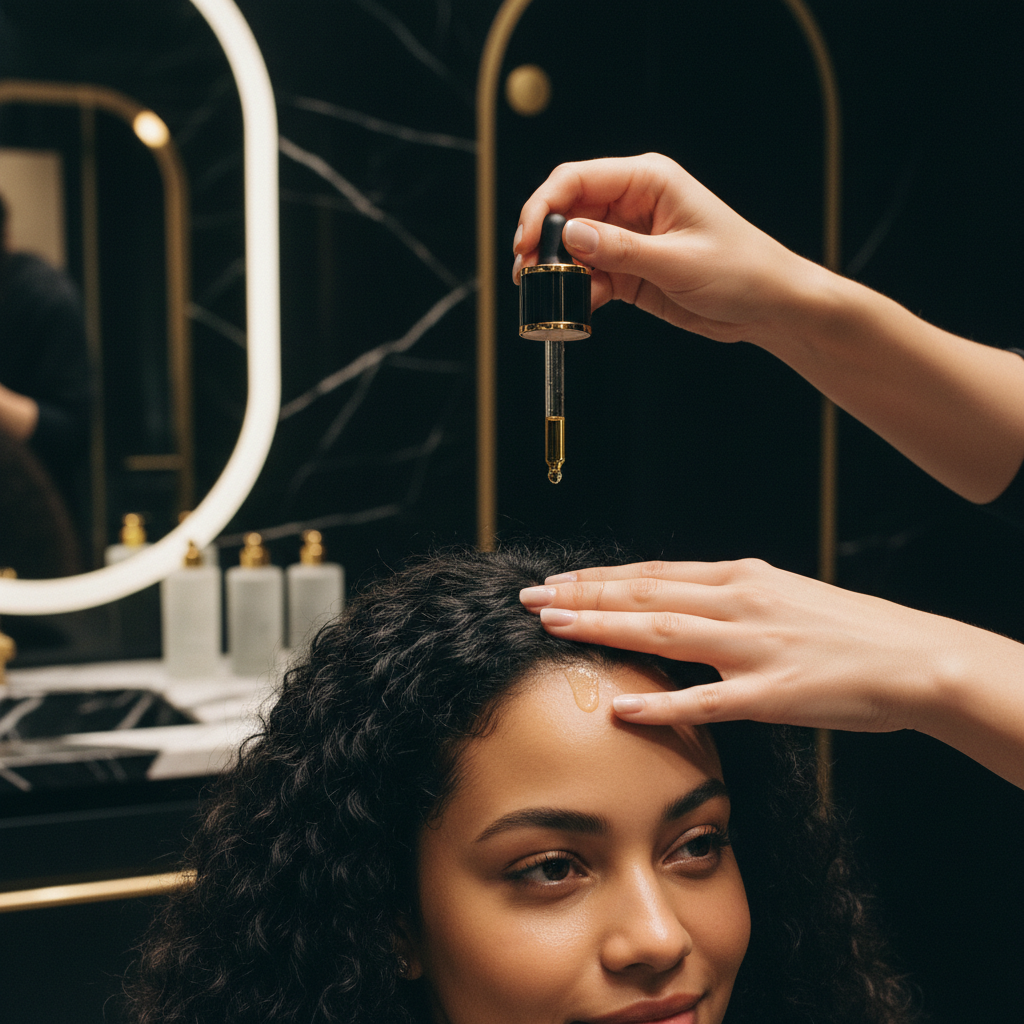
Understanding Scalp Health
Scalp health is fundamental to hair health. The scalp is skin, an extension of the facial skin, and it requires similar care and attention. It contains thousands of hair follicles, sebaceous glands that produce oil (sebum), and a complex microbiome. A healthy scalp is free from inflammation, excessive oiliness or dryness, and provides a stable environment for hair to grow strong and vibrant.
The Scalp's Role in Hair Growth
Each hair strand grows from a follicle embedded in the scalp. The health of this follicle directly impacts the quality, thickness, and growth rate of the hair. When the scalp is compromised, whether by external factors like harsh products, environmental stressors, or internal factors such as diet and stress, it can lead to a variety of hair concerns, including thinning, breakage, and dullness.
Common Scalp Issues and Their Causes
Understanding common scalp concerns is the first step toward effective maintenance. Many issues stem from an imbalance in the scalp's natural ecosystem.
Dry Scalp and Dandruff
A dry scalp occurs when there isn't enough moisture in the skin. This can lead to flakiness, itchiness, and a feeling of tightness. Dandruff, specifically Pityriasis capitis, is often confused with dry scalp but is a distinct condition. True dandruff is caused by an overgrowth of a yeast-like fungus called Malassezia globosa which feeds on sebum, leading to an accelerated shedding of skin cells. While dry scalp flakes are typically small and white, dandruff flakes are often larger and yellowish, and the scalp can appear oily.
Oily Scalp
An oily scalp results from overactive sebaceous glands producing excessive sebum. This can make hair appear greasy and limp, and can also contribute to issues like clogged follicles, which may impede hair growth or exacerbate conditions like seborrheic dermatitis. Factors contributing to an oily scalp include genetics, hormonal fluctuations, and certain hair care products.
Itchy Scalp and Irritation
Itching can be a symptom of both dry and oily scalp conditions, as well as allergic reactions to hair products, certain skin conditions (like psoriasis or eczema), or even stress. Persistent itching can lead to scratching, which further irritates the scalp and can damage hair follicles.
Scalp Buildup
Product residue, dead skin cells, and excess sebum can accumulate on the scalp, forming a layer of buildup. This buildup can clog follicles, prevent hair from growing optimally, and create an environment conducive to bacterial or fungal growth.
Pillars of Healthy Scalp Maintenance
Maintaining a healthy scalp involves a holistic approach that combines proper cleansing, conditioning, and protective practices.
Gentle Cleansing
Regular, gentle cleansing is crucial. The frequency depends on individual scalp type and lifestyle. For oily scalps, more frequent washing may be necessary, while dry scalps may benefit from less frequent washing.
- Shampoo Selection: Choose shampoos designed for your specific scalp type. Look for formulations that are free from harsh sulfates, which can strip natural oils, and parabens, which are preservatives that some individuals may find irritating.
- Washing Technique: Massage the shampoo gently into the scalp with your fingertips, not your nails, to stimulate blood flow without causing irritation. Focus on cleansing the scalp rather than just the hair strands.
Effective Conditioning
Conditioners primarily focus on the hair strands, but a healthy scalp also benefits indirectly from well-conditioned hair. When applying conditioner, avoid applying it directly to the scalp if you have an oily scalp, as this can exacerbate oiliness. For dry scalps, some lightweight conditioners or scalp treatments can be beneficial.
Targeted Treatments
Depending on specific scalp concerns, targeted treatments can be incorporated:
- Scalp Scrubs/Exfoliators: These help remove dead skin cells and product buildup, especially beneficial for oily or dandruff-prone scalps. They often contain physical exfoliants or chemical exfoliants like salicylic acid, which gently dissolve buildup.
- Scalp Serums/Tonics: These typically contain active ingredients aimed at addressing specific concerns, such as promoting circulation, balancing sebum production, or providing anti-inflammatory benefits.
- Hair Growth Shampoos: These formulations are designed to stimulate the hair follicles and encourage stronger hair growth. They often contain ingredients like biotin, caffeine, and hydrolyzed lupin protein, which are known to support the hair growth cycle.
Lifestyle and Diet
Scalp health is also influenced by broader lifestyle factors:
- Diet: A balanced diet rich in vitamins (especially B vitamins, vitamin E, and vitamin D), minerals (iron, zinc), and essential fatty acids supports overall skin and hair health. Hydration is also vital; adequate water intake contributes to a well-moisturized scalp.
- Stress Management: High stress levels can impact hormonal balance, potentially leading to increased sebum production or exacerbating inflammatory conditions on the scalp.
- Protection: Protect your scalp from excessive sun exposure, which can cause sunburn and long-term damage, just like skin elsewhere on the body. Wearing hats or using UV protective sprays for the hair and scalp can offer defense.
Hair Care Tools and Practices
Consider the tools and habits you use:
- Clean Brushes: Regularly clean hair brushes and combs to prevent the transfer of dirt, oil, and product buildup back onto the scalp and hair.
- Avoid Over-styling: Excessive heat styling and tight hairstyles can put stress on hair follicles and irritate the scalp. Allow hair and scalp to air dry when possible.
When to Seek Professional Advice
While many scalp issues can be managed with proper home care, persistent or severe conditions warrant consultation with a dermatologist or trichologist. These professionals can diagnose underlying conditions, such as psoriasis, eczema, or fungal infections, and recommend appropriate medical treatments. Early intervention can prevent escalation and further damage to hair follicles.
Regular and intentional scalp care is not merely a cosmetic endeavor but a crucial component of overall hair health, contributing to denser, stronger, and more vibrant hair growth over time.
Find these ingredients in Watermans products
- Biotin, you will find this ingredient in our Hair Growth Shampoo.
- Zinc, you will find this ingredient in our Hair Vitamins.