Product Buildup: Understanding and Preventing Residue on Hair and Scalp
13 min read ·
Product Buildup is the accumulation of residues from hair products and environmental factors on your hair and scalp, leading to dullness, limpness, and potential scalp irritation.
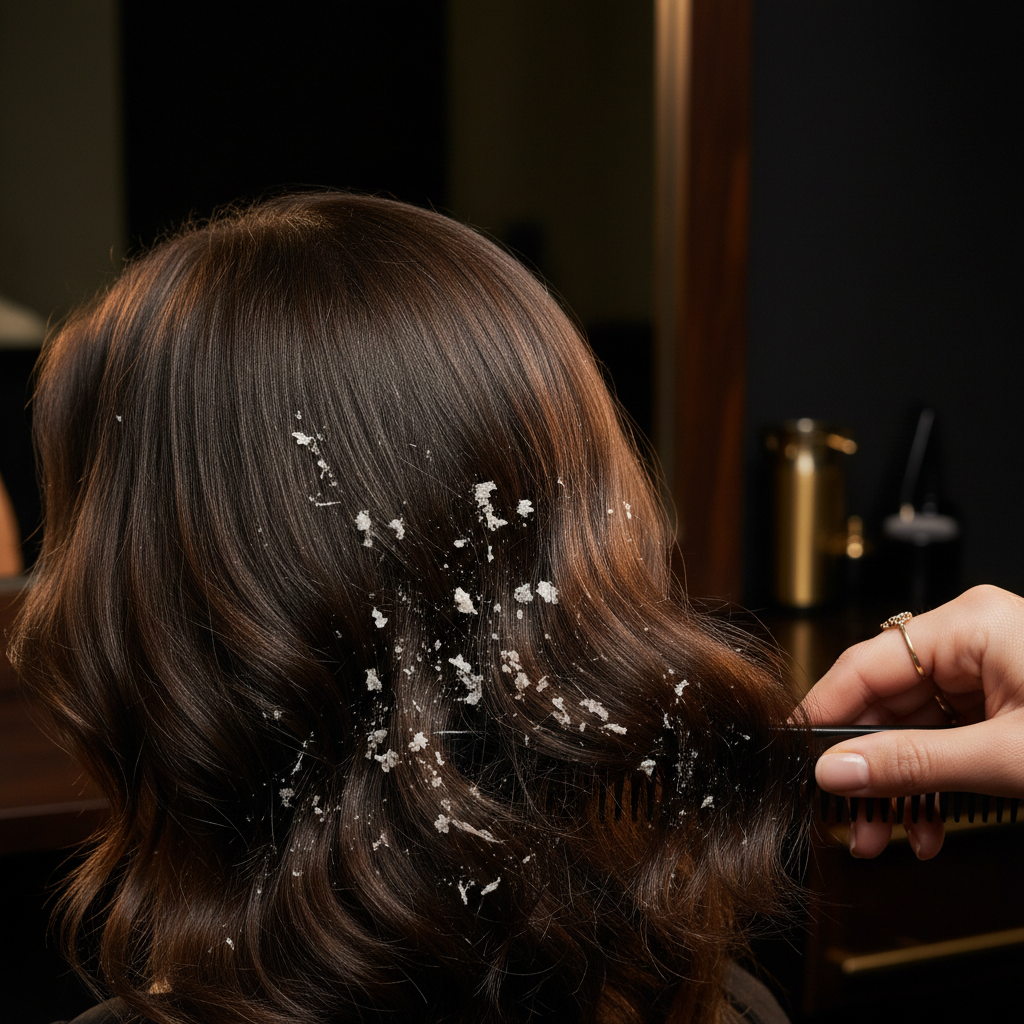
Quick answer: Product Buildup refers to the undesirable accumulation of residues from haircare products, natural oils (sebum), dead skin cells, and environmental pollutants on the hair shaft and scalp. This layer can make hair look dull, feel greasy or heavy, and potentially impede hair health. It primarily affects the appearance and feel of hair, rather than causing permanent hair loss or scalp disease, although it can exacerbate existing conditions.
Key takeaways
- Product Buildup is the accumulation of product residues, natural oils, dead skin cells, and environmental particles on hair and scalp.
- It can make hair appear dull, feel heavy or greasy, reduce manageability, and contribute to scalp irritation or flakiness.
- Common causes include heavy product ingredients (like some silicones or waxes), insufficient rinsing, hard water minerals, and infrequent washing.
- Clarifying shampoos are the most effective method for removing Product Buildup, though they should be used judiciously to avoid over-stripping.
- Prevention involves thorough rinsing, using appropriate amounts of product, choosing lighter formulations, and maintaining a regular cleansing routine.
- If scalp symptoms persist after addressing Product Buildup, it may indicate another condition, and professional advice should be sought.
Product Buildup: What the Evidence Shows
Product Buildup is a common cosmetic concern characterised by the accumulation of various substances on the hair fibre and scalp. This layer, often invisible at first, can comprise residues from shampoos, conditioners, styling products, natural sebum, dead skin cells, and environmental pollutants like dust and grime. Unlike hair shedding or true hair loss (alopecia), Product Buildup affects the surface and texture of the hair, leading to changes in its appearance and feel rather than a reduction in hair density from the follicle. Research confirms that different product ingredients contribute to this accumulation in varying degrees, impacting how hair behaves and responds to further treatments.
The Mechanism of Product Buildup
Product Buildup occurs when applied substances or naturally occurring materials are not fully removed by regular washing. Many haircare products are designed to deposit beneficial ingredients onto the hair shaft, such as silicones for smoothness and shine, polymers for hold, or oils for conditioning. While these ingredients offer desired cosmetic effects, they can accumulate over time if the cleansing process isn't sufficient to remove them. This creates a film or coating that can interfere with the hair's natural function and appearance.
- Ingredient Adhesion: Some ingredients, particularly certain silicones (e.g., dimethicone, amodimethicone) and waxes, are less water-soluble. They bond to the hair surface to provide gloss, slip, or protection. If not thoroughly rinsed or effectively cleansed, these layers build up, leading to a dull, heavy feel. Cationic surfactants, commonly found in conditioners, can also deposit on the hair due to their positive charge attracting the negatively charged hair fibre.
- Sebum and Dead Skin Cells: The scalp naturally produces sebum, an oily substance that lubricates hair and skin. Along with dead skin cells, sebum can mix with product residues, forming a thicker, stickier layer on the scalp and hair roots. This combination is a significant contributor to the feeling of greasiness and can lead to clogged hair follicles if not managed, potentially impeding healthy hair growth.
- Hard Water Minerals: In areas with hard water, high concentrations of dissolved minerals like calcium and magnesium can react with ingredients in shampoos and conditioners, forming an insoluble "scum". This mineral deposit adheres to the hair cuticle, making it rough, dull, and prone to tangling. This mineral layer exacerbates Product Buildup, making it harder to remove even with standard cleansing.
- Environmental Pollutants: Dust, smoke, and other airborne particles can settle on hair and combine with existing residues, adding to the buildup. These particles can be microscopic but contribute to the overall feeling of grittiness or uncleanliness.
Recognising the Signs of Product Buildup
Identifying Product Buildup often comes down to observing changes in your hair's appearance, feel, and manageability. These signs can develop gradually, making them easy to overlook until they become significant.
- Dull, Lifeless Appearance: Hair loses its natural shine and luminosity, appearing flat or lacklustre even after washing. The coating of residue diffuses light rather than reflecting it.
- Heavy, Limp, or Greasy Feel: Hair feels weighed down, lacking natural volume and bounce. It may look greasy or oily, particularly at the roots, even if freshly washed. This is due to the accumulated substances increasing the hair's weight and clumping it together.
- Reduced Manageability and Styling Difficulty: Hair becomes harder to style, resisting efforts to hold a shape or volume. It might feel sticky, stiff, or unusually resistant to brushes and combs. Products applied subsequently may not absorb or perform as expected.
- Scalp Irritation or Flakiness: Accumulation on the scalp can trap sebum and dead skin cells, leading to itching, redness, or a tight feeling. This can sometimes be mistaken for dandruff, but unlike true dandruff, the flakes are often larger and more adherent due to the sticky residue. (For more on genuine dandruff, see Dandruff: Causes and Treatments Explained).
- Unusual Texture: Hair may feel rough, gritty, waxy, or coated to the touch, rather than smooth and soft.
- Unpleasant Odour: In some prolonged cases, the trapped moisture, sebum, and dead skin cells under the buildup can create an anaerobic environment, fostering microbial growth and leading to a stale or unpleasant smell on the hair and scalp.
What Product Buildup Does Not Show
It is important to differentiate Product Buildup from other hair and scalp conditions. Product Buildup primarily impacts the cosmetic appearance and feel of the hair and scalp. It is not directly linked to genetic hair loss (androgenic alopecia) or autoimmune conditions like alopecia areata. While it can contribute to a less healthy scalp environment, there is currently no robust evidence to suggest that Product Buildup alone causes permanent hair loss. Similarly, while it can make hair appear dull and rough, it is distinct from hair breakage, where the hair fibre snaps due to structural damage.
Addressing Product Buildup: Effective Strategies
Removing and preventing Product Buildup is crucial for maintaining healthy-looking hair and a comfortable scalp. The primary approach involves thorough cleansing and mindful product selection.
Clarifying Shampoos
Clarifying shampoos are specifically formulated to deep cleanse the hair and scalp, effectively removing Product Buildup. They typically contain stronger surfactants (cleansing agents) than regular shampoos and may include chelating agents, which are particularly effective at binding to and removing hard water minerals.
- How They Work: Clarifying shampoos work by creating a rich lather that lifts and dissolves the various residues coating the hair shaft and scalp. The surfactants break down the oily and sticky components, allowing them to be rinsed away with water. Chelating agents (e.g., EDTA, phytic acid, citric acid) capture metal ions from hard water, preventing them from redepositing on the hair.
- Usage Frequency: Due to their potent cleansing action, clarifying shampoos should be used sparingly. Most experts recommend using them once every 2 to 4 weeks, or as needed, depending on your product usage, hair type, and water quality. Overuse can strip the hair of its natural oils, leading to dryness and potential irritation of the scalp. (For a deeper dive into optimal cleansing, see How to Do a Clarifying Wash: A Guide to Deep Hair Cleansing).
- Post-Clarifying Care: Always follow a clarifying wash with a deeply nourishing conditioner or hair mask. This helps to restore moisture, smooth the hair cuticle that might have been lifted during intense cleansing, and prevent excessive dryness.
Alternative Buildup Removal Methods
While clarifying shampoos are the gold standard, some individuals explore alternative methods. It is important to understand their mechanisms and potential downsides.
| Method | Description & Mechanism | Considerations & Evidence |
|---|---|---|
| Apple Cider Vinegar (ACV) Rinse | Diluted apple cider vinegar (acetic acid) is sometimes used as a post-shampoo rinse. Its mild acidity can help to dissolve some product residues and mineral deposits, and its low pH helps to close the hair cuticle, which can enhance shine and reduce frizz. | Evidence for its efficacy in significant Product Buildup removal is primarily anecdotal; controlled research is limited. It should be highly diluted (e.g., 1 part ACV to 4-5 parts water) and used sparingly, perhaps monthly. Overuse or too high a concentration can be drying. It may also strip colour from chemically treated hair over time. Rinse thoroughly. |
| Baking Soda Paste | A paste made from baking soda (sodium bicarbonate) and water is occasionally suggested as a deep cleanser. Baking soda is alkaline (typically pH 8 to 9). Its proposed mechanism is to lift the hair cuticle and mechanically scrub away buildup. | The high alkalinity of baking soda can significantly raise the hair cuticle, leading to increased porosity, dryness, and potential damage, particularly for fine, porous, or colour-treated hair. This can make hair more susceptible to frizz and breakage. Most dermatologists and trichologists do not recommend its use due to the risk of damage. |
| Scalp Exfoliators | These products, which can be physical (scrubs with particles) or chemical (containing acids like salicylic acid or alpha-hydroxy acids), are designed to remove dead skin cells, excess sebum, and some buildup directly from the scalp. They improve scalp hygiene and can help prevent new buildup formation. | Focus on scalp health rather than directly stripping hair buildup. Effective for scalp Product Buildup. Follow product instructions carefully; over-exfoliation can disrupt the scalp barrier. (For more on this, see Scalp Exfoliation: Uncovering the Evidence for a Healthier Scalp). |
|
Preventing Product Buildup
Prevention is always easier than cure with Product Buildup. Adopting mindful haircare habits can significantly reduce its occurrence.
- Thorough Rinsing: This is perhaps the most critical step. Ensure all shampoo, conditioner, and styling products are completely rinsed from your hair. Rinse until the water runs clear and your hair feels genuinely clean, not slippery or coated. Take extra time, especially if you have thick or long hair.
- Judicious Product Application: Less is often more. Start with a small amount of product and add more only if absolutely necessary. Concentrate styling products on the hair shaft and ends, avoiding direct application to the scalp unless the product is specifically designed for scalp treatment.
- Choose Lighter Formulations: For daily use, opt for shampoos, conditioners, and styling products with lighter, water-soluble ingredients. These are typically easier to rinse away and less prone to accumulating. If you have fine hair, this is particularly important to avoid weighing it down (see Fine Hair: A Complete Guide to Understanding and Care).
- Regular Cleansing: Establish a washing frequency that suits your hair type and lifestyle. While less frequent washing benefits some, regular cleansing is necessary to prevent significant accumulation, especially if you use multiple styling products daily. (See Hair Cleansing and Conditioning for more details).
- Hard Water Management: If you live in a hard water area (which can vary significantly even within a country, so check local water authority data), consider installing a shower filter. These can help reduce mineral deposits on your hair and skin. Alternatively, ensure your clarifying shampoo contains chelating agents.
- Scalp Health Maintenance: Regular, gentle scalp massage can help dislodge dead skin cells and stimulate circulation. Using a mild, pH-balanced shampoo can also maintain a healthy scalp environment, reducing the tendency for sebum and product to accumulate. (For more details, see Understanding Scalp Health).
- Product Rotation: Occasionally rotating your haircare products can help prevent the accumulation of specific ingredients. For instance, interchange between a volumising shampoo and a moisturising one, or alternate between a serum and a lightweight oil.
When the Cause May Be Something Else
If you consistently experience symptoms like itching, flaking, or unusual hair texture despite regularly addressing Product Buildup with clarifying washes and good haircare practices, the underlying cause might be different. Conditions such as:
- Dandruff (Pityriasis capitis): Caused by an overgrowth of a yeast-like fungus (Malassezia globosa) on the scalp, leading to distinctive, often greasy, yellowish flakes and itching. (See Dandruff: Causes and Treatments Explained).
- Seborrhoeic Dermatitis: A more severe inflammatory skin condition affecting oily areas like the scalp, causing red, greasy, scaly patches and persistent dandruff.
- Contact Dermatitis: An allergic or irritant reaction to a specific ingredient in a hair product, leading to redness, itching, and sometimes blistering.
- Psoriasis: A chronic autoimmune condition that can affect the scalp, causing thick, silvery scales and redness.
These conditions require specific treatments that go beyond simply removing Product Buildup. Misdiagnosing them can lead to ineffective treatments and prolonged discomfort.
When to Get Professional Advice
If you have persistent scalp irritation, severe flaking, redness, pain, or if you notice unusual hair shedding or hair loss alongside what you suspect is Product Buildup, it's important to consult a healthcare professional. A dermatologist or trichologist can accurately diagnose scalp conditions and recommend appropriate medical treatments. They can distinguish between cosmetic issues and medical conditions that require specialised care, ensuring you receive the correct advice and therapy.
Frequently asked questions about Product Buildup
Can Product Buildup cause hair loss?
There is no strong scientific evidence to suggest that Product Buildup directly causes permanent hair loss (alopecia). However, severe, prolonged buildup can create an unhealthy scalp environment by blocking follicles and potentially hindering healthy hair growth. It can also exacerbate conditions like seborrhoeic dermatitis, which in turn might contribute to temporary hair shedding. Addressing Product Buildup improves scalp health but is not a treatment for genetic or autoimmune hair loss.
How often should I use a clarifying shampoo for Product Buildup?
For most people, using a clarifying shampoo once every 2 to 4 weeks is sufficient to remove Product Buildup effectively without over-stripping the hair. If you use many heavy styling products daily, live in a hard water area, or exercise frequently, you might need to clarify more often, perhaps weekly. Conversely, if your hair is dry or colour-treated, you might extend the period to once a month or less frequently. Always follow with a good conditioner.
What ingredients contribute most to Product Buildup?
Ingredients most likely to contribute to Product Buildup include some silicones (e.g., dimethicone, cyclomethicone, amodimethicone, especially those not easily water-soluble), waxes (like beeswax or carnauba wax), heavy oils (especially mineral oil or petroleum jelly), certain polymers found in styling gels and sprays, and some cationic surfactants in conditioners. Hard water minerals like calcium and magnesium also significantly contribute to the overall accumulation.
Does Product Buildup make hair greasy?
Yes, Product Buildup can certainly make hair appear and feel greasy, even after washing. The accumulated layers of product residues, combined with natural scalp sebum and environmental particles, create a heavy, often sticky film on the hair shaft. This film traps oils and reflects light in a way that mimics a greasy appearance, making hair look weighed down, dull, and unclean, even if freshly washed with a regular shampoo.
Can Product Buildup affect colour-treated hair?
Yes, Product Buildup can significantly affect colour-treated hair. The layer of residue can make hair appear dull and can obscure the vibrancy of your colour, making it look faded or less luminous. Additionally, some clarifying treatments, if used too frequently or if they contain harsh ingredients, might slightly accelerate colour fading due to their strong cleansing action and ability to open the hair cuticle. Gentle clarifying is key for colour-treated hair.
Conclusion
Understanding and managing Product Buildup is a fundamental aspect of maintaining healthy-looking hair and a comfortable scalp. While it is primarily a cosmetic concern, addressing it can significantly improve your hair's appearance, texture, and manageability. By recognising the signs, employing effective removal strategies like clarifying washes, and adopting preventative measures, you can ensure your hair remains vibrant and free from unwanted residues. Remember that persistent scalp issues beyond simple Product Buildup may indicate other conditions, warranting professional dermatological advice.
Watermans Products for Hair Cleansing
Watermans Grow Me Shampoo and Conditioner are formulated to effectively cleanse the hair and scalp while promoting a healthy environment for hair growth. Our gentle yet effective cleansing agents work to remove daily impurities and mild product residues without over-stripping the hair's natural moisture. Regular use helps to maintain a clean scalp, reducing the likelihood of excessive Product Buildup, and leaving hair feeling fresh, manageable, and prepared to benefit from our nourishing ingredients. For those needing a deeper cleanse to address significant Product Buildup, a dedicated clarifying wash might be integrated into your routine before returning to your regular Watermans regimen.
Sources and references
- American Academy of Dermatology Association, "Hair care: How to shampoo and condition", accessed 2023.
- British Association of Dermatologists, "Scalp Psoriasis", accessed 2023.
- Ferreira, M. & Van Rensburg, G. (2017). "The effect of hard water on the physical properties of hair", Journal of Cosmetology & Trichology, 3(2).
- Gavazzoni Dias, M. F. R. (2015). "Hair Cosmetics: An Overview", International Journal of Trichology, 7(1), 2-15.
- National Health Service (NHS), "Dandruff", accessed 2023.
- Puzanowska-Tarasiewicz, M., & Kleszczynska, H. (2017). "Hair and Scalp: What is their pH?", Cosmetics, 4(4), 48.