Hair Cleansing: A Comprehensive Guide to Scalp and Hair Health
12 min read ·
Hair cleansing is the essential process of washing the hair and scalp to remove impurities, excess oils, and product build-up, playing a crucial role in maintaining overall hair and scalp health.
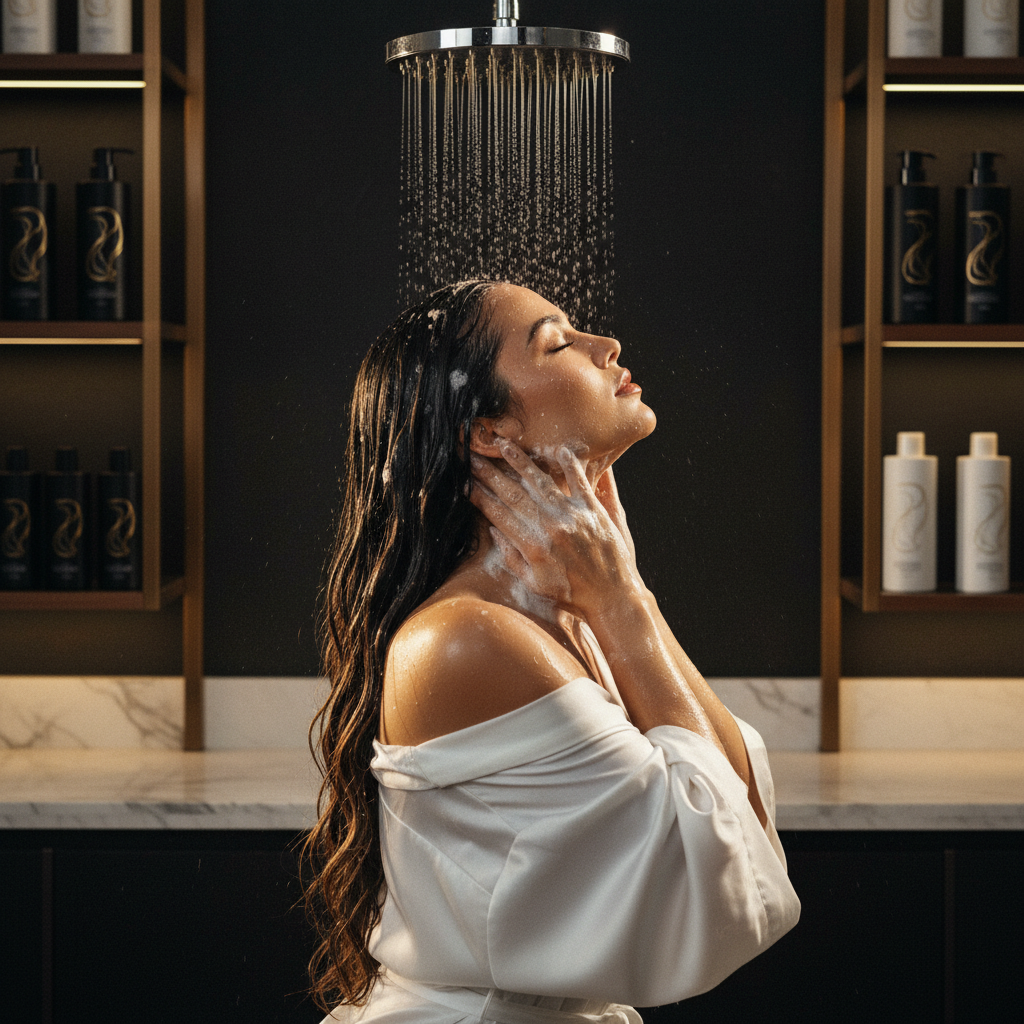
Quick answer: Hair cleansing is the fundamental process of removing sebum, dead skin cells, environmental pollutants, and product residues from the hair and scalp. It's crucial for maintaining a healthy scalp environment, preventing irritation, and ensuring hair looks and feels clean. While effective for most, the optimal frequency and method of Hair Cleansing vary significantly depending on individual hair type, scalp condition, and lifestyle, and it cannot address underlying medical conditions without professional advice.
Key takeaways
- Hair cleansing removes oils, dead skin cells, pollutants, and product residues, promoting scalp health and hair appearance.
- Surfactants in cleansers lift and remove impurities, with different types offering varying levels of cleaning strength.
- Maintaining an acidic pH (around 4.5 to 5.5) during cleansing helps keep the hair cuticle smooth, reducing frizz and improving shine.
- Cleansing frequency should be tailored to individual needs, considering hair type, scalp oiliness, and lifestyle.
- Co-washing, clarifying washes, and dry shampoos offer alternative or supplementary cleansing methods for specific concerns.
- Proper technique, focusing on scalp massage and thorough rinsing, is vital for effective Hair Cleansing and avoiding residue.
Hair Cleansing: what the evidence shows
Hair cleansing is the process of washing the hair and scalp to remove accumulated impurities. These include sebum, the natural oil produced by the scalp's sebaceous glands, along with dead skin cells, environmental particles like dust and pollution, and residues from hair styling products. This routine is essential not only for aesthetic reasons, preventing hair from appearing greasy, dull, or matted, but also for maintaining the health and integrity of the scalp skin and hair fibres. A clean scalp provides a better environment for healthy hair growth, as excessive build-up can block follicles and potentially lead to irritation.
The mechanism of Hair Cleansing: how cleansers work
The effectiveness of hair cleansing relies primarily on ingredients called surfactants, short for "surface active agents." These molecules have a unique dual structure: a hydrophilic (water-loving) head and a lipophilic (oil-loving) tail. When a hair cleanser, such as a shampoo, is mixed with water and applied to the hair and scalp, the lipophilic tails of the surfactant molecules attach to oil, dirt, and product residues. The hydrophilic heads then interact with the water. This action allows the oils and impurities, which would not ordinarily mix with water, to become emulsified (dispersed as tiny droplets within the water). When rinsed, the water carries away these emulsified impurities, leaving the hair and scalp clean.
There are various types of surfactants used in hair cleansers, each with different properties:
- Anionic surfactants (e.g., sodium lauryl sulphate, sodium laureth sulphate): These are strong cleansers that produce abundant foam. While highly effective at removing oil and dirt, some can be perceived as stripping by individuals with dry or fragile hair due to their strong degreasing action. However, their use and concentration are carefully controlled in cosmetic formulations to minimise potential irritation.
- Amphoteric surfactants (e.g., cocamidopropyl betaine): These are milder and often used in conjunction with anionic surfactants to reduce their potential for irritation and to improve foam quality. They have both positive and negative charges, making them adaptable to different pH levels.
- Non-ionic surfactants (e.g., decyl glucoside, lauryl glucoside): These are generally the mildest surfactants, producing less foam. They are often found in co-washes or sulfate-free formulas, prized for their gentle action, making them suitable for very dry, sensitive, or chemically treated hair.
The importance of pH in Hair Cleansing
Maintaining the correct pH balance during hair cleansing is crucial for hair health. The surface of healthy, virgin hair and a healthy scalp typically has an acidic pH, generally ranging from 4.5 to 5.5. This slightly acidic environment helps keep the hair's outermost layer, the cuticle, smooth and flat. When the cuticle scales lie flat, they reflect light more effectively, contributing to a shiny appearance, and provide better protection for the inner cortex of the hair fibre, reducing moisture loss and susceptibility to damage.
Most hair cleansers are formulated to be slightly acidic or "pH-balanced" (around 5.5) to align with this natural state. Using a cleanser with a pH that is too high (alkaline, above 7) can cause the cuticle scales to lift. While this lifting action can aid in thorough cleaning by allowing better penetration of the cleanser, excessive or prolonged cuticle lifting can lead to several undesirable effects:
- Increased frizz and tangling: Lifted cuticles snag on each other, making hair prone to frizz and difficult to detangle.
- Moisture loss: An open cuticle allows moisture to escape more easily from the hair's cortex, leading to dryness and brittleness. This is particularly relevant for topics like Hair Hydration.
- Increased porosity: Hair with lifted cuticles becomes more porous, meaning it absorbs and loses moisture quickly, and can be more susceptible to damage from environmental factors or chemical treatments.
Conversely, a pH-balanced or slightly acidic cleanser helps to reseal the cuticle after cleansing, locking in moisture and leaving hair smoother, shinier, and less prone to damage. This is a key principle also explored in The pH Scale and Hair.
Hair Cleansing methods: a comparison
Effective hair cleansing isn't a one-size-fits-all process. The optimal method often depends on individual hair type, scalp condition, and specific concerns. Here's a look at common methods:
| Cleansing Method | Primary Function | Ideal Hair Type/Concern | Frequency |
|---|---|---|---|
| Traditional Shampoo | Removes dirt, oil, product build-up thoroughly | Most hair types, especially oily scalps | 2 to 3 times/week, or as needed |
| Co-Washing | Gentle cleansing, moisture preservation | Dry, curly, coily, textured hair | 2 to 3 times/week, or as needed |
| Clarifying Wash | Deep cleansing, removes heavy build-up | Oily scalps, heavy product users, hard water exposure | Once every few weeks to months, sparingly |
| Dry Shampoo | Absorbs excess oil, freshens appearance (temporary) | All hair types (between wet washes) | Between wet washes, not a primary cleanser |
Traditional Shampooing: This is the most widely used method, involving a shampoo followed by a conditioner. Shampoos, with their surfactant systems, are designed to cleanse, while conditioners moisturise, detangle, and smooth the hair cuticle. This method is generally effective for most hair types and provides thorough removal of oil and product build-up. For those concerned about specific ingredients, understanding options like Sulfate-Free Shampoo Benefits can be helpful.
Co-Washing (Conditioner-Only Washing): Co-washing involves using a specialised cleansing conditioner instead of shampoo. These products contain a very low concentration of mild surfactants, relying mainly on conditioning agents to gently lift dirt and refresh the hair without stripping natural oils. It is particularly beneficial for dry, curly, coily, or afro-textured hair, which often struggles with moisture retention. This method helps to preserve natural oils, minimise frizz, and maintain curl definition, linking to topics like Moisturizing Afro-Textured Hair and Caring for Curly Hair.
Clarifying Washes: Clarifying shampoos are formulated with stronger surfactant systems designed for deep cleansing. They are effective at removing stubborn product build-up, mineral deposits from hard water (see Hard Water and Hair Damage), and excessive oil. These should be used sparingly, typically once every few weeks or months, as overuse can strip essential moisture from the hair. They are particularly useful for those who use many styling products, have an oily scalp, or live in areas with hard water. More information can be found in How to Do a Clarifying Wash: A Guide to Deep Hair Cleansing.
Dry Shampoo: Dry shampoo is a temporary solution that absorbs excess oil from the scalp and hair, refreshing its appearance without water. It typically contains powders like starch or silica that absorb sebum. It does not genuinely cleanse the hair or scalp but rather masks oiliness, making it a convenient option to extend the time between wet washes. It is not a substitute for regular wet cleansing.
Proper Hair Cleansing techniques
Regardless of the chosen method, an effective hair cleansing routine involves specific techniques to maximise results and minimise potential damage:
- Wet hair thoroughly: Ensure your hair is completely saturated with lukewarm water before applying any cleanser. This helps distribute the product evenly, activates the surfactants, and allows for better lathering.
- Apply cleanser: Dispense a small amount of cleanser into your palms. Focus the application on your scalp, as this is where most oil, dead skin, and product build-up accumulate. Gently massage the scalp with your fingertips in circular motions. Avoid using fingernails, which can irritate or scratch the scalp, potentially leading to issues like Dandruff.
- Lather and distribute: Allow the lather to gently run down the lengths of your hair. There's no need for aggressive scrubbing of the hair strands themselves, as this can cause friction and damage, especially for chemically treated or fragile hair. The lather will cleanse the lengths adequately as it rinses.
- Rinse thoroughly: Rinse your hair and scalp with lukewarm water until all traces of the product are gone and the water runs clear. Residual product can weigh down hair, make it feel dirty quickly, or even irritate the scalp. Thorough rinsing is crucial.
- Condition (if applicable): If using a traditional shampoo, follow with a conditioner. Apply conditioner primarily to the mid-lengths and ends of the hair, avoiding direct application to the scalp unless the product specifies otherwise (e.g., a scalp treatment conditioner). Leave it on for the recommended time before rinsing thoroughly. Understanding Hair Hydration and Choosing the Right Hair Conditioner can help optimise this step.
Frequency of Hair Cleansing
The ideal frequency for hair cleansing varies significantly from person to person. It depends on several factors:
- Hair type and texture: Fine or straight hair often becomes oily more quickly than coarse, curly, or afro-textured hair. The natural oils travel down straight hair shafts more easily. Curly and coily hair, discussed in Caring for Curly Hair, often requires less frequent washing to preserve its natural moisture.
- Scalp oil production (sebum regulation): Individuals with an oily scalp may need to cleanse more frequently, perhaps every 1 to 2 days, to manage excess sebum. Those with a dry scalp might wash every 3 to 4 days or even less often. See Oily Scalp Care for more details.
- Lifestyle: People who exercise frequently, live in humid climates, or are regularly exposed to dust and pollution may need to wash their hair more often due to sweat and environmental build-up.
- Product use: Regular use of heavy styling products can necessitate more frequent cleansing to prevent build-up.
There is no universal rule; listening to your hair and scalp is key. Signs that your hair needs cleansing include visible greasiness, a dull or lifeless appearance, increased itchiness of the scalp, or a feeling of heaviness.
When the cause may be something else
While proper hair cleansing is fundamental for healthy hair and scalp, it's important to recognise its limitations. Cosmetic cleansing cannot resolve all hair and scalp issues. For instance, if you experience persistent scalp conditions such as severe itching, flaking, redness, or excessive hair shedding, the cause might be a medical condition requiring professional diagnosis and treatment. Conditions like seborrheic dermatitis, psoriasis, or fungal infections often present with symptoms that cleansing alone cannot fully address.
Similarly, issues like significant hair thinning or hair loss are complex and rarely solved by simply changing cleansing habits. These can be related to genetics, hormonal imbalances, nutritional deficiencies, stress, or underlying health conditions. It's crucial to distinguish between cosmetic concerns that cleansing can address (e.g., greasy hair, product build-up) and medical conditions. Never assume a cleansing routine will resolve chronic or severe issues. Always seek advice from a medical professional, such as a dermatologist, for persistent or worrying symptoms. This is especially true for concerns related to hair loss (alopecia), which differs fundamentally from hair breakage.
Frequently asked questions about Hair Cleansing
How often should I cleanse my hair?
The ideal frequency for hair cleansing varies significantly based on your hair type, scalp oiliness, and lifestyle. Oily scalps might benefit from daily or every-other-day cleansing, while dry, curly, or coily hair types may only need washing every 3 to 7 days to preserve natural oils and moisture. Pay attention to how your hair and scalp feel; signs of needing a wash include greasiness, heaviness, or itchiness.
Can hair cleansing cause hair loss?
No, proper hair cleansing does not cause hair loss (alopecia). Washing your hair removes shed hairs that have already detached from the follicle as part of the natural hair cycle. It is normal to see some hair in the shower. Aggressive scrubbing or harsh products can cause hair breakage, where the hair fibre snaps, but this is distinct from hair loss from the follicle. If you are experiencing significant hair loss, consult a healthcare professional.
What is the difference between shampoo and clarifying shampoo?
Shampoo is designed for regular hair cleansing, removing daily build-up of oil and light product residue. Clarifying shampoo, as discussed in How to Do a Clarifying Wash, contains stronger surfactants formulated to deep-cleanse and remove stubborn accumulation of product, hard water minerals, and excessive oil that regular shampoos might miss. Clarifying shampoos should be used sparingly, typically once every few weeks or months, to avoid stripping the hair.
Is "no-poo" method effective for Hair Cleansing?
The "no-poo" method, which often involves using baking soda and apple cider vinegar or just water, has mixed evidence. Some users report benefits like reduced oiliness and improved hair texture, particularly for very dry or curly hair. However, baking soda is alkaline and can disrupt the hair's natural pH balance, potentially leading to cuticle damage over time. Apple cider vinegar is acidic and can help rebalance pH, but its effectiveness as a primary cleanser for removing significant oil and build-up is limited compared to surfactant-based products. Controlled research has not found consistent benefits over conventional pH-balanced cleansers.
Why does my hair still feel greasy after cleansing?
If your hair still feels greasy after hair cleansing, several factors could be at play. You might not be rinsing thoroughly enough, leaving product residue on the scalp and hair. It could also be that you are using a product that is too rich or heavy for your hair type, or you may need a clarifying wash to remove stubborn build-up. In some cases, over-stimulating the scalp with aggressive scrubbing can also encourage more oil production. Reviewing your technique and product choice can often resolve this.
Promoting hair health with Watermans
Watermans Hair Growth Shampoo and Conditioner are formulated with ingredients designed to support hair and scalp health. Our products aim to provide effective hair cleansing while being gentle on the hair and scalp. The formulations are developed to remove impurities without stripping essential moisture, helping to maintain a balanced scalp environment. By regularly using Watermans Hair Growth Shampoo, you contribute to a clean scalp, which is a foundational step for hair that looks and feels healthy.
Sources and references
- American Academy of Dermatology Association. Hair Care: How to Wash Your Hair.
- British Association of Dermatologists. Seborrhoeic Dermatitis.
- Goh, C., et al. (2023). Hair Care: The Science of Healthy Hair. Clinical, Cosmetic and Investigational Dermatology, 16, 219 to 232. DOI: 10.2147/CCID.S397444
- Journal of Cosmetic Science. Various peer-reviewed articles on surfactants and hair shaft properties.
- National Institutes of Health (NIH). Hair Anatomy and Physiology.
- The Cosmetic, Toiletry and Perfumery Association (CTPA). The truth about…shampoo ingredients.
- The Trichological Society. Hair & Scalp Conditioners and the pH factor.
- University of California, San Francisco (UCSF) Health. Hair Loss in Women and Hair Loss in Men.