Sulfate-Free Shampoos: Understanding Their Role in Hair Care
10 min read ·
Sulfate-Free Shampoos use milder cleansing agents than traditional shampoos, aiming to reduce potential stripping of natural oils and colour fading, though their suitability varies by individual hair and scalp needs.
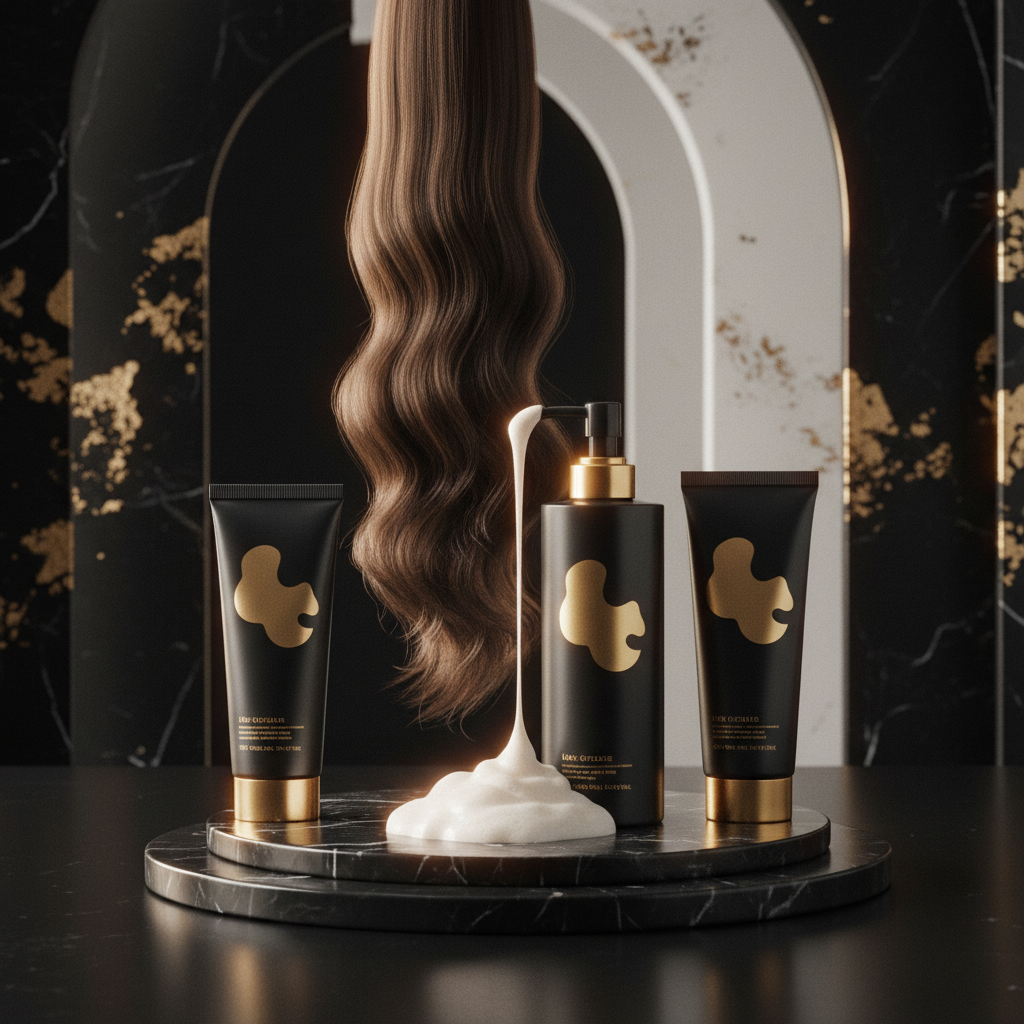
Quick answer: Sulfate-Free Shampoos are cleansing products formulated without harsh sulfates like sodium lauryl sulfate (SLS) and sodium laureth sulfate (SLES). Instead, they use alternative, milder surfactants to clean the hair and scalp. These formulations are often chosen by individuals with colour-treated, dry, sensitive, or curly hair, as they are perceived to be gentler, helping to preserve natural oils and hair colour. However, their efficacy and benefits can vary significantly depending on the specific ingredients and individual hair needs, and they may not be necessary or preferable for everyone.
Key takeaways
- Sulfate-Free Shampoos replace traditional harsh sulfates with milder cleansing agents, typically derived from natural sources.
- They are often chosen for colour-treated hair to help reduce premature fading and for sensitive scalps to minimise irritation.
- The primary mechanism involves gentler cleansing, which may help preserve natural hair oils and moisture, particularly beneficial for dry or chemically processed hair.
- Expect less voluminous lather compared to traditional shampoos, but this does not indicate reduced cleansing efficacy.
- Not everyone benefits from or needs sulfate-free formulations; individual hair and scalp conditions dictate suitability.
- An initial transition period may occur as the scalp adjusts to the milder cleansing.
Sulfate-Free Shampoos: what the evidence shows
Sulfate-Free Shampoos are hair cleansing products formulated without certain aggressive detergents, primarily sodium lauryl sulfate (SLS) and sodium laureth sulfate (SLES). These traditional sulfates are highly effective at removing oil and dirt, creating a rich lather. However, their strong cleansing action can, for some individuals, lead to undesirable effects.
Research indicates that traditional anionic surfactants like SLS can interact with the hair fibre, potentially leading to increased friction, cuticle lifting, and colour loss in chemically treated hair. Studies have explored the impact of different surfactants on hair condition, showing that milder surfactants, commonly found in sulfate-free formulations, can help maintain the integrity of the hair's outer layer, the cuticle.
For colour-treated hair, the mechanism by which sulfates might accelerate fading is often attributed to their ability to swell the hair shaft and leach out colour molecules during washing. While definitive, large-scale clinical trials specifically comparing the colour retention of sulfate-free versus sulfate-containing shampoos are complex due to variations in hair types, dyes, and product formulations, the cosmetic industry widely recommends sulfate-free options for maintaining hair colour vibrancy. This advice is based on observed outcomes and the known properties of milder surfactants.
Individuals with sensitive scalps or conditions like eczema and psoriasis may experience irritation, dryness, or itching from conventional sulfate-containing shampoos. Milder, sulfate-free formulations are often recommended by dermatologists for these individuals, as they reduce the likelihood of skin barrier disruption. While not a treatment for these conditions, they can contribute to symptom management by reducing exposure to potential irritants. Evidence suggests that gentler cleansing agents minimise irritation, making sulfate-free options a suitable choice for those with reactive scalps.
The mechanism behind sulfate-free cleansing
Instead of aggressive sulfates, Sulfate-Free Shampoos use alternative surfactants, often called co-surfactants or mild surfactants. These ingredients effectively clean the hair and scalp by encapsulating dirt, oil, and product residue, allowing them to be rinsed away with water. Unlike SLS or SLES, these milder agents are less likely to strip the hair's natural lipid layer or significantly disrupt the scalp's moisture barrier.
Common mild surfactants found in sulfate-free formulations include cocamidopropyl betaine (derived from coconut oil), decyl glucoside (from coconut and corn starch), lauryl glucoside (from coconut oil and glucose), and sodium cocoyl isethionate (from coconut oil). These alternatives create a lather that is typically less voluminous than traditional shampoos, which can sometimes be mistaken for less effective cleansing. However, a rich lather is not synonymous with superior cleaning. The primary goal is to effectively remove impurities without overly dehydrating the hair or irritating the scalp.
What the evidence does not clearly show
While the cosmetic benefits of Sulfate-Free Shampoos are frequently reported, some claims require further robust scientific investigation. For example, there is currently insufficient evidence to conclude that sulfate-free shampoos directly impact hair growth or prevent hair shedding (telogen effluvium) or hair loss (alopecia). These are complex biological processes not primarily influenced by the type of surfactant in a shampoo. Claims related to "detoxifying" the hair or scalp are also largely anecdotal and lack specific scientific backing in the context of surfactant choice. The benefit for all hair types is also not universal; those with very oily hair or significant product build-up might find that some sulfate-free formulations do not provide sufficient cleansing, requiring multiple washes or the occasional use of a clarifying shampoo.
Signs that Sulfate-Free Shampoos might be right for you
You might benefit from switching to Sulfate-Free Shampoos if you observe any of the following:
- Rapid colour fading: Your hair colour seems to wash out quickly after dyeing.
- Dry or brittle hair: Your hair feels excessively dry, coarse, or prone to breakage, particularly if it's also chemically treated or heat-styled often. (See also: Hair Damage: Causes, Signs, and Solutions).
- Scalp irritation: You experience frequent itching, redness, flakiness, or a feeling of tightness on your scalp after washing.
- Frizzy hair: If your hair, especially curly or wavy types, tends to be excessively frizzy after washing, a gentler cleansing routine might help retain moisture. (See also: Dealing with Frizzy Hair).
- Keratin treatments: You have had professional keratin smoothing treatments, as sulfates can break down the treatment more quickly.
What you can do: making the switch
If you decide to try Sulfate-Free Shampoos, here's what to expect and how to adapt:
- Adjust lather expectations: Don't expect the same voluminous lather as traditional shampoos. Focus on distributing the product evenly and massaging the scalp gently.
- Rinse thoroughly: Ensure all product is rinsed from your hair and scalp to prevent residue build-up.
- Consider a transition period: Your hair and scalp might take a few weeks to adjust. Initially, your hair might feel different, possibly slightly oilier or heavier, as your scalp rebalances its natural oil production (Sebum Regulation: Understanding and Managing Scalp Oiliness).
- Pair with a suitable conditioner: To maximise benefits, use a conditioner formulated for your hair type, which is often also sulfate-free.
- Clarify when needed: If you experience product build-up, especially if you use many styling products, an occasional clarifying wash may still be beneficial (How to Do a Clarifying Wash: A Guide to Deep Hair Cleansing).
When the cause may be something else
While sulfate-containing shampoos can contribute to certain hair and scalp issues, it's important to recognise that other factors can also be at play. If you experience persistent dryness, breakage, or scalp irritation, consider these alternative causes:
- Hard water: High mineral content in water can lead to dryness, dullness, and build-up, irrespective of your shampoo type (Hard Water and Hair Damage: Understanding the Impact on Your Hair).
- Heat styling: Frequent use of hot tools without protection can cause significant hair damage and dryness (Heat Styling Safety Best Practices).
- Chemical treatments: Hair dyes, perms, and relaxers can inherently alter hair structure, leading to dryness or damage.
- Environmental factors: Exposure to sun, wind, and pollution can affect hair and scalp health.
- Underlying health conditions: Skin conditions like dermatitis or internal health issues can manifest as scalp problems. Nutritional deficiencies can also impact hair health.
When to get professional advice
If you have severe or persistent scalp irritation, excessive hair shedding, unexplained hair loss, or any other concerning symptoms, it's always best to consult a dermatologist or trichologist. They can provide an accurate diagnosis and recommend appropriate medical treatments or hair care strategies beyond simply switching shampoo types.
Comparing Sulfate and Sulfate-Free Shampoos
| Feature | Sulfate-Containing Shampoos | Sulfate-Free Shampoos |
|---|---|---|
| Primary Cleansing Agents | Sodium Lauryl Sulfate (SLS), Sodium Laureth Sulfate (SLES) | Cocamidopropyl Betaine, Decyl Glucoside, Sodium Cocoyl Isethionate |
| Lather | Typically rich, dense, and voluminous | Often less voluminous, lighter, or creamier |
| Cleansing Power | Strong, effective at removing heavy oil and build-up | Gentle to moderate, effective for daily cleansing |
| Potential for Stripping | Higher risk of stripping natural oils from hair and scalp | Lower risk of stripping natural oils and moisture |
| Impact on Colour | Can contribute to faster colour fading in some cases | Generally considered gentler on colour-treated hair |
| Scalp Sensitivity | May cause irritation, dryness, or itching in sensitive individuals | Less likely to cause irritation for sensitive scalps |
| Recommended For | Oily hair, heavy product users, those needing strong cleanse | Colour-treated, dry, damaged, curly, or sensitive hair |
Frequently asked questions about Sulfate-Free Shampoos
Do Sulfate-Free Shampoos clean as effectively as regular shampoos?
Yes, Sulfate-Free Shampoos are designed to clean effectively. While they often produce less lather than traditional shampoos, this does not mean they are less efficacious. Their milder surfactants still remove dirt, oil, and product build-up from the hair and scalp. The perception of cleansing can differ due to the lather experience, but a thorough rinse is key to ensuring a clean result.
Are Sulfate-Free Shampoos better for all hair types?
Not necessarily. Sulfate-Free Shampoos are particularly beneficial for those with colour-treated hair, dry or damaged hair, sensitive scalps, or curly hair textures that are prone to dryness. However, individuals with very oily hair or significant product build-up might find that some sulfate-free formulations don't provide the deep cleanse they prefer or need, and might opt for a traditional or clarifying shampoo occasionally.
Can Sulfate-Free Shampoos help with an oily scalp?
For some, switching to Sulfate-Free Shampoos can help an oily scalp by preventing the over-stripping that might trigger increased oil production. If a harsh shampoo strips too much oil, the scalp can compensate by producing more sebum. However, if your scalp is very oily, some milder sulfate-free options might not cleanse sufficiently. You might need to experiment or seek advice on Oily Scalp Care: Understanding and Managing Excess Sebum.
How long does it take for hair to adjust to Sulfate-Free Shampoos?
An adjustment period can vary, typically lasting from two to four weeks. During this time, your hair might feel different initially, perhaps slightly heavier or oilier, as your scalp adapts its natural oil production without the aggressive stripping of sulfates. Patience is key; most people find their hair adjusts and benefits from the change within a month.
Will Sulfate-Free Shampoos stop hair shedding or hair loss?
No, there is no scientific evidence to suggest that Sulfate-Free Shampoos directly stop hair shedding (telogen effluvium) or hair loss (alopecia). Hair shedding and loss are complex issues often related to genetics, hormones, diet, stress, or underlying medical conditions. While a gentle shampoo can contribute to overall scalp health, it is not a treatment for these conditions. For concerns about hair shedding or loss, consult a healthcare professional.
Why does my hair feel different after using Sulfate-Free Shampoos?
Your hair might feel different because sulfate-free formulas clean without excessively stripping your hair's natural oils. This can lead to hair feeling softer, less dry, and potentially with more natural moisture. However, for some, the lack of heavy lather and the absence of certain silicones (often found in traditional shampoos) might initially make hair feel less "slippery" or even slightly weighted until it adjusts. This is a normal part of the transition.
Gentler Cleansing for Hair and Scalp Health
Sulfate-Free Shampoos offer a valuable alternative in hair care for those seeking a gentler cleansing experience. By utilising milder surfactants, they aim to support hair health by helping to preserve natural oils, maintain colour vibrancy, and reduce scalp irritation. While not a universal solution for every hair concern or type, they represent a considered choice for many individuals, particularly those with sensitive, dry, or chemically treated hair. Watermans understands the desire for effective yet gentle cleansing, formulating products designed to work with your hair's natural balance. When considering a switch, understanding your hair's specific needs and allowing for an adjustment period will help you determine if Sulfate-Free Shampoos are the right choice for your hair care routine.
Sources and references
- PubMed Central, The effect of shampoo on the hair fibre surface, 2007, DOI: 10.1111/j.1468-2494.2007.00412.x
- Journal of Cosmetic Science, Influence of surfactants on the colour retention of dyed hair, 2004.
- American Academy of Dermatology Association (AAD), Scalp care: 10 tips for healthier hair.
- National Eczema Society (UK), Eczema and your hair.
- British Association of Dermatologists (BAD), Dermatitis of the scalp.