Clarifying Shampoos: Deep Cleansing for Hair and Scalp
10 min read ·
Clarifying shampoos are formulated to deeply cleanse hair and scalp, effectively removing product buildup, hard water minerals, and environmental impurities.
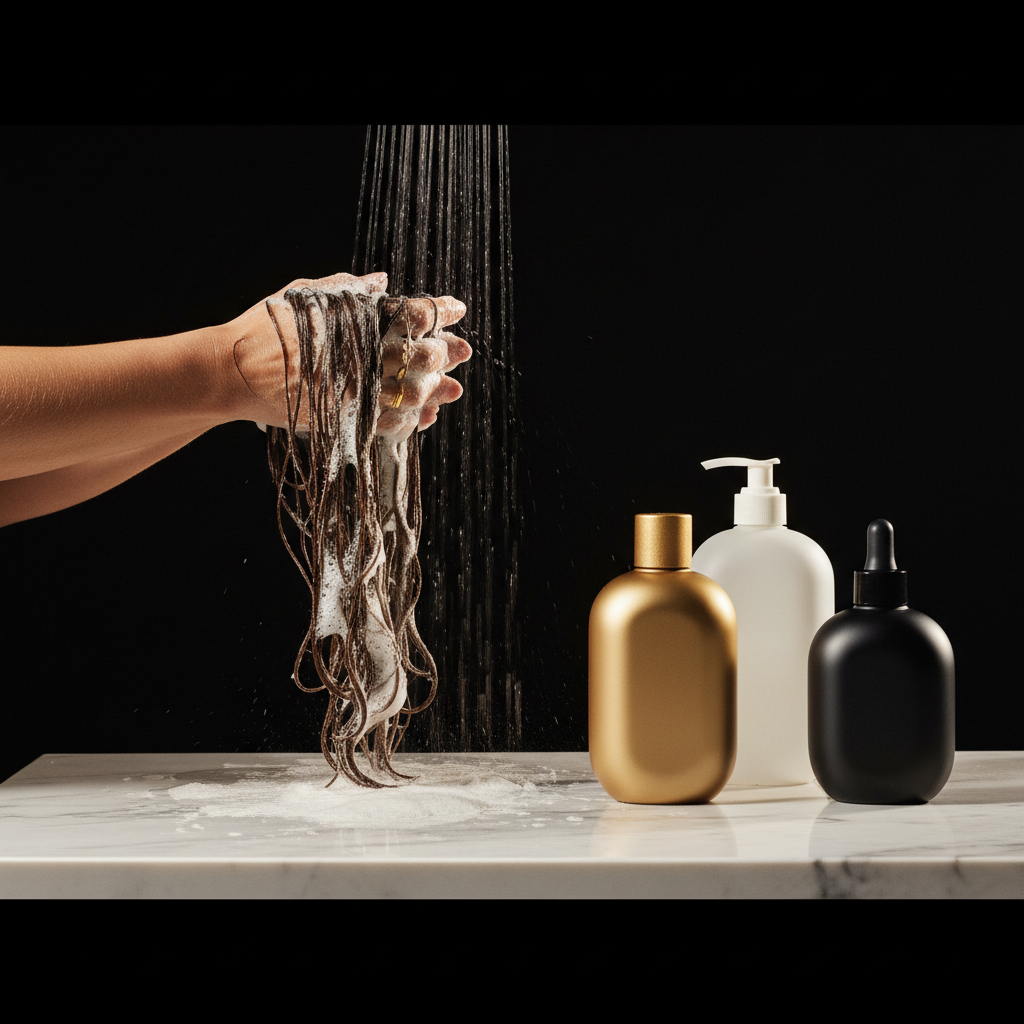
Quick answer: Clarifying Shampoos are specialised cleansing products designed to thoroughly remove accumulated residue from the hair and scalp. This residue can come from styling products, minerals in hard water, environmental pollutants, and even ingredients found in everyday shampoos and conditioners. By stripping away this buildup, Clarifying Shampoos help to restore hair's natural lightness, shine, and responsiveness to conditioning, but their strong cleansing action means they should be used judiciously to avoid over-drying or colour fading.
Key takeaways
- Clarifying Shampoos are formulated with stronger surfactants than regular shampoos to deep cleanse hair and scalp.
- They effectively remove product buildup, hard water mineral deposits, and environmental impurities.
- Signs you might need a clarifying wash include dull, heavy-feeling hair, an oily scalp, or hair that resists styling.
- Frequency of use depends on hair type, product use, and water quality, generally ranging from weekly to monthly.
- Always follow a clarifying wash with a moisturising conditioner or deep treatment to restore hydration.
- For colour-treated hair, use clarifying shampoos with caution, as they can accelerate colour fading.
Clarifying Shampoos: what the evidence shows
Clarifying Shampoos are specifically designed to provide a deeper clean than standard shampoos by removing various forms of buildup that can accumulate on the hair and scalp. This buildup can include residues from styling products, silicones, oils, environmental pollutants, and mineral deposits from hard water. The key to their efficacy lies in their formulation, which typically includes stronger cleansing agents, known as surfactants, and sometimes chelating agents.
Unlike everyday shampoos, which balance cleansing with conditioning and are designed for frequent use, Clarifying Shampoos prioritise potent cleansing. The goal is to "reset" the hair, allowing it to return to a state where it can better absorb moisture and nutrients from conditioners and treatments, and where natural oils can distribute more freely along the hair shaft.
The mechanism of deep cleansing
The deep cleansing action of Clarifying Shampoos primarily stems from their choice and concentration of surfactants. Surfactants are molecules that reduce the surface tension between liquids, or between a liquid and a solid, allowing for better mixing and easier removal of oils and dirt. While many shampoos use milder surfactants, Clarifying Shampoos often feature more robust types. Common examples include:
- Anionic Surfactants: These are highly effective at dissolving grease and dirt. Sodium Lauryl Sulfate (SLS) and Sodium Laureth Sulfate (SLES) are common anionic surfactants found in many Clarifying Shampoos. They create a rich lather and are excellent at lifting impurities. Olefin sulfonate is another strong anionic surfactant particularly adept at removing mineral buildup.
- Chelating Agents: Ingredients such as Ethylenediaminetetraacetic acid (EDTA), phytic acid, or trisodium ethylenediamine disuccinate are often included to combat hard water effects. These agents bind to mineral ions like calcium, magnesium, and copper, which are common in hard water. By sequestering these minerals, chelating agents prevent them from adhering to the hair fibre and allow them to be rinsed away, addressing the dullness and stiffness often caused by hard water deposits. This mechanism is particularly important given that hard water is prevalent in many regions, including a significant portion of the UK.
Many Clarifying Shampoos tend to have a slightly higher pH than regular shampoos, sometimes ranging from 7.0 to 9.0. This alkalinity can cause the hair's cuticle layers to lift slightly, allowing the cleansing agents to more effectively penetrate and dislodge buildup from the surface and beneath the cuticle. While effective for cleaning, this temporary lifting of the cuticle also explains why a follow-up with an acidic conditioner (typically pH 3.5 to 5.5) is crucial to help smooth the cuticle back down, restoring shine and protecting the hair fibre.
Signs you may benefit from Clarifying Shampoos
Recognising when your hair needs a deep cleanse is key to incorporating Clarifying Shampoos effectively into your routine. Look out for these common indicators:
- Dull, lifeless appearance: Hair that lacks natural shine and looks heavy, even after washing, often points to product residue weighing it down.
- Lack of volume or bounce: Buildup can coat the hair fibre, making it feel less voluminous and more difficult to style. Hair may lie flat or appear greasy quickly after washing.
- Hair feels "gummy" or "waxy": A strange texture that isn't quite dry but also not clean can be a sign of silicone or heavy product accumulation.
- Difficulty styling: If your usual styling products aren't performing as they should, or if your hair feels resistant to holding a style, buildup could be creating a barrier.
- Oily scalp despite regular washing: While you might wash frequently, buildup can trap oils and dead skin cells, contributing to an oily scalp. See also Oily Scalp Care: Understanding and Managing Excess Sebum.
- Hair feels rough or stiff: This can be particularly true if you live in a hard water area, where mineral deposits can make hair feel coarse and difficult to manage. For more on this, consult Hard Water and Hair Damage: Understanding the Impact on Your Hair.
- Before chemical treatments: Professional stylists often use a clarifying wash before colouring, perming, or relaxing hair. This ensures an even canvas for chemical penetration and better, more consistent results. This applies to Chemical Hair Treatments: What They Are and How They Affect Hair.
When to use and how often
The appropriate frequency for using Clarifying Shampoos varies significantly based on individual hair type, product usage habits, and local water quality. Over-clarifying can strip the hair of essential moisture and natural oils, potentially leading to dryness, frizz, or even a compensatory increase in scalp oil production.
Most people find that using a Clarifying Shampoo every two to four weeks is sufficient. However, if you use a lot of styling products, have an oily scalp, or live in a hard water area, you might benefit from a weekly deep cleanse. Conversely, those with very dry, fine, damaged, or colour-treated hair may only need to clarify once a month, or even less frequently.
It's also important to consider the seasons. During warmer months, increased sweating and use of protective products for sun or chlorine exposure might necessitate more frequent clarifying. Similarly, during colder, drier months, you might reduce frequency to protect hair's moisture levels.
How to effectively use Clarifying Shampoos
To maximise the benefits of Clarifying Shampoos while minimising potential dryness, follow these steps:
- Wet hair thoroughly: Ensure your hair is completely saturated with lukewarm water. This helps to open the hair cuticles slightly and allows the shampoo to spread and work more effectively.
- Apply to scalp first: Dispense a small amount of Clarifying Shampoo into your palm. Focus on massaging it into your scalp first, as this is where most oil, dead skin, and product buildup accumulates. Gently work the lather through the mid-lengths and ends.
- Lather and massage: Work the shampoo into a rich lather using your fingertips. You may notice less lather during the first wash if there's significant buildup; a second, smaller application can often produce more foam.
- Rinse thoroughly: Rinse your hair with lukewarm water until the water runs completely clear and your hair feels free of any suds or slipperiness. Ensure no residue from the shampoo remains.
- Condition generously: Because Clarifying Shampoos are designed to be potent cleansers, they can leave hair feeling "squeaky clean" and potentially dehydrated. It is crucial to follow immediately with a rich, moisturising conditioner or a deep conditioning treatment. Focus the conditioner primarily on the mid-lengths and ends of your hair, allowing it to sit for a few minutes before rinsing. This step is vital for restoring hydration and smoothing the hair cuticle. See also The Science of Conditioners: How Hair Care Formulations Work.
Clarifying Shampoos and specific hair types
| Hair Type / Concern | Recommended Frequency | Notes |
|---|---|---|
| Oily Scalp / Heavy Product Use | Weekly to Bi-weekly | Regular clarifying helps manage excess sebum and prevent accumulation of styling product residue. |
| Normal to Oily Hair | Every 2 to 4 weeks | Balances effective cleansing with maintaining natural moisture and oil levels. |
| Dry / Fine Hair | Monthly or as needed | Use sparingly to avoid over-drying and potential breakage. Always follow with a very rich, hydrating conditioner. |
| Colour-Treated Hair | Infrequently (before colour) | Clarifying Shampoos can accelerate colour fading due to their potent cleansing action and potential to lift the cuticle. Best used just before a fresh colour application or opt for sulfate-free chelating formulas designed for colour protection. For more, refer to Maintaining Colour-Treated Hair: Maintaining Colour-Treated Hair: A Guide to Longevity and Health. |
| Curly / Afro-Textured Hair | Monthly or as needed | Buildup can be particularly problematic for textured hair, affecting curl definition and moisture absorption. Choose gentle formulas and prioritise intense conditioning afterwards. See Caring for Curly Hair and Caring for Afro Hair. |
| Hard Water Exposure | Bi-weekly to Monthly | Focus on Clarifying Shampoos that contain chelating agents to specifically target and remove mineral deposits, which can make hair feel rough and look dull. |
What the evidence does not show
While Clarifying Shampoos are highly effective at removing buildup, there is currently no evidence to suggest they can treat or prevent hair loss conditions such as androgenetic alopecia or other forms of follicular hair loss. Their action is cosmetic, focused on the hair fibre and scalp surface. They can help create a healthier-feeling scalp environment by removing surface impurities, which might indirectly support overall scalp health, but they do not address the biological mechanisms of hair loss within the follicle.
Similarly, Clarifying Shampoos do not directly treat conditions like dandruff caused by fungal overgrowth (Malassezia globosa). While they can remove flakes and surface oils, a medicated shampoo specifically formulated with anti-fungal ingredients is required to address the root cause of dandruff. For more on this, see Dandruff: Causes and Treatments Explained.
If you are experiencing significant hair shedding, thinning, or persistent scalp issues, Clarifying Shampoos are not a treatment. It is always best to consult with a dermatologist or trichologist for accurate diagnosis and tailored advice.
Frequently asked questions about Clarifying Shampoos
Can Clarifying Shampoos cause hair damage?
When used too frequently or without proper follow-up conditioning, Clarifying Shampoos can lead to dryness, brittleness, and potential damage. Their strong cleansing action can strip natural oils, leaving the hair feeling rough and more prone to frizz or breakage. It's essential to balance their use with thorough moisturising to mitigate these effects.
Are Clarifying Shampoos suitable for all hair types?
Most hair types can benefit from Clarifying Shampoos occasionally. However, those with very dry, damaged, fine, or chemically treated hair (especially colour-treated) should use them sparingly and with extra care. Always follow with a deep conditioner. People with sensitive scalps should look for gentler, sulfate-free options or consult a professional.
What's the difference between a clarifying shampoo and a regular shampoo?
The main difference lies in their formulation and purpose. Clarifying Shampoos contain stronger surfactants and sometimes chelating agents to provide a deeper clean, specifically targeting stubborn buildup. Regular shampoos are formulated for daily or frequent use, offering a gentler cleanse and often containing conditioning agents to maintain hair's moisture balance.
How long should I leave a clarifying shampoo on my hair?
Typically, Clarifying Shampoos are meant to be applied, lathered, and rinsed immediately, similar to a regular shampoo. There's no need to leave them on for an extended period, as their powerful cleansing action works quickly. Prolonged contact can increase the risk of over-stripping your hair and scalp.
Will Clarifying Shampoos remove hair dye?
Yes, Clarifying Shampoos can accelerate the fading of hair dye. Their potent cleansing agents and higher pH can open the hair cuticle and strip away colour molecules. If you have colour-treated hair, it's generally recommended to use a clarifying shampoo only before a new colour application or opt for colour-safe, sulfate-free clarifying formulas.
Conclusion
Clarifying Shampoos play a valuable role in a comprehensive haircare routine by offering a powerful solution for removing stubborn buildup that can leave hair looking dull, feeling heavy, and resisting styling. By understanding their mechanism, recognising the signs of buildup, and adopting appropriate usage frequencies, you can effectively incorporate Clarifying Shampoos to restore your hair's natural vitality and prepare it for optimal conditioning. Remember to always follow a clarifying wash with a rich, moisturising conditioner to maintain hair health and prevent excessive dryness.
Sources and references
- American Academy of Dermatology Association, "Hair care products".
- British Association of Dermatologists, "Scalp conditions".
- Gavazzoni Dias, M. F. (2015). Hair Cosmetics: An Overview. International Journal of Trichology, 7(1), 2 to 15. DOI: 10.4103/0974-7753.153493
- National Health Service (NHS), "Hair loss".
- PubMed Central, U.S. National Institutes of Health, articles on "surfactants in cosmetics".
- Water UK (2023), "Drinking water quality in the UK".
Find these ingredients in Watermans products
- Copper: you will find this ingredient in our Hair Vitamins.