Oily Scalp Treatments: An Evidence-Based Guide to Managing Excess Sebum
9 min read ·
Oily Scalp Treatments aim to regulate sebum production, reduce greasiness, and soothe the scalp using a combination of topical products, hair care practices, and lifestyle adjustments.
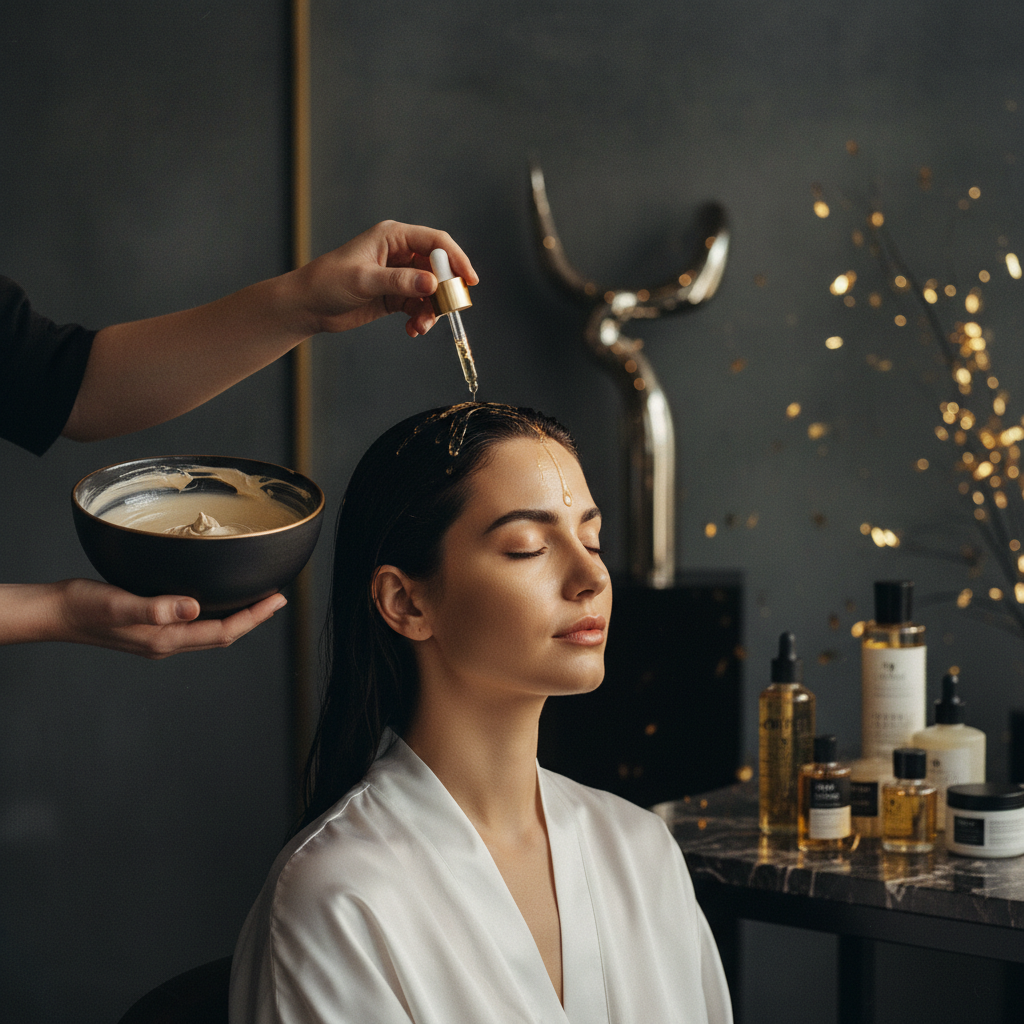
Quick answer: Oily Scalp Treatments focus on managing excess sebum production, which causes hair to appear greasy and can contribute to scalp irritation or dandruff. These treatments involve specific hair care routines, targeted ingredients in products, and sometimes lifestyle changes. Their effectiveness depends on individual factors and the underlying cause of oiliness, so what works for one person might not work for another; a tailored approach is often needed for optimal results.
Key takeaways
- Oily scalp, or seborrhoea, results from overactive sebaceous glands producing too much sebum, leading to greasy-looking hair and potential scalp issues.
- Effective Oily Scalp Treatments combine proper hair washing techniques, targeted product ingredients, and mindful lifestyle choices.
- Ingredients like salicylic acid, zinc pyrithione, and certain clays can help manage oil and associated symptoms by exfoliating, absorbing sebum, or controlling microbes.
- While diet and stress are often cited, direct scientific evidence for their impact on sebum production is mixed or limited, though they can influence overall skin health.
- Over-washing or using harsh products can sometimes strip the scalp, paradoxically triggering more sebum production.
- If home Oily Scalp Treatments aren't effective, or if symptoms are severe, consulting a dermatologist or trichologist is recommended to rule out underlying conditions.
Oily Scalp Treatments: what the evidence shows
Oily scalp, medically known as seborrhoea, occurs when the sebaceous glands on the scalp produce an excessive amount of sebum. Sebum is a natural oily substance vital for lubricating the hair and skin, providing a protective barrier and helping to maintain moisture. However, when produced in excess, it can lead to hair that looks greasy, feels limp, and can contribute to issues like itching, irritation, and certain types of dandruff (seborrhoeic dermatitis). Oily Scalp Treatments aim to normalise sebum production and alleviate these associated symptoms.
Why does the scalp become oily?
The overproduction of sebum is influenced by several factors:
- Genetics: An inherited predisposition can lead to more active sebaceous glands.
- Hormonal fluctuations: Androgens, a group of hormones, stimulate sebum production. This is why an oily scalp is more common during puberty, pregnancy, or in individuals with certain hormonal imbalances, such as polycystic ovary syndrome (PCOS). Oestrogen, on the other hand, tends to decrease sebum production. Research shows these hormonal influences are significant in regulating scalp oiliness (Pappas, 2009).
- Hair care practices: Over-washing with harsh shampoos can strip the scalp of its natural oils, prompting the sebaceous glands to produce more sebum in a reactive effort to re-lubricate the skin. Conversely, infrequent washing can allow sebum to build up, contributing to a greasy appearance and potentially creating a favourable environment for certain microorganisms. For more on proper cleansing, see "Choosing the Right Shampoo".
- Environmental factors: High humidity and heat can increase sweat and sebum production, making the scalp feel greasier.
- Medications: Certain medications, such as some anabolic steroids or progesterone-only oral contraceptives, can increase sebum production as a side effect.
Less clear is the direct impact of diet and stress. While anecdotal evidence and some studies suggest a link between diets high in refined sugars and processed foods, or high stress levels, and increased sebum, controlled research has not conclusively established a direct causal relationship in humans for scalp oiliness specifically (Endly & Miller, 2017). However, a balanced diet and stress management are beneficial for overall health, which includes scalp health.
Signs of an oily scalp
Recognising an oily scalp typically involves observing these signs:
- Greasy or oily hair: Hair appears slick, shiny, and lacks volume shortly after washing.
- Itching and irritation: Excess sebum can create an environment where the yeast Malassezia, a common inhabitant of the scalp, can thrive. An overgrowth of Malassezia is linked to itching and flaking, often associated with seborrhoeic dermatitis. For more on this, consult "Dandruff: Causes and Treatments Explained".
- Scalp odour: The breakdown of sebum by bacteria and yeasts on the scalp can produce an unpleasant smell.
- Redness or inflammation: In some cases, an oily scalp can be accompanied by mild redness, especially if irritation or seborrhoeic dermatitis is present.
Effective strategies for Oily Scalp Treatments
Effective Oily Scalp Treatments combine targeted product use with appropriate hair care routines. The goal is to regulate sebum production without overly drying the scalp, which can lead to a rebound effect.
Hair cleansing and conditioning
- Washing frequency: For many with an oily scalp, daily washing is beneficial to remove excess sebum and product build-up. However, opt for gentle shampoos to avoid stripping the scalp. For insights into deeper cleaning, refer to "How to Do a Clarifying Wash: A Guide to Deep Hair Cleansing".
- Water temperature: Use lukewarm water. Hot water can stimulate sebaceous glands and strip the scalp of beneficial moisture, leading to increased oil production.
- Shampoo choice: Look for shampoos specifically formulated for oily scalps, often labelled "balancing", "clarifying", or "oil-control". These typically contain ingredients designed to dissolve oil and cleanse the scalp thoroughly. For more guidance, see "Choosing the Right Shampoo".
- Conditioner application: Apply conditioner primarily to the mid-lengths and ends of the hair, avoiding direct application to the scalp, which can weigh hair down and exacerbate oiliness. "The Science of Conditioners: How Hair Care Formulations Work" offers more details.
- Sulphate-free options: While sulphates are effective at removing oil, for some individuals, they can be too harsh and contribute to scalp dryness and irritation, potentially triggering increased oil production. Sulphate-free shampoos can be a gentler alternative for managing oil without over-stripping. Explore "Sulfate-Free Shampoo Benefits" for more information.
Targeted ingredients in Oily Scalp Treatments
Ingredients in topical products play a crucial role in managing scalp oiliness. Here's a look at some common and effective compounds:
| Ingredient | Mechanism of Action | Benefits for Oily Scalp |
|---|---|---|
| Salicylic Acid | Beta-hydroxy acid (BHA) that exfoliates, dissolving oil and dead skin cells. | Helps to unclog pores, reduces flaking, and prevents build-up. |
| Zinc Pyrithione | Antifungal agent. | Controls the growth of Malassezia yeast, reducing dandruff and itching. |
| Tea Tree Oil | Natural antiseptic, anti-inflammatory, and antifungal properties. | Soothes irritation, reduces microbial growth, and may help control oil. |
| Clay (e.g., Kaolin, Bentonite) | Absorbs excess sebum and impurities from the scalp surface. | Detoxifies the scalp, reduces greasiness, and provides a mattifying effect. |
| Niacinamide (Vitamin B3) | May reduce sebum production by regulating sebaceous gland activity. | Helps balance scalp oil, potentially reduces inflammation, and strengthens the skin barrier. |
| Rosemary Extract | Traditionally used for its anti-inflammatory and antioxidant properties. | May improve circulation and support a healthy scalp environment, some evidence suggests it can help with oil balance. |
Dedicated scalp treatments, such as serums, masks, or pre-shampoo treatments, can deliver these ingredients directly to the scalp. Regular scalp exfoliation, using products containing salicylic acid or physical exfoliants, can also help remove dead skin cells and excess sebum, as discussed in "Scalp Exfoliation: Uncovering the Evidence for a Healthier Scalp".
Lifestyle considerations
- Hygiene: Avoid touching your scalp excessively throughout the day, as this can transfer oils from your hands and stimulate sebaceous glands. Regularly clean hair brushes and combs to prevent re-depositing oil and product residue onto your clean scalp.
- Hair styling: Opt for looser hairstyles that allow air circulation to the scalp. Tight styles can trap oil and sweat, contributing to a greasy feeling. Using dry shampoo sparingly between washes can temporarily absorb oil, but it's not a substitute for proper cleansing.
When to seek professional advice
If at-home Oily Scalp Treatments and over-the-counter products do not alleviate your symptoms after several weeks, or if you experience severe itching, redness, inflammation, significant hair shedding, or persistent flaking, it is advisable to consult a dermatologist or trichologist. They can accurately diagnose underlying conditions such as seborrhoeic dermatitis, fungal infections, or other scalp disorders, and recommend prescription-strength treatments or further investigations. It's important to distinguish between hair shedding and hair loss, which are different issues, as discussed in "Oily Scalp: Causes, Management, and When to Seek Help".
Frequently asked questions about Oily Scalp Treatments
Can diet affect an oily scalp?
Evidence directly linking specific dietary patterns to increased scalp oiliness is mixed and not fully conclusive. While some theories suggest high sugar or processed food intake could play a role, robust scientific studies in humans specifically for scalp sebum are limited. Maintaining a balanced diet rich in whole foods and essential nutrients supports overall skin and hair health, but it's unlikely to be the sole solution for an oily scalp.
How often should I wash my hair if I have an oily scalp?
For many with an oily scalp, daily washing is beneficial. It helps to regularly remove excess sebum, dirt, and product build-up. However, use a gentle, sulphate-free shampoo specifically designed for oily scalps to avoid over-stripping, which can paradoxically trigger increased oil production. Listen to your scalp and adjust washing frequency as needed.
Are there any natural Oily Scalp Treatments?
Some natural ingredients are commonly used in Oily Scalp Treatments due to their purported benefits. Tea tree oil, for example, has antiseptic properties, and rosemary extract is often used for scalp health. Clays like kaolin or bentonite can absorb excess oil. While these can be supportive, their efficacy is often best when integrated into a comprehensive hair care routine rather than used as standalone remedies.
Can stress make my scalp more oily?
Stress can influence the body's hormonal balance, and hormones are known to affect sebum production. While stress isn't typically the primary cause of an oily scalp, high stress levels can potentially exacerbate existing oiliness or contribute to an imbalance. Managing stress through relaxation techniques or exercise is beneficial for overall well-being, including scalp health, but the direct impact on sebum is not fully understood.
Why is my scalp still oily after washing?
If your scalp feels oily immediately after washing, several factors could be at play. You might not be using a shampoo designed for oily scalps, or you may not be rinsing thoroughly enough, leaving product residue. Hot water can also stimulate oil glands. Incorrect conditioner application (applying to the scalp) or over-manipulation of the scalp during washing can also contribute. Re-evaluating your Oily Scalp Treatments and washing technique is a good first step.
Managing an oily scalp
Effectively managing an oily scalp involves a comprehensive approach that targets sebum regulation through appropriate hair care practices, the use of beneficial ingredients, and an understanding of underlying factors. Consistent application of these Oily Scalp Treatments can significantly reduce greasiness, alleviate discomfort, and promote a healthier-looking scalp and hair. When in doubt, or if symptoms persist, professional medical advice is always the best next step for personalised guidance.
Watermans solutions for an oily scalp
Watermans offers products designed to support overall scalp health and manage common hair concerns. While not exclusively Oily Scalp Treatments, these formulations incorporate ingredients that can be beneficial. Our shampoo and conditioner system is formulated to cleanse effectively without harsh stripping, helping to maintain scalp balance. For example, our GrowMe® Shampoo contains hydrolysed lupin protein, which can contribute to a healthy scalp environment, and our ConditionMe conditioner is designed to moisturise without weighing hair down.
Sources and references
- Pappas, A. (2009). The sebaceous gland: its role in health and disease. Clinics in Dermatology, 27(2), 173-180. [DOI: 10.1016/j.clindermatol.2008.01.010]
- Endly, D. C., & Miller, R. A. (2017). Oily skin: A review of treatment options. The Journal of Clinical and Aesthetic Dermatology, 10(7), 49-55. [PMID: 28761617]
- American Academy of Dermatology Association. (n.d.). Dandruff: Who gets and causes. Retrieved from aad.org
- National Health Service (NHS). (2023). Seborrhoeic dermatitis. Retrieved from nhs.uk
- Journal of Cosmetic Science. (Ongoing research on ingredient efficacy and mechanisms of action in haircare products).
- British Association of Dermatologists. (Ongoing publications on skin and hair conditions).
Find these ingredients in Watermans products
- Zinc: you will find this ingredient in our Hair Vitamins.
- Niacinamide: you will find this ingredient in our Hair Mask.