Seborrheic Dermatitis: Understanding This Common Scalp Condition
12 min read ·
Seborrheic Dermatitis is a chronic inflammatory skin condition primarily affecting the scalp, causing redness, flaking, and greasy scales.
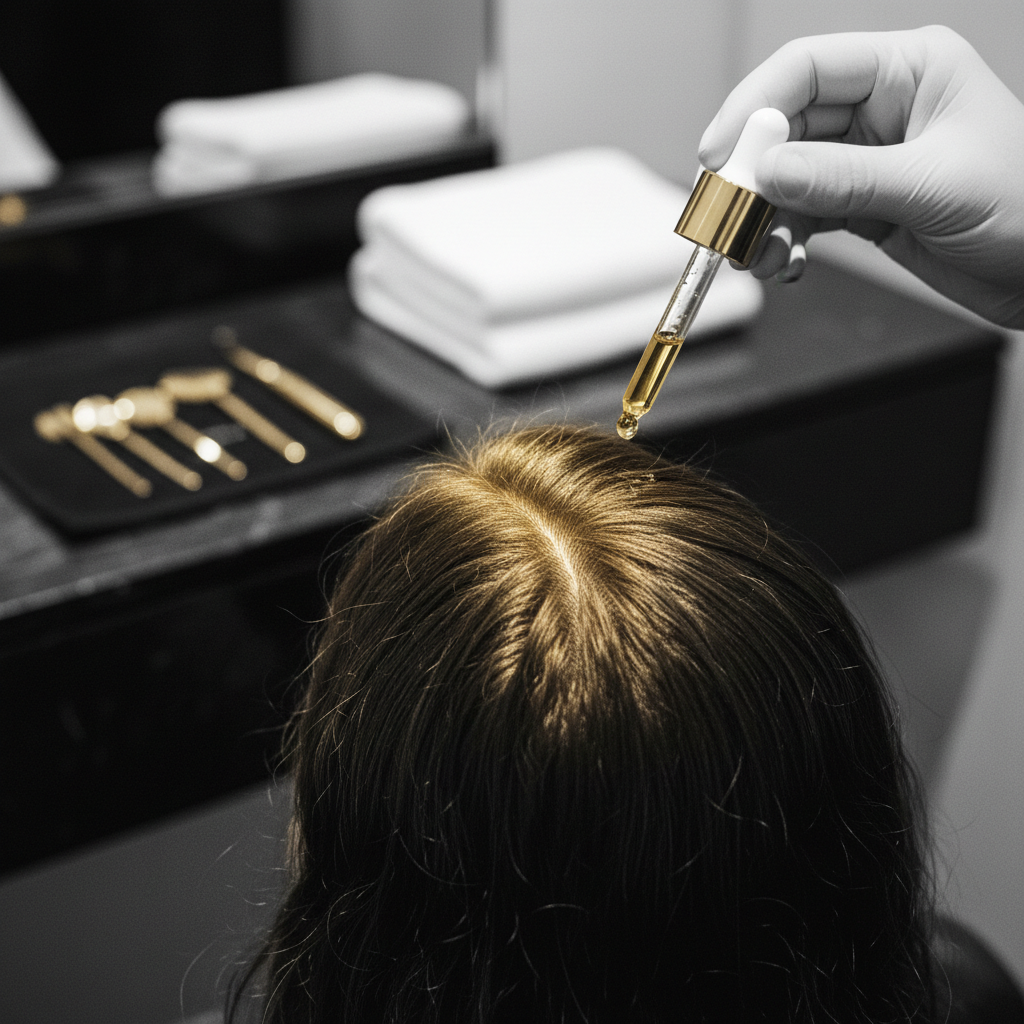
Quick answer: Seborrheic Dermatitis is a common, chronic inflammatory skin condition that mainly affects areas rich in oil glands, like the scalp, face, and chest. It presents as redness, greasy scaling, and flaking. While its exact cause isn't fully understood, it involves an inflammatory reaction to the common skin yeast Malassezia, alongside other factors such as genetics and immune response. It's not contagious, often manageable with consistent care, though flare-ups are common and treatment focuses on symptom control.
Key takeaways
- Seborrheic Dermatitis is a widespread, non-contagious inflammatory skin condition, causing redness, greasy scales, and flaking, particularly on the scalp.
- Its development involves an inflammatory response to Malassezia yeast, alongside factors like sebum production, immune system function, and genetic predisposition.
- Symptoms vary but often include visible dandruff, oily patches, and itching, which can be exacerbated by stress, hormonal changes, or cold weather.
- Management focuses on controlling symptoms using medicated shampoos with antifungal agents, topical corticosteroids, or other prescribed treatments.
- Consistent care, adherence to treatment, and identifying individual triggers are essential for reducing flare-ups and improving comfort.
- Accurate diagnosis by a healthcare professional is crucial to differentiate Seborrheic Dermatitis from other similar skin conditions like psoriasis or eczema.
What the evidence shows about Seborrheic Dermatitis
Seborrheic Dermatitis is a chronic inflammatory skin condition that affects skin areas abundant in sebaceous (oil) glands. This includes the scalp, face (especially the eyebrows, sides of the nose, and forehead), ears, and occasionally the chest or skin folds. It typically appears as red, itchy, and scaly patches, often with characteristic greasy, yellowish flakes. The condition can range from mild dandruff, which is a common and less severe form, to more extensive cases with thicker, more noticeable scales.
It's a very common condition, estimated to affect between 1% and 3% of the general adult population. It also commonly occurs in infants, where it's known as "cradle cap," and can be seen in adolescents and older adults. While Seborrheic Dermatitis is not life-threatening, its chronic nature can lead to persistent discomfort, itching, and cosmetic concerns, potentially affecting quality of life. It's important to remember that it is not contagious and is generally manageable with appropriate, consistent care.
The complex mechanism of Seborrheic Dermatitis
The precise cause of Seborrheic Dermatitis is intricate and not fully understood, but current research points to a combination of interacting factors rather than a single trigger. It's largely considered an inflammatory response rather than solely an infection or an issue of overactive oil glands.
-
Role of Malassezia Yeast: The most widely accepted theory highlights an inflammatory reaction to species of Malassezia yeast, primarily Malassezia globosa and Malassezia restricta. These yeasts are a normal part of the skin's microbiota, but in susceptible individuals, their presence can trigger an immune response. This leads to inflammation and an accelerated turnover of skin cells, creating the characteristic flakes and scales. Malassezia metabolises triglycerides in sebum, producing unsaturated fatty acids that can irritate the skin.
-
Sebum Production: As Seborrheic Dermatitis occurs in areas rich in sebaceous glands, a link to sebum production is clear. While increased sebum isn't the sole cause, it provides a lipid-rich environment that supports the growth of Malassezia. Individuals with an oily scalp may experience more pronounced symptoms, and managing sebum can be a part of overall care. You can learn more about managing scalp oiliness in our articles on [Sebum Regulation: Understanding and Managing Scalp Oiliness] and [Oily Scalp Care: Understanding and Managing Excess Sebum].
-
Immune System Dysfunction: An altered or dysregulated immune response appears to play a significant role. The body's immune system may react excessively to the Malassezia yeast, leading to the characteristic inflammation and redness. Evidence for this includes the higher incidence and increased severity of Seborrheic Dermatitis in individuals with compromised immune systems, such as those with HIV/AIDS or Parkinson's disease.
-
Genetic Predisposition: There is evidence suggesting a genetic component may increase an individual's susceptibility to developing Seborrheic Dermatitis, as it sometimes runs in families. However, specific genes responsible have not been definitively identified.
-
Skin Barrier Impairment: Studies suggest that the skin barrier in affected areas may be compromised. This impairment can make the skin more permeable, increasing its vulnerability to irritants and inflammation. This can contribute to increased transepidermal water loss and reduced skin hydration, worsening symptoms.
Recognising the signs and symptoms
The symptoms of Seborrheic Dermatitis can vary in severity and location. Knowing what to look for can help in seeking timely advice and management strategies.
- Scalp: This is the most frequently affected area. Symptoms include visible flaking, often described as dandruff, along with redness (erythema) and itching. Greasy, yellowish scales can also appear and may adhere to hair shafts. In infants, this presentation is known as "cradle cap." The affected scalp may feel tender or irritated.
- Face: Red, flaky patches with greasy scales can develop around the eyebrows, in the folds beside the nose (nasolabial folds), on the forehead, and occasionally on the eyelids, a condition known as blepharitis. Men may experience symptoms in the beard area.
- Ears: Flaking and redness can occur behind the ears and sometimes within the ear canal.
- Body: Less commonly, patches may appear on the chest (especially the sternum), upper back, and in skin folds such as the armpits or groin. These areas typically show redness, scaling, and sometimes mild itching.
Symptoms can fluctuate and often worsen during periods of stress, significant hormonal changes, or in cold, dry weather conditions.
Factors that can trigger or worsen Seborrheic Dermatitis
While not direct causes, several factors are known to exacerbate or trigger flare-ups of Seborrheic Dermatitis:
- Stress: Both emotional and physical stress are commonly reported triggers that can intensify symptoms.
- Hormonal Changes: Fluctuations in hormone levels can influence sebum production, potentially affecting the severity of the condition.
- Weather: Cold, dry weather conditions tend to worsen symptoms for many individuals, while warmer, more humid environments may offer some relief.
- Certain Medical Conditions: Neurological conditions (such as Parkinson's disease), HIV/AIDS, and certain psychiatric conditions are associated with an increased incidence or severity of Seborrheic Dermatitis.
- Medications: Some drugs, including interferon, psoralen, and certain antipsychotics, can trigger or worsen the condition.
- Harsh Hair Products: Products containing alcohol, strong fragrances, or irritating surfactants can further irritate the scalp and exacerbate inflammation. Choosing a [Sulfate-Free Shampoo Benefits] can be helpful. You may also find our article on [The Benefits of Sulfate-Free Hair Products] useful.
- Infrequent Cleansing: Not washing the scalp regularly can lead to the accumulation of Malassezia yeast and excess sebum, potentially worsening symptoms. Proper [Hair Cleansing and Conditioning] is important.
When the cause may be something else
It's crucial to distinguish Seborrheic Dermatitis from other skin conditions that present with similar symptoms. An accurate diagnosis by a healthcare professional is vital for effective management and appropriate treatment.
| Condition | Key Differentiating Features | Shared Features with Seborrheic Dermatitis |
|---|---|---|
| Dandruff (Pityriasis capitis) | The mildest form of Seborrheic Dermatitis, typically just flaking without significant redness or inflammation. | Scalp flaking. |
| Psoriasis | Often features thicker, silvery-white scales on well-defined, red plaques. Can affect extensor surfaces (knees, elbows) and nails. | Scalp scaling, redness, itching. |
| Atopic Dermatitis (Eczema) | Characterised by intense itching, very dry skin, and often appears in skin folds. Lesions are typically red and less defined. | Redness, itching. |
| Contact Dermatitis | A localised reaction to an irritant or allergen, often with clear borders matching exposure. Can blister or weep. Resolution upon removal of trigger. | Redness, itching, scaling. |
| Tinea Capitis (Ringworm) | A fungal infection of the scalp, can cause patchy hair loss, redness, scaling, and sometimes pus-filled bumps. Requires specific oral antifungal treatment. | Scalp scaling, redness, itching. |
If you are uncertain about your symptoms, or if over-the-counter measures do not provide relief, consulting a doctor or dermatologist for a precise diagnosis is essential.
What you can do to manage Seborrheic Dermatitis
Managing Seborrheic Dermatitis effectively often involves a consistent routine that combines medicated treatments with supportive hair and scalp care practices. The primary goals are to control symptoms, reduce inflammation, and prevent recurring flare-ups.
Over-the-Counter (OTC) Solutions
For mild to moderate cases, medicated shampoos are typically the first line of treatment. These should be used regularly, usually 2 to 3 times a week, or as directed by the product instructions or a healthcare professional.
- Antifungal Agents: Shampoos containing ingredients like ketoconazole (1% or 2%), zinc pyrithione (1% or 2%), or selenium sulfide (1% or 2.5%) help to reduce the population of Malassezia yeast on the scalp. By targeting this yeast, these ingredients address a primary trigger for the inflammatory response in Seborrheic Dermatitis.
- Keratolytics: Products with salicylic acid (typically 3% to 6%) or coal tar (0.5% to 5%) help to soften and remove scales from the scalp, reducing flakiness. Coal tar also has mild anti-inflammatory and antifungal properties.
When using these shampoos, it's often recommended to leave them on the scalp for 5 to 10 minutes before rinsing to allow the active ingredients to work effectively.
Prescription Treatments
If OTC options are insufficient, a healthcare professional may prescribe stronger treatments.
- Topical Antifungals: Stronger concentrations of antifungal creams or solutions (e.g., ketoconazole 2%, ciclopirox 1%) can be applied directly to affected areas.
- Topical Corticosteroids: Mild to moderate topical corticosteroids (e.g., hydrocortisone, desonide) are often prescribed for short periods to reduce inflammation and itching. These should be used sparingly and under medical supervision due to potential side effects like skin thinning.
- Calcineurin Inhibitors: Topical calcineurin inhibitors (e.g., pimecrolimus cream, tacrolimus ointment) may be prescribed if corticosteroids are not suitable or if long-term maintenance is needed. They work by modulating the immune response.
General Hair and Scalp Care
Beyond medicated treatments, adopting a gentle and consistent hair care routine can support management of Seborrheic Dermatitis.
- Regular Cleansing: Wash your hair and scalp regularly to prevent sebum and yeast build-up. The frequency depends on your hair type and oil production, but typically every 2 to 3 days is advised for oily scalps.
- Gentle Products: Opt for mild, pH-balanced shampoos and conditioners. Avoid products with harsh chemicals, strong fragrances, or excessive alcohol that can irritate the scalp. Our article on [The pH Scale and Hair] explains why balance is important.
- Avoid Scratching: While itching can be intense, scratching can exacerbate inflammation and potentially lead to secondary infections. Try to gently pat or apply cool compresses.
- Sunlight Exposure: Limited, sensible sun exposure may help improve symptoms for some individuals, though excessive sun should always be avoided.
- Manage Triggers: Identify and try to minimise personal triggers like stress or certain hair products. You may find insights in [Understanding Scalp Health].
- Moisturise: If your scalp feels dry after treatment, use a light, non-comedogenic moisturiser suitable for the scalp. For very dry or textured hair, our articles like [Moisturizing Afro-Textured Hair] or [How to Stop Afro Hair from Feeling Dry] may offer broader advice on hair hydration without irritating the scalp.
Watermans and Seborrheic Dermatitis
While Watermans products are not designed to treat medical conditions like Seborrheic Dermatitis, maintaining a healthy scalp environment can be a supportive measure alongside prescribed treatments. Watermans shampoos and conditioners are formulated with gentle cleansing agents and moisturising ingredients, aiming to promote a balanced scalp and strong-feeling hair.
Our products are free from sulphates and parabens, which can be irritating for some sensitive scalps. The goal is to provide a gentle cleansing experience that helps remove excess oils and build-up without stripping the scalp's natural moisture barrier, thus supporting overall scalp health and hair condition. Always consult your healthcare professional for advice on managing Seborrheic Dermatitis and before introducing new products if you have a medical scalp condition.
Frequently asked questions about Seborrheic Dermatitis
Can Seborrheic Dermatitis cause hair loss?
Seborrheic Dermatitis itself does not typically cause permanent hair loss (alopecia). However, severe inflammation, intense itching, and constant scratching can damage hair follicles and lead to temporary hair shedding or thinning. If left untreated for prolonged periods, the persistent inflammation might, in rare cases, contribute to some hair follicle damage. Prompt treatment can help reduce inflammation and prevent this secondary shedding.
Is Seborrheic Dermatitis contagious?
No, Seborrheic Dermatitis is not contagious. It cannot be passed from one person to another through contact. It's a non-infectious inflammatory condition stemming from an individual's own immune response, sebum production, and interaction with normal skin flora. There's no need to avoid sharing brushes or towels due to concern about transmission.
What's the difference between dandruff and Seborrheic Dermatitis?
Dandruff (pityriasis capitis) is generally considered the mildest form of Seborrheic Dermatitis. While both involve flaking of the scalp, dandruff typically presents with dry, white flakes and minimal or no redness and inflammation. Seborrheic Dermatitis is more severe, featuring greasy, yellowish scales, noticeable redness, inflammation, and often more intense itching. Essentially, all Seborrheic Dermatitis involves flaking, but not all flaking is severe enough to be classified beyond common dandruff.
Can diet affect Seborrheic Dermatitis?
The direct link between diet and Seborrheic Dermatitis is not definitively established by strong scientific evidence. Some individuals report that certain foods, particularly those high in sugar or processed ingredients, may worsen their symptoms, but this is largely anecdotal. Maintaining a balanced diet rich in fruits, vegetables, and healthy fats is generally beneficial for overall skin health, but specific dietary restrictions are not routinely recommended for treating the condition unless a clear personal trigger is identified.
How often should I wash my hair if I have Seborrheic Dermatitis?
The ideal washing frequency can vary depending on individual oil production, symptom severity, and the specific medicated shampoo being used. Generally, regular washing is recommended to prevent the build-up of sebum and yeast. Many dermatologists suggest washing with a medicated shampoo 2 to 3 times a week, leaving it on for a few minutes before rinsing. On other days, a gentle, non-medicated shampoo can be used. Adjust the frequency based on how your scalp responds and advice from your doctor.
Conclusion
Seborrheic Dermatitis is a chronic and common inflammatory skin condition affecting millions worldwide. While its exact origins are complex, involving an interplay of Malassezia yeast, sebum, immune response, and genetic factors, it is a manageable condition. Understanding its signs, identifying potential triggers, and consistently applying appropriate treatments, whether over-the-counter medicated shampoos or prescription-strength options, are key to controlling flare-ups and maintaining scalp comfort. Always consult a healthcare professional for an accurate diagnosis and personalised treatment plan to effectively manage Seborrheic Dermatitis.
Sources and references
- American Academy of Dermatology Association, "Seborrheic Dermatitis: Diagnosis and Treatment."
- National Institute of Arthritis and Musculoskeletal and Skin Diseases (NIAMS), National Institutes of Health, "Seborrheic Dermatitis."
- PubMed Central, "Seborrheic Dermatitis: A Comprehensive Review," 2018.
- British Association of Dermatologists, "Seborrhoeic Dermatitis Patient Information Leaflet."
- Journal of Clinical and Aesthetic Dermatology, "Clinical Features and Management of Seborrheic Dermatitis," 2011.
Find these ingredients in Watermans products
- Zinc — you will find this ingredient in our Hair Vitamins.