Dealing with Frizzy Hair: Causes, Mechanisms, and Effective Strategies
10 min read ·
Dealing with Frizzy Hair effectively involves understanding its causes and implementing a tailored haircare routine to manage moisture and cuticle health.
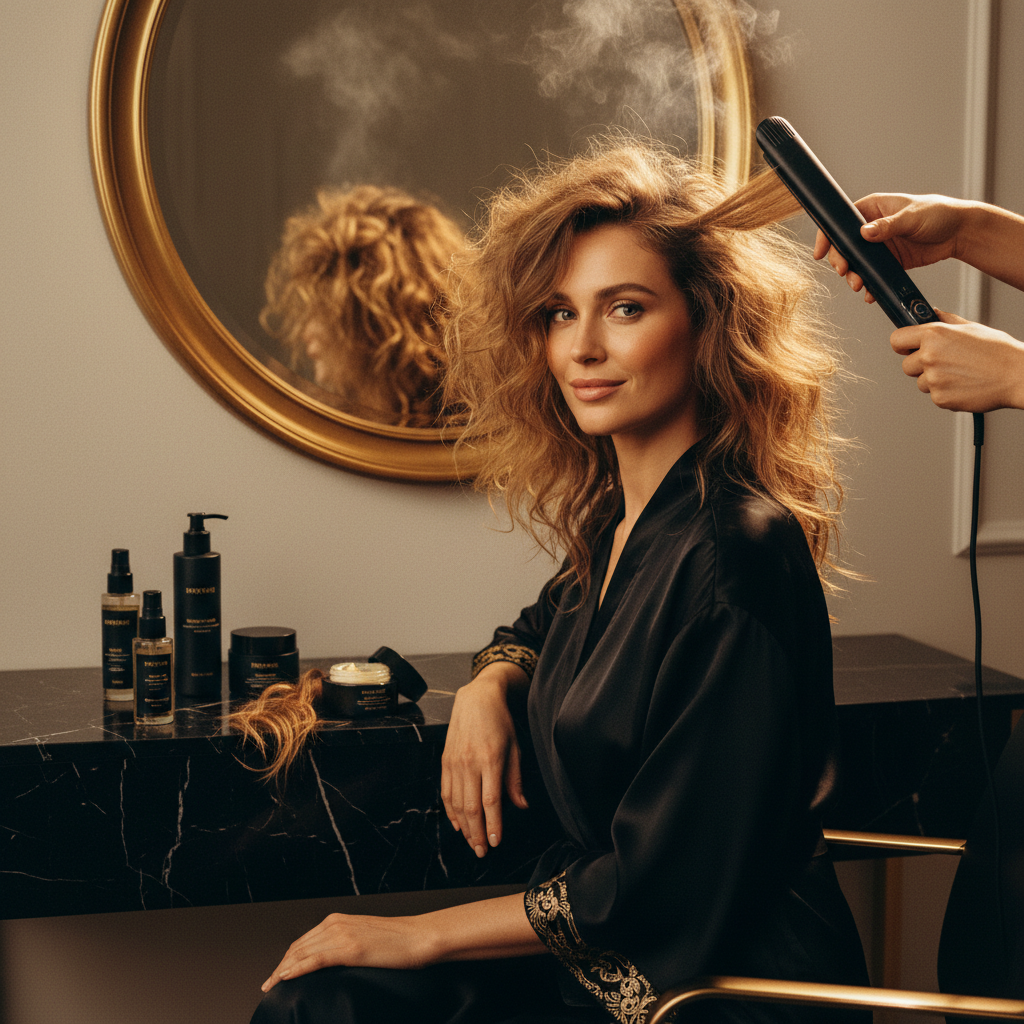
Quick answer: Dealing with Frizzy Hair primarily involves understanding that frizz is a sign of raised hair cuticles, often seeking moisture from the atmosphere, or indicating hair damage. Effective management focuses on hydrating the hair, smoothing the cuticle, and protecting it from environmental humidity. While cosmetic products can significantly reduce its appearance and improve hair health, they do not "cure" frizz, as its underlying causes are often structural and environmental.
Key takeaways
- Frizz occurs when the hair's outer layer, the cuticle, is lifted, causing hair to absorb moisture from the air and appear rough or unruly.
- Humidity, lack of moisture, hair damage (chemical or mechanical), and natural hair type (especially curly hair) are primary contributors to frizz.
- Effective strategies for dealing with frizzy hair focus on deep hydration, gentle cleansing, smoothing the hair cuticle, and protecting the hair from excessive humidity.
- Products containing humectants, emollients, and occlusives can help manage frizz by attracting and sealing in moisture.
- Consulting a professional stylist or trichologist can provide tailored advice for persistent or severe frizz.
Dealing with Frizzy Hair: what the evidence shows
Frizzy hair is a common concern characterised by a rough, disorganised, or flyaway appearance. It occurs when the hair's outermost layer, the cuticle, is not lying flat. When the cuticle scales are raised, the hair fibre can more easily absorb water vapour from the atmosphere, causing it to swell unevenly and disrupt the smooth alignment of the strands. This phenomenon is particularly noticeable in humid conditions.
The Hair's Structure and Frizz Mechanism
Each strand of hair is composed of three main layers: the medulla (the innermost core, not always present), the cortex (the main body of the hair, providing strength and elasticity), and the cuticle (the protective outer layer). The cuticle consists of several layers of overlapping, flattened cells, much like shingles on a roof. When these cells lie smoothly and tightly packed, the hair reflects light well, appearing shiny and feeling smooth. When they are lifted or disrupted, the hair's internal structure, particularly the cortex, becomes more exposed. This allows water molecules from the air to penetrate, leading to swelling and the characteristic frizzy texture.
Why Hair Becomes Frizzy
Several factors contribute to the cuticle lifting and subsequent frizz:
- Humidity: This is arguably the most significant environmental factor. Air with high humidity contains a greater concentration of water molecules. Dry or damaged hair, which has a compromised or lifted cuticle, acts like a sponge, rapidly absorbing this moisture. The uneven swelling of the hair shaft causes the hair to bend and appear frizzy. Research published in the International Journal of Cosmetic Science (2017) highlights the role of humidity in altering hair fibre shape and increasing friction, contributing to frizz.
- Lack of Moisture (Dryness): Hair that is naturally dry or dehydrated will actively seek moisture from its surroundings. This can be due to insufficient natural oil production, inadequate conditioning, or harsh cleansing products that strip natural lipids. Dry hair is more prone to cuticle lifting and therefore more susceptible to environmental humidity.
- Hair Damage: Physical, chemical, and heat-induced damage can all compromise the integrity of the hair cuticle. Chemical treatments like colouring, perming, or straightening can lift or even remove cuticle layers. Excessive heat styling without protection can dry out the hair and damage the cuticle. Mechanical stress from rough brushing, tight hairstyles, or towel-drying can also chip away at the cuticle. Once damaged, the cuticle struggles to lie flat, making the hair perpetually more prone to frizz.
- Hair Type and Texture: Naturally curly, coily, and wavy hair types tend to be more prone to frizz. This is partly due to the elliptical shape of their hair follicles, which leads to an uneven distribution of natural oils along the hair shaft and often a more open cuticle structure. The twists and turns in these hair types also make it harder for natural oils to travel down the strand, potentially leading to increased dryness at the ends. The Journal of the American Academy of Dermatology (2007) notes the unique structural characteristics of curly hair that influence its moisture retention and frizz susceptibility.
- Product Build-up: While less direct, heavy product build-up can create a barrier that prevents moisture from effectively reaching the hair shaft, leading to underlying dryness. When the hair is dry, it becomes more susceptible to frizz. Some products might also contain ingredients that temporarily dry out the hair over time if not properly rinsed.
What You Can Do to Manage Frizz
Managing frizzy hair involves a multi-pronged approach focused on hydration, cuticle smoothing, and protection.
- Hydrate Your Hair Deeply:
- Conditioning: Use a good quality conditioner after every shampoo. Look for ingredients like fatty alcohols (e.g., cetyl alcohol, stearyl alcohol), silicones (e.g., dimethicone, amodimethicone), and natural oils (e.g., argan, jojoba) which help to smooth the cuticle and replenish lost lipids. Conditioners also typically contain cationic surfactants that neutralise the negative charge on hair, reducing static and smoothing the cuticle.
- Deep Conditioning: Incorporate a deep conditioning mask or treatment once or twice a week. These treatments are formulated with higher concentrations of conditioning agents to provide intense moisture and repair, improving elasticity and smoothing the cuticle more effectively than daily conditioners. For very dry or textured hair, consider leaving the mask on for longer, as per product instructions, or using gentle heat to aid penetration.
- Leave-in Conditioners: Apply a leave-in conditioner or cream to damp hair after washing. These provide continuous hydration, detangling benefits, and often form a protective barrier against environmental humidity throughout the day.
- Gentle Cleansing:
- Sulphate-Free Shampoos: Opt for sulphate-free or low-sulphate shampoos. Sulphates are strong detergents that can strip the hair of its natural oils, leading to dryness and increased frizz. Gentle cleansing helps maintain the hair's natural moisture balance.
- Rinsing: Ensure you thoroughly rinse all shampoo and conditioner from your hair to prevent product build-up, which can weigh hair down and make it look dull and potentially drier over time.
- Smooth the Cuticle:
- Cool Water Rinse: A final rinse with cool water can help to temporarily close the hair cuticle, promoting shine and reducing frizz.
- Hair Drying Techniques: Avoid vigorous towel-drying, which can rough up the cuticle. Instead, gently squeeze excess water from your hair with a microfibre towel or an old cotton t-shirt. For curly hair, consider air-drying or using a diffuser on a cool setting with a low airflow. See our guide on How to Reduce Frizz in Hair for more specific techniques.
- Styling Products: Use styling products designed to combat frizz. These often contain film-forming polymers, silicones, and oils that coat the hair, smooth the cuticle, and provide a barrier against humidity. Serums, oils, and styling creams can be particularly effective.
- Protect Your Hair:
- Heat Protection: Always use a heat protectant spray or cream before heat styling. These products create a thermal barrier, minimising moisture loss and cuticle damage from high temperatures. For more information, refer to Heat Styling Safety Best Practices.
- Protective Hairstyles: For long hair, consider wearing protective styles (e.g., braids, buns) when in very humid environments or during activities that might cause mechanical stress.
- Silk Pillowcases: Sleeping on a silk or satin pillowcase can reduce friction between your hair and the fabric, helping to keep the cuticle smooth and prevent tangles that can lead to frizz.
- Understand Hair Porosity:
- Hair porosity refers to your hair's ability to absorb and retain moisture. High porosity hair has a more open cuticle, making it prone to quickly absorbing and losing moisture, leading to frizz. Low porosity hair has a tightly closed cuticle, making it harder for moisture to penetrate but easier to retain once absorbed. Understanding your hair's porosity can help you choose the right products and techniques for optimal moisture management. Refer to Understanding Hair Porosity for more details.
The Role of Specific Ingredients in Dealing with Frizzy Hair
| Ingredient Type | Mechanism of Action | Examples |
|---|---|---|
| Humectants | Attract and draw moisture from the air into the hair. | Glycerin, hyaluronic acid, panthenol, aloe vera, propylene glycol |
| Emollients | Fill in gaps in the cuticle, making the hair feel smoother. | Natural oils (argan, coconut, jojoba), shea butter, fatty acids |
| Occlusives | Form a protective film on the hair to seal in moisture and block humidity. | Silicones (dimethicone, cyclomethicone), mineral oil, petrolatum, waxes |
| Hydrolysed Proteins | Strengthen hair, temporarily fill gaps in damaged cuticles. | Hydrolysed wheat protein, hydrolysed keratin, lupin protein |
Note: In very high humidity, humectants can sometimes draw too much moisture into the hair, potentially increasing frizz in some hair types if not balanced with occlusives.
When the Cause May Be Something Else
While most frizz is cosmetic, persistent or sudden changes in hair texture, including increased frizziness, can sometimes indicate underlying issues. Hormonal changes (e.g., pregnancy, menopause), certain medications, nutritional deficiencies, or specific scalp conditions can affect hair health and texture. If you notice a significant, unexplained change in your hair's frizz levels or overall health, especially accompanied by other symptoms, it's wise to seek professional advice.
When to Get Professional Advice
If you have tried various at-home strategies for dealing with frizzy hair without success, or if your frizz is accompanied by other concerns such as excessive hair shedding, breakage, scalp irritation, or hair loss, consider consulting a trichologist or a dermatologist. They can assess your scalp and hair health, identify any underlying issues, and recommend a personalised treatment plan.
Frequently asked questions about Dealing with Frizzy Hair
What is the fastest way to reduce frizz?
The fastest way to temporarily reduce frizz is often to apply a smoothing serum or oil to dry hair. These products typically contain silicones or lightweight oils that instantly coat the hair shaft, smoothing down the cuticle and adding shine. For long-term management, consistent hydration and gentle care are essential for dealing with frizzy hair.
Can diet affect frizzy hair?
Yes, a balanced diet is crucial for overall hair health. Deficiencies in certain nutrients, particularly omega-3 fatty acids, iron, and B vitamins, can impact hair structure and strength, potentially contributing to dryness and frizz. Ensuring adequate hydration through water intake also supports hair moisture from within. A healthy diet supports healthy hair growth and structure.
Is frizzy hair a sign of damage?
Frizzy hair can indeed be a sign of damage, particularly if it appears suddenly or worsens over time. A damaged hair cuticle, from chemical treatments, heat styling, or mechanical stress, is less able to lie flat and retain moisture, making it prone to frizz. However, natural hair types like curls are also prone to frizz without necessarily being damaged, due to their inherent structure.
How often should I deep condition for frizzy hair?
For most hair types prone to frizz, deep conditioning once a week is a good starting point. If your hair is very dry, damaged, or has high porosity, you might benefit from deep conditioning twice a week. Observe how your hair responds and adjust the frequency accordingly. Over-conditioning can sometimes make fine hair limp, so find a balance that works for you.
Why does my hair get frizzy even after conditioning?
Even after conditioning, hair can become frizzy if the conditioner isn't rich enough, if the hair is excessively dry or damaged, or if it's exposed to high humidity without proper protection. Ensure your conditioner contains sufficient emollients and occlusives to seal the cuticle. Also, consider adding a leave-in conditioner and a humidity-blocking styling product to enhance frizz control, especially for high porosity hair.
Conclusion
Dealing with Frizzy Hair effectively requires a comprehensive approach that prioritises hydration, cuticle health, and protection from environmental stressors. By understanding the underlying mechanisms of frizz and adopting a consistent, gentle haircare routine, you can significantly improve your hair's texture and appearance. Embracing products that smooth the cuticle and seal in moisture will help maintain a sleek, defined look, even in challenging conditions. Remember, consistency is key in managing this common hair concern.
Sources and references
- International Journal of Cosmetic Science, The effect of relative humidity on the physical properties of human hair fibres, 2017. DOI: 10.1111/ics.12384
- Journal of the American Academy of Dermatology, Hair Cosmetics: An Overview, 2007. DOI: 10.1016/j.jaad.2006.11.009
- PubMed, Hair Structure and Properties, Available from: https://pubmed.ncbi.nlm.nih.gov/24718082/
- National Center for Biotechnology Information (NCBI), The Science of Hair Care, 2015. Available from: https://www.ncbi.nlm.nih.gov/pmc/articles/PMC4386283/
- British Association of Dermatologists, Hair and Scalp, Available from: https://www.bad.org.uk/patient-information-leaflets/hair-and-scalp/
Find these ingredients in Watermans products
- Aloe Vera: you will find this ingredient in our Curly Hair Conditioner.