Volumizing Fine Hair: Expert Strategies for Fullness and Lift
13 min read ·
Volumizing Fine Hair involves understanding its unique structure and using targeted products and techniques to create the illusion of fullness and lift from the scalp, though it won't permanently change hair density.
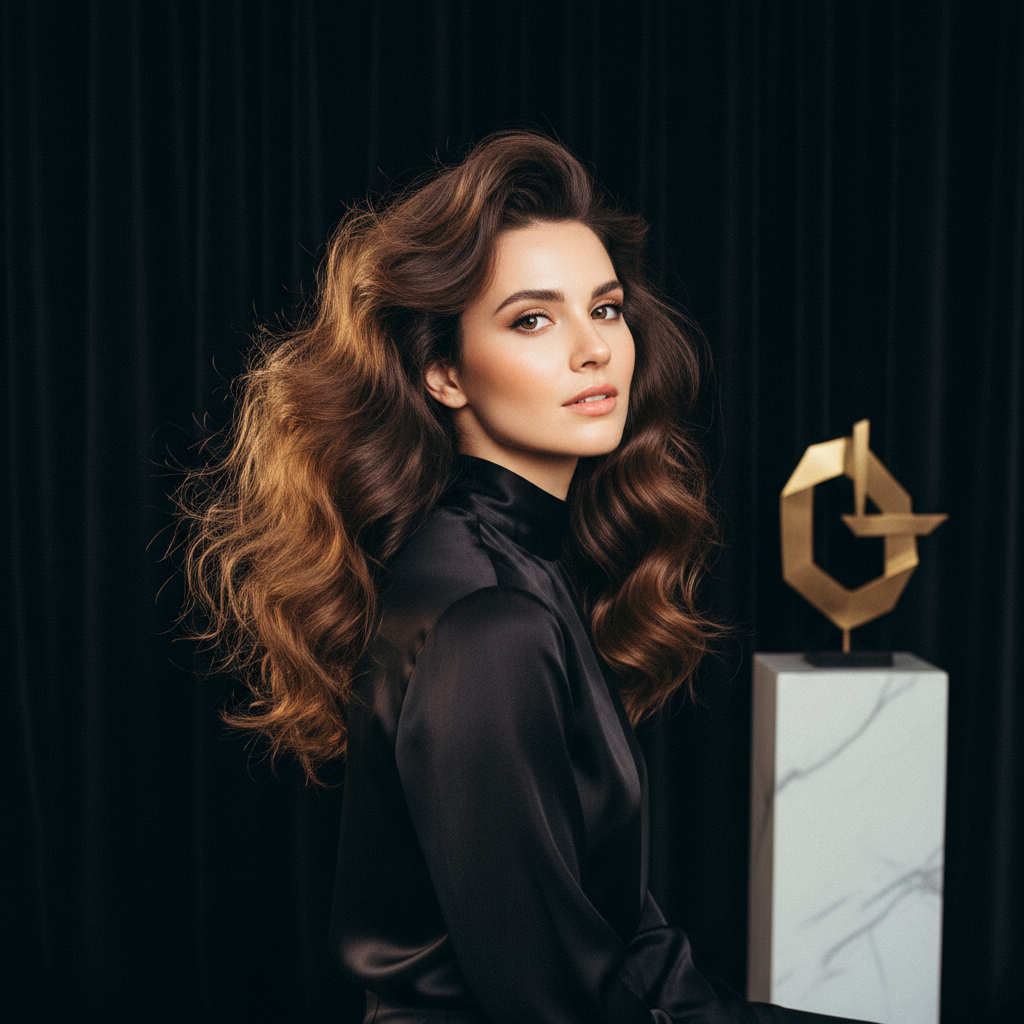
Quick answer: Volumizing Fine Hair focuses on enhancing the perception of fullness and lift at the scalp and along the hair shaft through specific styling methods and product choices. Because fine hair strands are narrower, the goal isn't to increase the number of hairs, but rather to maximise the body and movement of existing hair, counteracting its natural tendency to lie flat. This approach won't increase hair count but can significantly improve its appearance.
Key takeaways
- Fine hair's smaller diameter makes it prone to lying flat, requiring specific techniques to create the illusion of volume.
- Volumizing products work by providing a lightweight structure, absorbing excess oil, or temporarily swelling the hair shaft.
- Effective styling techniques, particularly correct blow-drying and root lifting, are crucial for achieving and maintaining lift.
- A healthy scalp and nutrient-rich diet support overall hair health, which is foundational for maximising fine hair's potential.
- Volumizing Fine Hair is about cosmetic enhancement, not increasing hair count or treating underlying hair loss conditions.
Volumizing Fine Hair: what the evidence shows
Volumizing Fine Hair means strategically enhancing its appearance to look fuller and have more body. Fine hair is characterised by a smaller individual strand diameter, typically less than 60 micrometres (µm), compared to medium (60-80 µm) or coarse hair (over 80 µm). This structural difference means fine hair has less structural rigidity, making it more susceptible to gravity and environmental factors like humidity, which can cause it to flatten easily. The key to volumising is not to change the inherent diameter or number of hair strands, but to use cosmetic methods that create lift, body, and the illusion of greater density.
The perception of volume comes from several factors: the angle at which hair lifts from the scalp, the space between individual hair strands, and the overall silhouette of the hairstyle. Products and techniques designed for Volumizing Fine Hair aim to influence these factors. For instance, some ingredients can temporarily increase the diameter of the hair shaft, while others create friction or a supportive film around the hair, preventing it from collapsing.
What the evidence does not show
It's important to distinguish between volumising fine hair and treating hair loss. Volumizing Fine Hair techniques are cosmetic and do not increase the number of hair follicles or reverse hereditary hair loss (androgenetic alopecia). While a fuller appearance might mask thinning, these methods do not address the biological mechanisms of hair loss or hair shedding. If you are experiencing significant hair thinning or loss, it's crucial to consult a healthcare professional to identify the underlying cause, which could range from nutritional deficiencies to hormonal imbalances or autoimmune conditions.
Cosmetic products cannot permanently alter the natural structure of your hair. Any effects, such as increased shaft diameter or lifted roots, are temporary and last until the next wash or until environmental factors compromise the style. Claims suggesting permanent thickening or hair growth from volumising products should be approached with caution, as controlled research has not found this to be the case for cosmetic formulations.
The mechanism of Volumizing Fine Hair
Achieving the look of Volumizing Fine Hair typically involves one or more of these mechanisms:
- Increased Hair Shaft Diameter: Some ingredients, like certain polymers, plant-based proteins (such as hydrolysed wheat protein or lupin protein), or panthenol (provitamin B5), can penetrate the hair cuticle or form a thin film on its surface. This temporarily swells the hair shaft or adds a layer to it, making each strand feel thicker and more substantial. For more on hair's structure, see "Hair Anatomy: Understanding the Structure and Science of Your Hair".
- Lift at the Root: By physically holding the hair away from the scalp or applying products that create a rigid, weightless structure at the roots, the hair gains lift. This creates the impression of greater volume and prevents the hair from lying flat against the head. Styling techniques like blow-drying with a round brush or using root-lifting sprays work this way.
- Enhanced Friction and Texture: Fine hair tends to be smooth, causing strands to lie closely together. Products like texturising sprays or dry shampoos introduce fine particles or polymers that create a slight roughness or friction between strands. This prevents the hair from clumping, allows it to hold shape better, and contributes to a fuller feel.
- Oil Absorption: Excess sebum can weigh fine hair down, making it appear greasy and flat. Ingredients that absorb oil, such as starches or powders found in dry shampoos, help to refresh the hair, remove the weight of oil, and allow the hair to lift more freely from the scalp. This mechanism is crucial for maintaining volume throughout the day, especially for those with an oily scalp.
Signs that your hair is fine
Understanding if your hair is genuinely fine is the first step towards effective Volumizing Fine Hair strategies. Here are common signs:
- Small Diameter: An individual strand of your hair is very thin, almost invisible against a white background, or feels barely perceptible when rolled between your fingers.
- Prone to Lying Flat: Your hair struggles to hold styles that require lift or body, often falling flat soon after styling.
- Easily Weighed Down: Products, especially heavier conditioners or oils, can quickly make your hair look greasy or lank.
- Quick Drying: Fine hair often dries relatively quickly after washing because there's less mass to hold water.
- Lack of Body/Bounce: Your hair might lack natural springiness or movement, often appearing straight and sleek unless styled.
- Tangling: While not exclusive to fine hair, its delicacy can make it prone to tangling, as strands can easily intertwine.
It's important to note that fine hair is a hair type, not a condition. You can have a high density of fine hair, or a low density. The goal of Volumizing Fine Hair is to make the most of the hair you have.
What you can do to enhance volume
Effectively Volumizing Fine Hair requires a multi-pronged approach, combining appropriate product choices with mindful styling techniques and general hair care practices.
Product selection
Choosing the right products is paramount. Look for formulations specifically labelled "volumising," "lightweight," or "for fine hair." These products are designed to provide support without adding weight.
- Volumising Shampoos and Conditioners: These are typically free from heavy oils and silicones that can weigh hair down. They often contain polymers, proteins like hydrolysed wheat protein, or panthenol that can add body. They cleanse gently to remove build-up that might flatten hair. For guidance, see "Choosing the Right Shampoo: A Comprehensive Guide to Hair Cleansing" and "Choosing the Right Hair Conditioner".
- Root Lifters: These sprays or mousses are applied directly to the scalp area before drying. They contain polymers that create a scaffolding effect at the root, holding the hair away from the head as it dries. This provides targeted, long-lasting lift.
- Volumising Mousses and Foams: Applied to damp hair from root to tip, these products coat the hair strands to provide a structural framework. They create a fuller feel and help to hold the style. Opt for lightweight, non-sticky formulas.
- Texturising Sprays: Used on dry hair, these sprays add grip and texture, making it easier for fine hair to hold a style and appear denser. They often contain fine powders or polymers that absorb oil and create friction between strands. Salt sprays are a common type of texturising spray, but some can be drying if overused.
- Dry Shampoos: Beyond absorbing oil, dry shampoos are excellent for instantly boosting volume at the roots. They lift the hair by removing excess sebum that can cause it to flatten. They are particularly useful for refreshing second or third-day hair.
Styling techniques
How you style your hair significantly impacts the success of Volumizing Fine Hair efforts.
- Strategic Blow-Drying: This is one of the most effective methods. After applying root lifter or mousse, blow-dry your hair upside down, or by lifting sections away from the scalp with a round brush. Directing the airflow to the roots while lifting them creates lasting volume. Focus on drying the roots first. Using a diffuser can also help enhance natural waves or curls in fine hair, adding to the perception of volume.
- Backcombing (Teasing): Gently backcombing small sections of hair at the root creates a cushion of hair that provides lift. Use a fine-tooth comb, taking small horizontal sections at the crown. Be gentle to avoid excessive friction and potential damage. Only backcomb the under-layers to keep the top smooth.
- Velcro or Hot Rollers: After blow-drying, or on completely dry hair, setting sections with large Velcro or hot rollers, particularly at the crown and top layers, can create significant bounce and volume. Allow them to cool completely before removal to set the shape. Place rollers in an upward direction from the root for maximum lift.
- Strategic Haircuts: A skilled stylist can use layering techniques to create the illusion of fullness. Long, heavy fine hair tends to look flatter. Subtle layers around the crown can add movement and lift, while blunt cuts at the ends can make them appear thicker. Discuss with your stylist cuts that add shape and reduce bulk without sacrificing length, if desired.
- Changing Your Part: Simply shifting your hair part from its usual position can instantly lift the roots, as the hair is now trained to lie differently. This offers a quick, temporary volume boost.
Hair care practices
- Scalp Health: A healthy scalp is fundamental for healthy hair growth. Regular, gentle cleansing prevents oil and product build-up from weighing hair down. Consider occasional scalp exfoliation to remove dead skin cells and product residue, as discussed in "Scalp Exfoliation: Uncovering the Evidence for a Healthier Scalp".
- Balanced Diet and Nutrition: Hair growth and health are supported by a diet rich in proteins, vitamins (especially B vitamins like biotin, and vitamin D), and minerals (such as iron and zinc). Deficiencies can impact hair quality. For more information, see our entry on "Zinc".
- Minimise Heat Damage: Excessive heat styling can weaken fine hair, making it more prone to breakage and less able to hold volume. Always use a heat protection spray when using heat tools and opt for the lowest effective temperature. See "Heat Styling Safety Best Practices" and "Heat Styling: Understanding Its Effects and How to Protect Your Hair".
- Avoid Over-brushing: Fine hair can be delicate. Over-brushing, especially when wet, can lead to breakage. Use a wide-tooth comb or a soft-bristled brush, working gently from the ends upwards.
When the cause may be something else
While Volumizing Fine Hair focuses on cosmetic improvements, sometimes a sudden or significant change in hair volume or density can signal an underlying health issue. This is not simply fine hair, but potential hair shedding or hair loss. You should seek professional advice if you notice:
- Sudden Increase in Shedding: Losing significantly more hair than usual, especially if you see handfuls in the shower or on your brush. This could indicate telogen effluvium.
- Visible Thinning or Patchy Loss: Noticing your scalp becoming more visible, a widening part, or distinct patches of hair loss.
- Changes in Hair Texture: Your hair suddenly feels much finer or weaker than before, despite no changes in care routine.
- Associated Symptoms: Hair changes accompanied by fatigue, weight changes, skin issues, or other unexplained health problems.
When to get professional advice
If you are concerned about persistent hair thinning, excessive hair shedding, or visible hair loss, it's important to consult your GP or a dermatologist. They can help diagnose conditions such as androgenetic alopecia (pattern hair loss), telogen effluvium (temporary excessive shedding), alopecia areata (patchy hair loss), or identify other medical causes. Early diagnosis and treatment are often key to managing these conditions effectively. A healthcare professional can also rule out nutritional deficiencies, thyroid issues, or medication side effects that might be impacting your hair.
A Comparison of Volumizing Product Types
| Product Type | Primary Mechanism | Application Method | Ideal For |
|---|---|---|---|
| Volumising Shampoos/Cond | Lightweight cleansing, temporary shaft swelling | Wet hair, cleanse & rinse | Daily use, foundational body without weight |
| Root Lifters | Creates structural support at the root | Damp roots before blow-dry | Targeted lift, fine hair that falls flat |
| Volumising Mousse/Foam | Coats hair strands, adds structural support | Damp hair, root to tip, before drying | All-over body, enhances style hold, flexible |
| Texturising Spray | Adds friction, absorbs oil, creates grip | Dry hair, mid-lengths to ends | Enhancing natural texture, hold for styles |
| Dry Shampoo | Absorbs oil, provides instant root lift | Dry roots, then brush through | Refreshing hair, quick volume boost |
Frequently asked questions about Volumizing Fine Hair
How often should I wash my fine hair to maintain volume?
This depends on your scalp type. If you have an oily scalp, daily or every-other-day washing with a lightweight volumising shampoo can prevent oil from weighing down your hair. For drier scalps, washing every two to three days might be sufficient. Over-washing can strip natural oils, potentially leading to increased oil production, while under-washing can lead to build-up. Listen to your hair and scalp.
Can diet affect Volumizing Fine Hair?
Yes, your diet plays a significant role in overall hair health, which indirectly impacts its ability to appear voluminous. Hair is primarily made of protein, so ensuring adequate protein intake is crucial. Key vitamins and minerals like iron, zinc, and B vitamins (biotin) support healthy hair growth and structure. Deficiencies in these nutrients can lead to weaker, duller hair that struggles to maintain volume. A balanced diet supports the healthiest possible hair.
Are there specific brushes or tools that help Volumizing Fine Hair?
Yes, certain tools can be very effective. A round brush, especially one with natural or mixed bristles, is excellent for lifting roots and creating tension during blow-drying. Velcro rollers can provide significant, heat-free volume after drying. A fine-tooth comb is useful for gentle backcombing at the roots. Avoid heavy, dense brushes that can pull too much on delicate fine hair.
Will colouring my hair help with Volumizing Fine Hair?
Sometimes, yes. Hair dye, especially semi-permanent or permanent colour, can slightly swell the hair shaft and rough up the cuticle layer. This can make individual strands feel thicker and create more friction between them, leading to an immediate perception of increased volume and better style hold. However, this effect is temporary, and repeated colouring can lead to damage over time. Always consider the potential for damage versus the volumising benefit.
Can hair extensions help with Volumizing Fine Hair?
Hair extensions can certainly add the illusion of density and volume by adding more hair strands to your existing hair. However, it's crucial to choose lightweight extensions and have them applied by a professional who understands fine hair. Improperly applied or overly heavy extensions can put excessive strain on delicate fine hair, potentially leading to breakage or traction alopecia. Always prioritise the health of your natural hair.
What ingredients should I look for in volumising products?
Look for ingredients that provide structural support, absorb oil, or temporarily swell the hair shaft without adding weight. Examples include polymers (e.g., PVP, VP/VA Copolymer), plant proteins (e.g., hydrolysed wheat protein, lupin protein), panthenol (provitamin B5), and lightweight humectants. Ingredients like rice starch or silica are common in dry shampoos and texturising sprays. Avoid heavy silicones or rich oils in leave-in products, as these can weigh fine hair down.
Conclusion
Volumizing Fine Hair is an achievable goal through a thoughtful combination of targeted products, intelligent styling techniques, and a commitment to overall hair health. By understanding the unique characteristics of fine hair, such as its delicate diameter and tendency to lie flat, you can select solutions that enhance lift, body, and the illusion of greater density. Remember that cosmetic solutions offer temporary enhancements; for concerns about significant thinning or hair loss, consulting a medical professional is always the recommended first step. With the right approach, Volumizing Fine Hair can transform its appearance, creating a fuller, more dynamic look.
Sources and references
- American Academy of Dermatology Association. "Hair loss: Who gets and causes."
- NHS. "Hair loss."
- British Association of Dermatologists. "Hair Loss."
- Loussouarn, G. (2016). "African Hair: Structure, Properties, and Care." Cosmetic Science and Technology Series, 36, 287-308. (General hair structure information).
- Gavazzoni Dias, M. F. R. (2015). "Hair cosmetics: an overview." International Journal of Trichology, 7(1), 2 to 15. DOI: 10.4103/0974-7753.153493 (Mechanism of cosmetic action, including film formers).
- Robbins, C. R. (2012). Chemical and Physical Behavior of Human Hair. Springer Science & Business Media. (Detailed hair structure and properties).
Find these ingredients in Watermans products
- Zinc: you will find this ingredient in our Hair Vitamins.