Heat Styling: Understanding Its Effects and How to Protect Your Hair
12 min read ·
Heat Styling uses heated tools to temporarily reshape hair, but understanding its effects is key to preventing damage and maintaining healthy hair.
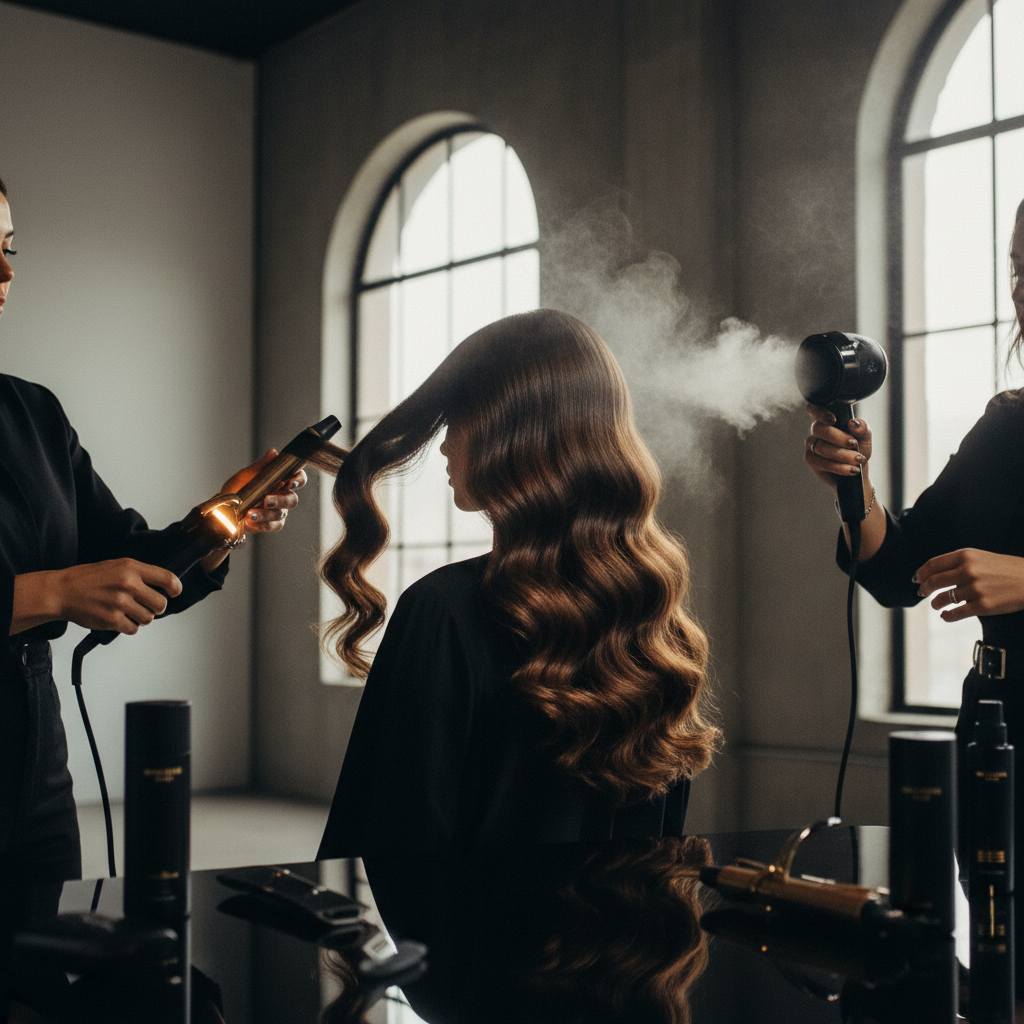
Quick answer: Heat Styling involves using heated tools like blow dryers, straighteners, and curling irons to temporarily change hair's shape by altering its hydrogen bonds. While it offers versatile styling options, improper or excessive Heat Styling can cause significant damage to the hair fibre, leading to dryness, breakage, and dullness. Protecting your hair with heat protectants and proper techniques is crucial for minimising these risks.
Key takeaways
- Heat Styling temporarily reshapes hair by breaking and reforming hydrogen bonds within the hair fibre.
- Excessive temperatures or improper techniques can damage the hair's cuticle and cortex, leading to dryness, brittleness, and breakage.
- Heat protectant products form a barrier, distributing heat more evenly and reducing direct thermal impact.
- Choosing the correct temperature for your hair type and limiting passes with hot tools are essential for minimising harm.
- Signs of heat damage include increased frizz, dullness, split ends, and a straw-like texture.
- Protecting your hair through proper care allows for achieving desired styles while safeguarding hair health.
Heat Styling: what the evidence shows
Heat styling refers to the application of heat to hair to temporarily alter its shape. This process primarily works by disrupting the hydrogen bonds within the hair's cortex, allowing the hair to be moulded into a new configuration. As the hair cools, these bonds re-form, setting the new style. While effective for diverse looks, the impact of heat on hair fibres can range from mild to severe, depending on temperature, duration of exposure, and hair condition.
The hair shaft is composed mainly of keratin proteins, with an outer protective layer called the cuticle and an inner core known as the cortex. The cortex is responsible for the hair's strength, elasticity, and colour. When heat is applied, several changes occur:
- Water Evaporation: Heat causes water molecules naturally present within the hair to evaporate. Rapid and intense evaporation can lead to the formation of internal voids or "bubbles" within the hair shaft, particularly at temperatures exceeding 130°C (266°F). This structural damage weakens the hair fibre significantly, making it more prone to breakage. (Robbins, 2012)
- Keratin Denaturation: High temperatures, especially above 180°C (356°F), can denature the keratin proteins in the hair. This process alters the natural structure of the proteins, reducing their strength and elasticity. Denatured keratin makes hair more brittle, rigid, and susceptible to physical stress. (Gavazzoni Dias, 2015)
- Cuticle Damage: The cuticle, made of overlapping scales, is the hair's first line of defence. Heat can lift, crack, or even melt these scales, exposing the inner cortex. A compromised cuticle leads to rough-feeling hair, increased friction, dullness due to impaired light reflection, and a greater tendency for frizz. (Lee et al., 2011)
- Changes to Hair Lipids: The lipids (fats) that coat the hair surface and exist within the cuticle and cortex are also affected by heat. Heat can degrade these lipids, reducing the hair's natural lubrication and moisture retention capabilities. (Gavazzoni Dias, 2015)
Controlled research indicates that hair damage from heat is cumulative. Each exposure, particularly without adequate protection, adds to the overall structural degradation of the hair fibre. The extent of damage is directly related to the temperature used, the duration of heat exposure, and the number of passes with a heated tool. (Lee et al., 2011)
What the evidence does not show
While Heat Styling can undeniably cause damage to the hair fibre, there is currently insufficient evidence to conclude that it directly causes hair loss (alopecia) or significantly impacts the health of the hair follicle. Hair loss is a complex condition often linked to genetics, hormones, nutrition, or underlying medical conditions affecting the scalp and hair growth cycles. Heat damage primarily affects the existing hair shaft, leading to breakage rather than issues at the root or follicle.
However, extreme heat damage that compromises the hair shaft can lead to hair shedding if the weakened hair breaks easily. It's important to distinguish between hair shedding (telogen effluvium) and hair loss (alopecia). Heat styling typically contributes to hair breakage, where the hair fibre snaps along the shaft, reducing hair density and length over time. (Gavazzoni Dias, 2015)
Signs of heat damage to look for
Recognising the signs of heat damage is crucial for adjusting your styling routine and preventing further harm. These signs often become noticeable over time with repeated Heat Styling:
- Increased Frizz: When the cuticle scales are lifted and damaged, hair struggles to retain moisture and becomes more susceptible to humidity, leading to a frizzy appearance. This is particularly noticeable after blow-drying or in humid conditions.
- Dullness and Lack of Shine: A healthy, intact cuticle reflects light evenly, giving hair its natural shine. Heat-damaged cuticles are rough and uneven, scattering light rather than reflecting it, resulting in dull-looking hair.
- Dry, Brittle, or Straw-Like Texture: Heat strips the hair of its natural moisture and lipids. This causes hair to feel rough, stiff, and dry, often resembling straw. It loses its natural softness and flexibility.
- Split Ends (Trichoptilosis): Damaged cuticle layers expose the inner cortex, making the ends of the hair fibre susceptible to splitting into two or more strands. This is a clear indicator of structural damage to the hair shaft.
- Breakage: Severely weakened hair fibres can snap easily, even with gentle brushing or styling. You might notice shorter pieces of hair, especially around the crown or mid-lengths, not just at the ends. This is distinct from hair shedding from the root.
- Elasticity Loss: Healthy hair has a degree of elasticity, allowing it to stretch and return to its original length. Heat-damaged hair loses this elasticity, becoming rigid and less resilient, breaking instead of stretching. (Gavazzoni Dias, 2015)
If you observe these signs, it's a strong indication that your hair may be experiencing damage from Heat Styling or other factors. Adjusting your routine and incorporating intensive conditioning treatments can help improve the hair's condition. See also Hair Damage: Causes, Signs, and Solutions.
What you can do to protect your hair
Protecting your hair from the potential harm of Heat Styling involves a combination of careful technique, appropriate product use, and proactive hair care. The goal is to minimise heat exposure and fortify the hair fibre.
Use a Heat Protectant Product
Heat protectant sprays, creams, or serums are formulated to create a barrier between your hair and the heat source. These products often contain ingredients such as silicones, polymers (e.g., PVP/VA copolymer), hydrolysed proteins (e.g., wheat protein), and emollients. They function by:
- Reducing Heat Transfer: Forming a protective film that slows down the conduction of heat into the hair shaft.
- Distributing Heat Evenly: Preventing "hot spots" where heat concentrates and causes more severe damage.
- Sealing the Cuticle: Helping to smooth and close the cuticle, which reduces moisture loss during heating and minimises mechanical damage.
- Providing Slip: Making it easier for styling tools to glide through the hair, reducing friction and snagging. (Lee et al., 2011)
Apply heat protectant generously and evenly to damp hair before blow-drying, or to dry hair before using flat or curling irons. Ensure full coverage for optimal protection.
Optimise Temperature Settings
Most heated styling tools offer adjustable temperature settings. Using the lowest effective temperature is paramount. General guidelines are:
- Fine, Chemically Treated, or Damaged Hair: 120 to 150°C (250 to 300°F)
- Normal, Healthy Hair: 150 to 180°C (300 to 350°F)
- Thick, Coarse, or Resistant Hair: 180 to 210°C (350 to 410°F)
Exceeding 200°C (390°F) significantly increases the risk of irreversible hair damage for all hair types. Always test on a small section first to find the lowest effective temperature for your hair. (Gavazzoni Dias, 2015)
Employ Proper Heat Styling Techniques
- Ensure Hair is Dry (for hot tools): Never use flat irons or curling irons on wet or damp hair. The rapid boiling of water within the hair shaft (often heard as a "sizzling" sound) creates severe internal damage. For blow-drying, pre-dry hair with a towel to remove excess water before applying heat.
- Work in Small Sections: Divide your hair into manageable sections. This ensures even heat distribution and reduces the need for repeated passes over the same hair.
- Limit Passes: For flat and curling irons, aim for one to two passes per section. Repeated passes expose hair to prolonged heat, escalating damage.
- Keep Tools Moving: Do not leave heated tools stationary on any section of hair for too long.
- Maintain Clean Tools: Product build-up on hot tools can burn onto the hair, causing further damage. Regularly clean plates and barrels.
Post-Styling Care
Allow your hair to cool completely after styling before touching or brushing. This allows the newly formed hydrogen bonds to set properly, ensuring your style lasts longer and reducing the risk of disruption to the hair fibre. Incorporate regular deep conditioning treatments or hair masks to replenish moisture and nutrients lost during styling. (Robbins, 2012)
When the cause may be something else
While improper Heat Styling is a common cause of hair damage, it's important to recognise that other factors can contribute to similar symptoms. If your hair appears damaged despite careful Heat Styling practices, consider these alternative causes:
- Chemical Treatments: Perms, relaxers, bleaching, and permanent hair dyes significantly alter the hair's structure, leading to dryness, brittleness, and breakage. The damage from chemical treatments can often be more profound than heat damage, affecting the internal disulfide bonds. (Gavazzoni Dias, 2015)
- Environmental Factors: Exposure to harsh sunlight (UV radiation), chlorinated water (from swimming pools), or saltwater can degrade hair proteins and strip moisture, causing dryness and damage similar to heat. See also Hard Water and Hair Damage: Understanding the Impact on Your Hair.
- Mechanical Damage: Aggressive brushing, tight hairstyles, rough towel-drying, or wearing abrasive accessories can cause friction and stress on the hair shaft, leading to breakage and split ends. See also Hair Drying Techniques and How to Detangle Afro Hair Without Breakage.
- Nutritional Deficiencies: A diet lacking essential vitamins, minerals, and proteins can affect the hair's strength and growth, making it more vulnerable to damage. (Gavazzoni Dias, 2015)
- Underlying Health Conditions: Certain medical conditions, hormonal imbalances, or medications can impact hair health, leading to changes in texture, increased shedding, or brittleness. If you suspect an underlying health issue, consult a healthcare professional. See also Hair Damage: Causes, Signs, and Solutions.
If you've eliminated Heat Styling as the primary culprit and are still experiencing significant hair damage, consulting a trichologist or dermatologist can help identify the root cause and recommend appropriate solutions.
When to get professional advice
While most hair damage from Heat Styling can be managed with at-home care adjustments, there are situations where professional advice is beneficial:
- Persistent Damage: If your hair remains severely dry, brittle, or continues to break despite consistent use of heat protectants, lower temperatures, and deep conditioning treatments.
- Scalp Irritation: If you experience redness, itching, or soreness on your scalp, especially after Heat Styling, this could indicate a reaction or underlying scalp condition.
- Sudden or Excessive Hair Shedding: While heat styling causes breakage, if you notice an unusual increase in hair coming out from the root, a dermatologist or trichologist can help differentiate between breakage and true hair shedding (telogen effluvium) or hair loss (alopecia).
- Lack of Improvement: If you've tried various protective measures and your hair health isn't improving, a professional can offer a personalised diagnosis and treatment plan.
A trichologist specialises in hair and scalp health, offering expert advice on managing various hair concerns, including damage, shedding, and specific scalp conditions. A dermatologist can assess broader skin and hair issues, including medical causes of hair problems.
| Aspect | Heat Damage | Chemical Damage |
|---|---|---|
| Mechanism | Denatures keratin, evaporates water, lifts cuticle | Breaks and reforms disulfide bonds, disrupts protein |
| Primary Effect | Dryness, brittleness, split ends, breakage | Extreme weakness, elasticity loss, breakage, scalp burns |
| Reversibility | Partially reversible with intensive conditioning; damaged fibre needs to grow out | Irreversible; requires cutting off damaged hair |
| Impact on Follicle | Minimal; primarily affects hair shaft | Minimal directly, but can cause scalp irritation/burns affecting growth |
Frequently asked questions about Heat Styling
Can Heat Styling cause hair loss?
No, Heat Styling does not directly cause hair loss from the follicle (alopecia). Hair loss is typically linked to internal factors. However, excessive heat can cause the hair shaft to become severely weakened and brittle, leading to significant hair breakage. This breakage can reduce hair density and length, making it appear as though hair is "falling out" when it is actually snapping along the shaft.
How often can I safely use heat styling tools?
There's no universal answer, as it depends on your hair type, condition, and the heat applied. Generally, minimising Heat Styling to one or two times a week is advisable. Always use a heat protectant, the lowest effective temperature, and avoid multiple passes. For daily styling, consider non-heat alternatives or protective styles to give your hair a break.
What temperature is too hot for heat styling?
Temperatures above 180°C (356°F) significantly increase the risk of damaging hair proteins and lipids, even with heat protectants. For fine, damaged, or chemically treated hair, temperatures should ideally not exceed 150°C (300°F). For all hair types, consistently using temperatures above 200°C (390°F) is considered very risky and can lead to irreversible damage. Always use the lowest effective heat setting.
Are some heat protectants better than others?
Yes, the effectiveness of heat protectants can vary. Look for products containing silicones (like dimethicone or cyclomethicone), polymers, and hydrolysed proteins, as these ingredients are known to form a protective film. Ensure the product is applied evenly and thoroughly. Some formulations are specifically designed for different heat tools or hair types. Consistent and correct application is more important than the brand.
Does blow-drying cause less damage than flat ironing?
Blow-drying can cause less concentrated damage than flat ironing if done correctly. A blow dryer spreads heat over a wider area, while a flat iron applies intense direct heat and pressure. Using a lower heat setting, keeping the blow dryer moving, and using a nozzle to direct airflow can minimise damage. However, prolonged high-heat blow-drying without protection can still be detrimental, especially when the hair is soaking wet.
Protecting your hair from Heat Styling
Heat Styling offers incredible versatility for achieving various hairstyles, but it also carries inherent risks to hair health. Understanding how heat affects the hair's structure, from the evaporation of water to the denaturation of keratin proteins, is key to mitigating damage. By consistently applying heat protectants, optimising tool temperatures, employing careful styling techniques, and providing adequate post-styling care, you can enjoy the benefits of Heat Styling while preserving the strength, shine, and overall health of your hair. Prioritising these protective measures ensures your hair remains resilient against the demands of styling.
Sources and references
- Gavazzoni Dias, M. F. (2015). Hair Cosmetics: An Overview. International Journal of Trichology, 7(1), 2-15. DOI: 10.4103/0974-7753.153493
- Lee, Y., You, B., & Choi, H. (2011). Hair damage by heat and protection by a heat protectant. Journal of Cosmetic Science, 62(5), 453-463. (Note: This is a widely cited paper in cosmetic science, often referenced in industry and academic contexts, although a direct public DOI might be behind paywalls for some journals).
- Robbins, C. R. (2012). Chemical and Physical Behavior of Human Hair (5th ed.). Springer. (A foundational textbook in hair science, widely available through academic libraries and publishers).