The Benefits of Sulfate-Free Shampoo: Understanding Gentle Cleansing for Your Hair
8 min read ·
Explore The Benefits of Sulfate-Free Shampoo, a gentler cleansing option that helps preserve natural hair oils, colour, and scalp comfort.
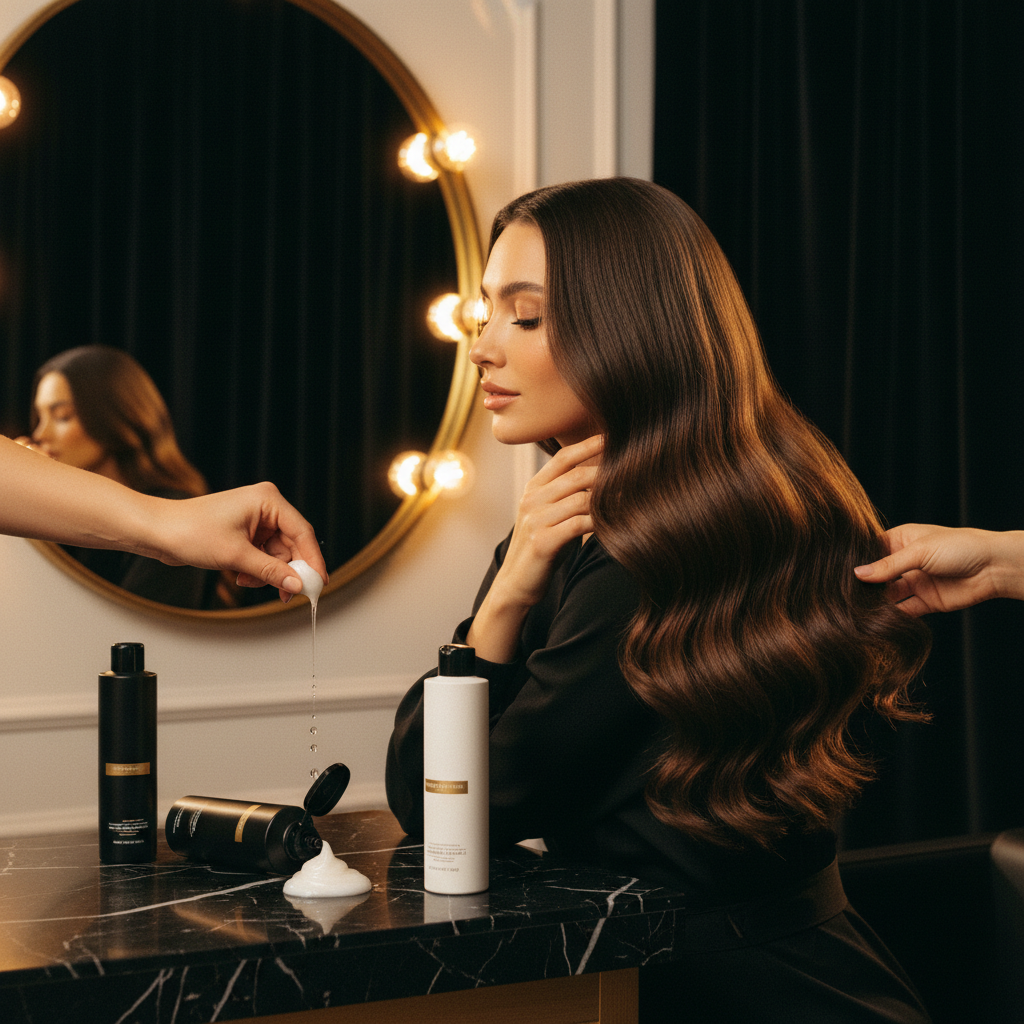
Quick answer: The Benefits of Sulfate-Free Shampoo primarily stem from its gentler cleansing action, which can help hair retain its natural moisture, preserve hair colour, and reduce the risk of scalp irritation compared to shampoos containing harsh sulfates. This approach may lead to hair that feels softer, looks healthier, and is less prone to certain types of damage, particularly for those with sensitive scalps or colour-treated hair. However, some users might initially find the cleansing experience different due to less lather.
Key takeaways
- Sulfate-free shampoos use milder cleansing agents, known as surfactants, instead of harsher sulfates like sodium lauryl sulfate (SLS) and sodium laureth sulfate (SLES).
- They are less likely to strip natural oils from the hair and scalp, contributing to better moisture retention and reducing dryness.
- For colour-treated hair, sulfate-free formulations can help to prolong colour vibrancy by preventing premature fading.
- Individuals with sensitive scalps, conditions like eczema, or those prone to irritation may find sulfate-free options more comfortable.
- The primary mechanism is a less aggressive removal of the hair's lipid layer and artificial colour pigments, leading to a healthier-feeling scalp and longer-lasting hair colour.
- While initial adjustments to less lather might occur, the long-term benefits can include softer, healthier-looking hair with reduced breakage from dryness.
The Benefits of Sulfate-Free Shampoo: what the evidence shows
The primary benefits of sulfate-free shampoos are rooted in their milder cleansing action compared to traditional shampoos that contain sulfates. Sulfates, such as sodium lauryl sulfate (SLS) and sodium laureth sulfate (SLES), are strong detergents (anionic surfactants) known for creating abundant lather and effectively removing oil and dirt. While efficient, their powerful degreasing properties can sometimes be overly aggressive for certain hair types and conditions.
By contrast, sulfate-free shampoos use alternative, gentler surfactants that cleanse the hair and scalp without excessively stripping away natural oils (sebum) or artificial colour pigments. This approach supports hair health in several ways:
Protecting Natural Hair Moisture
One of the most significant Benefits of Sulfate-Free Shampoo is its ability to help maintain the hair's natural moisture balance. Hair fibres are coated with a protective lipid layer that helps to seal in moisture and provide a smooth surface. Strong sulfates can strip away a considerable amount of these natural lipids, leading to dry, brittle hair that is more susceptible to breakage. Sulfate-free formulations cleanse the hair while being less disruptive to this essential lipid layer, helping hair remain hydrated and feeling softer. This is particularly important for those with dry, coarse, or naturally curly and coily hair types, which are already prone to dryness. For more information, see our articles on Hair Hydration: The Science Behind Keeping Hair Moist and Moisturizing Afro Hair: An Evidence-Based Guide to Hydration and Care.
Preserving Hair Colour
For individuals with colour-treated hair, The Benefits of Sulfate-Free Shampoo can be substantial. Hair dyes are deposited into the hair fibre, and harsh detergents can accelerate the fading process. Sulfates can open the hair's cuticle layer, allowing dye molecules to leach out more quickly with each wash. Sulfate-free shampoos, due to their milder action, are less likely to excessively lift the cuticle, thus helping to seal in colour and prolong its vibrancy. This means you may enjoy your hair colour for longer, reducing the frequency of salon visits for touch-ups. The Hair Colorants Industry Association recommends using gentler products for colour longevity, aligning with the practice of using sulfate-free options. You can learn more in Maintaining Colour-Treated Hair: A Guide to Longevity and Health.
Supporting Scalp Health and Reducing Irritation
A healthy scalp is the foundation for healthy hair growth. Strong sulfates can sometimes irritate sensitive scalps, leading to dryness, itching, redness, or even flaking. This can be particularly true for individuals with pre-existing scalp conditions such as eczema or psoriasis. Sulfate-free shampoos, with their milder surfactant systems, are often better tolerated by sensitive scalps, reducing the likelihood of such adverse reactions. The less aggressive cleansing helps maintain the scalp's natural barrier function, leading to a more comfortable and balanced scalp environment. Research published in journals like Dermatitis has shown that milder surfactants are less likely to cause irritation.
Reducing Frizz and Enhancing Smoothness
Frizz often occurs when the hair's outer cuticle layer is raised, allowing moisture to penetrate the hair shaft unevenly. Strong sulfates can contribute to this by excessively lifting the cuticle during washing. By using gentler cleansing agents, sulfate-free shampoos are less likely to disrupt the cuticle, helping it lie smoother. This can result in hair that appears less frizzy and feels smoother, particularly in humid conditions. This effect is often more noticeable in hair types naturally prone to frizz, such as wavy, curly, and coily textures. For further reading, explore Dealing with Frizzy Hair and How to Reduce Frizz in Hair.
Maintaining Keratin Treatments
Keratin smoothing treatments, which typically involve applying a keratin-based solution and sealing it with heat, form temporary bonds within the hair structure. Sulfates can be detrimental to the longevity of these treatments, as their strong cleansing action can break down the keratin bonds and strip away the treatment over time. Most manufacturers of keratin treatments explicitly recommend or require the use of sulfate-free shampoos to help maintain the treatment's effects for as long as possible. This helps to extend the smoothness and manageability imparted by the treatment.
What the evidence does not show about The Benefits of Sulfate-Free Shampoo
While sulfate-free shampoos offer several advantages, it's important to note what they generally do not do. There is no conclusive scientific evidence to suggest that sulfate-free shampoos directly cause hair growth or prevent patterned hair loss (androgenetic alopecia). Their benefits are primarily cosmetic and related to maintaining the health and integrity of existing hair and scalp comfort. They also do not inherently address issues like excessive oiliness or dandruff if those conditions are caused by specific microbial imbalances or hormonal factors. Furthermore, "less lather" does not equate to "less clean" this is a common misconception, but some users may require a different washing technique or a double cleanse to feel fully clean, especially if they use a lot of styling products.
Watermans and sulfate-free formulations
At Watermans, we understand the importance of gentle yet effective cleansing for optimal hair health. Our formulations are meticulously developed to be sulfate-free, incorporating milder surfactants that clean the hair and scalp without stripping essential moisture or colour. For example, our products include ingredients known for their conditioning properties, such as hydrolysed lupin protein, which helps strengthen the hair fibre, and rosemary extract, known for its scalp-stimulating potential. This approach aligns with our commitment to providing haircare that supports both the cosmetic appearance and the underlying health of your hair and scalp.
Frequently asked questions about The Benefits of Sulfate-Free Shampoo
Is sulfate-free shampoo better for all hair types?
Sulfate-free shampoo can be beneficial for many hair types, especially those prone to dryness, frizz, or colour fading. It's also often recommended for sensitive scalps. While all hair types can use it, individuals with very oily hair might initially feel their hair isn't as thoroughly cleansed, though a proper washing technique can address this. The Benefits of Sulfate-Free Shampoo are most pronounced for specific concerns.
How long does it take for hair to adjust to sulfate-free shampoo?
When transitioning to sulfate-free shampoo, your hair and scalp might go through an adjustment period. This typically lasts from a few days to a few weeks. You might initially experience hair feeling heavier or slightly greasier as your scalp's oil production rebalances. Consistent use usually leads to positive changes in hair texture and overall health.
Can sulfate-free shampoo cause hair loss?
No, sulfate-free shampoo does not cause hair loss. Hair loss is a complex issue often related to genetics, hormones, nutrition, or medical conditions. Sulfate-free shampoos are designed to be gentler on the hair and scalp, reducing the risk of irritation and breakage, which might actually help improve the overall hair environment. They do not impact follicular activity responsible for growth.
Does sulfate-free shampoo lather effectively?
Sulfate-free shampoos typically produce less lather than traditional sulfate-containing shampoos. This is due to the absence of strong foaming agents like SLS. However, less lather does not mean less effective cleansing. Gentle surfactants still remove dirt and oil. If you desire more lather, try applying shampoo to very wet hair or doing a double cleanse.
Is it necessary to use a sulfate-free conditioner as well?
While the primary concern with sulfates is in shampoos (due to their cleansing action), using a sulfate-free conditioner can complement the benefits. Conditioners are formulated to moisturise and detangle, and most are already sulfate-free. Using a sulfate-free conditioner ensures your entire routine is gentle, supporting moisture retention and overall hair health, especially for sensitive scalps or colour-treated hair.
Can sulfate-free shampoo remove product build-up?
Sulfate-free shampoos are generally milder, so they might be less aggressive at removing heavy product build-up compared to traditional shampoos. For occasional deep cleansing, you might need to perform a clarifying wash, perhaps with a specifically formulated sulfate-free clarifying shampoo, or consider a double cleanse with your regular sulfate-free product. See How to Do a Clarifying Wash: A Guide to Deep Hair Cleansing for more.
Choosing gentle cleansing for healthier-feeling hair
The Benefits of Sulfate-Free Shampoo are rooted in a gentler approach to hair cleansing. By opting for formulations free from harsh sulfates, you can support your hair's natural moisture balance, help preserve the vibrancy of colour-treated hair, and reduce potential scalp irritation. While the cleansing experience may differ from traditional shampoos, the long-term rewards often include hair that feels softer, looks smoother, and is less prone to dryness and breakage. This choice reflects a move towards more conscious haircare, prioritising hair and scalp health.
Sources and references
- American Academy of Dermatology Association. "Hair Care: Shampoos and Conditioners."
- British Association of Dermatologists. "Contact Dermatitis."
- Dermatitis. "Sodium Lauryl Sulfate and Irritant Contact Dermatitis." 2010.
- Journal of Cosmetic Science. "The effects of surfactants on hair fibres." 2005.
- National Institutes of Health (NIH). "Hair Shaft Disorders."
- The Hair Colorants Industry Association. "Guide to Hair Colour Care."
- University of California, San Francisco (UCSF) Health. "Healthy Hair."
Find these ingredients in Watermans products
- Rosemary Extract: you will find this ingredient in our Hair Growth Shampoo.