Hair Colour Care
2 min read ·
Proper hair colour care involves understanding the science of hair colour, using appropriate products, and implementing practices that protect the vibrancy and health of coloured hair.
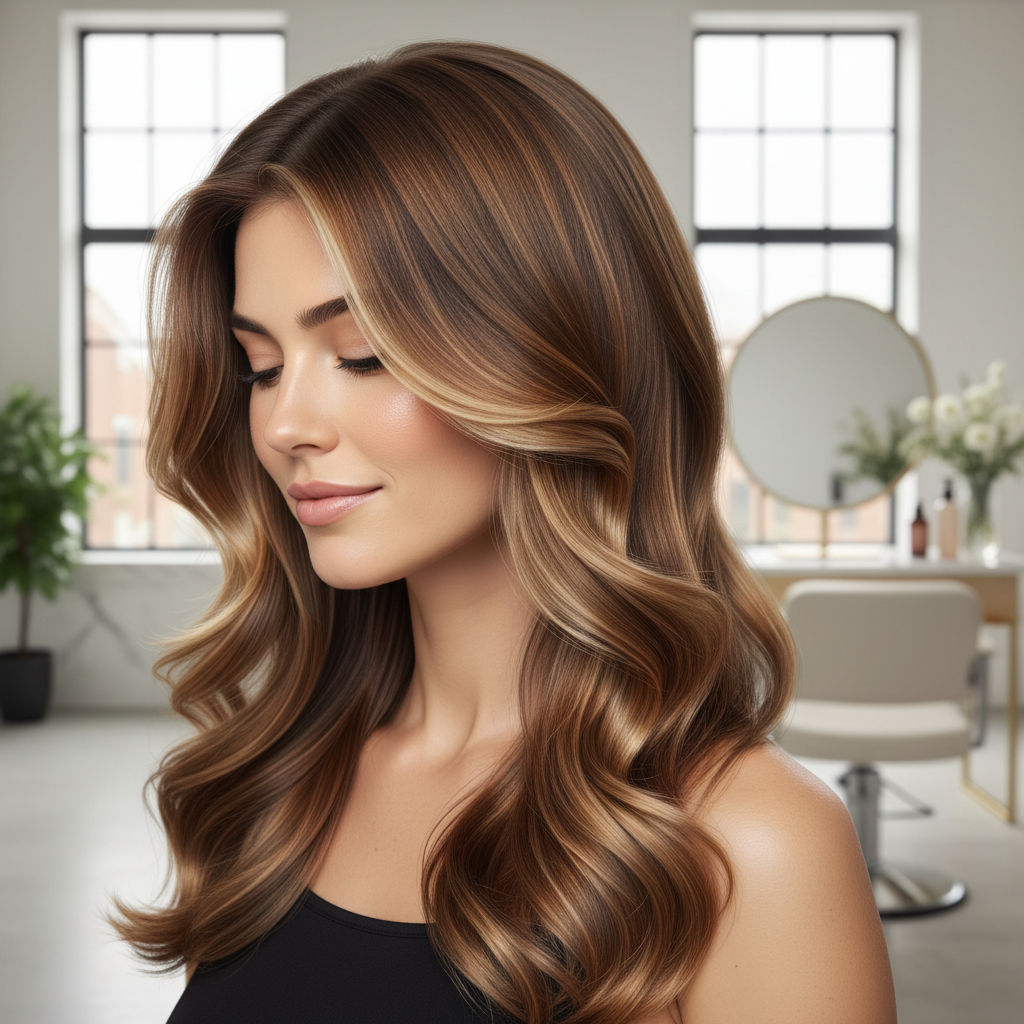
Hair colouring is a chemical process that alters the natural pigment of the hair, introducing new colours or enhancing existing ones. This process can range from subtle changes to dramatic transformations, all of which require specific care to maintain the vibrancy, integrity, and health of the hair.
The Science of Hair Coloring
Hair is primarily composed of a protein called keratin. The natural colour of hair is determined by melanin, a pigment produced by melanocytes in the hair follicles. There are two main types of melanin: eumelanin (responsible for black and brown pigments) and pheomelanin (responsible for red and yellow pigments).
When hair is coloured, chemical formulas penetrate the hair shaft to either deposit new pigment or remove existing pigment. Permanent hair dyes, which are the most common, use an alkaline agent (like ammonia) to raise the hair's cuticle, allowing peroxide to penetrate the cortex and oxidize natural melanin. This oxidation lightens the natural hair colour, making way for new dye molecules to be deposited. The cuticle is then resealed, trapping the new colour inside.
This chemical process, while transformative, can leave the hair cuticle partially raised or compromised, making it more susceptible to damage and colour fade. The porosity of the hair increases, leading to a faster loss of artificial pigment.
Protecting Your Colour Investment
Maintaining coloured hair requires a multi-faceted approach focused on minimizing damage, sealing the cuticle, and protecting against environmental aggressors.
Use Colour-Safe Products
Shampoos, conditioners, and styling products specifically formulated for colour-treated hair are crucial. These products are generally sulfate-free, as sulfates (common cleansing agents) can strip colour from the hair. They often contain ingredients designed to:
- Gently cleanse: Without aggressively removing dye molecules.
- Condition and strengthen: To repair damage and reinforce the hair shaft.
- Seal the cuticle: To lock in colour and improve shine.
- Provide UV protection: To shield against sun-induced fading.
Watch Water Temperature
Washing hair with hot water can cause the hair's cuticle to open, allowing colour molecules to escape more easily. Cooler water helps to keep the cuticle closed, preserving the colour. Lukewarm water is ideal for shampooing, followed by a cool rinse for conditioning.
Limit Washing Frequency
Frequent washing can accelerate colour fade. Consider washing your hair every two to three days, or even less frequently if possible. Dry shampoos can be an excellent interim solution to refresh hair and absorb excess oil without water.
Condition Regularly
Colour-treated hair often requires extra moisture and nourishment. Regular conditioning, especially with a [deep conditioner](https://watermanshair.com/products/masque-me-luxurious-hair-mask) or hair mask once or twice a week, can replenish lost moisture, repair damage, and keep hair soft and pliable. Look for products that specifically state