Scalp Care Techniques: Your Guide to a Healthy Scalp Environment
9 min read ·
Scalp Care Techniques encompass a range of practices from cleansing to conditioning, designed to maintain the health of the scalp and support optimal hair growth by addressing specific concerns like dryness, oiliness, or irritation.
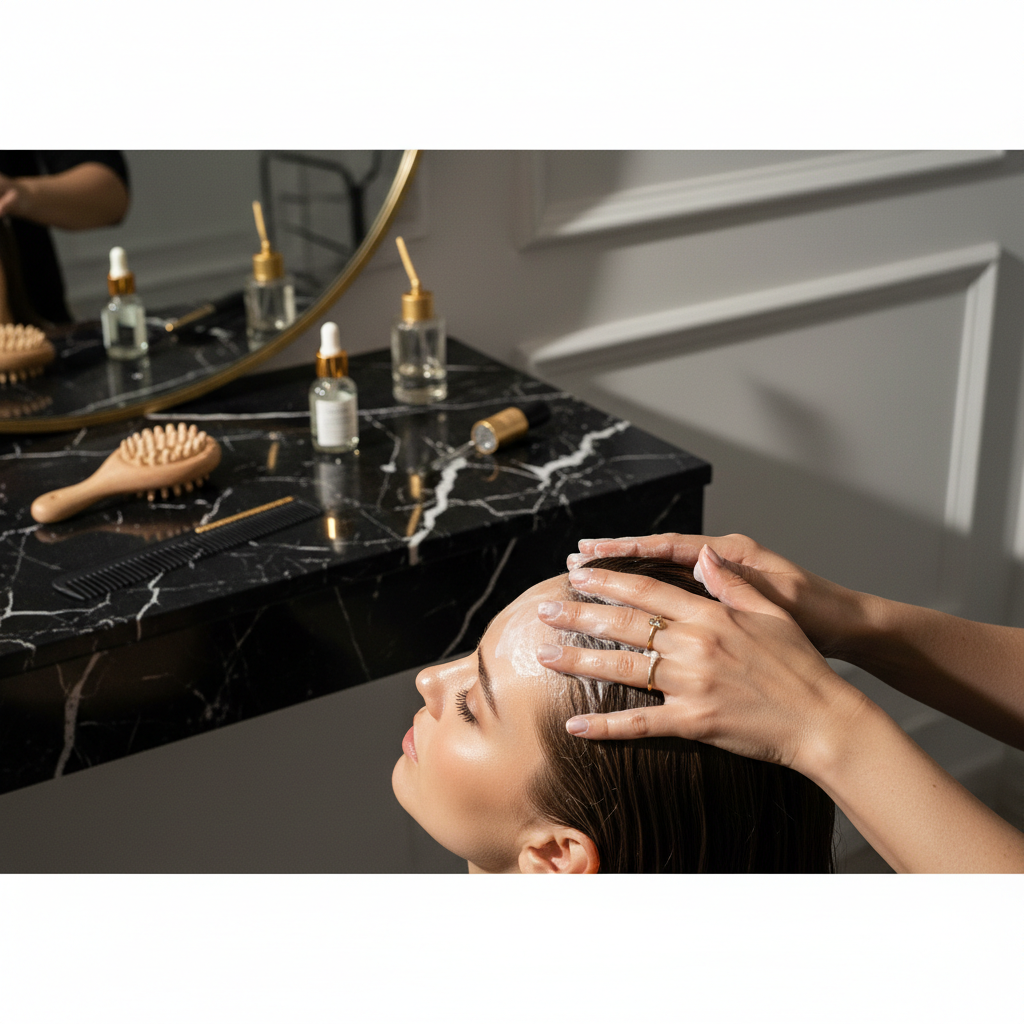
Quick answer: Scalp Care Techniques are the methods and practices used to maintain the health of the scalp, a critical foundation for thriving hair. These techniques, including appropriate cleansing, moisturising, gentle exfoliation, and massage, aim to balance the scalp's environment, prevent common issues like dryness or excessive oiliness, and support healthy hair growth. However, it's important to note that cosmetic Scalp Care Techniques primarily address cosmetic concerns and cannot treat underlying medical conditions or causes of hair loss without specific medical ingredients or intervention.
Key takeaways
- Your scalp is skin and requires specific, evidence-based care to remain healthy.
- Effective Scalp Care Techniques balance cleansing, moisturising, and stimulation to support the scalp's natural functions.
- Maintaining the scalp's acid mantle (pH 4.5 to 5.5) is crucial for protection against microbes.
- Scalp massage can boost circulation to hair follicles, potentially supporting the hair growth cycle.
- Addressing lifestyle factors like hydration, nutrition, and stress is as important as topical care.
- Always differentiate between cosmetic concerns and medical conditions; consult a healthcare professional for persistent issues.
Scalp Care Techniques: what the evidence shows
Scalp Care Techniques focus on creating an optimal environment for hair follicles, which are embedded within the scalp. A healthy scalp is free from excessive dryness, oiliness, irritation, and inflammation, providing the ideal conditions for hair to grow. These techniques aim to cleanse, protect, and nourish the scalp, supporting its barrier function and microcirculation.
Cleansing: The Foundation of Scalp Health
Proper cleansing removes sebum, dead skin cells, product build-up, and environmental pollutants that can accumulate on the scalp. This accumulation can lead to follicular occlusion, inflammation, and an imbalance in the scalp's microbiome, which can disrupt hair growth and lead to discomfort.
- Shampooing: The frequency of shampooing should be tailored to individual scalp type and activity levels. For instance, those with an oily scalp may benefit from washing daily or every other day to manage excess sebum, while individuals with a dry or sensitive scalp might find washing two to three times a week sufficient. Use fingertips, not fingernails, to gently massage shampoo into the scalp, stimulating circulation without causing micro-abrasions. Thorough rinsing is essential to prevent residue build-up. For more on selecting the right cleanser, see Choosing the Right Shampoo: A Comprehensive Guide to Hair Cleansing.
- Co-washing (Conditioner-Only Washing): This method involves using a cleansing conditioner instead of traditional shampoo. It is particularly beneficial for individuals with curly, coily, or very dry hair types, which can be prone to dryness and frizz if shampooed too frequently. Co-washing helps to gently cleanse while preserving the hair and scalp's natural moisture. See Caring for Curly Hair for more information.
- Clarifying Washes: Periodically, a clarifying wash can be beneficial to remove stubborn product build-up that regular shampoo might miss. This can help to "reset" the scalp, ensuring follicles are clear. Learn more in How to Do a Clarifying Wash: A Guide to Deep Hair Cleansing.
Exfoliation: Promoting Scalp Renewal
Scalp exfoliation involves the removal of dead skin cells and build-up, which can improve scalp microcirculation and prepare the scalp to better absorb topical treatments. However, over-exfoliation can cause irritation, so moderation is key.
- Physical Exfoliants: These include scrubs with fine particles designed to gently buff away dead skin. They should be used sparingly, typically no more than once a week, and with light pressure.
- Chemical Exfoliants: Ingredients like salicylic acid (a beta-hydroxy acid, BHA) can penetrate oil and exfoliate within the follicle, while alpha-hydroxy acids (AHAs) like glycolic acid work on the surface. These are often found in scalp treatments or specialised shampoos. Evidence supports the use of salicylic acid for managing conditions like dandruff by helping to shed scales. For a deeper dive, read Scalp Exfoliation: Uncovering the Evidence for a Healthier Scalp.
Moisturising and Conditioning: Balancing Scalp Hydration
Just like the skin on your face, the scalp benefits from hydration to maintain its barrier function and elasticity. Dryness can lead to itching, flaking, and discomfort.
- Conditioners: While primarily aimed at hair strands, many conditioners also benefit the scalp. Look for formulations containing humectants like glycerin or hyaluronic acid, which draw moisture into the skin, or emollients that help seal it in. These can soothe and hydrate the scalp without causing greasiness. See The Science of Conditioners: How Hair Care Formulations Work.
- Scalp Masks and Treatments: These are concentrated formulas designed to deliver specific active ingredients to the scalp. They can address concerns such as dryness, irritation, or oiliness. Ingredients like colloidal oatmeal or aloe vera can soothe inflammation, while clay-based masks can absorb excess oil. They are typically applied for a short duration and then rinsed.
- Scalp Serums and Oils: Leave-on products offer sustained benefits. Serums often contain antioxidants, peptides, or botanicals aimed at reducing inflammation or supporting follicular activity. Oils, such as jojoba (which mimics natural sebum) or argan oil, can provide deep moisture and a protective barrier. Apply these to a clean scalp and gently massage for better absorption.
Massage and Stimulation: Boosting Microcirculation
Scalp massage is a widely practised technique believed to enhance blood circulation to the hair follicles, which are supplied with nutrients and oxygen via capillaries. Increased blood flow is hypothesised to support the anagen (growth) phase of the hair cycle.
- Manual Scalp Massage: Gentle, circular motions with fingertips for 5 to 10 minutes can stimulate blood flow. This can be done during shampooing, while applying a treatment, or as a standalone ritual. Regular massage can also help distribute natural scalp oils and relieve tension. Some studies suggest a positive effect of scalp massage on hair thickness, likely due to mechanical stretching forces on dermal papilla cells.
- Scalp Brushes and Tools: Silicone scalp brushes can enhance the effects of manual massage, aid in distributing products, and gently exfoliate the scalp. When using these tools, ensure the pressure is gentle to avoid irritation or damage to the scalp.
Lifestyle and Nutritional Support for Scalp Health
Effective Scalp Care Techniques extend beyond topical applications to include a holistic approach incorporating diet and lifestyle.
- Hydration: Adequate water intake is fundamental for overall skin health, including the scalp. Proper hydration helps maintain the skin's moisture barrier, preventing dryness and supporting its natural functions.
- Nutrition: A balanced diet rich in essential vitamins, minerals, and proteins is crucial for healthy hair growth and scalp condition. Key nutrients include biotin (found in eggs, nuts, whole grains), zinc (meat, legumes, seeds), iron (red meat, spinach, fortified cereals), and vitamins A, C, and E (a wide range of fruits and vegetables). Protein, as the primary building block of hair, is also indispensable. Deficiencies in these nutrients can impact hair health and scalp integrity.
- Stress Management: Chronic stress can negatively impact scalp health, potentially leading to increased sebum production, inflammatory responses, or even conditions like telogen effluvium (temporary hair shedding). Practices such as meditation, yoga, regular physical activity, and adequate sleep can help manage stress levels, thereby supporting a healthier scalp environment.
When the Cause May Be Something Else: Professional Advice
While cosmetic Scalp Care Techniques can address common concerns, persistent or severe scalp issues may indicate an underlying medical condition requiring professional diagnosis and treatment. If you experience chronic itching, significant flaking, unusual redness, soreness, or sudden changes in hair shedding, it's advisable to consult a dermatologist or healthcare professional. Conditions like psoriasis, eczema, fungal infections, or specific forms of alopecia require medical intervention rather than cosmetic care.
Addressing Common Scalp Concerns with Appropriate Techniques
Here's how various Scalp Care Techniques can help manage common scalp concerns:
| Concern | Description | Recommended Scalp Care Techniques |
|---|---|---|
| Dry Scalp | Characterised by tightness, flaking, and sometimes itching due to lack of moisture. | Gentle, less frequent cleansing; hydrating conditioners; scalp masks and serums with humectants and emollients; cool water rinses. |
| Oily Scalp | Excess sebum production leading to greasy hair, often with follicular congestion. | Regular cleansing with balancing shampoos; mild clarifying treatments; light, non-comedogenic serums; targeted scalp exfoliation (e.g., salicylic acid). |
| Itchy Scalp | Irritation, often accompanied by scratching, which can damage the scalp barrier. | Soothing shampoos with ingredients like allantoin or aloe vera; anti-inflammatory scalp treatments; gentle massage to improve circulation; avoiding harsh chemicals. |
| Dandruff (Mild) | Visible white flakes, often with itching, caused by an overgrowth of Malassezia yeast. | Shampoos with pyrithione zinc or selenium sulfide; gentle scalp exfoliation to remove flakes; maintaining a balanced scalp environment. |
| Product Build-up | Residue from styling products, conditioners, and natural oils accumulating on the scalp. | Regular clarifying washes; gentle mechanical exfoliation; thorough rinsing after all hair products. |
Frequently asked questions about Scalp Care Techniques
How often should I perform Scalp Care Techniques?
The frequency of Scalp Care Techniques, such as washing or exfoliating, depends on your individual scalp type, hair type, and lifestyle. Those with an oily scalp might wash daily, while dry or sensitive scalps may benefit from washing 2 to 3 times per week. Exfoliation is generally recommended once a week or fortnightly. Listen to your scalp and adjust as needed.
Can Scalp Care Techniques help with hair growth?
While cosmetic Scalp Care Techniques cannot directly "grow" hair if follicles are inactive, they create a healthier environment for existing hair to thrive. Techniques like scalp massage can improve blood circulation to follicles, delivering essential nutrients. Reducing inflammation and build-up also supports the follicular environment, potentially optimising conditions for robust hair growth and reducing hair shedding. However, they are not a medical treatment for alopecia.
What are the signs of an unhealthy scalp?
Signs of an unhealthy scalp include persistent itching, excessive dryness or flakiness, unusual oiliness, redness, tenderness, pimples, or a noticeable increase in hair shedding or breakage. A healthy scalp typically feels comfortable, is free from visible irritation, and supports consistent hair growth. Consult a healthcare professional if symptoms persist or worsen.
Is it normal for my scalp to itch after using certain products?
Itching after using new products can be a sign of irritation or an allergic reaction. Common culprits include harsh sulphates, strong fragrances, or certain preservatives. If itching occurs, stop using the product. Opt for products designed for sensitive scalps, which are typically fragrance-free and formulated with fewer potential irritants. Persistent itching should prompt a consultation with a dermatologist.
Can hard water affect my scalp health?
Yes, hard water, which contains high levels of minerals like calcium and magnesium, can affect scalp health. These minerals can build up on the scalp and hair, leading to dryness, dullness, and irritation. This build-up can also make it harder for hair to absorb moisture. Using a chelating or clarifying shampoo regularly can help to counteract these effects. See Hard Water and Hair Damage: Understanding the Impact on Your Hair for more.
Nourishing Your Scalp with Watermans Haircare
Watermans Haircare offers a range of products formulated to support healthy Scalp Care Techniques and promote an optimal environment for hair. Our shampoos and conditioners are designed to gently cleanse and moisturise the scalp without harsh stripping, providing essential nutrients that nourish hair from root to tip. Ingredients are selected to help maintain a balanced scalp, reduce the appearance of dryness and flaking, and support the vitality of hair follicles. Regular use as part of your Scalp Care Techniques can help achieve fuller-looking hair that feels stronger and healthier.
Sources and references
- American Academy of Dermatology Association. (n.d.). Hair loss: Diagnosis and treatment. Aad.org
- NHS. (n.d.). Dandruff. Nhs.uk
- International Journal of Trichology. (Various Issues). Pubmed.ncbi.nlm.nih.gov
- Journal of Clinical and Aesthetic Dermatology. (Various Issues). Pubmed.ncbi.nlm.nih.gov
- National Institute of Health (NIH). (n.d.). Hair Biology. Nih.gov
- University of California, San Francisco (UCSF) Department of Dermatology. (n.d.). Hair and Scalp Conditions. Ucsfhealth.org
Find these ingredients in Watermans products
- Biotin: you will find this ingredient in our Hair Growth Shampoo.
- Zinc: you will find this ingredient in our Hair Vitamins.
- Aloe Vera: you will find this ingredient in our Curly Hair Conditioner.