Natural Haircare: An Evidence-Based Guide to Ingredients and Practices
10 min read ·
Natural Haircare focuses on using ingredients derived from nature and practices that support overall hair health, but evidence for specific benefits can be complex.
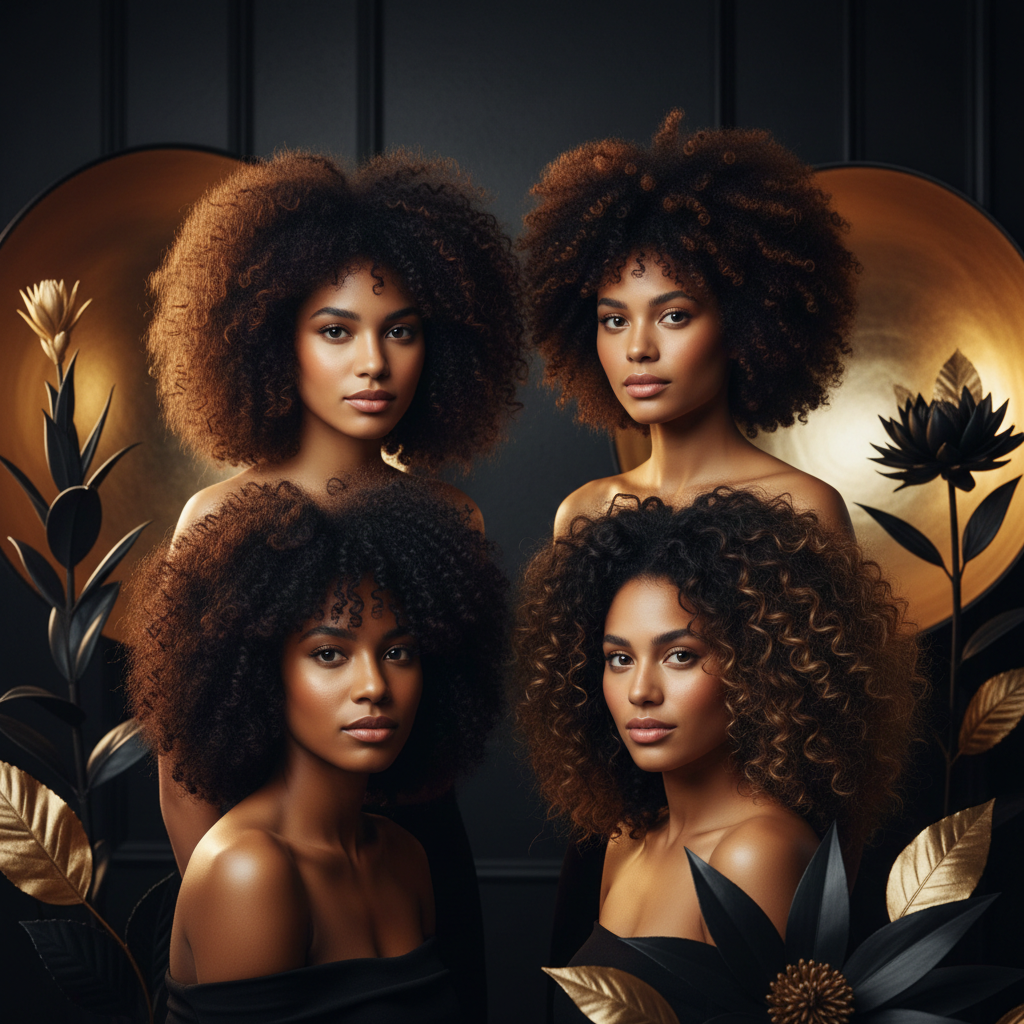
Quick answer: Natural Haircare is an approach to hair and scalp care that prioritises ingredients derived from natural sources and often integrates practices like reduced washing or air drying. While it aims to minimise exposure to synthetic chemicals, the actual benefits and mechanisms of many "natural" ingredients require careful consideration of scientific evidence. Many claims are cosmetic, focusing on improved hair feel or appearance, rather than treating underlying conditions.
Key takeaways
- "Natural Haircare" broadly refers to using naturally derived ingredients and often gentler care practices.
- Many synthetic ingredients, like some sulphates, are not inherently "bad" and can be effective cleansers.
- "Natural" doesn't automatically mean safer or more effective; some natural ingredients can cause irritation or allergies.
- A balanced Natural Haircare routine focuses on individual hair and scalp needs, alongside evidence-backed ingredients.
- Claims about stimulating hair growth or treating conditions should be scrutinised for scientific evidence.
- Understanding the pH of products and ingredients is crucial for maintaining hair and scalp health.
Natural Haircare: what the evidence shows
Natural Haircare encompasses a wide range of philosophies and practices, generally centring on the use of ingredients sourced from plants, minerals, or animals in their less processed forms, alongside practices often perceived as gentler. The emphasis is typically on avoiding synthetic chemicals, with a belief that natural ingredients are inherently better or safer for hair and scalp health. However, the scientific evidence supporting these beliefs varies greatly depending on the specific ingredient or practice.
Many natural ingredients are valued for their cosmetic benefits, such as moisturising, conditioning, or improving the appearance of shine. For example, plant-derived oils like coconut oil or argan oil can help to seal the hair's cuticle, reducing moisture loss and enhancing smoothness. Coconut oil, in particular, has a molecular structure that allows it to penetrate the hair shaft, reducing protein loss for both damaged and undamaged hair when used as a pre-wash or post-wash treatment. Jojoba oil is structurally similar to the sebum naturally produced by the scalp, which makes it a good emollient that can help balance scalp oiliness without feeling greasy.
The role of "synthetic" ingredients
While Natural Haircare often aims to minimise synthetic ingredients, it's important to understand that not all synthetic compounds are harmful, nor are all natural compounds beneficial. Many effective and safe cosmetic ingredients are synthesised in labs. For example, some common surfactants (cleansing agents) like Sodium Lauryl Sulfate (SLS) or Sodium Laureth Sulfate (SLES) are often avoided in natural haircare due to concerns about stripping hair and scalp oils. However, these ingredients are highly effective cleansers and, for many people, especially those with oily scalps or who use a lot of styling products, they can be essential for thorough cleansing without causing irritation when properly formulated. For those seeking gentler cleansing, sulphate-free shampoos are an option, and the article on Sulfate-Free Shampoo Benefits provides more detail.
Preservatives, whether natural or synthetic, are also critical for product safety. Products containing water require preservatives to prevent microbial growth, which can lead to contamination and potential skin infections. While some natural preservatives exist, they may not offer the broad-spectrum protection or stability of synthetic alternatives.
Mechanisms of action for natural ingredients
Many natural ingredients contribute to hair health through various mechanisms:
- Moisturisation and conditioning: Ingredients like shea butter, cocoa butter, and various plant oils (e.g., olive oil, almond oil) are rich in fatty acids and emollients. They form a protective layer on the hair shaft, reducing water loss and smoothing the cuticle, which improves manageability and shine. This is particularly beneficial for dry or damaged hair, or for those with curly or afro-textured hair, which tends to be naturally drier. Understanding Hair Hydration can provide more context.
- Scalp health support: Some essential oils, such as tea tree oil or peppermint oil, possess antimicrobial properties that may help address issues like dandruff or an oily scalp, though more robust clinical trials are often needed for definitive claims. Aloe vera is widely recognised for its soothing and anti-inflammatory properties, making it beneficial for an irritated scalp. The article on Anti-inflammatory Ingredients provides further details on how such components can benefit scalp health.
- Antioxidant protection: Many plant extracts, rich in vitamins (like Vitamin E) and other antioxidants, can help protect hair and scalp cells from oxidative stress caused by environmental factors like UV radiation and pollution.
- pH balance: The scalp and hair have a naturally acidic pH (around 4.5 to 5.5). Using products with a similar pH can help maintain the integrity of the hair cuticle and scalp barrier function. Some natural ingredients, when properly formulated into products, can help achieve this balance. The pH Scale and Hair explores this topic in depth.
What the evidence does not show
Despite popular belief, there is currently insufficient robust scientific evidence to support claims that most natural ingredients or products can directly cause or treat alopecia (hair loss from the follicle). While some natural extracts, like rosemary oil, have shown promising results in some studies for their potential to support hair growth by improving scalp circulation, these are typically considered complementary and not a standalone treatment for clinical hair loss conditions. Always consult a healthcare professional for concerns about hair loss.
Similarly, claims that natural products can "detox" the hair or scalp lack a clear scientific basis. The body's own organs, like the liver and kidneys, are responsible for detoxification. While some clays may absorb excess oil and impurities from the surface of the scalp, this is a cleansing action, not a detoxification of the body.
Signs of a healthy scalp and hair
A healthy scalp should be free from excessive dryness, oiliness, itching, or irritation. The skin should appear clear, with no significant redness or flaking. Healthy hair typically looks shiny, feels soft and smooth, and is resilient to breakage. It should be easy to manage and have good elasticity. Regular cleansing, appropriate conditioning, and a balanced diet all contribute to these signs of health. The article Understanding Scalp Health offers a detailed overview.
What you can do: building a mindful haircare routine
Adopting a mindful approach to Natural Haircare involves selecting products and practices that genuinely benefit your hair and scalp, rather than blindly following trends. Here's how:
- Understand your hair and scalp type: This is the most crucial first step. Do you have an oily scalp, dry scalp, fine hair, thick hair, or colour-treated hair? Your needs will dictate the best ingredients and products. For example, someone with an oily scalp might benefit from ingredients that help regulate sebum, as discussed in Sebum Regulation. People with curly or afro-textured hair will need ingredients and practices focused on deep moisturisation and gentle detangling, as covered in How to Stop Afro Hair from Feeling Dry.
- Ingredient awareness: Learn to read ingredient lists. Focus on ingredients that are proven to address your concerns. For example, if you need moisture, look for emollients and humectants. If you want to minimise specific synthetic ingredients, be informed about what they are and why you're avoiding them. The article on Humectants provides detail on their role in hydration.
- Patch testing: Before using a new product, especially one with concentrated natural ingredients like essential oils, perform a patch test on a small area of skin (e.g., behind the ear or inner forearm) to check for adverse reactions like redness, itching, or irritation.
- Gentle practices: Incorporate practices that minimise damage. These can include:
- Avoiding excessive heat styling: Use heat protectants and lower temperatures when heat styling is necessary, as outlined in Heat Styling Safety Best Practices.
- Gentle detangling: Especially important for curly or fine hair to prevent breakage. Refer to How to Detangle Afro Hair Without Breakage.
- Minimising harsh chemical treatments: Chemical treatments can significantly alter hair structure, increasing the risk of damage. Understanding Chemical Hair Treatments can help you make informed choices.
- Appropriate washing frequency: Wash your hair as often as needed to keep your scalp clean, without over-stripping it. This varies greatly by individual. For some, a clarifying wash may be needed periodically.
When the cause may be something else and when to get professional advice
Sometimes, hair and scalp issues stem from underlying health conditions rather than simply haircare choices. If you experience persistent or severe symptoms, such as:
- Significant hair shedding or sudden hair loss: Beyond normal daily shedding (typically 50 to 100 hairs), a noticeable increase in hair shedding or patchy hair loss warrants medical attention. This could be telogen effluvium, anagen effluvium, or other forms of alopecia.
- Intense scalp itching, burning, or pain: These could indicate infections, inflammatory conditions like psoriasis or eczema, or allergic reactions.
- Persistent dandruff or scalp scaling that doesn't respond to over-the-counter treatments: This might require a diagnosis and specific treatment from a dermatologist.
- Unexplained changes in hair texture or quality: This could signal nutritional deficiencies or hormonal imbalances.
In these situations, a doctor or dermatologist can provide an accurate diagnosis and appropriate medical advice or treatment. Relying solely on Natural Haircare approaches for medical conditions can delay effective treatment and potentially worsen the problem.
Frequently asked questions about Natural Haircare
Does "natural" mean a product is always better for my hair?
Not necessarily. "Natural" simply refers to the origin of ingredients. While many natural ingredients offer excellent benefits, some can cause irritation or allergic reactions, and some synthetic ingredients are highly effective and safe. The overall formulation, concentration of active ingredients, and suitability for your hair type are more important than whether an ingredient is natural or synthetic.
Can Natural Haircare promote hair growth?
While a healthy scalp environment created by good haircare practices can support optimal hair growth, most Natural Haircare ingredients are not proven to directly stimulate significant new hair growth or treat clinical hair loss conditions. Some ingredients, like rosemary extract, show promise in promoting scalp circulation, but this is different from treating alopecia. If you're concerned about hair loss, consult a medical professional.
Are sulphates and parabens always bad for my hair?
No. Sulphates are effective cleansing agents, and for many people, they provide the deep clean needed to remove product build-up and excess oil without issues. Parabens are preservatives that prevent microbial contamination, crucial for product safety. Concerns about these ingredients are often based on misinterpretations of scientific data. It's about personal preference and individual sensitivity, not universal harm. The article on Sulfate-Free Shampoo Benefits offers more context.
How long does it take to see results from Natural Haircare?
Results from any haircare routine can vary widely depending on your hair's initial condition, the specific issues you're addressing, and the consistency of your routine. Cosmetic improvements like increased shine or reduced frizz might be noticeable within a few weeks. However, improvements in overall hair health, such as reduced breakage or improved scalp condition, may take several months to become evident as hair grows and cycles.
Can I use essential oils directly on my scalp?
It's generally not recommended to apply undiluted essential oils directly to the scalp. Essential oils are highly concentrated and can cause irritation, sensitisation, or even burns when used neat. They should almost always be diluted in a carrier oil (like jojoba, almond, or coconut oil) before applying to the scalp or hair. Always perform a patch test before using any new essential oil blend.
Holistic care for healthy hair
Adopting a Natural Haircare approach means making informed choices about the products you use and the practices you follow. It is about understanding what your hair and scalp truly need, rather than strictly adhering to a "natural-only" label. By focusing on evidence-backed ingredients, gentle care, and a mindful routine, you can foster a healthy environment for your hair, supporting its strength, shine, and overall vitality. For a truly healthy mane, sometimes the simplest, most consistent habits yield the best results.
Sources and references
- PubMed Central, "Effect of mineral oil, sunflower oil, and coconut oil on prevention of hair damage", Rele, A.S. And Mohile, R.B., 2003
- Skinmed, "A randomized comparative trial of a hair lotion containing an herbal extract of rosemary and an anti-inflammatory agent versus minoxidil in the treatment of androgenetic alopecia", Panahi, Y. Et al., 2015
- Journal of Cosmetic Science, "The pH of the hair and scalp: Does it matter?", Gavazzoni Dias, M. F. R., 2015
- British Association of Dermatologists, "Hair loss"
- NHS, "Dandruff"
- American Academy of Dermatology Association, "Dandruff: Diagnosis and treatment"
- Harvard Medical School, "The truth about sulfates and parabens in cosmetics", 2019
Find these ingredients in Watermans products
- Rosemary Extract: you will find this ingredient in our Hair Growth Shampoo.
- Vitamin E: you will find this ingredient in our Hair Vitamins.
- Sunflower Seed Oil: you will find this ingredient in our Heat Protection Spray.
- Aloe Vera: you will find this ingredient in our Curly Hair Conditioner.