How to Stop Afro Hair from Feeling Dry: An Evidence-Based Guide
13 min read ·
Learn how to stop afro hair from feeling dry with effective, evidence-based strategies that address its unique structure and moisture retention challenges.
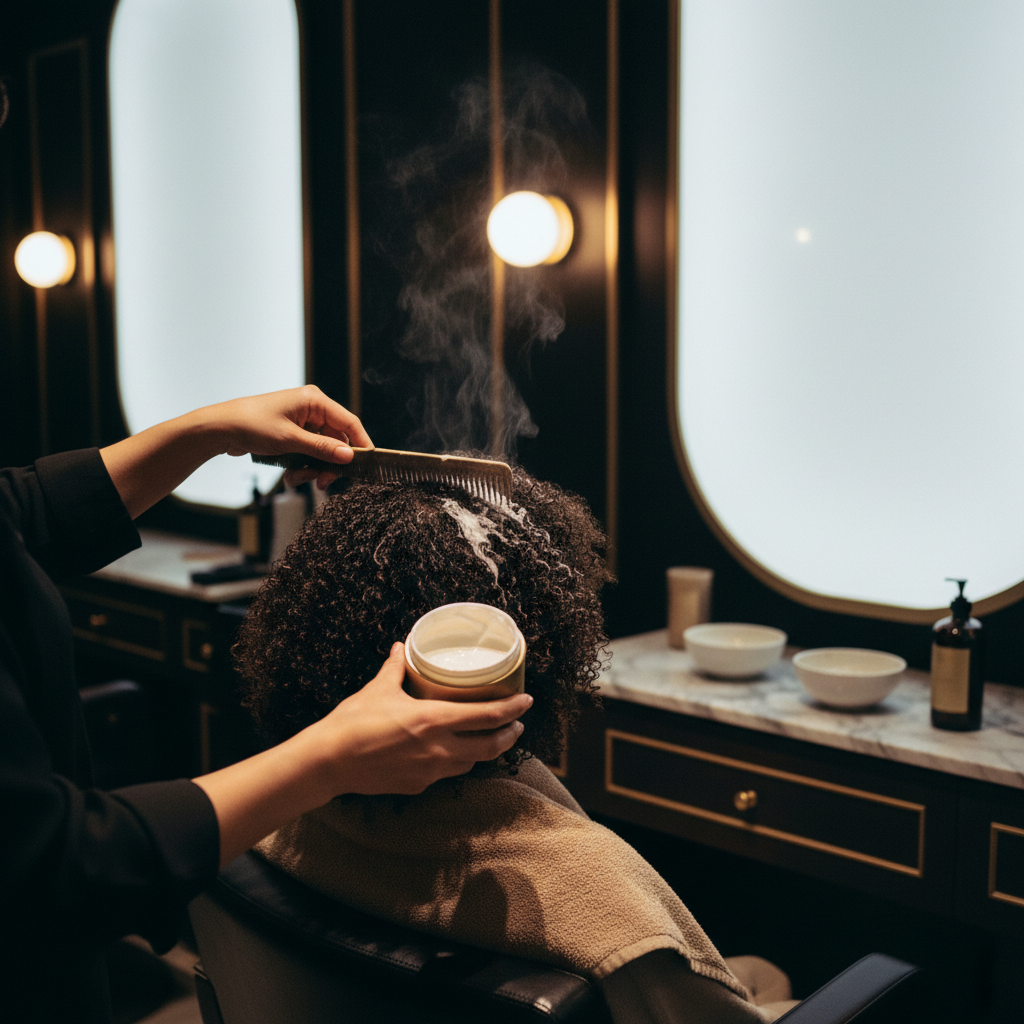
Quick answer: To effectively address how to stop afro hair from feeling dry, it's crucial to understand its unique structure, which often limits the natural distribution of scalp oils. Implementing a consistent regimen focused on gentle cleansing, deep conditioning, and layering moisturisers (like the LOC or LCO method) can significantly improve hydration and reduce dryness. However, individual results may vary based on hair porosity, environmental factors, and product choice.
Key takeaways
- Afro-textured hair's unique coil pattern makes it naturally prone to dryness due to reduced sebum distribution along the hair shaft.
- Effective moisture retention relies on a multi-step process including gentle cleansing, regular deep conditioning, and layering products to seal in hydration.
- The LOC (Liquid, Oil, Cream) or LCO (Liquid, Cream, Oil) methods are popular and effective for improving and maintaining moisture levels.
- Protecting hair from environmental factors and mechanical stress, especially during sleep and styling, is vital to prevent moisture loss and breakage.
- Avoiding harsh ingredients and excessive heat styling helps preserve the hair's natural moisture barrier.
How to stop afro hair from feeling dry: what the evidence shows
Afro-textured hair is inherently prone to feeling dry due to its unique structural characteristics. Its elliptical cross-section and tight, coiled pattern create numerous bends and twists along the hair shaft. This makes it difficult for sebum, the natural oil produced by the scalp, to travel efficiently from the root to the tip, leaving the mid-lengths and ends particularly vulnerable to dryness. This structural reality, rather than a lack of sebum production, is a primary reason why many individuals seek to understand how to stop afro hair from feeling dry.
Evidence suggests that maintaining adequate moisture in afro hair requires a strategic approach that acknowledges these structural differences. Regular application of water-based hydrators followed by emollients and occlusives is often more effective than relying solely on scalp sebum. Research into hair fibre properties highlights the importance of the hair's outer layer, the cuticle, in maintaining moisture. When the cuticle is lifted or damaged, water can escape more easily, leading to dryness and frizz. Therefore, strategies that smooth the cuticle and create a protective barrier are key.
The mechanism of dry afro hair
The perception of dryness in afro hair stems from a combination of factors related to its unique anatomy and how it interacts with its environment.
- Sebum distribution: Unlike straight hair, where sebum can easily slide down the hair shaft, the tight coils of afro hair physically impede its descent. This means that the scalp may be adequately lubricated, but the hair fibres themselves remain dry, particularly towards the ends. Studies on sebum migration illustrate this challenge, showing significantly slower movement in highly coiled hair types.
- Cuticle structure: While all hair types have cuticles, some research indicates that the cuticle layers in afro hair may be thinner or more prone to lifting due to the twists and turns of the fibre. When cuticle scales are raised, the hair's inner cortex is exposed, allowing moisture to evaporate more readily. This also increases friction between hair strands, leading to tangling and potential breakage.
- Lower water retention: Despite its ability to absorb water, afro hair can also lose it quickly. Its unique structure can have a higher surface area relative to its volume, meaning more opportunity for evaporation if not adequately sealed. This is why products that provide long-lasting moisture and sealants are so important.
- Environmental factors: Humidity levels, wind, and exposure to sun can all exacerbate dryness. Low humidity pulls moisture from the hair, while wind can cause mechanical damage and moisture loss. Heat styling also significantly contributes to dehydration by literally evaporating water from the hair fibre.
Understanding these mechanisms is foundational to developing effective strategies for how to stop afro hair from feeling dry.
Signs your afro hair is feeling dry
Recognising the signs of dry hair early can help you intervene before significant damage occurs. Look out for these common indicators:
- Lack of elasticity: Healthy hair should have some stretch before breaking. Dry hair, however, will feel stiff and snap easily when gently pulled.
- Dull appearance: Moisturised hair reflects light well, giving it a natural shine. Dry hair often appears flat, lifeless, and lacks lustre.
- Rough texture: When you run your fingers through dry afro hair, it may feel coarse, brittle, or straw-like instead of soft and supple.
- Increased frizz: While some frizz is common in textured hair, excessive frizz, especially immediately after styling or in slightly humid conditions, often indicates a lack of internal moisture.
- Difficulty detangling: Dry hair is more prone to tangling and knotting, making the detangling process painful and leading to increased breakage.
- Scalp dryness and itchiness: Often, a dry scalp accompanies dry hair. You might notice flaking or experience an itchy sensation.
- Excessive breakage: Dry hair is weak hair. If you see an unusual amount of short, broken strands, especially when styling or combing, it's a strong sign of dryness, not hair shedding.
What you can do: an effective moisturising regimen
To address how to stop afro hair from feeling dry, a consistent and gentle hair care regimen is essential. This often involves a multi-step layering approach to ensure optimal hydration and retention.
1. Gentle Cleansing:
Begin with a sulphate-free shampoo. Sulphates can be effective cleansers but are often too harsh for afro hair, stripping away essential natural oils and leading to increased dryness. Opt for products designed for dry or curly hair. For deeper cleansing without stripping, consider co-washing (using conditioner to wash) or clarifying washes sparingly, perhaps once a month or as needed. Rinse thoroughly with lukewarm water, as very hot water can open the cuticle excessively.
2. Deep Conditioning:
Deep conditioning is arguably one of the most critical steps for how to stop afro hair from feeling dry. After shampooing, apply a rich, moisturising deep conditioner or hair mask. Look for ingredients like shea butter, coconut oil, fatty alcohols (e.g., cetyl alcohol, stearyl alcohol), ceramides, and humectants (e.g., glycerine, hyaluronic acid). Distribute the product evenly, focusing on the mid-lengths and ends. Cover your hair with a plastic cap and leave it on for 20 to 30 minutes. Applying gentle heat (e.g., from a hooded dryer or steamer) can help the product penetrate deeper into the hair shaft. Rinse with cool water to help seal the cuticle and lock in moisture.
3. Layering Moisture: The LOC or LCO Method
The LOC (Liquid, Oil, Cream) or LCO (Liquid, Cream, Oil) methods are popular and effective for sealing moisture into afro hair. The principle is to layer products in a specific order to provide hydration and then lock it in.
- L (Liquid): Apply a water-based leave-in conditioner or simply water (using a spray bottle) to damp hair. This step provides the primary hydration. Ensure your hair is adequately saturated but not dripping.
- O (Oil) or C (Cream): If using the LOC method, apply a lightweight natural oil (e.g., jojoba, argan, sweet almond) to create a barrier that slows down water evaporation. If using the LCO method, apply a thicker cream-based moisturiser first to provide additional hydration and emollients.
- C (Cream) or O (Oil): Finish with a heavier cream or butter (e.g., shea butter, mango butter) or an oil, depending on the previous step. This final layer acts as an occlusive, further sealing in the moisture and providing long-lasting softness. This step is particularly vital for how to stop afro hair from feeling dry and keep it moisturised for days.
4. Protective Styling and Night Care:
Protective styles (e.g., braids, twists, buns) minimise manipulation and exposure to environmental stressors, helping to retain moisture. At night, protect your hair by sleeping on a satin or silk pillowcase or by wearing a satin or silk bonnet or scarf. Cotton absorbs moisture from hair, leading to increased dryness and friction.
5. Regular Trims:
Dry ends are prone to splitting. Regular trims (every 10 to 12 weeks) remove these split ends, preventing them from travelling up the hair shaft and causing further damage. This maintains the overall health and appearance of your hair.
When the cause may be something else
While structural characteristics are the primary reason for dry afro hair, other factors can contribute to or exacerbate dryness. If a consistent, tailored regimen doesn't improve your hair's condition, consider these possibilities:
- Hard water: Water with high mineral content (hard water) can leave a residue on hair, making it feel dry, dull, and brittle. These mineral deposits can prevent moisturisers from penetrating effectively. Using a chelating shampoo or a shower filter can help. For example, water in some parts of London can have hardness exceeding 200 mg/L (as CaCO3) according to Thames Water data from 2023, which is considered very hard.
- Environmental factors: Very low humidity environments, excessive sun exposure, or strong winds can all strip moisture from hair. If you live in or travel to such conditions, extra protective measures are needed.
- Chemical processing: Hair dyes, relaxers, or perms can significantly alter the hair's structure, making it more porous and prone to dryness. If you regularly undergo chemical treatments, intensive moisturising and protein treatments become even more critical.
- Medications: Certain medications can have side effects that include hair dryness or changes in texture. If you've recently started new medication, consult your doctor.
- Nutritional deficiencies: While less common as a direct cause, deficiencies in certain vitamins and minerals (e.g., iron, zinc, vitamin D) can affect overall hair health. A balanced diet supports healthy hair growth and structure.
When to get professional advice
If you've diligently followed a comprehensive moisturising routine and your afro hair continues to feel excessively dry, brittle, or is experiencing unusual breakage, it may be time to consult a professional. A trichologist or dermatologist can help identify underlying medical conditions or environmental factors that might be contributing to your hair's dryness.
They can assess for:
- Scalp conditions: Conditions like seborrheic dermatitis or psoriasis can affect scalp health and, consequently, hair quality.
- Hormonal imbalances: Thyroid disorders or other hormonal issues can impact hair texture and moisture levels.
- Nutritional deficiencies: Blood tests can reveal deficiencies that might be impacting hair health.
- Hair damage: A professional can offer tailored advice for severely damaged hair, including recommendations for protein treatments or specific salon services.
Seeking professional advice ensures that any underlying issues are addressed, allowing your hair to benefit fully from external moisturising efforts and effectively learning how to stop afro hair from feeling dry.
Comparison of Moisturising Methods
| Method | Description | Pros | Cons |
|---|---|---|---|
| LOC Method | Liquid (water/leave-in), Oil, Cream layered sequentially. | Excellent for sealing in moisture, long-lasting hydration. | Can feel heavy if too much product is used. |
| LCO Method | Liquid (water/leave-in), Cream, Oil layered sequentially. | Cream may penetrate better before oil for some hair types. | May not provide as strong a seal as LOC for very dry hair. |
| Co-Washing | Using conditioner instead of shampoo to cleanse and moisturise. | Very gentle, adds moisture, reduces stripping. | May lead to product build-up if not alternated with shampoo. |
| Steaming | Applying heat and moisture (e.g., during deep conditioning). | Opens cuticle for deeper product penetration, intense hydration. | Requires specific equipment, can be time-consuming. |
Frequently asked questions about How to stop afro hair from feeling dry
How often should I moisturise my afro hair?
The frequency depends on your hair's porosity, environmental factors, and how quickly your hair feels dry. Generally, a full moisturising routine (like the LOC method) after each wash (weekly or bi-weekly) is a good starting point. You may need to refresh moisture between wash days with a light spritz of water or leave-in conditioner every 2 to 3 days, especially if your hair feels rough or loses its definition. Pay attention to your hair's specific needs to adjust the schedule.
Can hair porosity affect how to stop afro hair from feeling dry?
Yes, hair porosity significantly impacts how to stop afro hair from feeling dry. Low porosity hair (tightly closed cuticles) struggles to absorb moisture but retains it well once inside. High porosity hair (raised cuticles) absorbs moisture easily but loses it just as quickly. Understanding your hair's porosity helps you choose the right products and application methods to effectively absorb and retain moisture. For instance, low porosity hair benefits from heat during deep conditioning, while high porosity needs stronger sealants.
What ingredients should I look for in products for dry afro hair?
When trying to figure out how to stop afro hair from feeling dry, look for humectants like glycerine, hyaluronic acid, and aloe vera, which attract moisture from the air. Emollients such as shea butter, mango butter, and various natural oils (jojoba, argan, coconut) soften and smooth the hair. Occlusives like heavier oils and butters create a protective barrier to seal in moisture. Protein treatments (e.g., keratin, wheat protein) can also help strengthen damaged cuticles and improve moisture retention, but use them in moderation to avoid stiffness.
Is daily oiling good for dry afro hair?
Daily oiling can be beneficial, but it's important to distinguish between moisturising and sealing. Oils are primarily sealants, meaning they help to lock in existing moisture. They don't add water to dry hair on their own. Therefore, if your hair is already dry, simply applying oil won't hydrate it. Instead, first dampen your hair with water or a leave-in conditioner, then use a lightweight oil to seal that moisture in. Over-oiling without prior hydration can lead to product build-up and still leave the hair feeling dry.
Can heat styling cause my afro hair to feel dry?
Yes, excessive or improper heat styling is a significant contributor to hair dryness. High temperatures can strip the hair of its natural moisture and oils, leading to damaged cuticles and increased porosity. This makes it harder for hair to retain moisture, leading to a perpetually dry feeling. Always use a heat protectant and the lowest effective heat setting, and limit the frequency of heat application to minimise damage and help you understand how to stop afro hair from feeling dry.
What role does diet play in preventing dry afro hair?
While external care is paramount, a balanced diet supports overall hair health from within. Adequate hydration (drinking enough water) contributes to the body's internal moisture balance, which can indirectly impact hair. Nutrients like Omega-3 fatty acids, vitamins A, C, and E, and minerals such as zinc and iron are important for healthy hair follicles and sebum production. While diet alone won't eliminate dryness from structural causes, it provides a healthy foundation for optimal hair condition.
Conclusion
Understanding how to stop afro hair from feeling dry involves recognising its unique structural needs and implementing a consistent, tailored care regimen. By prioritising gentle cleansing, regular deep conditioning, and strategic moisture layering with methods like LOC or LCO, you can significantly improve your hair's hydration and overall health. Protecting your hair from environmental stressors and avoiding harsh treatments further contributes to moisture retention. With patience and consistency, your afro hair can transform from dry and brittle to soft, supple, and well-moisturised, embracing its natural beauty.
Watermans Solutions
For those seeking to enhance their afro hair's moisture and health, Watermans offers products designed to support this journey. The Watermans Condition Me Conditioner contains hydrolysed lupin protein and other ingredients to help strengthen hair fibres, making them less prone to breakage and supporting moisture retention. Additionally, Frojus, a brand specifically formulated for afro, curly, and wavy hair, provides a range of products. The Frojus Afro Hair Conditioner and Afro Hair Shampoo are sulphate-free and designed to cleanse gently while infusing moisture, making them suitable choices for managing dryness. These products are formulated to work synergistically within a comprehensive moisturising routine.
Sources and references
- American Academy of Dermatology Association. (n.d.). Hair care: How to wash your hair. AAD.org.
- Gavazzoni Dias, M. F. R. (2015). Hair Cosmetics: An Overview. International Journal of Trichology, 7(1), 2-15. PubMed. DOI: 10.4103/0974-7753.153493
- McMichael, A. J. (2007). Hair and scalp diseases in ethnic populations. Dermatologic Clinics, 25(3), 395-401. PubMed. DOI: 10.1016/j.det.2007.03.003
- Thames Water. (2023). Water Quality Report (Specific data for London areas, e.g., hardness levels). Thames Water Utilities Ltd. (Specific URL not provided as it changes annually, but annual reports are published).
- The Cosmetic, Toiletry, and Fragrance Association. (n.d.). CTFA Cosmetic Ingredient Handbook. (General industry reference).
- NHS. (n.d.). Hair loss. NHS.uk.
Find these ingredients in Watermans products
- Zinc: you will find this ingredient in our Hair Vitamins.
- Aloe Vera: you will find this ingredient in our Curly Hair Conditioner.