Protective Styling: A Comprehensive Guide to Hair Health
13 min read ·
Protective Styling involves techniques that minimise daily manipulation and exposure to environmental stressors, helping to reduce hair breakage and support length retention.
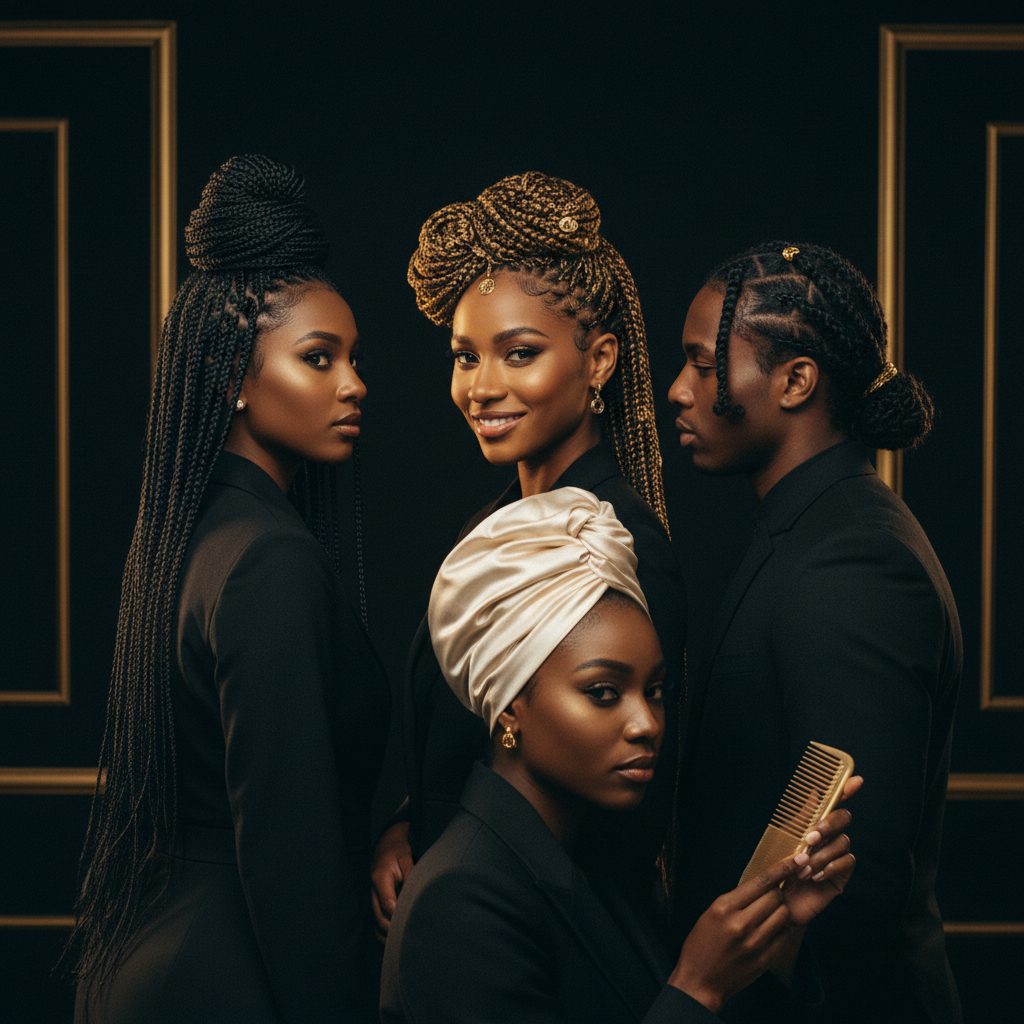
Quick answer: Protective Styling refers to hairstyles that keep hair strands, particularly the delicate ends, tucked away and secure. This approach aims to minimise daily manipulation, friction, and environmental exposure (like sun or wind) that can lead to breakage, especially for fragile hair types. While it doesn't stimulate hair growth from the follicle, Protective Styling supports length retention by creating a low-stress environment for the hair fibre to thrive, allowing natural growth to occur with less interruption from mechanical damage.
Key takeaways
- Protective Styling involves hairstyles that tuck away hair ends, reducing daily manipulation and environmental exposure.
- Its primary benefit is reducing hair breakage, which supports overall length retention rather than directly stimulating growth.
- This approach is particularly beneficial for delicate hair types, including curly, coily, or chemically treated hair.
- Proper preparation, moisturisation, and gentle removal are crucial to avoid potential issues like tension or matting.
- Leaving styles in too long, or making them too tight, can cause traction alopecia or excessive buildup.
- Regular scalp care and moisture application are still essential while hair is in a protective style.
Protective Styling: what the evidence shows
Protective Styling is a haircare practice focused on shielding the hair from mechanical damage, environmental stressors, and excessive manipulation. The central idea is to reduce the factors that contribute to hair breakage, thereby allowing the hair to reach its full growth potential. Scientific understanding of hair biology indicates that hair grows from follicles in the scalp at a relatively consistent rate, typically around 1 centimetre (0.4 inches) per month, varying slightly by individual, ethnicity, and age. The perception of "hair growth" is often more about length retention, meaning how much of that newly grown hair remains on the head without breaking off.
Many studies, particularly those focusing on hair types more prone to fragility such as afro-textured hair, highlight how reduced manipulation and protection from external forces can significantly decrease breakage rates. For instance, research published in journals like the Journal of the American Academy of Dermatology and Skin Appendage Disorders often discusses the unique structural characteristics of curly and coily hair, which include a flattened elliptical shape and a higher number of cuticle layers, making it more susceptible to knotting, friction, and subsequent breakage. By securing the hair in styles like braids, twists, or buns, the delicate hair shaft is less exposed to these damaging elements.
Mechanically, the hair fibre is a complex protein structure, primarily keratin, which can be weakened by repeated friction, tension, and chemical treatments. When hair is constantly brushed, combed, heat-styled, or exposed to harsh weather, the outer cuticle layer can lift, leading to a loss of internal moisture and exposing the cortex to damage. Protective Styling helps to keep the cuticle smooth and undisturbed, maintaining the hair's integrity and elasticity. This preservation of the hair fibre leads to less snapping and splitting along the shaft, contributing to the appearance of longer, healthier hair.
What Protective Styling does not show
It is important to clarify that Protective Styling does not directly stimulate hair growth from the follicle. The rate at which hair grows is largely determined by genetics, nutrition, and overall health. There is currently no robust scientific evidence to suggest that tucking away hair, in itself, accelerates the biological process of hair production within the scalp. Claims that Protective Styling makes hair "grow faster" are often misinterpretations of length retention. When hair breaks less, it appears to grow longer over time, but the physiological rate of growth remains unchanged.
Furthermore, while Protective Styling can mitigate certain types of mechanical damage, it does not prevent hair loss conditions such as androgenetic alopecia or telogen effluvium, which are rooted in follicular issues or systemic physiological stressors. If you are experiencing unusual or excessive hair shedding from the root, or patches of hair loss, Protective Styling alone is not an appropriate treatment. Similarly, it doesn't treat underlying scalp conditions like dermatitis or psoriasis, which require specific dermatological intervention. Without proper care, some protective styles can even contribute to hair loss if tension is too high or scalp hygiene is neglected.
The mechanism of reduced breakage
The primary mechanism through which Protective Styling benefits hair is by reducing physical stress and external exposure. Hair breakage occurs when the tensile strength of the hair fibre is exceeded, often due to repeated manipulation, friction, or dryness. Each time hair is combed, brushed, or rubbed against clothing or surfaces, it experiences mechanical stress. When hair is secured in a style, these interactions are significantly minimised.
- Reduced Friction: Loose hair constantly rubs against itself, clothing, and environmental elements like seatbelts or backpack straps. This constant friction can abrade the outer cuticle layer, leading to roughening, tangling, and ultimately, breakage. By coiling or braiding the hair, these points of contact are minimised.
- Minimised Manipulation: Daily styling, including brushing, combing, and heat application, places considerable stress on the hair shaft. Protective styles reduce the need for such daily routines, giving the hair a "rest" from these forces.
- Moisture Retention: Exposed hair, especially in dry or windy conditions, loses moisture more rapidly through evaporation. Hair that is dry and lacking moisture becomes more brittle and prone to breakage. When hair is gathered and tucked away, it creates a micro-environment that can help to trap moisture, keeping the hair hydrated for longer. This is particularly effective when combined with emollients or humectants applied before styling. For more on hair hydration, refer to our article on [Hair Hydration: The Science Behind Keeping Hair Moist].
- Protection from Environmental Damage: Sunlight (UV radiation) and harsh winds can weaken the hair structure. Tucking hair away provides a physical barrier against these external aggressors.
By addressing these factors, Protective Styling helps to preserve the hair's structural integrity, allowing for better length retention.
What you can do: Best practices for Protective Styling
To maximise the benefits and prevent potential drawbacks, following best practices is crucial when adopting Protective Styling.
- Start with Clean, Moisturized Hair: Always begin with freshly cleansed and deep-conditioned hair. Applying a leave-in conditioner and a light hair oil or cream (like those used for [Moisturizing Afro-Textured Hair]) before styling helps to lock in moisture, which is vital as the hair will be less accessible for daily product application. Ensure the hair is fully dry if the style requires it to prevent mildew or fungal growth, particularly in thicker styles.
- Avoid Excessive Tension: This is perhaps the most critical rule. Styles that are too tight, especially around the hairline, can lead to a condition called traction alopecia. This form of hair loss is caused by prolonged or repetitive pulling on the hair follicles, which can eventually damage them permanently. Ensure braids, twists, or buns feel comfortable, without pain, itching, or redness on the scalp. Consult resources like the American Academy of Dermatology Association for guidance on avoiding traction alopecia.
- Regular Scalp Care: Even though your hair is tucked away, your scalp still needs attention. Use a diluted, gentle shampoo or a scalp cleanser (such as those described in [Sulfate-Free Shampoo Benefits]) to cleanse the scalp periodically to remove product buildup, dead skin cells, and maintain a healthy scalp environment. Follow up with a light, non-comedogenic oil or scalp serum to keep the scalp moisturised. For deeper insights, see [Understanding Scalp Health: A Foundation for Thriving Hair].
- Moisturise the Hair Regularly: Hair in protective styles still requires moisture. Spritzing the hair and scalp with a water-based leave-in conditioner or a hydrating mist every few days can help maintain flexibility and prevent dryness and brittleness. Avoid heavy butters or petroleum jellies, which can cause buildup and attract dirt.
- Limit Style Duration: Protective styles are not meant to be permanent. Leaving styles in for too long (typically beyond 4 to 8 weeks, depending on the style and hair type) can lead to excessive buildup, matting, tangling, and even weakening of the hair strands, making removal difficult and potentially causing more breakage than it prevented. Give your hair a rest period between styles, allowing it to be loose or in simple, low-tension styles for a few days to a week.
- Gentle Removal: When removing a protective style, do so carefully and patiently. Dampen the hair slightly and use a generous amount of conditioner or a dedicated detangling spray. Work through small sections, gently loosening tangles with your fingers or a wide-tooth comb from ends to roots. It is normal to see a significant amount of shed hair; this is the hair that would have naturally shed daily but was trapped within the style. Differentiating between natural shedding and breakage is key: shed hair has a small white bulb at the root, while broken hair does not.
When the cause of hair issues may be something else
While Protective Styling is an excellent strategy for length retention and reducing breakage, it's crucial to recognise when hair concerns might stem from other issues that require different approaches.
- Hair Shedding (Telogen Effluvium): If you notice a significant increase in hair strands coming out from the root (each with a small white bulb), this is shedding, not breakage. Common triggers for telogen effluvium include stress, nutritional deficiencies, hormonal changes (e.g., postpartum), certain medications, or illness. Protective styles will not stop this process, as it originates from the hair follicle's cycle. If shedding persists or is severe, consult a healthcare professional.
- Hair Loss (Alopecia): True hair loss, characterised by thinning, receding hairlines, or bald patches, is distinct from breakage or shedding. Conditions like androgenetic alopecia (pattern baldness), alopecia areata, or scarring alopecias are medical conditions affecting the hair follicles. Protective Styling does not treat these conditions and, if too tight, can exacerbate some forms of alopecia (e.g., traction alopecia). For any signs of true hair loss, professional medical diagnosis and treatment are essential.
- Underlying Scalp Conditions: Persistent itching, flaking, redness, or soreness on the scalp, even with good hygiene in protective styles, could indicate conditions like seborrhoeic dermatitis, psoriasis, or fungal infections. These require targeted treatments, often prescribed by a dermatologist. For more on this, see [Dandruff: Causes and Treatments Explained].
- Nutritional Deficiencies: A diet lacking essential vitamins and minerals (e.g., iron, zinc, biotin, vitamin D) can impact hair health, leading to weakened strands and increased shedding. Protective Styling cannot compensate for internal nutritional imbalances. A balanced diet is fundamental for overall hair health.
If you are concerned about any of these issues, seeking advice from a dermatologist or healthcare provider is highly recommended.
Hair Breakage vs. Hair Shedding: A Comparison
Understanding the difference between hair breakage and hair shedding is fundamental to addressing hair concerns effectively. Protective Styling primarily targets breakage.
| Feature | Hair Breakage | Hair Shedding (Telogen Effluvium) |
|---|---|---|
| Appearance | Short, fragmented pieces of hair; no root bulb. | Full-length strands, usually with a white bulb at the root. |
| Cause | Mechanical stress, dryness, chemical damage, heat. | Hair follicle entering resting phase prematurely due to stress, hormones, nutrition. |
| Location | Occurs along the hair shaft. | Occurs from the scalp/follicle. |
| Effect | Reduces hair density and length along the shaft. | Reduces overall hair density from the root, often visible as thinning. |
| Intervention | Gentle handling, moisturisation, Protective Styling, reduced heat. | Address underlying systemic cause; medical consultation often recommended. |
Frequently asked questions about Protective Styling
How long should I keep a Protective Style in?
Generally, most protective styles should be kept in for 4 to 8 weeks. Leaving them in longer can lead to excessive product buildup, matting, and tangling, which can cause more breakage during removal than if you had taken them out sooner. The exact duration depends on the style, your hair type, and how well you maintain scalp hygiene and moisturisation during the period. Always give your hair a break between styles.
Can Protective Styling cause hair loss?
Yes, if not done correctly. The most common cause of hair loss related to Protective Styling is traction alopecia, which results from styles being installed too tightly, especially around the hairline. This puts excessive, prolonged tension on hair follicles, potentially damaging them. To avoid this, ensure your styles feel comfortable, not painful, and choose experienced stylists. Neglecting scalp hygiene can also lead to issues.
Do I still need to wash my hair in a Protective Style?
Absolutely. Maintaining scalp hygiene is crucial. You should still cleanse your scalp periodically to remove buildup, sweat, and dead skin cells. This can be done by using a diluted shampoo or a specialised scalp cleanser applied with an applicator bottle, gently massaging the scalp, and rinsing thoroughly. Regular cleansing prevents itching, odour, and potential scalp issues. Follow up with a light leave-in conditioner.
What are some good Protective Styles for fine hair?
For fine hair, consider styles that put less tension on the strands. Loose buns or chignons, gentle braids (like a single large braid or two Dutch braids), or simple twists can be effective. Avoid very small, tight braids or extensions that add significant weight, as these can strain delicate follicles. Focus on styles that gently tuck away the ends without excessive pulling or bulk.
Does Protective Styling work for all hair types?
While particularly beneficial for curly, coily, and afro-textured hair which is prone to dryness and breakage, Protective Styling can be adapted for most hair types. The principle of reducing manipulation and protecting ends is universal. For straight or wavy hair, this might mean a loose bun, a single braid, or wearing hair up in a gentle up-do. The key is to choose styles that don't add stress or excessive tension to your specific hair type.
Can I use heat tools on Protective Styles?
Generally, the goal of Protective Styling is to minimise heat exposure. While some styles might involve a brief application of heat during installation (e.g., blow-drying to stretch hair before braiding), it's best to avoid regular heat styling while your hair is in a protective style. Constant heat can still cause damage, even if hair is tucked away. If heat is used, ensure it is minimal and that a heat protectant is applied beforehand, as outlined in [Heat Styling Safety Best Practices].
Supporting your hair with Watermans during Protective Styling
Supporting your hair and scalp during Protective Styling is key to healthy length retention. Watermans offers products formulated to cleanse gently and nourish the hair and scalp, complementing the benefits of protective styles.
Our [Watermans Grow Me Shampoo] and [Watermans Grow Me Conditioner] are designed to cleanse the scalp effectively without stripping natural oils, making them suitable for use between or during protective styles (if diluted for scalp cleansing). They contain hydrolysed lupin protein, which has been studied for its potential to help promote the appearance of thicker, stronger hair, and rosemary extract, known for its scalp-stimulating properties. These ingredients work to create an optimal environment for healthy hair by supporting the scalp, which is essential when hair is less accessible. Remember, a healthy scalp is the foundation for healthy hair.
For added moisture and scalp care, particularly important while hair is tucked away, Watermans also offers a [Watermans Grow More Elixir]. This leave-in scalp treatment can be applied directly to the scalp to help keep it hydrated and nourished, without disturbing your protective style. Using such products helps ensure that even when hair is shielded, it continues to receive the care it needs to thrive.
Sources and references
- American Academy of Dermatology Association, "Hair loss: Causes", www.aad.org
- Gavazzoni Dias, M. F. R. (2015). Hair Cosmetics: An Overview. International Journal of Trichology, 7(1), 2-15. DOI: 10.4103/0974-7753.153493
- Mirmirani, P. (2010). The science of hair care. Journal of the American Academy of Dermatology, 63(6), 1145-1147.
- Ogbechie-Godec, O. A., & Elbuluk, N. (2017). Traction Alopecia: An Update of Pathogenesis, Diagnosis, and Treatment. Journal of the American Academy of Dermatology, 77(1), 162-171. DOI: 10.1016/j.jaad.2016.10.040
- National Institutes of Health (NIH), National Institute of Arthritis and Musculoskeletal and Skin Diseases (NIAMS), "Hair Loss", www.niams.nih.gov
- Randhawa, M., & Randhawa, A. (2015). Hair Damage: Types, Causes, and Prevention. In Cosmetic Science and Technology: Hair Care (pp. 1-28). CRC Press. ISBN: 9781466589332
- Khumalo, N.P., Jessop, S., Glesne, N., & de Berker, D. (2014). Hair Loss in African/Afro-Caribbean Women. Dermatologic Clinics, 32(2), 173-181. DOI: 10.1016/j.det.2013.11.006
Find these ingredients in Watermans products
- Biotin: you will find this ingredient in our Hair Growth Shampoo.
- Zinc: you will find this ingredient in our Hair Vitamins.