Traction Alopecia: Causes, Symptoms, and Treatment
5 min read ·
Traction alopecia is a form of hair loss caused by repetitive or prolonged tension on the hair follicles, often reversible if detected early.
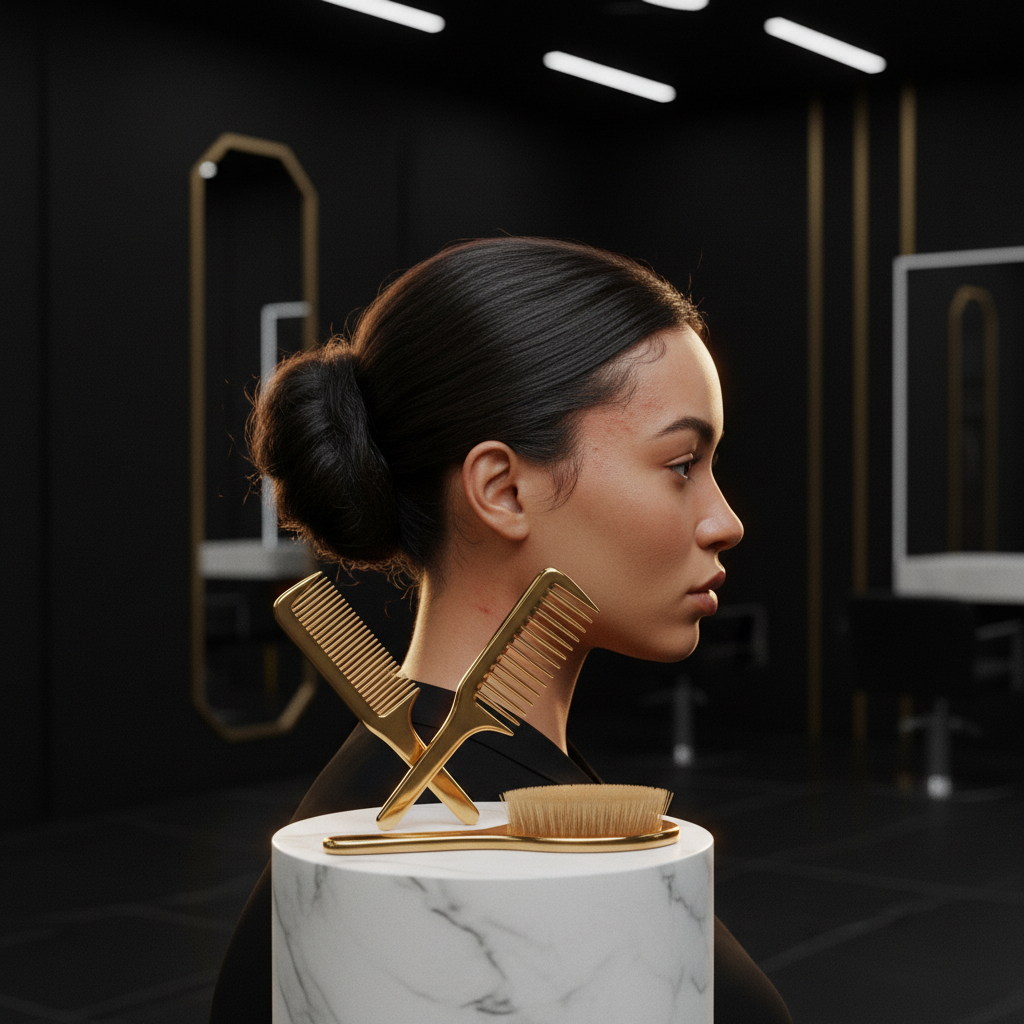
What is Traction Alopecia?
Traction alopecia is a type of hair loss resulting from persistent pulling forces on the hair follicles. Unlike other forms of alopecia, such as androgenetic alopecia (pattern baldness) or alopecia areata (autoimmune hair loss), traction alopecia is primarily caused by external mechanical stress. This condition is often reversible, especially when identified and addressed in its early stages. Prolonged traction, however, can lead to permanent damage to the hair follicles, resulting in irreversible hair loss.
Common Causes of Traction Alopecia
The primary cause of traction alopecia is any hairstyle or habit that exerts consistent tension on the hair strands and their roots. This constant pulling can inflame and eventually damage the hair follicle, leading to hair shedding and a reduced ability for hair to Regrow. Common culprits include:
- Tight Hairstyles: Braids, dreadlocks, cornrows, weaves, and ponytails that are pulled too tight are frequent contributors. The weight of extensions can also exacerbate this issue.
- Hair Accessories: Headbands, clips, and hair ties worn too tightly or in the same spot repeatedly can cause localized traction.
- Chemical Treatments: Certain chemical processes, especially when combined with tight styling, can weaken the hair shaft, making it more susceptible to breakage and follicle damage from traction.
- Hair Extensions: The application and weight of hair extensions, while popular, can place significant stress on the natural hair strands, especially if not professionally installed or maintained.
- Excessive Hair Styling: Using heated styling tools aggressively or pulling hair while drying can contribute to the problem over time.
- Sleeping Habits: Certain sleeping positions, particularly if hair is tightly bound or rubbed against abrasive surfaces, can cause localized traction.
- Hair Brushing and Combing: Aggressive or repetitive brushing and combing, especially when detangling knots, can put undue stress on the hair follicles.
Symptoms of Traction Alopecia
Recognizing the symptoms of traction alopecia early is crucial for effective intervention. Symptoms can range from mild irritation to significant hair loss. They typically manifest along the hairline, temples, and behind the ears, which are areas commonly subjected to tension.
Early Symptoms
- Redness and Itching: The scalp around the affected follicles may become red, inflamed, or itchy.
- Folliculitis: Small, tender bumps, sometimes pus-filled, may appear around the hair follicles, indicating inflammation.
- Soreness: A feeling of tenderness or pain in the scalp, particularly after hair styling.
- Breakage: Increased hair breakage, often near the root.
- Thinning: Noticeable thinning of hair in specific areas, often along the part line or edges.
Advanced Symptoms
- Receding Hairline: A significant recession of the hairline, often irregular or patchy.
- Patchy Hair Loss: Areas of complete hair loss, leaving smooth, shiny skin where follicles have been permanently damaged.
- Scarring: In severe and prolonged cases, the follicles may be replaced by scar tissue, indicating permanent hair loss.
- Scalp Sensitivity: Increased sensitivity or discomfort on the scalp, even with light touching.
Diagnosis
Diagnosis of traction alopecia is usually made through a clinical examination of the scalp and a detailed history of the patient's hair styling practices. A dermatologist or trichologist may perform a pull test, where a small number of hairs are gently pulled to assess shedding. In some cases, a scalp biopsy may be performed to differentiate traction alopecia from other forms of hair loss, especially if scarring is suspected.
Treatment and Prevention
The most effective treatment for traction alopecia is prevention and early intervention. If detected early, the hair follicles may still be viable, and hair regrowth is possible.
Immediate Steps
- Change Hairstyles: Immediately discontinue any tight hairstyles. Opt for looser styles that do not pull on the scalp. Allow hair to hang freely or choose styles with minimal tension.
- Avoid Hair Extensions: Temporarily remove or avoid hair extensions to give the follicles a break.
- Gentle Hair Care: Be gentle when washing, detangling, and styling hair. Use a wide-tooth comb and avoid aggressive brushing.
- Moisturize: Keep the scalp and hair moisturized to reduce breakage and improve elasticity.
Long-Term Management
- Nutritional Support: A balanced diet rich in vitamins and minerals essential for hair health (e.g., biotin, iron, zinc, vitamins A, C, D, E) can support follicle recovery. Certain hair growth shampoos may contribute to a healthy scalp environment.
- Topical Treatments: Over-the-counter topical treatments may be recommended to stimulate hair growth. For specific recommendations, consult an expert.
- Steroid Injections: In cases of significant inflammation, a medical professional may recommend corticosteroid injections to reduce swelling and promote healing.
- Platelet-Rich Plasma (PRP) Therapy: This involves injecting a concentration of a patient's own platelets into the scalp to stimulate hair growth. This treatment has shown promise but is still considered a developing therapy.
- Surgery: For permanent hair loss due to scarring, hair transplant surgery may be an option to restore hair in the affected areas. This is typically considered a last resort after other treatments have been exhausted.
Prevention Tips
Preventing traction alopecia involves mindful hair care practices:
- Loosen Up: Choose loose hairstyles. If you must braid or wear extensions, ensure they are not pulled tightly. Allow your scalp to breathe.
- Limit Tension: Avoid hairstyles that consistently pull on the same sections of hair. Vary your hairstyles regularly.
- Moderate Extensions: If using extensions, opt for lighter options and ensure they are professionally installed and removed. Take breaks between installations.
- Gentle Detangling: Always detangle hair gently, starting from the ends and working your way up to the roots.
- Protect Hair at Night: If you have long hair, consider sleeping with it in a loose bun or braid, or on a silk pillowcase to reduce friction.
- Regular Trims: Regular trims can help remove split ends and prevent hair from becoming tangled and susceptible to breakage from pulling.
By understanding the causes and symptoms of traction alopecia and adopting preventative measures, individuals can significantly reduce their risk of developing this condition and maintain the health of their hair and scalp. If you suspect you are experiencing traction alopecia, consulting a dermatologist or trichologist is recommended for a proper diagnosis and personalized treatment plan.
Find these ingredients in Watermans products
- Biotin, you will find this ingredient in our Hair Growth Shampoo.
- Zinc, you will find this ingredient in our Hair Vitamins.