Hair Follicle: Understanding the Root of Hair Growth and Health
8 min read ·
The Hair Follicle is a complex, mini-organ embedded in the skin, responsible for growing and anchoring each strand of hair.
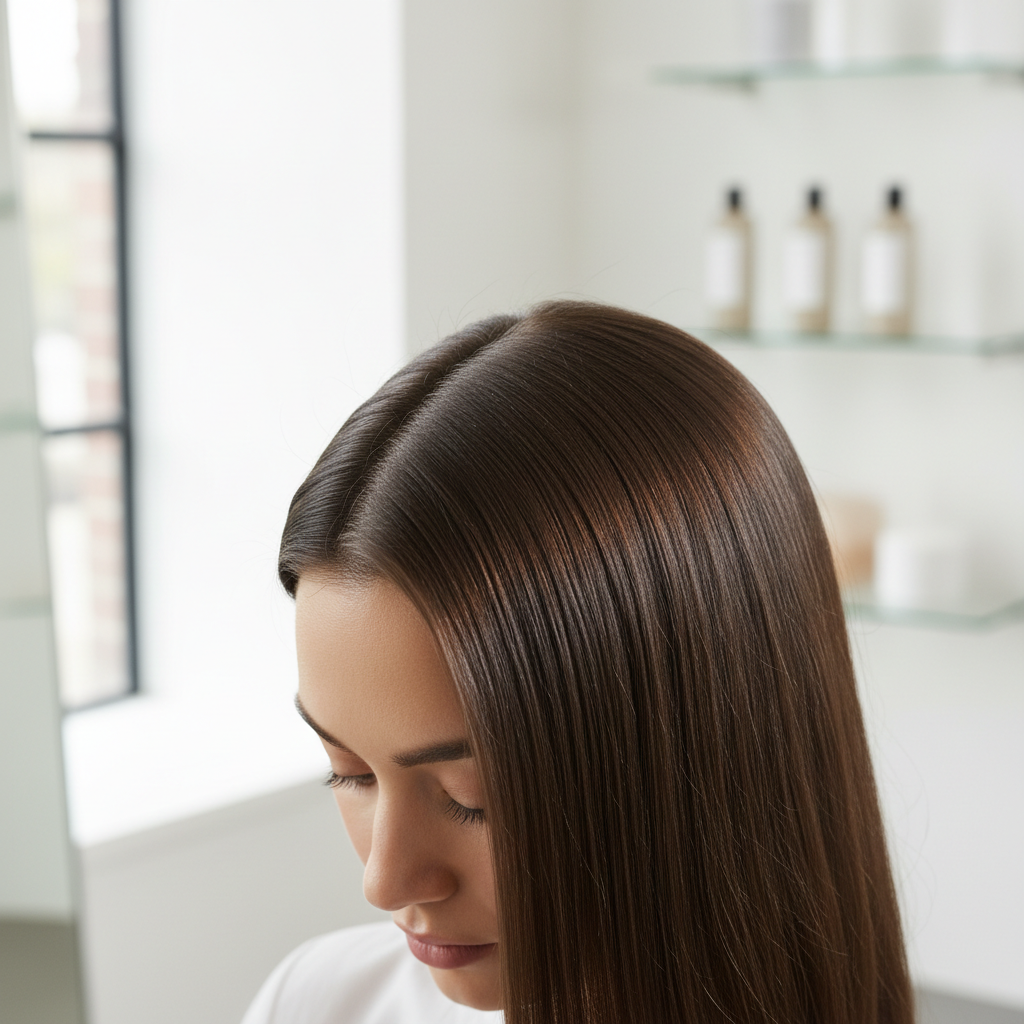
Quick answer: The Hair Follicle is a intricate, tube-shaped structure located within the skin, acting as the fundamental organ responsible for producing and anchoring each individual hair strand. It orchestrates the complex hair growth cycle, influencing hair type, colour, and overall health. While central to hair formation, it's important to remember that the Hair Follicle's function is also influenced by broader systemic health and external factors. Its health is crucial for robust hair growth, but not the only factor in hair vitality.
Key takeaways
- The Hair Follicle is a dynamic, complex structure in the skin, initiating and regulating hair growth.
- Each Hair Follicle undergoes a continuous cycle of growth (anagen), regression (catagen), and rest (telogen).
- Its structure, including the dermal papilla and stem cells, dictates hair characteristics like thickness, colour, and texture.
- Hormones, nutrition, genetics, and stress can all profoundly influence the health and function of the Hair Follicle.
- Damage or dysfunction of the Hair Follicle can lead to various hair concerns, including thinning or shedding.
- Maintaining overall scalp health is essential for supporting optimal Hair Follicle function.
Hair Follicle: what the evidence shows
The hair follicle is a remarkable mini-organ embedded in the dermis, the layer of skin beneath the epidermis. It's not just a simple tube; it's a complex biological factory responsible for generating hair fibre. Each Hair Follicle contains a rich network of blood vessels, nerves, and specialised cells that work in concert to produce hair. The average human scalp contains roughly 100,000 to 150,000 Hair Follicles, each operating independently through its own growth cycle.
At the base of the Hair Follicle lies the dermal papilla, a cluster of specialised mesenchymal cells that are crucial for hair growth regulation. These cells communicate with other Hair Follicle cells, including matrix cells which proliferate rapidly to form the hair shaft. Surrounding the dermal papilla are hair follicle stem cells, which are responsible for regenerating the Hair Follicle and hair shaft during each growth cycle. Sebaceous glands are also associated with the Hair Follicle, producing sebum which lubricates the hair and scalp, contributing to conditions such as Oily Scalp Care: Understanding and Managing Excess Sebum.
The Hair Growth Cycle
Every Hair Follicle follows a cyclical pattern of growth and rest, which is essential for continuous hair renewal. This cycle has three main phases:
- Anagen (Growth Phase): This is the active growth period, where hair cells divide rapidly, and the hair shaft lengthens. This phase can last from 2 to 7 years, determining the maximum length hair can achieve. About 85 to 90% of scalp hairs are in the anagen phase at any given time.
- Catagen (Transition Phase): A short, transitional phase lasting approximately 2 to 3 weeks. During this time, the Hair Follicle shrinks, and hair growth stops. The lower part of the Hair Follicle regresses, and the hair detaches from the dermal papilla.
- Telogen (Resting Phase): This phase lasts around 2 to 4 months. The hair remains in the Hair Follicle but is no longer growing. At the end of telogen, the old hair sheds, and a new anagen phase begins, pushing out the old hair. Approximately 10 to 15% of scalp hairs are in the telogen phase at any given time. Prolonged stress or nutritional deficiencies can lead to more Hair Follicles entering this phase prematurely, resulting in increased hair shedding, known as telogen effluvium.
It's important to differentiate hair shedding from hair breakage (the fibre snapping along the shaft). The Hair Follicle produces new hair; breakage happens to the existing hair shaft. Also, never confuse hair loss (follicular/alopecia) with hair shedding or breakage.
Factors influencing Hair Follicle health
Many factors can influence the health and activity of the Hair Follicle:
- Genetics: Heredity plays a significant role in determining hair type, colour, density, and predisposition to conditions like androgenetic alopecia (pattern baldness).
- Hormones: Androgens (e.g., testosterone, DHT) can miniaturise Hair Follicles in genetically susceptible individuals, leading to finer, shorter hairs and eventually hair loss. Thyroid hormones also influence the hair growth cycle.
- Nutrition: Adequate intake of vitamins (e.g., biotin, vitamin D), minerals (e.g., iron, zinc), and protein is vital for healthy Hair Follicle function and hair production.
- Stress: High levels of physical or emotional stress can prematurely push Hair Follicles into the telogen phase, causing increased shedding (telogen effluvium).
- Age: As people age, Hair Follicles can produce finer, shorter, and less pigmented hairs. The anagen phase may shorten, and the telogen phase may lengthen.
- Scalp Health: A healthy scalp environment, free from inflammation, excessive sebum, or microbial imbalances, is crucial for optimal Hair Follicle function. Conditions like Scalp Exfoliation: Uncovering the Evidence for a Healthier Scalp can sometimes support this.
- Physical damage: Tight hairstyles, excessive heat styling (see Heat Styling Safety Best Practices), or harsh chemical treatments can stress Hair Follicles and potentially impair their function over time.
What the evidence does not show
While many products claim to "activate" or "wake up" dormant Hair Follicles, there is currently insufficient evidence to support claims that cosmetics can reliably stimulate significant new Hair Follicle growth where none previously existed. Research into Hair Follicle regeneration is ongoing, but it remains a complex biological challenge. Furthermore, the notion that frequent washing or specific cosmetic ingredients directly cause or cure alopecia (a condition of hair loss) is not supported by strong scientific evidence. Cosmetic products can support a healthier environment for existing Hair Follicles, leading to improved hair appearance and reduced breakage.
What you can do to support Hair Follicle health
- Maintain a balanced diet: Ensure your diet includes adequate protein, iron, zinc, and B vitamins to support Hair Follicle function.
- Manage stress: Employ stress-reduction techniques such as mindfulness or regular exercise to minimise its impact on the hair growth cycle.
- Practice gentle hair care: Avoid harsh brushing, tight hairstyles, and excessive heat. Use nourishing shampoos and conditioners, like those discussed in The Science of Conditioners: How Hair Care Formulations Work.
- Promote scalp health: Keep your scalp clean and balanced. Gentle massage can increase blood flow to the Hair Follicles. Consult Understanding Scalp Health for more information.
- Protect from environmental damage: Minimise prolonged sun exposure without protection, and consider using products that offer some environmental protection.
When to get professional advice
If you experience sudden, significant hair shedding, patches of hair loss, or persistent scalp irritation, it's advisable to consult a healthcare professional, such as a dermatologist. These symptoms could indicate underlying medical conditions, nutritional deficiencies, or specific types of alopecia that require diagnosis and targeted treatment beyond cosmetic care. Early intervention can often be beneficial for managing these conditions.
Frequently asked questions about Hair Follicle
Can a damaged Hair Follicle recover?
It depends on the extent and cause of the damage. If the damage is mild or temporary, such as from inflammation or stress, the Hair Follicle can often recover and resume normal hair production once the cause is addressed. However, if the Hair Follicle is completely destroyed, for example, by scarring alopecia, it cannot regenerate hair.
How does genetics affect my Hair Follicle?
Genetics largely determine your hair type, texture, colour, and density. They also dictate how your Hair Follicles respond to hormones. For instance, in androgenetic alopecia, certain Hair Follicles are genetically predisposed to shrink in response to dihydrotestosterone (DHT), leading to hair thinning and eventual cessation of growth.
Does plucking a hair damage the Hair Follicle permanently?
Repeatedly plucking a hair from the same Hair Follicle can cause trauma. Over time, this consistent trauma can lead to inflammation and scarring, which might eventually damage the Hair Follicle to the point where it can no longer produce hair. Occasional plucking is unlikely to cause permanent damage, but consistent, aggressive plucking can.
What is the difference between a "sleeping" and a "dead" Hair Follicle?
A "sleeping" Hair Follicle is typically one in the telogen (resting) phase, or one that has temporarily miniaturised and is producing very fine, almost invisible hair. These can often be stimulated to resume producing thicker hair. A "dead" Hair Follicle, however, implies complete destruction and scarring, meaning it has lost its ability to produce hair and cannot be revived.
Conclusion
The Hair Follicle is undeniably the biological engine behind hair growth, a dynamic and complex structure integral to the appearance and health of our hair. Understanding its intricate cycle and the myriad factors that influence its function provides a clearer picture of how hair grows, sheds, and responds to various internal and external stimuli. Supporting the overall health of your scalp and body is key to promoting optimal Hair Follicle function, contributing to strong, healthy-looking hair.
Watermans and your Hair Follicle
Watermans hair care products are formulated to create an optimal environment for your Hair Follicles, supporting the appearance of healthier, fuller-looking hair. Ingredients like biotin, caffeine, and niacinamide are included to nourish the scalp and hair, promoting conditions that encourage vitality. For example, Watermans Grow Me Shampoo and Conditioner are designed to cleanse gently while delivering beneficial nutrients to the scalp, complementing the natural processes of the Hair Follicle.
Sources and references
- American Academy of Dermatology Association, Hair Loss: Diagnosis and Treatment, ongoing. aad.org
- British Association of Dermatologists, Hair Loss, ongoing. bad.org.uk
- Journal of Investigative Dermatology, The biology of hair follicles: the basics, 2006.
- National Institutes of Health (NIH) - National Institute of Arthritis and Musculoskeletal and Skin Diseases (NIAMS), Hair Loss: A Scientific Review, ongoing. niams.nih.gov
- PubMed Central, Anatomy and physiology of hair, 2011.
- The Hair Scientific Research Society, Hair Follicle Biology, ongoing. hairsr.org
Find these ingredients in Watermans products
- Zinc, you will find this ingredient in our Hair Vitamins.
- Niacinamide, you will find this ingredient in our Hair Mask.