Benefits of Clarifying Shampoos
5 min read ·
Clarifying shampoos are specially formulated to remove stubborn buildup from hair and scalp, restoring balance and preparing hair for optimal treatment absorption.
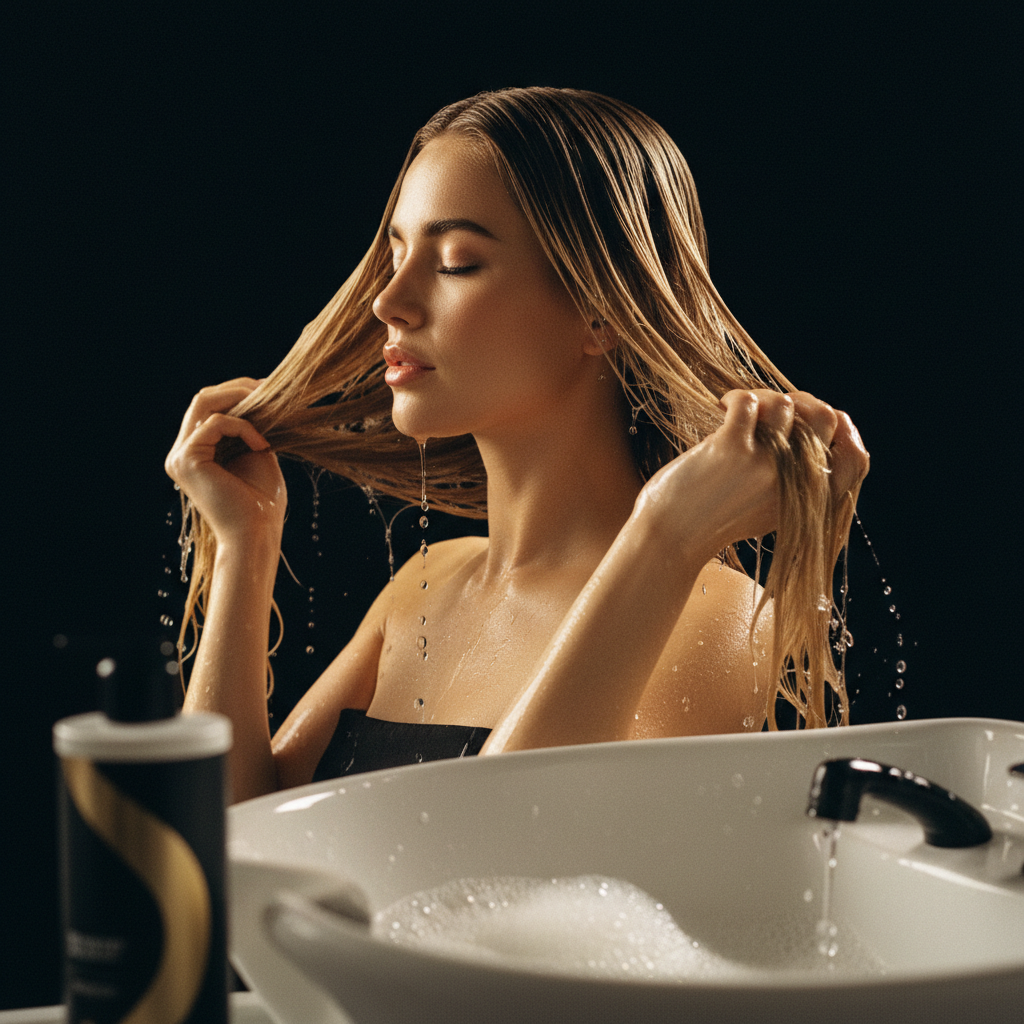
Clarifying shampoos are a specific type of hair cleanser designed to deep-cleanse the hair and scalp, removing accumulated residues that regular shampoos may leave behind. These residues, often referred to as "buildup," can stem from various sources, including styling products, hard water minerals, environmental pollutants, and even ingredients found in conditioners and other hair treatments. Unlike daily shampoos, which focus on gentle cleansing and conditioning, clarifying shampoos are formulated with stronger surfactants and chelating agents to effectively strip away this unwanted accumulation.
What is Hair Buildup?
Hair buildup refers to the layer of substances that can coat the hair shaft and accumulate on the scalp. This layer can compromise hair health and appearance in several ways:
- Styling Product Residue: Mousse, gels, hairspray, dry shampoo, and leave-in conditioners can leave behind polymers, silicones, and other ingredients that adhere to the hair.
- Hard Water Minerals: Water with high concentrations of minerals like calcium and magnesium (hard water) can deposit these minerals onto the hair, causing dullness, dryness, and sometimes a greenish tint on lighter hair.
- Environmental Pollutants: Dust, dirt, smoke, and other airborne particles can settle on the hair and scalp.
- Natural Oils and Dead Skin Cells: While natural, an excessive accumulation can contribute to a greasy appearance and scalp issues if not properly cleansed.
Over time, this buildup can weigh hair down, diminish its natural shine, and reduce the effectiveness of other hair care products.
How Clarifying Shampoos Work
Clarifying shampoos contain a higher concentration of anionic surfactants compared to regular shampoos. Surfactants are cleaning agents that create lather and help lift oil and dirt. Common surfactants in clarifying formulas include Sodium Lauryl Sulfate (SLS), Sodium Laureth Sulfate (SLES), and Ammonium Lauryl Sulfate. While these are sometimes seen as harsh, their presence in clarifying shampoos is purposeful, designed for infrequent, intensive cleansing rather than daily use.
Additionally, many clarifying shampoos include chelating agents. Chelating agents, such as EDTA (Ethylenediaminetetraacetic acid) or phytic acid, bind to positively charged mineral ions, like those found in hard water, allowing them to be rinsed away more effectively. This mechanism is crucial for removing mineral deposits that can contribute to hair dullness and brittleness.
Key Benefits of Incorporating a Clarifying Shampoo
Regular use of a clarifying shampoo, as needed, offers several significant advantages for hair health and appearance:
- Removes Product Buildup: This is the primary function. By stripping away residue from styling products, clarifying shampoos restore the hair's natural texture and movement. Hair feels lighter and less weighed down.
- Restores Shine and Luster: Mineral deposits and product buildup can create a film on the hair cuticle, scattering light and making hair appear dull. Clarifying helps to remove this film, allowing the hair's natural shine to return.
- Enhances Product Efficacy: When hair is free of buildup, it can better absorb the beneficial ingredients from conditioners, masks, and treatments. For example, a deep conditioning mask will penetrate more effectively into a clarified hair shaft than one coated with residue.
- Balances Oily Scalp: While not a solution for chronic oiliness, clarifying shampoos can help to deeply cleanse the scalp, removing excess sebum and product residue that might be contributing to an oily appearance or feeling.
- Prepares Hair for Chemical Treatments: Many professional stylists use clarifying shampoos before chemical services like colouring, perming, or straightening. A clean, residue-free canvas ensures more even colour penetration, better curl formation, and optimal results from chemical processes.
- Addresses Hard Water Effects: For individuals living in hard water areas, clarifying shampoos are invaluable for combating the dulling, drying, and sometimes discolored effects of mineral deposits.
- Revitalizes Limp Hair: Buildup can cause hair to lose its natural body and bounce. By removing this extra weight, clarifying shampoos can help restore volume and make hair feel more buoyant.
When and How to Use Clarifying Shampoos
Clarifying shampoos are generally not intended for daily use. Overuse can strip the hair of its natural oils, leading to dryness and potential irritation. The frequency of use depends on several factors:
- Hair Type: Oily hair or hair prone to heavy product use may benefit from more frequent clarifying (e.g., once every 2-4 weeks).
- Product Use: Individuals who use a lot of styling products (gels, waxes, dry shampoo) will likely need to clarify more often.
- Water Quality: Those in hard water areas may need to clarify more regularly to combat mineral buildup.
- Lifestyle: Swimmers expose their hair to chlorine, necessitating more frequent clarifying.
A good starting point is to use a clarifying shampoo once or twice a month. If you notice your hair feels heavy, dull, greasy quickly, or your regular products aren't working as effectively, it's a good sign that clarifying is needed.
To use: Apply to wet hair, focusing on the scalp. Gently massage to create a lather, then work through the lengths of the hair. Rinse thoroughly. It is highly recommended to follow with a deeply hydrating conditioner or a hair mask, as clarifying can leave the hair cuticle slightly raised and potentially dry.
Potential Considerations
While beneficial, clarifying shampoos should be used judiciously:
- Colour-Treated Hair: Clarifying shampoos can potentially strip hair colour, especially vibrant or semi-permanent shades. It's advisable to use a colour-safe clarifying formula or to clarify a few days before a colour service rather than immediately after. If using Watermans GrowMe Shampoo, for example, which is sulfate-free, the need for a separate harsh clarifying shampoo may be reduced, but individual results vary depending on product use and hair type.
- Dry or Damaged Hair: Individuals with naturally dry or chemically damaged hair should use clarifying shampoos sparingly and always follow with intensive hydration.
- Scalp Sensitivity: Those with sensitive scalps may find the stronger surfactants irritating. Patch testing or choosing a milder clarifying option is advisable.
Understanding the purpose and proper application of clarifying shampoos allows for their effective integration into a hair care routine, leading to healthier, more vibrant hair.