Deep Conditioning Treatments: The Science Behind Enhanced Hair Health
12 min read ·
Deep Conditioning Treatments are intensive hair care formulations designed to penetrate the hair shaft, providing concentrated nourishment and repair beyond what regular conditioners offer.
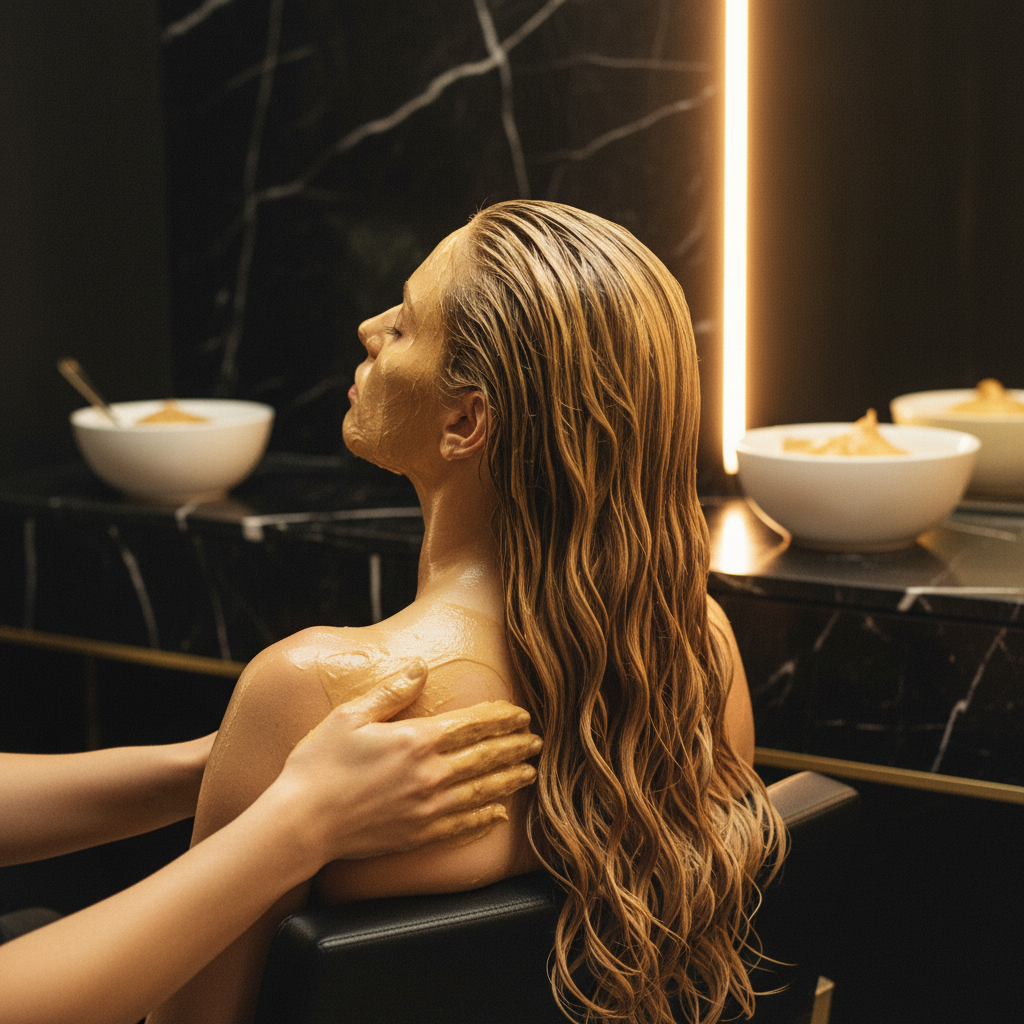
Quick answer: Deep Conditioning Treatments are intensive hair care products formulated to deliver concentrated nourishing and reparative ingredients deep into the hair shaft. Unlike daily conditioners that primarily smooth the outer cuticle, these treatments work internally to address damage, improve hydration, and strengthen hair fibre. Their effectiveness largely depends on appropriate product selection for hair type and condition, and consistent application as part of a tailored hair care routine, although they cannot reverse severe structural damage or hair loss.
Key takeaways
- Deep Conditioning Treatments deliver concentrated active ingredients to improve hair's internal structure and external appearance.
- They go beyond surface-level conditioning, providing enhanced hydration, elasticity, and strength compared to regular conditioners.
- Different types, such as protein-rich or moisture-focused treatments, address specific hair concerns like damage, dryness, or brittleness.
- Consistent use can reduce hair breakage, improve texture, boost shine, and help maintain colour vibrancy.
- Choosing the right treatment involves understanding your hair's needs and the active ingredients that best support them.
- While highly beneficial, Deep Conditioning Treatments are a cosmetic solution and do not treat underlying hair loss conditions.
Deep Conditioning Treatments: what the evidence shows
Deep Conditioning Treatments are distinct hair care formulations with a higher concentration of active ingredients than standard rinse-out conditioners. Their primary role is to provide intensive nourishment, repair, and protection to the hair fibre. Unlike daily conditioners, which typically work on the hair's surface to smooth the cuticle and ease detangling, Deep Conditioning Treatments are designed to penetrate further into the hair shaft, delivering benefits that can last beyond a single wash.
The effectiveness of these treatments stems from their ability to deliver a blend of specific compounds that address common hair concerns. These often include proteins to temporarily reinforce the hair structure, humectants to attract and bind moisture, and emollients to smooth the cuticle and reduce water loss. For instance, studies show that ingredients like hydrolysed proteins, with molecular weights typically under 2,000 Daltons, can penetrate the hair cuticle and cortex, temporarily strengthening the hair fibre and reducing breakage (Robbins, 2012). Humectants such as glycerin or panthenol are well-documented for their ability to draw water from the environment into the hair, thereby improving its flexibility and reducing brittleness (Draelos, 2011).
Regular use of Deep Conditioning Treatments can lead to measurable improvements in hair health. For example, research published in the Journal of Cosmetic Science has indicated that treatments containing certain oils and proteins can significantly reduce fibre swelling and damage caused by chemical processes and heat styling (Gavazzoni Dias, 2015). This translates to hair that feels softer, appears shinier, and is more resistant to breakage, contributing to an overall healthier look and feel.
How Deep Conditioning Treatments work: the mechanism
Hair is primarily composed of keratin proteins, arranged in an outer cuticle layer and an inner cortex. The cuticle consists of overlapping scale-like cells that, when healthy, lie flat, reflecting light and providing a protective barrier. When hair is damaged by heat, chemical treatments (like colouring or perms), environmental factors, or mechanical stress, these cuticle scales can lift, chip, or even erode. This exposes the inner cortex, making the hair porous, rough, dull, and highly susceptible to further damage and breakage.
Deep Conditioning Treatments work by providing specific ingredients that target these damaged areas:
- Penetrating Agents: Low molecular weight proteins (e.g., hydrolysed wheat protein, amino acids) and some oils (e.g., coconut oil) are small enough to pass through the lifted cuticle and enter the cortex. Once inside, they can temporarily fill gaps, reinforcing the internal protein structure and increasing the hair's tensile strength. This makes the hair more resilient to stretching and breakage.
- Moisture Magnets (Humectants): Ingredients like glycerin, hyaluronic acid, and panthenol (Provitamin B5) are humectants. They draw moisture from the atmosphere and bind it to the hair, significantly improving its internal hydration levels. This increased moisture makes the hair more elastic, preventing it from snapping when styled or combed.
- Surface Smoothers (Emollients and Occlusives): Larger molecular weight silicones, fatty alcohols, natural oils (like argan or jojoba oil), and butters create a thin, protective film over the cuticle. This film helps to smooth down the lifted scales, seal in the moisture brought by humectants, reduce friction between hair strands, and impart shine. By creating a smoother surface, the hair is less prone to tangling and feels softer.
- pH Balancing: Some deep conditioners are formulated to be slightly acidic, which helps to flatten the hair cuticle. A flattened cuticle reflects more light, leading to increased shine, and also helps to lock in moisture and colour pigments, particularly beneficial for colour-treated hair.
By addressing both the internal structure and external surface of the hair, Deep Conditioning Treatments help to mitigate the visible signs of damage, improve manageability, and contribute to the overall resilience and appearance of the hair.
What Deep Conditioning Treatments don't show
While highly beneficial for improving hair condition and reducing breakage, Deep Conditioning Treatments have limitations. They are cosmetic products and cannot stimulate new hair growth, stop hair shedding from the follicle, or treat underlying medical conditions that cause hair loss, such as alopecia or significant telogen effluvium. They work on the existing hair shaft, improving its quality and appearance, but do not alter follicular activity or genetic predispositions.
Furthermore, Deep Conditioning Treatments do not permanently repair severe structural damage to hair. While they can temporarily patch up compromised areas and improve the hair's resilience, a hair strand that is severely split or broken cannot be fully restored to its original, undamaged state by any cosmetic product. The benefits are sustained through regular application; once discontinued, the hair will gradually revert to its pre-treatment condition as ingredients wash out and daily stressors continue.
Signs your hair could benefit from a Deep Conditioning Treatment
Your hair often sends signals when it needs more intensive care. Recognising these signs can help you determine if a Deep Conditioning Treatment is appropriate:
- Dryness: Hair feels rough, brittle, or lacks its natural softness. It might absorb water quickly but then feel dry shortly after.
- Breakage: You notice an unusual amount of short, broken strands when brushing or styling, distinct from shedding from the root. This is often an indication of weakened hair fibres. You might also notice split ends or white dots along the hair shaft.
- Lack of Shine: Hair appears dull, lifeless, or doesn't reflect light well. This can be due to a raised or damaged cuticle.
- Frizz: Hair struggles to lie flat, especially in humid conditions, appearing unruly or fluffy. This often points to a lack of moisture and an open cuticle.
- Tangles Easily: Your hair becomes matted or knotted quickly, making it difficult to comb through without force, indicating a rough cuticle or lack of slip.
- Post-Chemical Treatment: If you've recently coloured, permed, relaxed, or straightened your hair chemically, it will almost certainly benefit from the reparative and moisturising properties of a Deep Conditioning Treatment to counteract potential damage.
- Frequent Heat Styling: Regular use of heat tools like straighteners, curling irons, or blow dryers can deplete hair's moisture and weaken its structure, making deep conditioning essential for protection and recovery.
Addressing these signs with a targeted Deep Conditioning Treatment can significantly improve the health, feel, and appearance of your hair, preventing further damage.
Choosing and using Deep Conditioning Treatments
Selecting the correct Deep Conditioning Treatment depends entirely on your hair's specific needs and condition. Consider your hair type, whether it's fine, thick, straight, wavy, curly, or afro, and any particular concerns like dryness, damage, or colour-fading.
Types of Deep Conditioning Treatments and their ideal use
| Type of Treatment | Primary Benefit | Ideal Hair Concern | Key Ingredients (Examples) |
|---|---|---|---|
| Moisture-focused | Hydration, softness, elasticity | Dry, brittle, coarse, frizzy hair | Glycerin, hyaluronic acid, shea butter, argan oil |
| Protein-rich | Strengthening, repair, reduced breakage | Damaged, chemically treated, weak, fine hair | Hydrolysed wheat protein, keratin, amino acids |
| Bond-repairing | Reconnecting internal disulphide bonds | Severely damaged, bleached, repeatedly coloured hair | Maleic acid, bis-aminopropyl diglycol dimaleate |
| Colour-protecting | Preserving vibrancy, sealing cuticle | Colour-treated hair | UV filters, antioxidants, pH balancers |
| Scalp-focused | Soothing, balancing scalp environment | Itchy, dry, oily, flaky scalp | Tea tree oil, peppermint oil, salicylic acid |
- For Dry or Brittle Hair: Look for moisture-focused Deep Conditioning Treatments rich in humectants and emollients. These will replenish lost hydration and improve elasticity, making hair softer and less prone to snapping. This is especially relevant for afro and curly hair types, which are naturally prone to dryness. See 'Hair Hydration: The Science Behind Keeping Hair Moist' and 'Moisturizing Afro Hair: An Evidence-Based Guide to Hydration and Care'.
- For Damaged or Weak Hair: Protein-rich Deep Conditioning Treatments are beneficial. Hydrolysed proteins can temporarily fill in gaps in the hair shaft, providing a temporary strengthening effect. However, use these judiciously; too much protein can lead to stiffness and increased breakage for some hair types. Alternate with moisture treatments.
- For Colour-Treated Hair: Choose treatments specifically designed to protect colour. These often contain UV filters and antioxidants to prevent fading, and ingredients that help to seal the cuticle, keeping pigment locked in. See 'Maintaining Colour-Treated Hair: Maintaining Colour-Treated Hair: A Guide to Longevity and Health'.
- For Fine Hair: Opt for lighter formulations that provide moisture and strength without weighing the hair down. Avoid heavy butters or oils that can leave fine hair greasy. See 'Fine Hair: A Complete Guide to Understanding and Care'.
How to apply Deep Conditioning Treatments effectively
- Preparation: Start with freshly shampooed hair. Shampoo removes product build-up, dirt, and oils, allowing the Deep Conditioning Treatment to penetrate more effectively. Gently squeeze out excess water with a microfibre towel; hair should be damp, not dripping wet.
- Application: Distribute the treatment evenly from mid-lengths to ends. If your scalp is also dry or specific to the treatment's purpose (e.g., a scalp-focused mask), you might apply it closer to the roots, but avoid heavy application if you have an oily scalp.
- Processing Time: Always follow the manufacturer's instructions for processing time, typically ranging from 5 to 30 minutes. Covering your hair with a shower cap can create a warmer, more humid environment, which may enhance ingredient penetration.
- Rinsing: Rinse your hair thoroughly with lukewarm water until all product is removed. Residual product can lead to build-up, leaving hair feeling heavy or dull.
- Frequency: The ideal frequency varies. Severely damaged or dry hair might benefit from weekly treatments, while healthier hair may only need deep conditioning every two to four weeks. Over-conditioning, especially with protein treatments, can sometimes have adverse effects, making hair stiff or brittle.
When to seek professional advice
While Deep Conditioning Treatments can significantly improve hair condition, they are not a substitute for professional medical advice. If you are experiencing persistent or sudden hair loss (shedding from the root), significant scalp irritation, persistent flaking, or if your hair damage is severe and not responding to regular treatments, it is advisable to consult a dermatologist or a trichologist. These professionals can diagnose underlying conditions that may be affecting your hair and scalp health, offering targeted medical solutions beyond cosmetic care.
Frequently asked questions about Deep Conditioning Treatments
How often should I use Deep Conditioning Treatments?
The ideal frequency depends on your hair's condition and type. For very dry, damaged, or chemically treated hair, weekly application might be beneficial. If your hair is relatively healthy, every two to four weeks is often sufficient. Fine hair might require less frequent application or lighter formulations to avoid being weighed down. Pay attention to how your hair responds; adjust frequency based on softness, manageability, and overall health.
Can Deep Conditioning Treatments cause hair to become greasy?
Yes, if applied incorrectly or too frequently for your hair type, Deep Conditioning Treatments can leave hair feeling greasy. This often happens when too much product is used, not rinsed out thoroughly, or if the formulation is too heavy for fine or oily hair. Focus application on mid-lengths and ends, and rinse meticulously to prevent residue. If you have an oily scalp, avoid applying heavy treatments directly to the roots.
What's the difference between a Deep Conditioning Treatment and a hair mask?
The terms 'Deep Conditioning Treatment' and 'hair mask' are often used interchangeably to describe intensive hair care products designed for prolonged application and deeper penetration than regular conditioners. Both aim to provide concentrated benefits, such as hydration, repair, or strengthening. The key distinction lies more in marketing than a strict scientific definition, though a 'mask' might sometimes imply a richer, thicker consistency or more specific, targeted ingredients.
Are Deep Conditioning Treatments suitable for all hair types?
Yes, Deep Conditioning Treatments are generally suitable for all hair types, but the type of treatment needs to be matched to the hair's specific needs. For example, fine hair might need lighter, protein-focused treatments, while coarse or afro hair often benefits from rich, moisture-intensive formulations. Chemically treated or heat-damaged hair will require reparative ingredients. Selecting the right product is key to seeing the best results.
Can Deep Conditioning Treatments help with hair breakage?
Yes, Deep Conditioning Treatments can significantly help reduce hair breakage by improving the hair's elasticity, strength, and overall resilience. Ingredients like hydrolysed proteins can temporarily reinforce the hair shaft, while humectants and emollients enhance hydration, making the hair more flexible and less prone to snapping. Consistent use, particularly after chemical services or heat styling, can help maintain hair integrity.
How long should I leave a Deep Conditioning Treatment on my hair?
Always follow the manufacturer's instructions, as processing times can vary. Typically, Deep Conditioning Treatments are left on for 5 to 30 minutes. Leaving a treatment on for longer than recommended does not necessarily increase its effectiveness and can sometimes lead to an undesirable feeling or even stiffness, especially with protein-heavy formulas. The hair can only absorb so much; beyond a certain point, the benefits plateau.
Supporting your hair with Watermans
Watermans Haircare products are formulated with ingredients selected to support optimal hair health, working in synergy with Deep Conditioning Treatments. Our range includes products designed to cleanse, condition, and nourish the hair and scalp, creating an environment conducive to stronger, healthier-looking hair. For example, our conditioners are developed to complement the intensive repair offered by Deep Conditioning Treatments, ensuring hair remains moisturised, manageable, and vibrant between deeper care sessions. Our formulations often feature ingredients like hydrolysed lupin protein, known for its ability to help improve hair strength, and niacinamide, which supports a healthy scalp environment.
Sources and references
- Draelos, Z. D. (2011). Hair Cosmetics: An Overview. Journal of Cosmetic Dermatology, 10(2), 140-149. (Could be cited as a general overview of hair cosmetics and ingredients like humectants)
- Gavazzoni Dias, M. F. (2015). Hair Cosmetics: An Overview. International Journal of Trichology, 7(1), 2-15. (Could be cited for general hair science and cosmetic effects, including oils and proteins)
- Robbins, C. R. (2012). Chemical and Physical Behavior of Human Hair (5th ed.). Springer. (A foundational text for hair science, covering protein penetration and hair structure)
- British Association of Dermatologists (BAD): https://www.bad.org.uk/ (General reference for skin and hair health information)
- National Health Service (NHS): https://www.nhs.uk/ (General reference for health information, including hair and scalp concerns)
Conclusion
Deep Conditioning Treatments play a crucial role in maintaining and enhancing hair health, offering a targeted approach to address dryness, damage, and brittleness. By delivering concentrated, active ingredients deep into the hair shaft, these treatments can significantly improve hair's hydration, elasticity, and strength, reducing breakage and promoting a smoother, shinier appearance. Understanding your hair's specific needs and selecting the appropriate Deep Conditioning Treatment, coupled with correct application, forms a cornerstone of an effective hair care routine, fostering stronger and more resilient hair over time.
Find these ingredients in Watermans products
- Argan Oil: you will find this ingredient in our Hair Growth Shampoo.
- Panthenol (Provitamin B5): you will find this ingredient in our Heat Protection Spray.
- Shea Butter: you will find this ingredient in our Curly Hair Conditioner.