How to Care for Straight Hair: An Evidence-Based Guide
11 min read ·
Discover how to care for straight hair effectively, focusing on maintaining its natural lustre, minimising oiliness, and preventing breakage through evidence-backed routines.
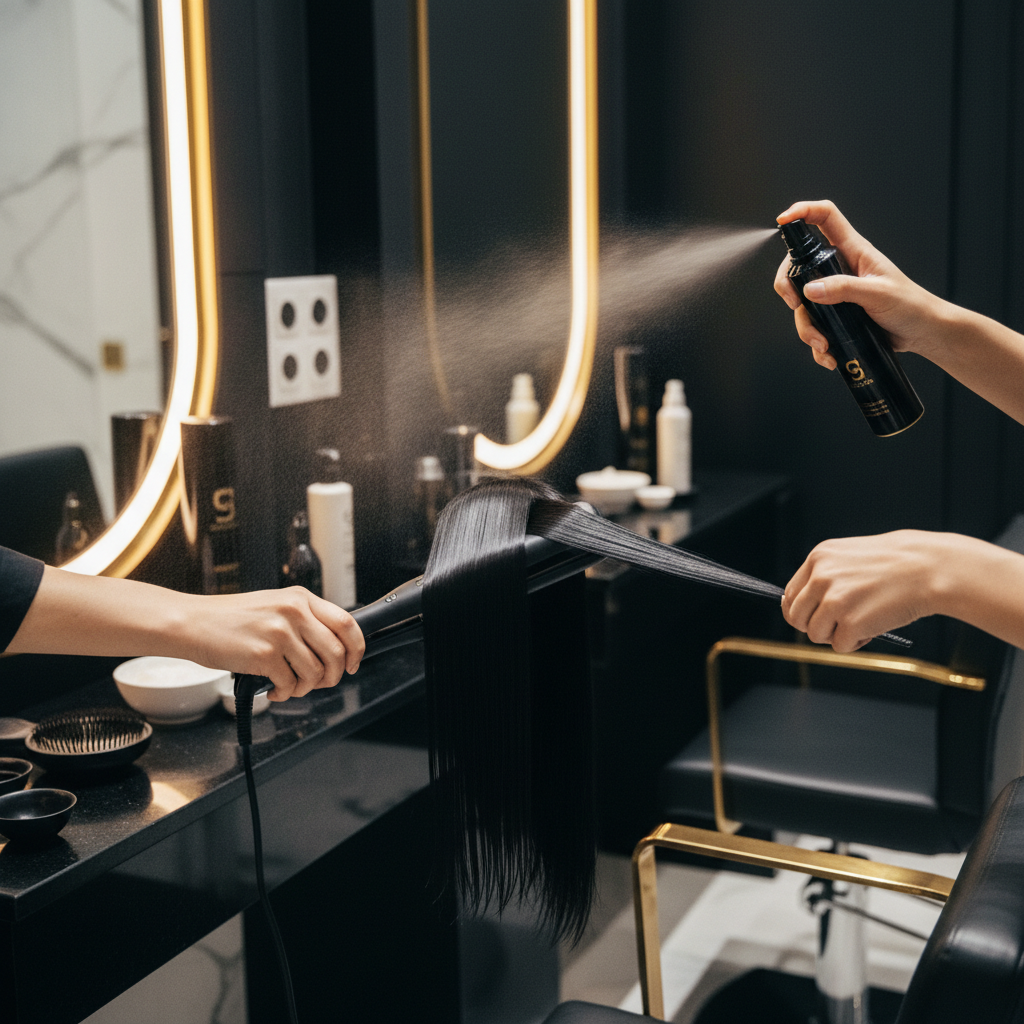
Quick answer: How to care for straight hair involves a routine designed to balance natural oils, prevent greasiness, and protect against mechanical damage and breakage, rather than addressing hair loss. Straight hair, often Type 1, benefits from gentle cleansing, conditioning focused on ends, and careful handling to maintain its smooth cuticle and natural shine. The main limitation is that cosmetic care cannot treat underlying medical conditions that may affect hair health, which require professional diagnosis.
Key takeaways
- Gentle Cleansing: Wash straight hair regularly with a mild shampoo to manage oil buildup without over-drying, typically every two to three days depending on individual needs.
- Targeted Conditioning: Apply conditioner primarily to the mid-lengths and ends to moisturise without weighing down the roots or exacerbating scalp oiliness.
- Minimise Breakage: Handle wet straight hair with care, using a wide-tooth comb for detangling, as it's more fragile when wet.
- Heat Protection: Always use a heat protectant when styling with heat tools to shield the hair shaft from thermal damage.
- Address Oiliness: Straight hair's smooth structure allows sebum to travel easily, often leading to an oily appearance. Regular washing, targeted product use, and scalp care can manage this.
- Prevent Product Buildup: Lightweight products are key. Clarifying shampoos can remove accumulated residue, but use them sparingly to avoid stripping essential moisture.
How to care for straight hair: what the evidence shows
Straight hair (Type 1 on the hair typing system) is characterised by hair fibres that grow without a natural curl pattern, often appearing sleek and shiny. This distinct characteristic is largely due to the hair follicle's shape, which is typically round or slightly oval. Unlike curly or wavy hair, the straight fibre allows the natural oils, known as sebum, produced by the scalp to easily travel down the entire length of the hair shaft. While this contributes to a natural sheen, it can also lead to the perception of greasiness more quickly than other hair types. Therefore, effective strategies for how to care for straight hair often focus on managing oil, preventing product buildup, and protecting the hair from mechanical and thermal damage.
Evidence suggests that frequent washing with appropriate shampoos helps manage excess sebum on straight hair. Shampoos are designed to emulsify oils and dirt, allowing them to be rinsed away. For straight hair, selecting a shampoo that cleanses effectively without being overly stripping is crucial. Over-stripping can trigger the scalp to produce more oil, creating a cycle of greasiness. The frequency of washing varies, but many with straight hair find that washing every two to three days helps maintain freshness without excessive dryness. (Source: American Academy of Dermatology Association, 2023)
Conditioning straight hair requires a balanced approach. Conditioners work by smoothing the hair cuticle, reducing friction, and improving manageability. For straight hair, applying conditioner primarily to the mid-lengths and ends helps provide necessary moisture and detangling benefits without adding weight or contributing to root oiliness. (Source: Journal of Cosmetic Science, 2015)
Straight hair, particularly fine straight hair, can be prone to breakage due to its delicate structure and susceptibility to tangles. Mechanical stress from brushing, towel-drying, and styling can damage the cuticle. Using a wide-tooth comb on wet hair, starting from the ends and working upwards, is recommended to gently detangle and minimise stress. Air-drying or using low heat settings with heat protectants are also beneficial for preserving hair integrity. (Source: International Journal of Cosmetic Science, 2012)
The mechanism behind straight hair characteristics
The fundamental characteristic of straight hair lies in the geometry of the hair follicle and the resulting shape of the hair fibre. Research indicates that the shape of the follicle determines the hair's curvature. Round follicles produce straight hair, while oval or elliptical follicles lead to wavy or curly hair. This round cross-section allows the hair fibre to grow uniformly without bends or twists. (Source: Journal of Anatomy, 2007)
This uniform structure also influences how sebum is distributed. Sebum is a natural oil produced by the sebaceous glands in the scalp, essential for moisturising the scalp and hair. On straight hair, sebum can easily travel along the smooth, uninterrupted shaft from the scalp to the ends. This efficient distribution contributes to the natural shine often seen in straight hair but can also make it appear oily or greasy more quickly than hair with more texture, where sebum has to navigate curls and bends, slowing its journey.
What the evidence does not show
There is currently insufficient evidence to suggest that specific types of water (e.g., tap water versus filtered water) inherently cause or treat hair loss (alopecia) in straight hair. While hard water can lead to mineral buildup and affect the cosmetic feel and appearance of hair, causing dryness or dullness, controlled research has not found a direct link to follicular hair loss. Cosmetic claims relate to hair feel and appearance. (Source: Water Quality Research Journal of Canada, 2007; although this study discusses water quality, it doesn't link directly to hair loss in straight hair specifically). The benefits of using specific types of water for preventing or treating hair loss are not well-established in scientific literature.
Signs to look for that indicate your straight hair needs attention
Several signs can indicate that your straight hair routine might need adjustment:
- Excessive Oiliness or Greasiness: If your hair feels oily within a few hours of washing, or looks stringy and flat, your current cleansing frequency or product choices might be unsuitable. This is a common issue for straight hair due to efficient sebum distribution.
- Lack of Shine or Dullness: While straight hair is known for its shine, product buildup, hard water minerals, or cuticle damage can lead to a dull appearance.
- Increased Breakage or Split Ends: Frayed ends or short broken pieces of hair can signal mechanical damage from aggressive brushing, heat styling, or chemical treatments. This is not hair shedding or hair loss, but damage to the hair fibre.
- Scalp Irritation: Itching, redness, or flakiness on the scalp can indicate an imbalance, potentially due to unsuitable products, infrequent washing, or underlying scalp conditions.
- Heavy or Weighed-Down Feeling: If your hair feels flat, lacks movement, or styling products seem to disappear without effect, it could be due to heavy product formulas or buildup.
What you can do to care for straight hair
Cleansing and Conditioning
- Choose Wisely: Opt for shampoos designed for daily use, volume, or oil control, depending on your specific needs. Look for formulations that cleanse effectively without harsh sulphates, which can be overly stripping. Consider exploring 'Choosing the Right Shampoo'.
- Frequency: Wash your hair every two to three days, or as needed, to manage oil buildup. Some people with very oily scalps may need to wash daily, while others can extend to every four days.
- Conditioner Application: Apply conditioner from the mid-lengths to the ends only. Avoid direct application to the scalp to prevent weighing down roots or contributing to oiliness. Refer to 'Choosing the Right Hair Conditioner' for more guidance.
Detangling and Drying
- Gentle Detangling: Always use a wide-tooth comb on wet hair, starting from the ends and gently working your way up. Wet hair is more vulnerable to breakage. Avoid brushes on wet hair.
- Towel Blotting: Gently blot excess water from your hair with a microfibre towel. Avoid vigorous rubbing, which can rough up the cuticle and lead to frizz or damage.
- Air Dry When Possible: Allow hair to air dry to minimise heat exposure. If blow-drying, use a low to medium heat setting and always apply a heat protectant. Explore 'Heat Styling Safety Best Practices'.
Styling and Maintenance
- Lightweight Products: Choose lightweight serums, mousses, or sprays that won't weigh down straight hair. Heavy products can make straight hair appear greasy and flat.
- Regular Trims: Schedule trims every 8 to 12 weeks to remove split ends and maintain a healthy appearance. This prevents split ends from travelling further up the hair shaft.
- Scalp Health: Maintain good scalp hygiene. If you have an oily scalp, consider targeted treatments or clarifying washes as detailed in 'Oily Scalp Care: Understanding and Managing Excess Sebum' or 'How to Do a Clarifying Wash'.
When the cause may be something else
While cosmetic care is essential for maintaining the appearance and integrity of straight hair, certain issues may stem from underlying health conditions or other factors beyond the scope of a standard haircare routine. If you experience sudden, significant changes in your hair's texture, excessive hair shedding (telogen effluvium), or true hair loss (alopecia), these could indicate:
- Nutritional Deficiencies: Lack of essential vitamins and minerals can impact hair health.
- Hormonal Imbalances: Conditions like thyroid disorders or polycystic ovary syndrome (PCOS) can affect hair growth cycles.
- Stress: Significant physical or emotional stress can trigger telogen effluvium.
- Medication Side Effects: Certain medications can have hair changes as a side effect.
- Scalp Conditions: Psoriasis, eczema, or fungal infections can impact the scalp and hair follicles.
These situations require a medical assessment rather than simply adjusting your haircare products.
When to get professional advice
It's advisable to seek professional medical advice if you notice persistent or concerning changes in your hair or scalp that don't improve with adjustments to your routine. This includes:
- Sudden or unexplained hair shedding or hair loss: If you're losing significantly more hair than usual, or notice thinning patches.
- Chronic scalp irritation: Persistent itching, redness, soreness, or scaling that doesn't resolve.
- Unusual changes in hair texture: If your straight hair suddenly becomes very brittle, dry, or unusually oily without a clear cause.
- Suspected underlying health conditions: If you have other symptoms that suggest a hormonal imbalance or nutritional deficiency.
Consulting a general practitioner or a dermatologist can help diagnose any underlying medical issues and guide appropriate treatment.
Comparing Haircare Needs: Straight vs. Textured Hair
| Characteristic | Straight Hair (Type 1) | Curly/Coily Hair (Types 3 & 4) |
|---|---|---|
| Follicle Shape | Round | Oval to flat elliptical |
| Sebum Distribution | Efficient; travels easily down the shaft, leading to potential greasiness at roots. | Less efficient; struggles to travel down coiled shaft, often leading to dry ends and scalp buildup. |
| Moisture Needs | Often requires lighter moisturisers, focused on ends. | High moisture needs throughout the shaft to combat dryness and frizz. |
| Breakage Risk | Prone to mechanical breakage from tangles and aggressive styling, especially when fine. | Prone to breakage due to natural fragility at bends and difficulty detangling; higher risk when dry. |
| Styling Goal | Volume, shine, oil control, smoothness. | Frizz reduction, curl definition, hydration, shrinkage management. |
| Detangling | Best done gently with a wide-tooth comb when wet. | Best done gently with fingers or wide-tooth comb, often when wet and conditioned, to minimise disruption. |
Frequently asked questions about How to care for straight hair
How often should I wash straight hair to keep it healthy?
The optimal washing frequency for straight hair typically ranges from every two to three days. This allows you to manage the natural oil (sebum) that travels easily down the straight shaft, preventing a greasy appearance, while also avoiding over-stripping your scalp. The exact frequency can vary based on your scalp's oil production, activity level, and product use, so adjust as needed.
What kind of shampoo and conditioner is best for straight hair?
For straight hair, look for shampoos that are labelled for "volume," "oil control," or "daily use," and are gentle enough not to strip natural oils excessively. Conditioners should be lightweight and applied primarily to the mid-lengths and ends to avoid weighing down the roots. 'Choosing the Right Shampoo' and 'Choosing the Right Hair Conditioner' offer more detailed guidance.
How can I add volume to naturally straight hair?
To add volume to straight hair, consider using volumising shampoos and conditioners. Apply root-lifting sprays or mousses to damp roots before blow-drying with your head inverted or using a round brush. Dry shampoo applied to the roots of dry hair can also add lift and texture. Avoiding heavy styling products will help prevent your hair from being weighed down.
Is heat styling bad for straight hair?
Heat styling can be damaging to straight hair, as it can strip moisture, cause breakage, and lead to dullness or split ends. However, you can minimise damage by always using a heat protectant spray beforehand, opting for the lowest effective temperature setting on your tools, and limiting the frequency of heat styling. Air-drying when possible is a gentler alternative.
How can I prevent straight hair from getting greasy quickly?
To prevent straight hair from getting greasy quickly, wash it regularly with a mild shampoo, focusing on the scalp. Avoid applying conditioner directly to the roots. Use lightweight styling products and consider incorporating a clarifying shampoo once a month to remove product buildup. Dry shampoo can also extend the time between washes by absorbing excess oil at the roots.
What are common mistakes when learning how to care for straight hair?
Common mistakes when learning how to care for straight hair include over-washing with harsh shampoos, applying heavy conditioners to the roots, aggressive towel-drying, and skipping heat protectant when using heat tools. Using too many heavy styling products can also weigh hair down and make it appear greasier faster. Gentle handling and appropriate product selection are key for healthy straight hair.
Maintaining your straight hair with Watermans
Watermans products are formulated with ingredients designed to support hair health, regardless of hair type. Our shampoos and conditioners are suitable for maintaining the condition of straight hair. For those looking to support the appearance of fuller, healthier-looking hair, our Grow Me Shampoo and Conditioner can be integrated into your routine. These products aim to cleanse the scalp and condition the hair fibre, contributing to the overall strength and shine that straight hair can exhibit. Always follow product instructions for best results.
Sources and references
- American Academy of Dermatology Association. (2023). Hair care: How to shampoo and condition.
- Journal of Cosmetic Science. (2015). Conditioners: Development, application, and evaluation of hair care formulations.
- International Journal of Cosmetic Science. (2012). Hair shaft damage and the effect of hair cosmetics: a clinical and instrumental analysis.
- Journal of Anatomy. (2007). The Biological Classification of Human Hair.
- Water Quality Research Journal of Canada. (2007). The Effects of Water Hardness on Hair Damage.